
For many, TikTok conjures images of viral dance routines and lip-sync challenges. But if you're not a dancer—or simply don’t want to be one—growth is still entirely possible. In fact, some of the platform’s fastest-growing creators never step onto a choreography stage. They focus instead on delivering value, solving problems, and building communities around niche interests. The key isn't performance; it's purpose.
TikTok's algorithm rewards watch time, engagement, and consistency—not just entertainment. This opens the door for educators, entrepreneurs, hobbyists, and experts in any field to thrive by sharing practical, relatable, and insightful content. Whether you're teaching financial literacy, showing behind-the-scenes workflows, or breaking down complex topics into digestible clips, your expertise can become your edge.
Focus on Value-Driven Content
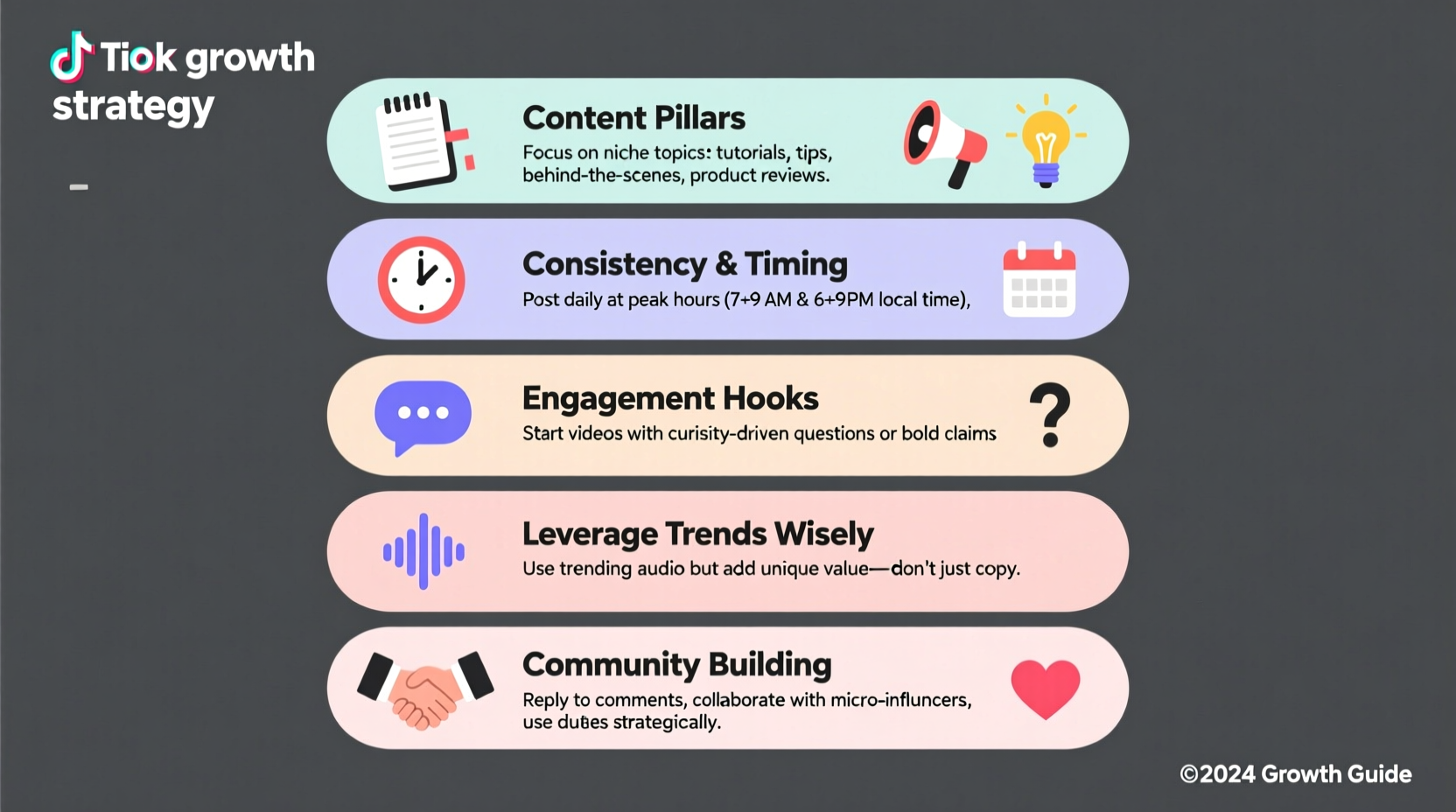
The most sustainable TikTok growth comes from helping people. When viewers finish your video and think, “That was useful,” they’re more likely to follow, share, or rewatch—all signals the algorithm loves. Value doesn’t have to mean formal education. It can be emotional insight, organizational hacks, industry secrets, or even humor with a takeaway.
Start by identifying what you know that others might find helpful. Are you great at budgeting? Skilled in graphic design? A master of morning routines? Break those skills into micro-lessons. For example, instead of saying \"I'm good at saving money,\" create a 30-second clip titled: “One habit that saved me $200 last month.” Specificity builds credibility.
Tip: Open your videos with a clear benefit: “Here’s how to cut your grocery bill in half,” or “This mistake ruins most beginner portfolios.”Value-driven content also encourages saves and shares—two of the highest-weighted engagement metrics on TikTok. People save videos they want to revisit (like DIY fixes or recipe steps) and share ones that resonate emotionally or intellectually (“My boss needs to see this”). Prioritize usefulness over virality, and growth will follow organically.
Leverage Trending Sounds Without Dancing
Many assume trending audio means dancing, but sound trends are often about rhythm, pacing, or emotional tone—not movement. You can use popular audio tracks as background for commentary, storytelling, or visual demonstrations.
For instance, a soft piano track might accompany a reflective monologue about burnout. A fast-paced beat could underscore a rapid-fire list of productivity tips. The trick is matching the mood of the sound to your message, not mimicking dances.
To find non-dance uses for trending sounds:
- Watch how top non-performers are using them—especially in niches like finance, mental health, or career advice.
- Use the “Commercial” filter when browsing sounds to identify music suitable for educational content.
- Repurpose trending voiceovers by reacting to them with your expertise: “People keep saying ‘quiet quitting’—here’s what HR actually sees.”
“TikTok isn’t about talent—it’s about timing, relevance, and resonance. You don’t need to dance if you can deliver insight in rhythm with what people already care about.” — Maya Tran, Social Media Strategist & Creator Coach
Master the Hook-to-Payoff Structure
Average attention spans on TikTok hover around 1–2 seconds before scrolling. That means your first line must stop thumbs mid-swipe. The most effective hooks create curiosity, urgency, or emotional connection instantly.
Instead of starting with “Hi, today I’ll show you…” jump straight into tension: “You’re overspending on subscriptions and don’t even know it,” or “This email template got me three job offers.” These lines trigger immediate interest because they imply a problem and a solution.
Follow the hook with a quick setup and then deliver the payoff within 15–20 seconds. Save deeper insights for longer videos (50–60 seconds), but always give viewers something actionable early. If they learn one thing in the first 10 seconds, they’re more likely to stay—and return.
Hook Types That Work Without Visual Performance
| Hooks | Example | Why It Works |
|---|---|---|
| Problem-Agitate-Solve | “You’re not lazy—you’re mismanaging energy. Here’s the fix.” | Validates struggle, offers relief |
| Contrarian Take | “Stop setting goals. Do this instead.” | Challenges norms, sparks curiosity |
| Data Shock | “87% of freelancers undercharge. Here’s why.” | Uses stats to establish authority |
| Personal Story | “I made $0 for 6 months. Then I changed one thing.” | Builds empathy and trust |
| Quick Win | “This 2-minute task saves 5 hours a week.” | Promises high ROI for low effort |
Build Authority Through Niche Consistency
Growth without dancing relies heavily on positioning. Viewers follow people they trust. And trust is built through consistent messaging in a defined area of expertise.
Rather than posting random life tips or jumping between topics, choose a lane and go deep. Examples include:
- Career coaching for remote workers
- Minimalist parenting hacks
- Tax tips for freelancers
- Interior design on a budget
When your content consistently addresses a specific audience with relevant solutions, TikTok begins to categorize and recommend your profile to similar users. This is far more effective than chasing broad appeal.
Consistency also applies to posting frequency. Aim for 3–5 times per week minimum. Use batch creation: dedicate one day to filming 5–10 short clips, then schedule them using TikTok’s draft feature. This reduces friction and keeps your momentum steady.
Tip: Add text overlays summarizing key points—even if viewers watch without sound. Over 70% of TikTok videos are played muted initially.Create a Content Engine: The 4-Part System
Sustainable growth requires a repeatable process, not random bursts of inspiration. Implement a simple content engine that turns your knowledge into daily posts without burnout.
- Identify Core Pillars: Choose 3–4 content categories within your niche. For example, a personal finance creator might use: Budgeting, Investing, Side Hustles, Mindset.
- Source Ideas Daily: Keep a note open on your phone. Jot down questions people ask, frustrations you’ve overcome, or misconceptions in your field.
- Repurpose Long-Form Content: Turn blog posts, podcast episodes, or YouTube scripts into 5–10 TikTok clips. One 10-minute video can yield multiple micro-lessons.
- Engage & Iterate: Reply to comments, especially questions. Use these interactions to fuel future content: “Someone asked how I negotiate freelance rates—here’s my script.”
This system ensures you never run out of ideas and maintain alignment with audience needs.
Mini Case Study: From Zero to 100K Followers in 5 Months
Sarah, a former HR manager turned career coach, started her TikTok with no following and zero dancing experience. Her goal: help women transition into remote jobs.
She began by posting three times a week using a simple formula: “One resume mistake killing your chances → quick fix.” She used trending calm-background music and on-screen text to highlight key points. Within two weeks, one video explaining how to optimize LinkedIn headlines went viral—gaining over 400,000 views.
She doubled down on what worked: short, specific advice with immediate application. She reused common viewer questions as new video topics and shared mini success stories from DMs (with permission). By month five, she had 107,000 followers, launched a $47 resume template pack, and booked 12 coaching clients—all without appearing in a single dance trend.
Her secret? “I treated every video like a tiny customer service interaction—solve one small problem, clearly and kindly.”
Optimize for Search and Discovery
Unlike platforms driven purely by social graphs, TikTok functions increasingly like a search engine. People actively look up terms like “how to start dropshipping” or “signs of workplace burnout.” This means SEO-style optimization matters.
Use keyword-rich captions and hashtags. Instead of generic tags like #fyp or #viral, include 1–2 targeted hashtags such as #RemoteWorkTips or #FreelanceFinance. Place important keywords early in your caption and video text.
Also, consider creating “evergreen” content—videos that remain relevant for months or years. Tutorials, myth-busting clips, and foundational guides perform well over time and continue attracting views long after posting.
Do’s and Don’ts for Non-Dancer Creators
| Do | Don’t |
|---|---|
| Use trending sounds in creative, non-dance ways | Ignore trends completely—adapt them |
| Post consistently (3–5x/week) | Post sporadically hoping for virality |
| Focus on one niche area | Jump between unrelated topics |
| Write strong hooks in first 3 seconds | Start with greetings or filler |
| Encourage saves with actionable tips | End with vague calls like “Follow for more” |
FAQ
Can I grow on TikTok without showing my face?
Yes. Many successful creators use screen recordings, slides, voiceovers, or B-roll footage. Focus on clear audio and strong visuals. Text overlays, animations, and editing pace can keep viewers engaged even without a visible host.
How long should my videos be?
Aim for 20–60 seconds. Shorter videos (15–30 sec) work well for quick tips. Longer ones (45–60 sec) suit storytelling or multi-step explanations. Always prioritize completion rate—trim anything unnecessary.
What if my niche feels too small?
Smaller niches often perform better. They attract highly engaged audiences and face less competition. You can always expand later. As marketing expert Seth Godin says, “The mass market is gone. Now, the smallest viable audience wins.”
Conclusion: Your Expertise Is Your Edge
Growing on TikTok without dancing isn’t just possible—it’s often more sustainable. When your content is rooted in knowledge, problem-solving, and authenticity, you attract followers who value depth over distraction. Algorithm changes come and go, but human needs for guidance, clarity, and connection remain constant.
You don’t need choreography. You need a point of view, a consistent voice, and the courage to share what you know—even if it starts with just one person watching.
🚀 Ready to start? Pick one piece of advice you’ve given someone this week and turn it into your next TikTok. Post it. Then do it again tomorrow. Growth begins not with perfection—but with practice.








