As temperatures rise, so does the demand for footwear that keeps up with both your active lifestyle and fashion sense. Summer brings longer days, outdoor workouts, beachside jogs, and weekend adventures—making it essential to invest in sports shoes that are not only stylish but also built for breathability, support, and durability. With countless brands and designs flooding the market, selecting the right pair can feel overwhelming. This guide cuts through the noise, offering expert-backed insights on how to pick summer sports shoes that look great, feel comfortable, and perform reliably under heat and motion.
Understand Your Activity Needs
The first step in choosing the right summer sports shoe is identifying how you’ll use them. Different activities place unique demands on footwear, and wearing the wrong type can lead to discomfort or even injury.
- Running: Look for lightweight cushioning, responsive midsoles, and excellent heel support.
- Gym & Cross-Training: Shoes should offer lateral stability, flat soles, and durable outsoles for multidirectional movements.
- Walking or Casual Use: Prioritize arch support and flexible soles with all-day comfort.
- Beach or Water Activities: Opt for quick-dry materials, non-slip soles, and drainage features.
Key Features of Trendy Yet Functional Summer Sports Shoes
Style shouldn’t come at the expense of function. The best summer sports shoes merge aesthetic appeal with technical performance. Here’s what to prioritize:
Breathable Materials
Summer heat calls for uppers made from engineered mesh, knit fabrics, or perforated synthetics. These allow air circulation, reducing sweat buildup and minimizing odor.
Lightweight Construction
A lighter shoe reduces fatigue during extended wear. Many modern models use EVA foam or compressed rubber compounds to trim weight without sacrificing durability.
Ventilation & Moisture Management
Look for shoes with moisture-wicking linings and ventilation zones (like side mesh panels or tongue cutouts). Some premium models even integrate antimicrobial treatments to resist bacteria growth.
Flexible, Non-Slip Outsoles
Rubber outsoles with multi-directional tread patterns provide grip on wet pavement, gym floors, or trails. Avoid hard plastic soles—they’re slippery and uncomfortable.
“Footwear designed for summer must balance airflow with structural integrity. A shoe that breathes well but collapses under pressure defeats its purpose.” — Dr. Lena Torres, Podiatrist & Sports Medicine Consultant
How to Match Style with Performance
Trendy doesn’t have to mean temporary. The most stylish summer sports shoes today reflect broader fashion trends while maintaining athletic functionality. Consider these current design cues:
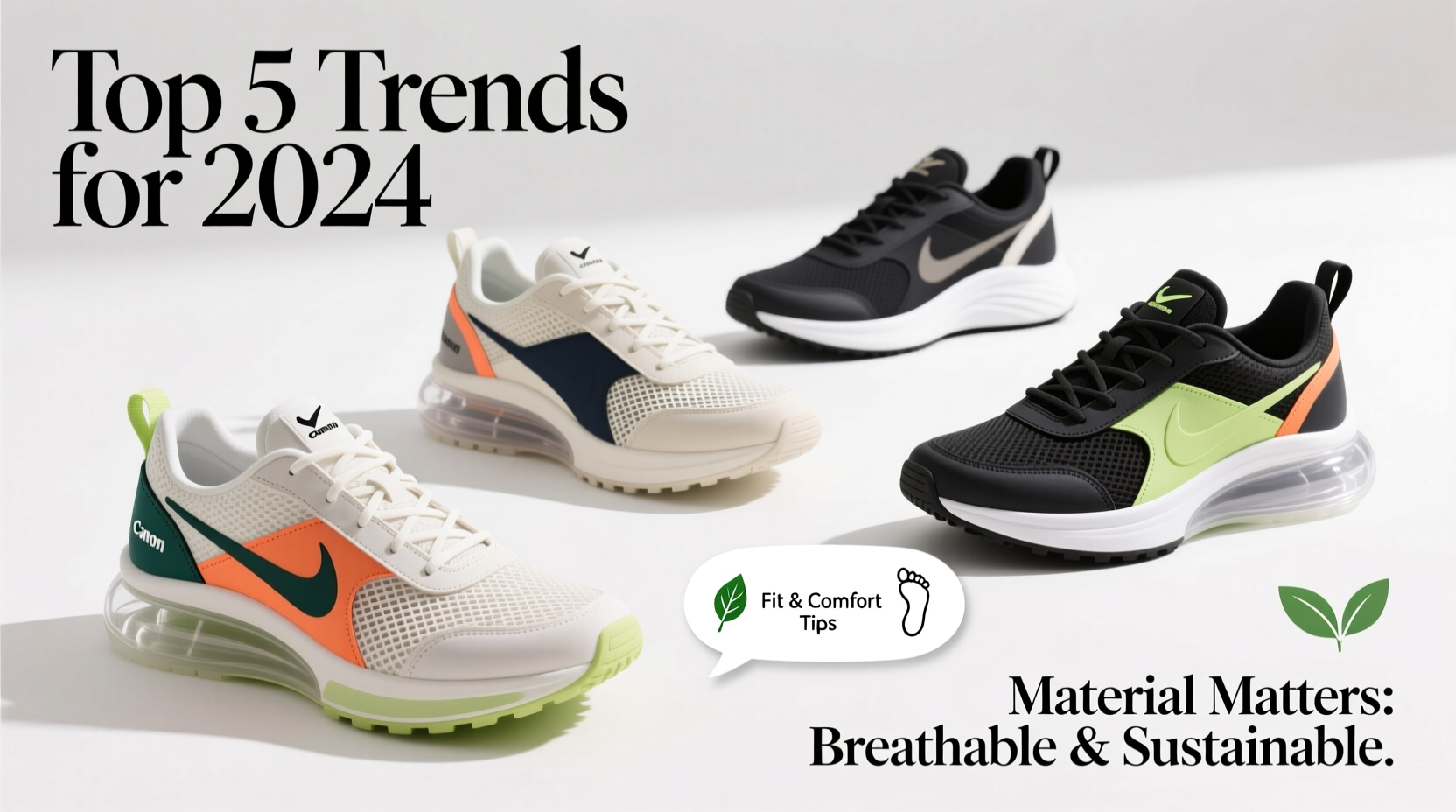
- Minimalist Silhouettes: Clean lines, low profiles, and neutral color palettes (white, sand, olive) dominate 2024’s top picks.
- Color Blocking: Bold contrasts like navy-and-lime or coral-and-gray add flair without looking costume-like.
- Textured Uppers: Knit weaves, ripstop nylon, and laser-cut patterns enhance visual interest while improving airflow.
- Retro-Inspired Designs: Vintage runners from the '90s and early 2000s are back, updated with modern cushioning tech.
When balancing aesthetics and utility, ask: Does this shoe support my foot *and* suit my wardrobe? The ideal pair transitions seamlessly from a morning jog to brunch with friends.
Step-by-Step Guide to Buying the Right Pair
Follow this timeline to ensure you make an informed, satisfying purchase:
- Week 1: Assess Your Needs – List your primary activities, typical terrain, and any foot conditions (e.g., flat feet, overpronation).
- Week 2: Research Top Models – Read reviews on trusted sites like Runner’s World, Wirecutter, or expert YouTube channels focusing on footwear.
- Week 3: Try Before You Buy – Visit a specialty store late in the day when feet are slightly swollen, mimicking real-world conditions.
- Week 4: Test Them Out – Walk, jog, or climb stairs in the store. Pay attention to heel slippage, toe space, and arch alignment.
- Final Step: Break Them In Gradually – Wear new shoes for short durations before committing to long runs or intense sessions.
Comparison Table: Top Summer Sports Shoe Categories
| Category | Best For | Material Focus | Price Range | Durability Estimate |
|---|---|---|---|---|
| Performance Runners | Daily jogging, road races | Engineered mesh, Flyknit | $100–$160 | 300–500 miles |
| Lifestyle Trainers | Casual wear, light gym work | Knit, synthetic leather | $70–$120 | 1–2 years (moderate use) |
| Aqua Shoes | Beaches, kayaking, pool decks | Neoprene, TPU mesh | $40–$80 | 1–3 seasons |
| Cross-Trainers | HIs workouts, circuit training | Hybrid mesh-rubber | $90–$140 | 6–12 months (frequent use) |
Real Example: How Sarah Found Her Perfect Summer Sneakers
Sarah, a 32-year-old fitness instructor from Austin, TX, needed a versatile shoe for her outdoor boot camps and weekend hikes. She initially bought a sleek-looking model online based on Instagram ads, but within two weeks, she developed heel pain. After consulting a physical therapist, she learned the shoe lacked rearfoot stability and had poor shock absorption.
She returned the shoes and visited a local running store. Using a gait analysis tool, staff recommended a lightweight trainer with a breathable upper and medial support. The new pair—though less flashy—felt secure, stayed cool in 95°F heat, and matched her athleisure outfits. Six months later, they remain her go-to choice.
Checklist: What to Verify Before Buying
- ✅ At least half-inch space between longest toe and shoe end
- ✅ Heel locks securely without slipping
- ✅ Arch support matches your foot type (flat, neutral, high)
- ✅ Upper feels soft yet structured—no pinching or rubbing
- ✅ Sole bends naturally at the ball of the foot
- ✅ Color and design coordinate with at least three outfits
- ✅ Includes warranty or return policy if buying online
Frequently Asked Questions
Can I wear fashion sneakers for actual workouts?
Only if they meet functional criteria like cushioning, flexibility, and support. Most purely fashion-forward sneakers lack proper biomechanics for repetitive impact. Check product specs carefully—don’t assume style equals performance.
How often should I replace summer sports shoes?
Every 300–500 miles for runners; every 6–12 months for regular gym or casual use. Signs of wear include flattened midsoles, uneven tread, or recurring foot fatigue. Rotate between two pairs to extend lifespan.
Are expensive shoes worth it?
Not always—but higher-priced models often use superior materials, advanced cushioning systems (like Boost, React, or ZoomX), and undergo rigorous testing. If you're active daily, investing in quality pays off in comfort and injury prevention.
Final Thoughts: Step Into Summer With Confidence
Choosing the right summer sports shoes isn't just about chasing trends—it's about making smart decisions that support your body, enhance your performance, and reflect your personal style. Whether you're pounding pavement, lifting weights, or strolling through farmers' markets, the perfect pair exists. Take time to evaluate your needs, try options thoughtfully, and don’t compromise on fit. When form meets function, your footwear becomes more than an accessory—it becomes an extension of your active life.
🚀 Ready to upgrade your summer rotation? Share your favorite sports shoe brand or tip in the comments below—let’s help others step into comfort and style!








