For outdoor enthusiasts, a reliable travel mug is more than a convenience—it’s a necessity. Whether you're sipping coffee at sunrise beside a mountain lake or warming your hands with tea after a cold hike, the right travel mug ensures your beverage stays at the ideal temperature while surviving rugged conditions. But not all mugs are built for the trail. Choosing the best one requires understanding durability, insulation, portability, and usability in the wild. This guide breaks down the essential features and real-world considerations to help you make an informed decision.
Durability: Built to Withstand the Elements
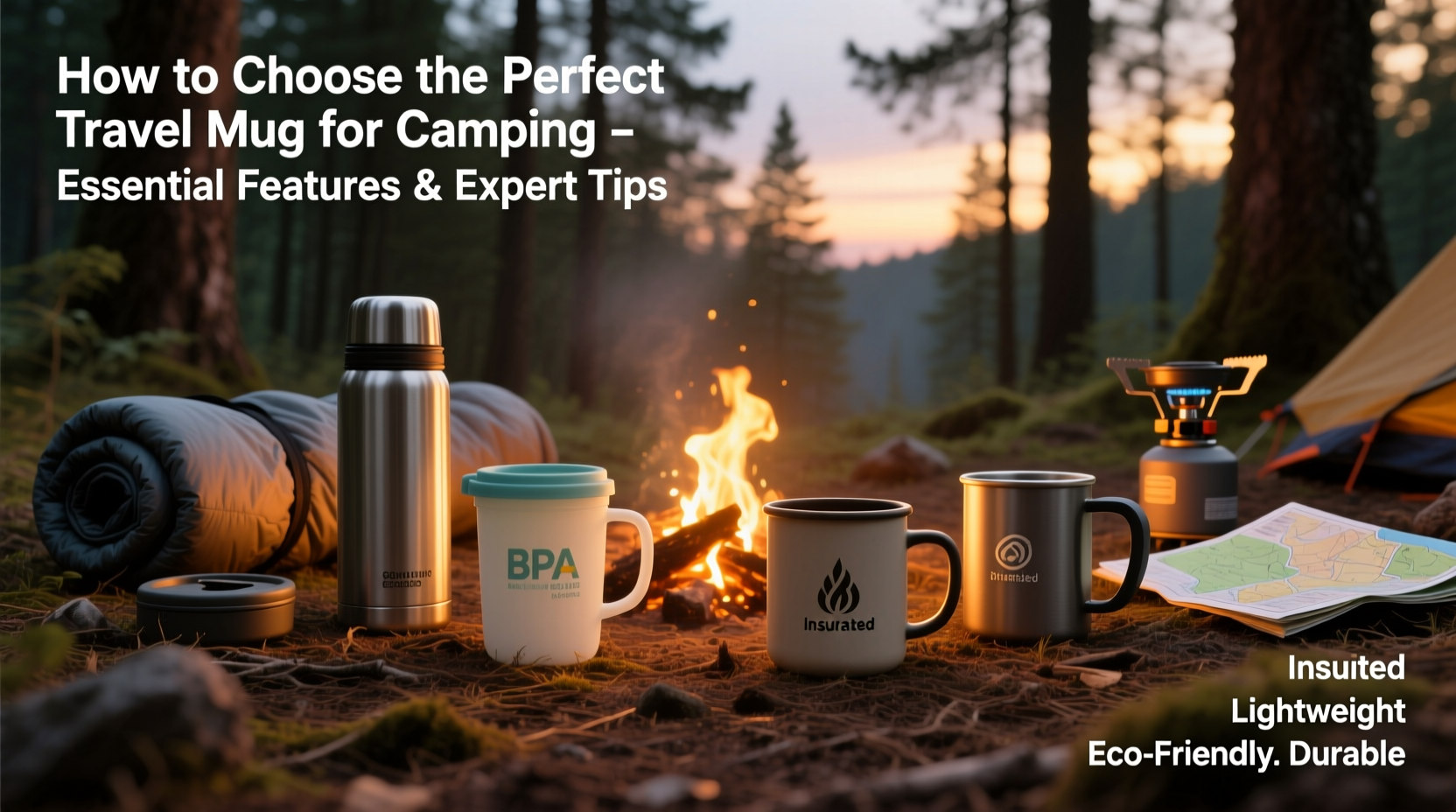
Camping environments are unpredictable. Mugs may get knocked over on rocky terrain, tossed into a backpack, or exposed to rain and dirt. A flimsy design won’t last long. Look for mugs made from high-grade stainless steel—specifically 18/8 or 304 food-grade stainless steel—which resists corrosion, dents, and scratches.
Plastic models might be lighter, but they’re prone to cracking under pressure or developing odors over time. Double-wall construction adds structural strength and improves insulation, making it a standard feature in quality camping mugs.
Tip: Avoid mugs with painted exteriors—they tend to chip during transport. Opt for powder-coated finishes that resist wear without compromising grip.Insulation Performance: Keeping Drinks Hot or Cold for Hours
Temperature retention is critical when you’re miles from the nearest power outlet. Vacuum-insulated mugs outperform single-wall or foam-insulated models by creating a near-perfect thermal barrier. The best options keep liquids hot for 12+ hours and cold for up to 24 hours.
When evaluating insulation, check third-party testing data if available. Real-world performance can vary based on pre-heating or pre-chilling the mug before use. For example, rinsing the interior with boiling water before adding coffee can extend heat retention by several hours.
“Vacuum insulation isn’t just about thickness—it’s about the seal integrity. A poorly sealed double wall will lose heat fast, no matter the material.” — Jordan Lee, Outdoor Gear Engineer
Lid Design and Leak Resistance
A leak-proof lid isn’t optional; spilled coffee in a backpack can ruin electronics, clothing, or sleeping gear. However, “leak-proof” doesn’t always mean “spill-proof.” Some mugs claim to be leak-resistant but fail when tipped sideways or dropped.
Look for lids with silicone gaskets and secure locking mechanisms. Twist-lock or push-button lids offer quick access while minimizing accidental openings. Consider whether you prefer a wide mouth for easy cleaning or a narrow sip opening to reduce splashes.
Also, evaluate how easily the lid disassembles. Complex lids with multiple small parts are hard to clean in the field and may trap bacteria or mold if not dried properly.
| Lid Type | Pros | Cons |
|---|---|---|
| Twist-Open | Secure seal, minimal spills | Slower to open with gloves |
| Push-Button | One-handed operation | May leak if button fails |
| Screw-On with Sip Cap | Highly durable, easy to clean | Less convenient for frequent sipping |
Portability and Ergonomics
Weight and size matter when every ounce counts. Most camping mugs range from 10 to 16 ounces (300–475 ml), striking a balance between capacity and packability. Larger mugs may hold more, but they take up valuable space and add unnecessary weight.
Ergonomic features like nonslip bases prevent tipping on uneven surfaces. Some mugs include integrated handles or carabiner clips for attaching to packs. Others are designed to fit standard cup holders—a useful feature if you're driving to your campsite.
Consider whether the mug fits comfortably in your hand, especially with gloves on. Textured finishes improve grip in wet or cold conditions.
Step-by-Step Guide: How to Test a Travel Mug Before Buying
- Check materials: Confirm it’s made from food-grade stainless steel with BPA-free plastic components.
- Test the lid: Shake the closed mug over a sink to see if any liquid escapes.
- Measure insulation: Fill with boiling water, close tightly, and measure temperature after 6 and 12 hours.
- Assess ease of cleaning: Disassemble the lid and check if parts fit in a standard bottle brush.
- Simulate use: Open and close the lid repeatedly with one hand to gauge usability while cooking or hiking.
Real-World Example: Sarah’s Backcountry Coffee Routine
Sarah, an experienced backpacker in the Pacific Northwest, used to carry a lightweight plastic mug. It cracked during her second trip and couldn’t retain heat beyond 30 minutes. After switching to a 12-ounce vacuum-insulated stainless steel mug with a twist-lock lid, she noticed immediate improvements.
She now preheats her mug with boiling water while preparing oatmeal. By the time she pours in her instant coffee, the mug maintains a drinkable temperature for over 8 hours—even in sub-40°F weather. The rubberized base keeps it upright on sloped tent floors, and the compact size fits perfectly in her side pocket.
“It’s small enough to pack, tough enough to drop, and keeps my morning brew hot until lunch,” she says. “I didn’t realize how much a good mug could impact morale until I had one.”
Essential Features Checklist
- ✅ Double-wall vacuum insulation
- ✅ Food-grade stainless steel construction
- ✅ Leak-resistant lid with silicone seal
- ✅ Capacity between 10–16 oz (300–475 ml)
- ✅ Nonslip, stable base
- ✅ Easy-to-clean design (minimal crevices)
- ✅ Comfortable grip and one-handed operation
- ✅ Durable finish resistant to chipping
Frequently Asked Questions
Can I put my camping travel mug in the freezer?
No. Freezing liquids expands and can damage the vacuum seal or crack internal walls, especially in double-wall mugs. Always follow manufacturer guidelines, but as a rule, avoid freezing insulated mugs.
Are all stainless steel mugs dishwasher safe?
Many are, but hand washing is recommended—especially for the lid components. Dishwasher detergents can degrade rubber seals and discolor coatings over time. If using a dishwasher, place the mug on the top rack and avoid high-heat drying cycles.
How do I remove stubborn coffee stains or odors?
Mix warm water with baking soda or white vinegar, let it sit for 30 minutes, then scrub with a soft bottle brush. Rinse thoroughly. Avoid bleach or abrasive cleaners that can damage the interior finish.
Final Thoughts: Invest in Functionality, Not Just Looks
The perfect camping travel mug blends form and function. It should survive drops, maintain temperature through changing conditions, and fit seamlessly into your outdoor routine. While aesthetics matter, prioritize performance-tested materials, proven insulation, and thoughtful design details that enhance usability in the field.
Don’t settle for a mug that looks great on a shelf but fails on the trail. Use the checklist and tips in this guide to evaluate options critically. Your morning ritual in the wilderness deserves better.
💬 Found your ideal camping mug? Share your experience or recommend a model in the comments below—help fellow adventurers stay warm and caffeinated!








