Hiking demands precision, preparation, and reliable gear. Among the most valuable tools in a hiker’s kit is a high-performance sports watch. More than just a timepiece, today’s hiking watches offer GPS navigation, altitude tracking, weather resistance, and real-time health monitoring. With so many models on the market, selecting the ideal one can be overwhelming. This guide cuts through the noise, helping you evaluate key features, understand your needs, and ultimately choose a watch that enhances safety, performance, and enjoyment on the trail.
Understand Your Hiking Needs and Environment
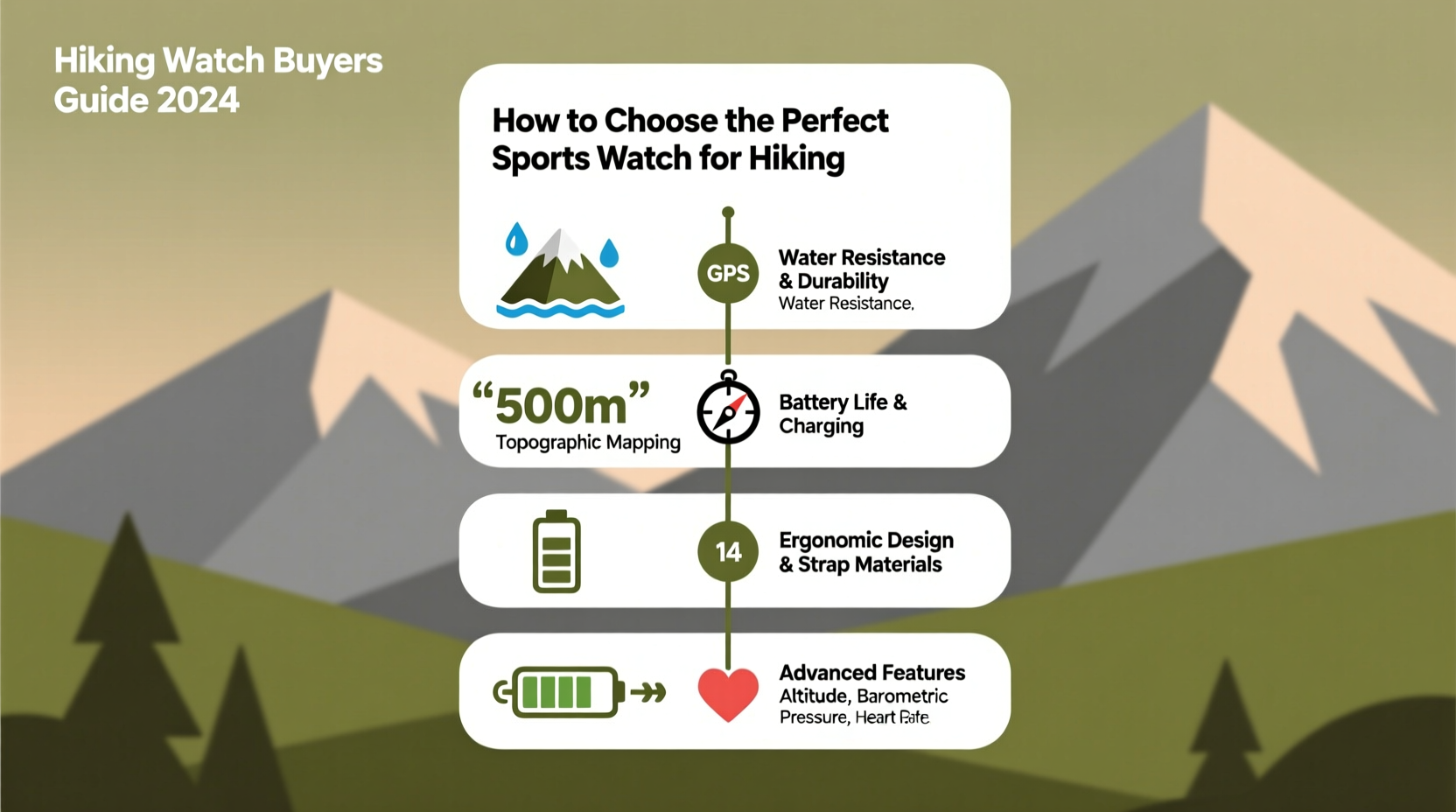
The first step in choosing a sports watch isn’t comparing brands—it’s assessing your typical hiking conditions. Are you navigating dense forests with limited GPS signal? Do you backpack for multiple days at high altitudes? Or are you an occasional weekend hiker exploring well-marked trails?
Your environment shapes what features matter most. For example, a casual day hiker might prioritize comfort and battery life, while a backcountry explorer needs rugged construction, barometric altimeter accuracy, and offline topographic maps. Consider:
- Trail difficulty: Technical terrain requires more advanced navigation tools.
- Duration of hikes: Multi-day treks demand extended battery life or solar charging.
- Weather exposure: Watches must withstand rain, dust, extreme temperatures, and humidity.
- Navigation reliance: If you depend on digital maps over paper, GPS accuracy becomes critical.
Key Features to Evaluate in a Hiking Sports Watch
Not all sports watches are built for the same purpose. To find the right one, focus on these core capabilities:
GPS Accuracy and Navigation Tools
Precise GPS tracking ensures you stay on route and can retrace your steps if needed. Look for watches with multi-band or dual-frequency GPS, which maintain signal integrity under tree cover or in canyons. Models supporting GLONASS, Galileo, or BeiDou satellite systems improve location accuracy globally.
Top-tier hiking watches also include downloadable topographic maps, breadcrumb trails, and route planning sync from apps like Komoot or Gaia GPS.
Battery Life and Charging Options
Battery longevity varies dramatically—from 20 hours in full GPS mode to over 100 days in smartwatch mode. Solar-powered models, such as those in Garmin’s Instinct or Fenix lines, extend usability on long trips without access to power.
Consider:
- How often you’ll charge the device.
- Whether you need GPS always-on or only intermittently.
- If solar charging is worth the added cost and weight.
Durability and Environmental Resistance
A hiking watch must endure scrapes, moisture, temperature swings, and shock. Look for:
- MIL-STD-810 certification: Indicates resistance to drops, thermal stress, and vibration.
- Water resistance: Minimum 5 ATM (50 meters), but 10 ATM is better for swimming or river crossings.
- Materials: Fiber-reinforced polymer cases, sapphire crystal glass, and corrosion-resistant straps increase longevity.
Health and Performance Monitoring
While not essential for all hikers, metrics like heart rate, blood oxygen (SpO2), and altitude acclimatization alerts can be lifesavers in high-elevation environments. Pulse oximeters help detect early signs of altitude sickness, while hydration and recovery time suggestions support long-term trail health.
“On high-altitude treks, real-time SpO2 and elevation data aren’t luxuries—they’re safety tools.” — Dr. Lena Torres, Wilderness Medicine Specialist
Comparison Table: Top Hiking Watch Features at a Glance
| Model | GPS Systems | Battery (GPS Mode) | Maps & Navigation | Solar Option | Water Resistance |
|---|---|---|---|---|---|
| Garmin Fenix 7X | GPS, GLONASS, Galileo, QZSS | 79 hours | Full-color topo maps, route planning | Yes | 10 ATM |
| Coros Vertix 2 | Dual-frequency GPS, BeiDou | 75 hours | Preloaded topo maps, offline routing | Yes | 10 ATM |
| Suunto 9 Baro | GPS, GLONASS | 25 hours | MoveCount app integration, basic maps | No | 100m |
| Casio Pro Trek Smart | GPS, QZSS | 12 hours | Smartphone-dependent, limited offline | No | 50m |
| Apple Watch Ultra 2 | GPS, GLONASS, Galileo | 36 hours | Backtrack, waypoint marking, third-party apps | No | 100m |
Step-by-Step Guide to Choosing Your Watch
Follow this sequence to narrow down your options efficiently:
- Define your hiking profile: List your average hike length, terrain type, and frequency.
- Set a budget: High-end models exceed $800; mid-range ($400–$600) often offer the best value.
- Prioritize non-negotiables: Battery life? Offline maps? Altitude alerts? Rank these by importance.
- Research compatibility: Ensure the watch syncs with your smartphone OS and preferred mapping apps.
- Test wearability: Visit a store if possible. Check strap comfort, screen readability in sunlight, and button responsiveness with gloves.
- Read user reviews: Focus on long-term feedback about durability and software stability.
- Finalize and test: Use the watch on short hikes before committing to a major trek.
Mini Case Study: Sarah’s Appalachian Trail Prep
Sarah, an experienced hiker preparing for a thru-hike of the Appalachian Trail, initially considered the Apple Watch Ultra 2 for its sleek design and emergency SOS feature. However, after reviewing her needs—150+ days on trail, remote sections with no cell service, and frequent elevation changes—she realized battery life and offline map reliability were paramount.
She switched to the Garmin Epix Gen 2 with solar charging, which offered 34 days of battery in smartwatch mode and full-color topographic maps. During her training hikes, she used the route-back feature when fog obscured the trail and relied on the barometer to anticipate storms. The decision gave her confidence and peace of mind throughout her journey.
Checklist: Must-Have Features for Your Hiking Watch
- ✅ Multi-system GPS (GPS + GLONASS/Galileo)
- ✅ At least 20 hours of battery in GPS mode
- ✅ Barometric altimeter and compass
- ✅ Preloaded or downloadable topographic maps
- ✅ Water resistance of 5 ATM or higher
- ✅ Durable casing (MIL-STD-810 preferred)
- ✅ Sunrise/sunset times and moon phase data
- ✅ Emergency functions (SOS, incident detection)
- ✅ Smartphone notifications (optional but useful)
- ✅ Comfortable, breathable band for long wear
Frequently Asked Questions
Can I use a fitness tracker instead of a dedicated hiking watch?
Basic fitness trackers lack advanced GPS, offline maps, and environmental sensors. While they may track steps and heart rate, they’re not designed for off-grid navigation or prolonged outdoor exposure. For serious hiking, a dedicated sports watch is strongly recommended.
Do I need a touchscreen on a hiking watch?
Touchscreens can be unreliable with wet or gloved hands. Many top hiking watches combine touch with physical buttons for reliability in adverse conditions. Models like the Garmin Fenix series offer both, giving users flexibility depending on the situation.
Are expensive hiking watches worth the investment?
For frequent or technical hikers, yes. Premium watches deliver superior build quality, longer battery life, better GPS accuracy, and enhanced safety features. Over years of use, the cost per hike becomes minimal, and the added security is invaluable.
Conclusion: Make Your Next Hike Safer and Smarter
Choosing the perfect sports watch for hiking isn’t about chasing the latest model or most features—it’s about matching technology to your real-world needs. Whether you're summiting alpine peaks or enjoying forest trails, the right watch acts as a silent partner: guiding your path, monitoring your health, and keeping you connected to the elements around you.
🚀 Ready to upgrade your hiking gear? Revisit this guide, assess your next adventure, and invest in a watch that doesn’t just tell time—but helps you conquer the trail.








