Fried fish is a beloved staple across cuisines—from British fish and chips to Southern-style catfish and Japanese tempura. But what separates a good piece of fried fish from a truly great one? The answer lies in the batter. A well-chosen batter doesn’t just coat the fish—it transforms it, delivering a crisp outer shell that crackles with each bite while sealing in moisture and enhancing flavor. Not all batters are created equal, and selecting the right one can make or break your dish.
The ideal fried fish batter balances texture, taste, and performance under heat. Too thick, and it becomes doughy; too thin, and it won’t adhere properly. The wrong ingredients can mute the fish’s natural flavor or leave behind a greasy aftertaste. This guide breaks down everything you need to know to select and use the best batter for consistently crispy, flavorful fried fish.
Understanding the Role of Batter in Fried Fish
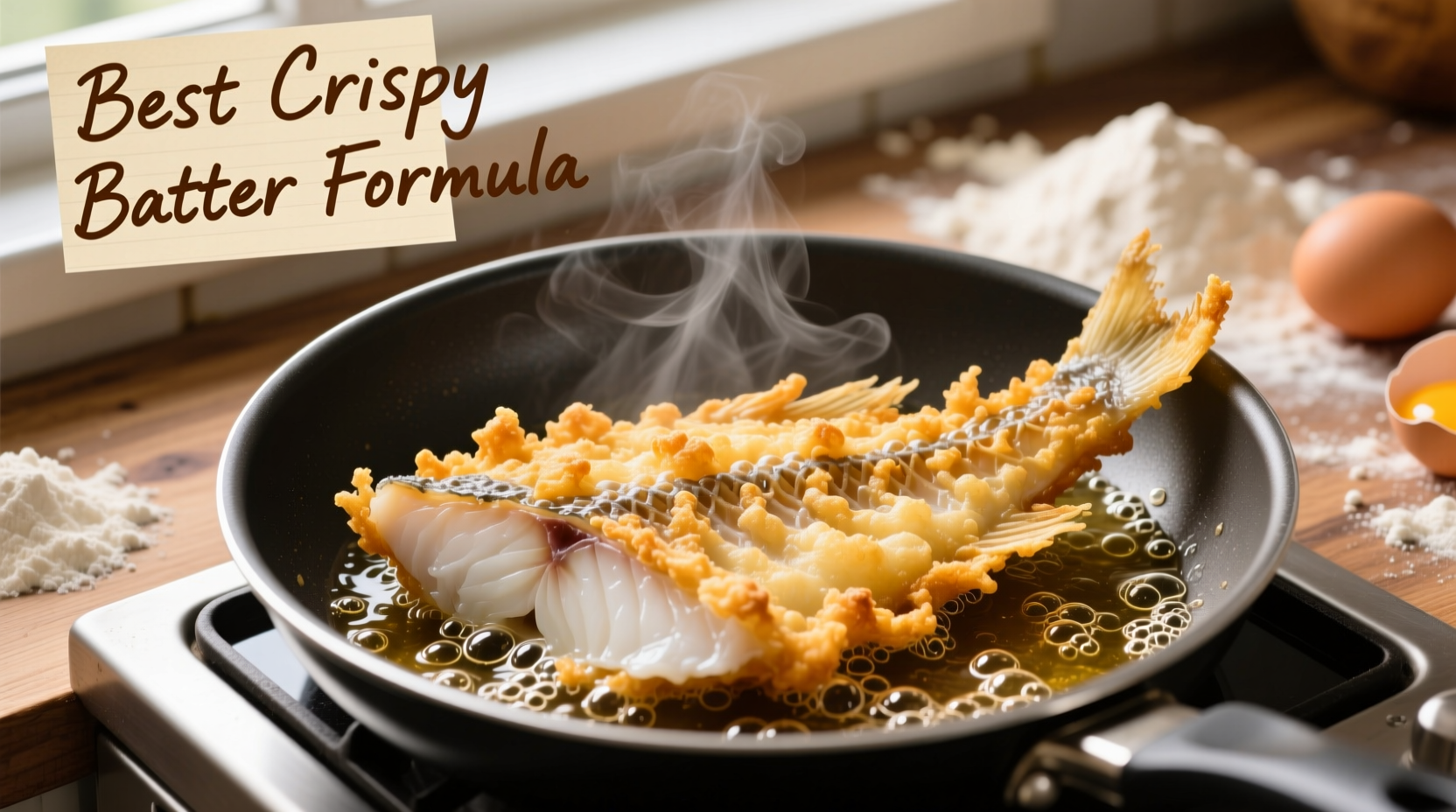
Batter does more than just fry—it acts as a protective layer that locks in moisture, prevents overcooking, and contributes significantly to mouthfeel and taste. When heated, the starches in the batter gelatinize, forming a rigid but porous crust. Simultaneously, water in the batter evaporates, creating steam that helps lift the coating away from the fish, contributing to crispiness.
Different types of batters interact uniquely with oil and fish. Some rely on carbonation for lightness, others on gluten development for structure. The choice depends on the type of fish, frying method (deep, shallow, or air-frying), and desired outcome—whether that’s a delicate lace-like crunch or a hearty golden shell.
Tip: Always pat fish fillets dry before battering—excess moisture causes splattering and prevents proper adhesion.Types of Batters and Their Best Uses
There are three primary categories of batters used in frying fish: beer batter, tempura-style, and flour-based dredge. Each has distinct characteristics and ideal applications.
| Batter Type | Texture & Crispness | Best For | Key Ingredients |
|---|---|---|---|
| Beer Batter | Thick, crunchy, slightly chewy | White fish (cod, haddock), fish and chips | All-purpose flour, beer, egg, salt |
| Tempura | Light, lacy, ultra-crisp | Delicate fish (tilapia, sole), Asian-style dishes | Cornstarch, cake flour, ice water, egg white |
| Flour Dredge + Egg Wash | Medium crisp, flaky exterior | Heartier fish (catfish, snapper), pan-frying | Flour, egg, milk, seasoning |
Beer batter, thanks to carbonation and alcohol, produces a bubbly, airy crust that browns beautifully. Tempura relies on minimal mixing and cold liquid to prevent gluten formation, yielding a feather-light finish. The dredge method, though not technically a “batter,” offers excellent control and consistent browning, especially when double-dipped.
How to Choose Based on Flavor and Texture Goals
Selecting the best batter starts with defining your end goal. Are you aiming for maximum crunch? Opt for a beer batter with a higher flour-to-liquid ratio. Want something refined and elegant? Tempura is unmatched. Cooking for a crowd and need reliability? A seasoned flour dredge delivers consistent results.
- For bold flavor: Use dark beer or add spices like paprika, garlic powder, or Old Bay seasoning to beer batter.
- For maximum crisp: Keep tempura batter icy cold and mix only until just combined—overmixing activates gluten and toughens the crust.
- For gluten-free options: Substitute rice flour or chickpea flour into any recipe; both fry up crisp and neutral in flavor.
- To reduce oil absorption: Add a tablespoon of vodka to the batter—alcohol evaporates faster than water, leaving behind a drier, crisper crust.
“Crispy fried fish isn’t about heaviness—it’s about contrast. The outside should shatter, the inside should stay tender. That balance starts with the batter.” — Chef Marcus Lin, Seafood Specialist at Ocean & Vine
Step-by-Step Guide to Perfect Batter Application
Even the best batter fails if applied incorrectly. Follow this sequence for flawless results:
- Prepare the fish: Cut into even portions and pat thoroughly dry with paper towels.
- Season simply: Lightly salt the fish at least 10 minutes before frying to enhance flavor without drawing out too much moisture.
- Set up a dredging station: Use three bowls—one with flour, one with beaten egg (or buttermilk), and one with prepared batter or additional seasoned flour.
- Dredge in order: Coat fish in flour first (this creates a base), then dip in egg wash, then transfer to batter or re-coat in flour for extra crunch.
- Rest briefly: Let coated fish sit for 5–10 minutes. This helps the coating set and reduces oil splatter.
- Fry at the right temperature: Maintain oil between 350°F and 375°F. Use a thermometer for accuracy—too cool leads to greasiness; too hot burns the outside before the inside cooks.
- Drain properly: Place fried fish on a wire rack over a tray, never directly on paper towels, to preserve crispness.
Real Example: Upgrading a Home Kitchen Classic
Sarah, a home cook in Charleston, had long struggled with soggy fried catfish. She used a basic cornmeal dredge, but the coating often fell off or turned pasty. After researching batter science, she switched to a hybrid method: a light flour dusting, egg wash, then a final coat of seasoned cornmeal mixed with a bit of baking powder. She also started chilling the coated fish for 15 minutes before frying.
The result? A dramatically crispier crust that stayed intact through serving. By adjusting her technique—not just the ingredients—she achieved restaurant-quality texture. Her secret? “I realized the batter wasn’t the problem—the process was.”
Common Mistakes and How to Avoid Them
- Overmixing the batter: Leads to gluten development and a tough, bread-like coating. Mix until just combined—lumps are fine.
- Frying at inconsistent temperatures: Causes oil absorption and uneven cooking. Use a heavy pot and avoid overcrowding the pan.
- Using warm batter: Heat accelerates gluten formation and reduces crispness. Keep batter cold, especially for tempura.
- Battering too far in advance: Moisture migrates into the coating, making it soggy. Batter immediately before frying.
Quick Checklist: Choosing Your Ideal Batter
Use this checklist before starting:
- ☐ Identify the type of fish (delicate vs. firm)
- ☐ Decide on texture (light/crisp vs. thick/crunchy)
- ☐ Check available ingredients (beer, cornstarch, etc.)
- ☐ Consider dietary needs (gluten-free, low-sodium)
- ☐ Prepare all components ahead of time (mise en place)
- ☐ Preheat oil to correct temperature
- ☐ Have a draining setup ready (wire rack + oven for keeping batches warm)
FAQ
Can I use soda or sparkling water instead of beer?
Yes. Carbonated liquids mimic beer’s leavening effect. Use chilled sparkling water or lemon-lime soda for a sweeter note. Avoid flat liquids—they won’t create the same airy texture.
Why does my batter fall off during frying?
This usually happens due to excess moisture on the fish or skipping the flour-first step. Ensure the fish is dry, use a proper dredging sequence, and let the coated fish rest before frying.
How do I keep fried fish crispy for serving?
Serve immediately. If holding, place on a wire rack in a 200°F oven. Avoid covering or stacking, which traps steam and softens the crust.
Final Thoughts and Next Steps
Choosing the best fried fish batter isn’t about following a single recipe—it’s about understanding how ingredients and techniques interact to create texture and flavor. Whether you’re frying cod for a Friday night meal or preparing delicate sole for guests, the right batter elevates the entire experience.
Start with a proven formula, then experiment: swap in different flours, try various liquids, adjust seasonings. Take notes on what works. Over time, you’ll develop a go-to method tailored to your taste and kitchen setup.
💬 What’s your favorite batter trick or recipe? Share your experiences in the comments—your insight could help others achieve their crispiest, most flavorful fried fish yet!








