Selecting the right running apparel goes far beyond style or brand loyalty. The clothes you wear can significantly impact your stride, endurance, body temperature regulation, and overall enjoyment of the run. Whether you're logging miles on city sidewalks or tackling rugged trails, the wrong fabric, fit, or design can lead to chafing, overheating, or restricted movement. Understanding what makes high-performance running gear stand out is essential for both beginners and seasoned runners alike.
Understand the Role of Fabric Technology
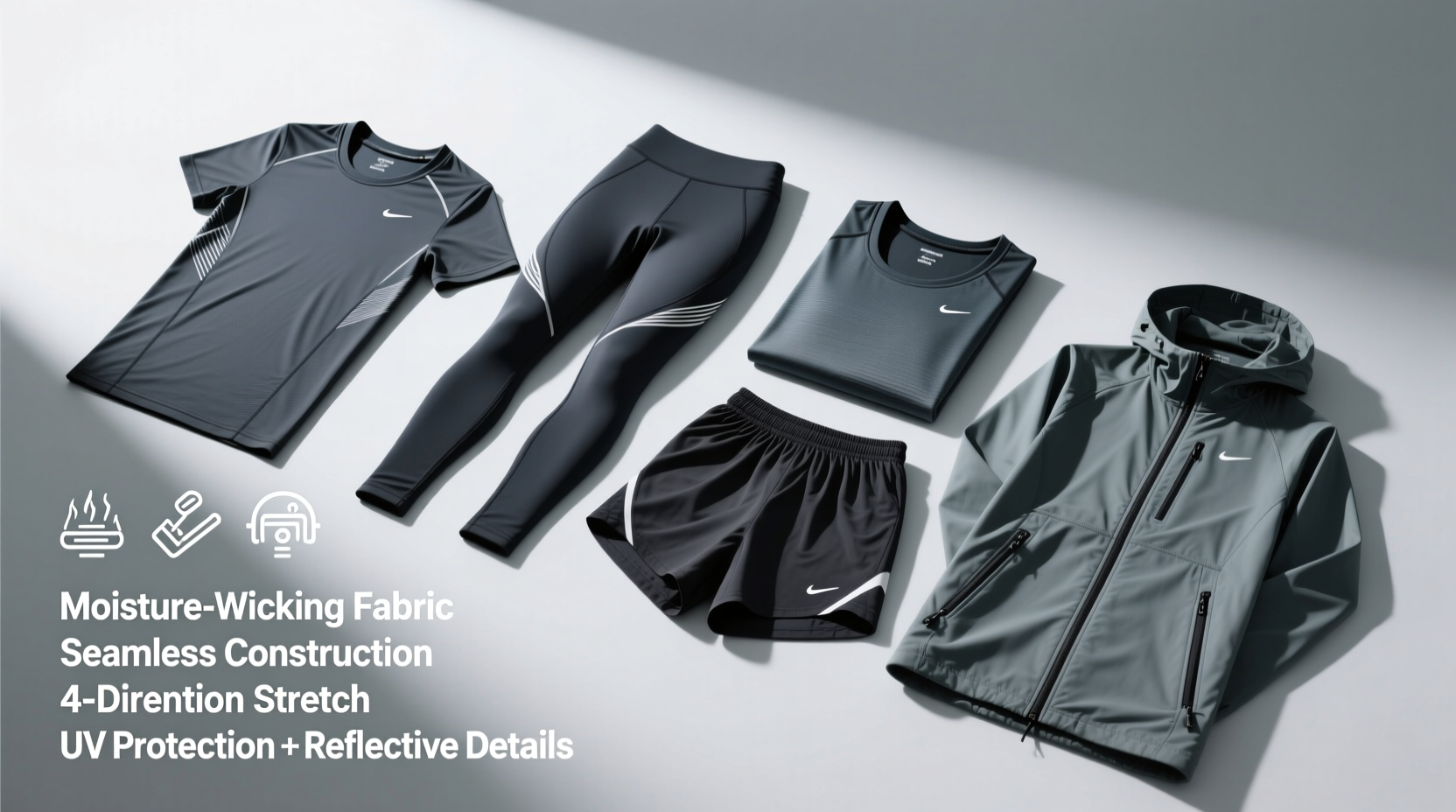
The foundation of any effective running outfit lies in its fabric. Unlike cotton, which absorbs moisture and stays wet, technical fabrics are engineered to manage sweat, regulate temperature, and maintain comfort over long distances.
Synthetic materials like polyester, nylon, and spandex dominate the running apparel market due to their moisture-wicking properties. These fabrics pull sweat away from the skin and allow it to evaporate quickly, keeping you dry even during intense efforts. Many brands also incorporate antimicrobial treatments to reduce odor buildup after repeated use.
Tip: Avoid 100% cotton at all costs—it traps moisture, increases friction, and raises the risk of chafing.Some advanced options include merino wool blends, especially for cooler weather. Merino is naturally breathable, temperature-regulating, and odor-resistant, making it ideal for long runs or multi-day events. While more expensive than synthetics, it offers a sustainable alternative with excellent performance.
Fabric Comparison Table
| Fabric Type | Moisture Wicking | Breathability | Durability | Best For |
|---|---|---|---|---|
| Polyester | High | High | Very High | All conditions, especially hot weather |
| Nylon | Moderate | Moderate | High | Outer layers, wind resistance |
| Spandex/Elastane | Low (blended only) | Moderate | Moderate | Compression and flexibility |
| Merino Wool | High | High | Moderate | Cool to cold weather, long-distance runs |
| Cotton | None | Low | Low when wet | Avoid for running |
Fit Matters: Balance Mobility and Support
A proper fit ensures freedom of movement without excess fabric flapping or restrictive tightness. Too loose, and you’ll deal with drag and irritation; too tight, and circulation or breathing may be compromised.
For tops, aim for a close-to-body fit that allows full arm extension and shoulder rotation. Look for set-in or raglan sleeves—raglan seams (diagonal from neck to underarm) reduce chafing during repetitive motion. Women should consider sports bras integrated into tank tops or shirts designed specifically for high-impact support.
Running shorts and tights require strategic compression. Light compression improves blood flow and reduces muscle fatigue, but excessive tightness can cause discomfort. Flatlock seams minimize abrasion, while gusseted crotches enhance mobility in tights.
“Fit is not about size—it’s about function. A runner needs garments that move *with* the body, not against it.” — Dr. Lena Torres, Sports Biomechanics Specialist
Checklist: How to Evaluate Fit Before Buying
- Perform a squat test to check range of motion in leggings or shorts
- Lift arms overhead to ensure shirt doesn’t ride up excessively
- Walk or jog in place to detect rubbing or bunching
- Check seam placement—avoid center-back or inner-thigh seams that may chafe
- Ensure waistbands stay secure without digging in
Weather-Specific Considerations
Your environment dictates the layering strategy and material weight. Running in 90°F (32°C) humidity demands different gear than a winter trail session at 20°F (-6°C).
In warm climates, prioritize lightweight, breathable fabrics with UV protection. Mesh panels under arms or along the spine enhance ventilation. Light-colored clothing reflects sunlight, reducing heat absorption.
Cold weather calls for layering: a moisture-wicking base layer, an insulating mid-layer (fleece or thermal weave), and a windproof, water-resistant outer shell. Avoid cotton at every level. Look for thumbholes in base layers to protect wrists and zippers with garage finishes to prevent chin abrasion.
Tip: Follow the \"onion principle\" – dress as if it’s 15–20°F warmer than it actually is; your body heats up quickly once moving.Real Example: Trail Runner in Variable Conditions
Jamal, an ultramarathoner training in the Pacific Northwest, faces unpredictable weather. During a recent 20-mile loop, temperatures dropped from 55°F to 38°F with light rain. His setup—a merino blend base layer, lightweight windbreaker, and water-resistant tights—kept him dry and mobile. He credits his layering system for avoiding hypothermia and maintaining pace through changing conditions.
Key Features That Enhance Performance
Beyond fabric and fit, small design elements make a big difference in real-world use.
- Pockets: Look for secure, bounce-free storage—zippered side pockets, rear stash pockets, or built-in bra compartments for keys, gels, or phones.
- Reflective Details: Essential for early morning or evening runs. Reflective logos, trims, or prints increase visibility without sacrificing style.
- Vents and Mesh Zones: Strategically placed breathable panels help dump excess heat during hard efforts.
- Seamless Construction: Reduces friction points, especially beneficial for long-distance runners prone to chafing.
- Antimicrobial Treatment: Helps keep gear fresher between washes—ideal for race kits or travel.
Gender-specific designs also matter. Women’s cuts typically account for narrower shoulders, wider hips, and bust support needs. Men’s shorts often include supportive liners to eliminate the need for additional underwear.
Frequently Asked Questions
Do I need special running underwear?
Most technical running shorts come with built-in liners that provide support and moisture management. If wearing separate underwear, choose seamless, moisture-wicking styles made from performance fabric—never cotton. Some runners prefer going commando in lined shorts to reduce layers and potential friction.
How often should I replace my running apparel?
There’s no fixed timeline, but signs of wear include loss of elasticity, pilling, persistent odor despite washing, or visible thinning. High-use items like base layers or socks may need replacing every 6–12 months. Proper care—cold washing, air drying, avoiding fabric softeners—can extend lifespan significantly.
Are expensive running clothes worth it?
Not always, but investment pieces often offer better durability, fit precision, and advanced fabric technology. Entry-level options can perform well, but critical runners benefit from features like targeted compression, superior wicking, and ergonomic patterning found in premium brands.
Step-by-Step Guide: Choosing Your Ideal Running Outfit
- Assess the weather: Determine temperature, humidity, wind, and precipitation.
- Select your base layer: Always moisture-wicking—short or long sleeve depending on climate.
- Add insulation if needed: Fleece or thermal mid-layer for cold conditions.
- Choose outer protection: Windproof or waterproof shell for harsh elements.
- Pick bottoms: Shorts, tights, or pants based on leg coverage and warmth needs.
- Consider accessories: Hat, gloves, arm sleeves, or sunglasses as required.
- Test before race day: Wear the full ensemble on a short run to check comfort and fit.
Final Thoughts
Choosing the right running apparel isn’t about chasing trends—it’s about optimizing your physical experience mile after mile. When your clothes work with your body instead of against it, you run more efficiently, recover faster, and enjoy the process more. By focusing on technical fabrics, intelligent design, and proper fit, you equip yourself for success regardless of distance or terrain.
🚀 Ready to upgrade your running game? Audit your current wardrobe using the checklist and fabric guide above. Replace one piece at a time with performance-focused gear and feel the difference on your next run.








