In the evolving landscape of casual wear, few garments have risen to prominence quite like the humble sweatpant. Once relegated to gym bags and laundry days, sweatpants now occupy center stage in both athletic performance and urban fashion. But not all sweatpants are created equal—especially when it comes to the clash between hip hop sweatpants and athletic sweatpants. One prioritizes swagger and self-expression; the other champions function and precision. So, which truly wins when comfort and street cred are on the line?
The answer isn’t as simple as picking a side. It depends on context, personal values, and what you're trying to achieve—whether that’s dominating the block or the track. Let’s break down the differences, strengths, and cultural significance of each to determine where they shine—and where they fall short.
Defining the Two Styles
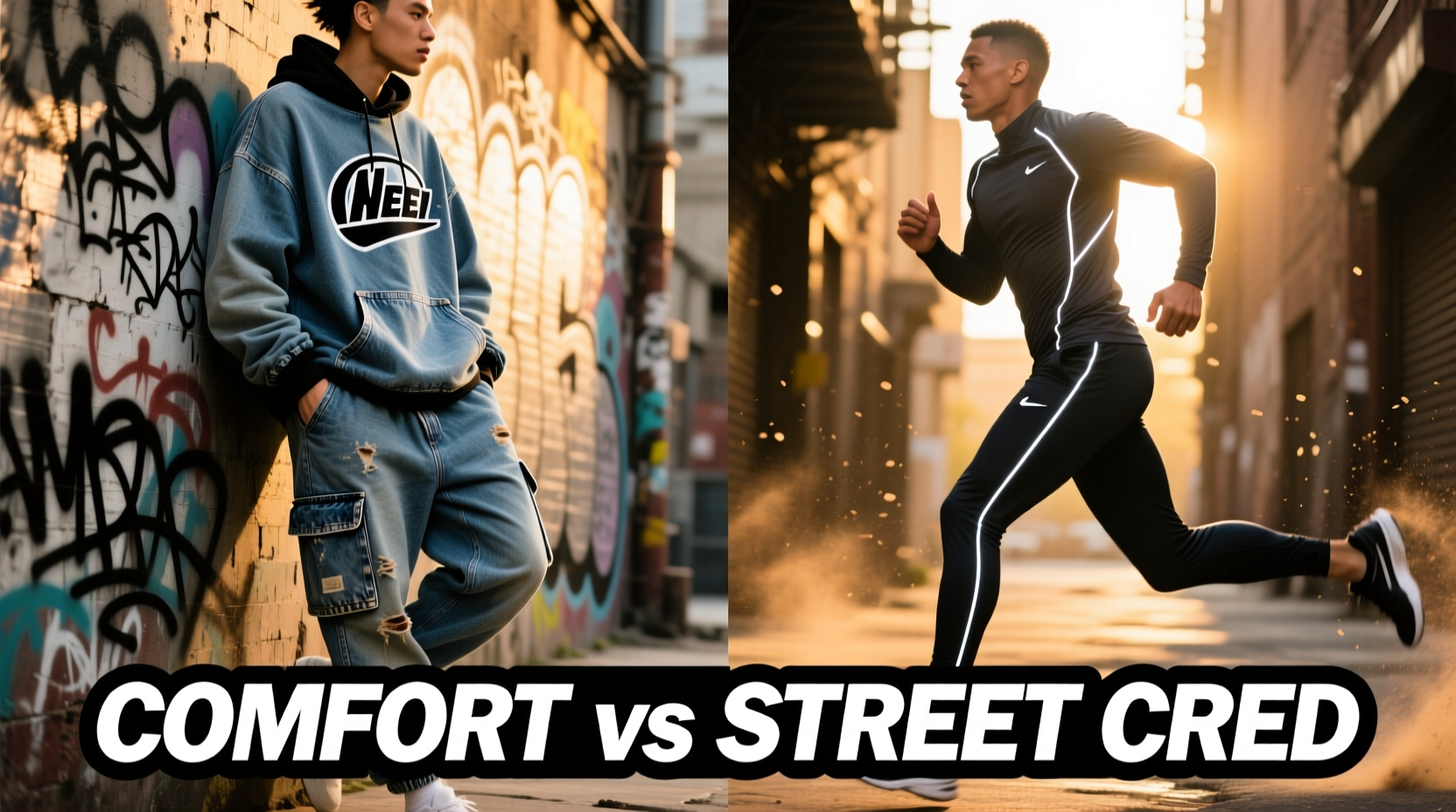
Hip hop sweatpants emerged from 1980s and 1990s urban streetwear culture. Baggy, relaxed, and often oversized, they were worn low on the hips with bold logos, drawstrings, and exaggerated silhouettes. Brands like Karl Kani, FUBU, and later Sean John helped cement their status as symbols of identity and resistance. Today, modern interpretations from labels like Fear of God, Corteiz, and Brain Dead continue this legacy with premium fabrics and avant-garde tailoring.
Athletic sweatpants, by contrast, are engineered for movement. Designed by sportswear giants like Nike, Adidas, and Lululemon, these pants prioritize moisture-wicking materials, tapered legs, articulated knees, and stretch fabric. They’re built for running, training, or post-workout lounging—not necessarily for turning heads on a downtown stroll.
The divide is more than just cut and fabric—it’s philosophy. Hip hop sweatpants say, “I exist boldly.” Athletic sweatpants say, “I perform efficiently.” But can one pair do both?
Comfort: Fabric, Fit, and Functionality
When evaluating comfort, three factors dominate: material, fit, and freedom of movement.
- Fabric: Hip hop styles typically use heavyweight cotton fleece or French terry—soft, warm, and cozy but prone to overheating. Athletic versions lean into synthetic blends (polyester-spandex) that wick sweat and regulate temperature.
- Fit: Baggy vs. slim. Hip hop pants allow full leg extension without restriction, ideal for lounging or expressive gestures (like dance moves). Athletic cuts offer compression and structure, reducing fabric drag during motion.
- Mobility: While loose pants feel liberating, excess fabric can bunch at the ankles. Tapered athletic designs eliminate this issue but may feel restrictive to those used to roomy fits.
Comparative Breakdown: Comfort Features
| Feature | Hip Hop Sweatpants | Athletic Sweatpants |
|---|---|---|
| Fabric Weight | Heavyweight cotton blend | Light to mid-weight synthetic |
| Breathability | Moderate (can trap heat) | High (moisture-wicking) |
| Range of Motion | Excellent (loose fit) | Good (stretch panels) |
| Pocket Utility | Large side pockets, back pockets | Zippered or secure mesh pockets |
| Seasonal Versatility | Better for cool weather | Suitable year-round |
Street Credibility: Culture, Identity, and Visibility
Street credibility isn't earned through technical specs—it's cultivated through cultural resonance. And here, hip hop sweatpants hold undeniable advantage.
From Run-D.M.C. rocking Adidas tracksuits to Tupac’s iconic baggy denim-and-sweat combo, hip hop has long used clothing as a form of storytelling. Sweatpants became armor—a rejection of formal dress codes and a declaration of autonomy. Wearing oversized pants wasn't just fashion; it was political.
“Clothing in hip hop has always been about visibility and voice. When you wear those wide-leg sweats, you’re not just dressing—you’re representing.” — Dr. Malik Jones, Cultural Historian & Author of *Threads of Rebellion*
Athletic sweatpants, while widely accepted, lack that narrative depth. They signal activity, not attitude. You can wear Nike Tech Fleece to the gym, office, or airport—but it won’t spark conversation about identity. In contrast, a pair of distressed, logo-heavy hip hop sweatpants immediately communicates allegiance to a subculture.
That said, modern athletes like LeBron James and Odell Beckham Jr. have blurred the lines, wearing designer joggers off the field with jewelry and designer jackets. This crossover proves that athletic wear can gain street cred—but only when styled intentionally within a broader aesthetic framework.
Real-World Scenario: The Weekend Street Festival
Consider Marcus, a 26-year-old creative based in Brooklyn. He’s attending a local music festival—part concert, part pop-up market, part social showcase. His goal: look sharp, stay comfortable, and connect with peers in the scene.
He tries two outfits:
- Outfit A: Black Nike Pro Joggers, white sneakers, hoodie. Clean, athletic, put-together.
- Outfit B: Olive green oversized sweatpants with cargo detailing, chunky boots, layered chains, graphic tee.
At the event, Outfit B draws compliments and conversations. People ask where he got the pants. A local artist invites him to an afterparty. Meanwhile, no one notices his athletic look—even though it’s technically superior in terms of fabric tech.
The takeaway? In environments where self-expression matters, hip hop sweatpants win by default. They’re designed to be seen, remembered, and emulated.
Can You Have Both? The Rise of Hybrid Designs
As fashion converges with function, a new category has emerged: the hybrid sweatpant. These styles borrow elements from both worlds—roomy through the seat, tapered at the ankle, made from breathable cotton-blend fabrics with subtle branding.
Brands like Alo Yoga, Noah, and even Uniqlo have released models that walk the line between lounge and lifestyle. They feature:
- Mid-weight fleece with slight stretch
- Elasticated cuffs with zippers
- Minimalist branding (no loud logos)
- Pockets designed for phones and wallets
These hybrids work well for city dwellers who want comfort without sacrificing polish. They’re ideal for coffee runs, weekend errands, or casual meetups where you don’t want to look “too sporty” or “too flashy.”
Tip: Look for sweatpants with gusseted crotches and flatlock seams—they reduce chafing and increase durability during daily wear.Choosing What’s Right: A Practical Checklist
Still unsure which style suits your needs? Use this checklist to decide:
- Do you value self-expression over technical performance? → Hip hop sweatpants
- Will you be walking long distances or exercising? → Athletic sweatpants
- Is your environment fashion-forward or creatively charged? → Hip hop sweatpants
- Do you prioritize wrinkle resistance and easy care? → Athletic sweatpants
- Are you building a capsule wardrobe with versatile basics? → Hybrid model
- Do you want people to remember how you dressed? → Hip hop sweatpants
FAQ
Can I wear athletic sweatpants to a streetwear event?
You can, but they may come across as underdressed unless elevated with statement footwear, accessories, or layering pieces. Pair them with limited-edition sneakers and a bold jacket to boost credibility.
Are hip hop sweatpants appropriate for travel?
Yes, especially if comfort is your priority. However, be mindful of bulk—oversized legs can get caught in transit or feel cumbersome on long flights. Opt for slightly slimmer cuts if mobility is key.
Do luxury brands make authentic hip hop-style sweatpants?
Yes. Labels like Balmain, Off-White, and Dior have released high-end versions with exaggerated fits and symbolic details. While expensive, they bridge underground roots with runway prestige.
Final Verdict: Comfort and Credibility Aren’t Mutually Exclusive
If comfort alone were the deciding factor, the vote would be split—each style excels in different conditions. But when street credibility enters the equation, hip hop sweatpants pull decisively ahead. They carry history, attitude, and cultural weight that athletic models simply can’t replicate.
That doesn’t mean athletic sweatpants are obsolete. They serve a vital role in active lifestyles and minimalist aesthetics. But for those seeking to make a statement—to stand out, represent, and command presence—hip hop sweatpants remain unmatched.
The future belongs not to one style over the other, but to informed choices. Wear athletic pants when performance matters. Choose hip hop styles when identity does. And when possible, explore the growing world of hybrids that honor both principles.
💬 What’s your go-to sweatpant style? Share your favorite brand, fit, or styling trick in the comments—help others find the perfect balance of comfort and credibility.








