Hiking with your dog transforms a simple trail walk into a shared adventure rooted in trust, stamina, and mutual enjoyment. But unlike human hikers, dogs can't voice their discomfort until it's too late. That’s why preparation is non-negotiable. A well-planned outing isn’t just about scenic views or summit selfies—it’s about ensuring your four-legged partner stays hydrated, protected, and injury-free from trailhead to homecoming.
Dogs face unique risks on the trail: overheating, paw injuries, dehydration, ticks, and sudden wildlife encounters. Without the right gear, even a short hike can turn dangerous. This guide compiles expert-backed essentials, practical tips, and real-world insights to help you equip yourself—and your dog—for safe, enjoyable hikes in any terrain.
Why Proper Gear Matters for Canine Hikers
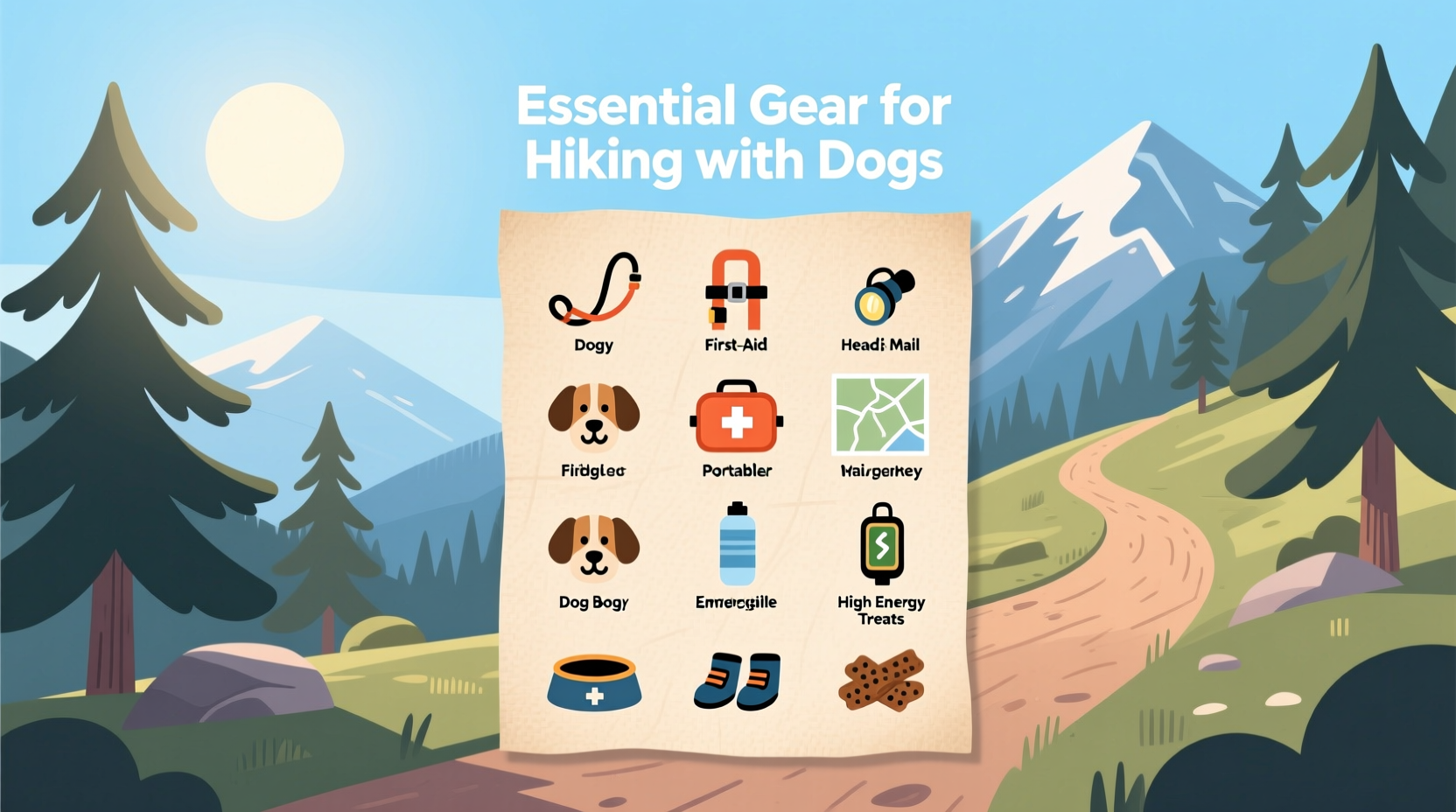
Dogs are built for movement, but domestication has softened their natural resilience. Most breeds lack the thick paw pads of wild canines, and many aren’t acclimated to extreme temperatures or rugged terrain. A 2022 study by the American Veterinary Medical Association found that over 60% of hiking-related dog injuries were preventable with proper preparation and equipment.
Essential gear does more than protect—it enhances communication, mobility, and emergency readiness. For example, a well-fitted harness allows better control on steep trails, while a hydration system prevents heat exhaustion during summer hikes. The wrong collar or ill-timed water breaks can lead to tracheal damage or heatstroke, especially in brachycephalic breeds like Bulldogs or Pugs.
“Dogs don’t sweat like humans. They rely on panting and paw pad evaporation to cool down. On hot days, inadequate hydration and poor footwear can lead to rapid overheating.” — Dr. Lena Reyes, Veterinary Sports Medicine Specialist
Core Gear Checklist: What You Must Pack
Every dog owner should treat trail prep like backcountry camping: assume nothing will be available once you’re off-grid. Below is a comprehensive checklist tailored specifically for canine companions.
Tip: Always pack an extra set of supplies for your dog—especially water and first aid items. Emergencies often double your needs.Dog-Specific Essentials
- Well-Fitted Harness: Choose a padded, breathable design with a rear leash attachment and front clip for control. Avoid collars for active hiking—they can strain the neck.
- Leash (and Backup): Bring a standard 6-foot leash and a hands-free waist leash. Retractable leashes are unsafe on trails due to entanglement and lack of control.
- Dog Backpack: For dogs over 30 lbs, a balanced backpack lets them carry their own food, water, and waste bags—lightening your load and increasing engagement.
- Paw Protection: Rugged terrain, sharp rocks, and hot surfaces demand durable booties. Look for Vibram-soled options with ankle support.
- Hydration System: Collapsible bowls are common, but consider a pressurized dog water bottle for easier access. Aim for 8 oz of water per mile in warm weather.
- Dog First Aid Kit: Include gauze, antiseptic wipes, tweezers, tick remover, vet wrap, and a cold pack. Add any breed-specific medications.
- Waste Bags: Pack out all waste. Use biodegradable bags and a sealed container to avoid odor and contamination.
- ID Tags & Microchip Info: Even if your dog is microchipped, attach a tag with your phone number and emergency contact.
Human Support Items
- Trekking poles (for stability when managing your dog)
- Multi-tool with scissors (to cut tangled leashes or remove debris from paws)
- Emergency blanket (doubles as a makeshift stretcher if needed)
- Whistle or GPS tracker (attach to dog’s harness for quick location)
- High-calorie treats (for energy boosts or reward-based trail training)
Do’s and Don’ts: Trail Behavior and Safety
Even with perfect gear, poor decisions can compromise safety. The table below outlines critical behaviors to adopt—or avoid—on the trail.
| Do’s | Don’ts |
|---|---|
| Do check trail regulations—some parks require dogs to be leashed at all times. | Don’t let your dog drink from stagnant ponds or streams—risk of giardia is high. |
| Do test booties at home before the hike to prevent trail resistance. | Don’t push through limping or excessive panting—stop and assess. |
| Do practice recall commands in distraction-heavy environments. | Don’t allow sniffing or chasing wildlife—this can trigger aggression or injury. |
| Do bring shade—a portable canopy or UV-protective dog coat helps in open areas. | Don’t hike during peak heat; aim for early morning or late afternoon. |
A Day in the Field: Real Hiking Scenario
Meet Jake and Luna, a Colorado-based duo who learned the hard way about preparedness. Last summer, they attempted a 7-mile loop in Rocky Mountain National Park on a 90°F day. Luna, a 45-pound Australian Shepherd mix, wore a standard collar and no booties. By mile four, she was limping—the rocky descent had worn through her paw pads. With no first aid supplies, Jake wrapped her feet in his socks and carried her the remaining two miles.
The vet diagnosed second-degree abrasions and mild dehydration. Total cost: $280 in treatment. The experience prompted Jake to overhaul his kit. Now, he uses a Ruffwear Front Range harness, brings collapsible bowls, packs paw balm, and checks weather conditions rigorously. “I thought she was tough enough,” he said. “But ‘tough’ doesn’t matter if you’re not prepared.”
This scenario underscores a broader truth: confidence without preparation leads to risk. Trails don’t forgive oversights.
Step-by-Step: Pre-Hike Preparation Timeline
Follow this timeline in the 24–48 hours before your hike to ensure both you and your dog are ready.
- 48 Hours Before: Inspect all gear—check for frayed leashes, leaks in water bottles, and worn bootie treads. Wash and dry any used items.
- 24 Hours Before: Charge GPS trackers or tags. Confirm weather forecasts and trail alerts (e.g., closures, fire bans).
- 12 Hours Before: Trim your dog’s nails to prevent splitting. Brush thick coats to reduce matting and overheating.
- 2 Hours Before: Feed a light meal. Never hike on a full stomach—bloat risk increases with exertion.
- 30 Minutes Before: Apply tick repellent (dog-safe only), attach ID tags, and do a final gear check using your checklist.
- At the Trailhead: Let your dog relieve themselves. Offer a small drink of water and inspect paws for debris before starting.
Frequently Asked Questions
How much water should my dog drink on a hike?
A general rule is 8–12 ounces of water per mile for moderate activity in temperate weather. In heat or high elevation, increase to 16 oz per mile. Offer water every 30 minutes, even if your dog doesn’t appear thirsty. Dehydration signs include dry gums, lethargy, and reduced urination.
Are dog booties really necessary?
Yes, in many cases. Booties protect against hot pavement (asphalt hits 140°F at 85°F air temp), sharp rocks, ice melt chemicals, and thorny brush. They also improve traction on slippery slopes. Introduce them gradually—start with 10-minute indoor wear and build up.
What should I do if my dog gets injured on the trail?
Stop immediately. Assess the injury: if it’s minor (small cut, limp), clean it with antiseptic wipes and wrap with vet wrap. For serious injuries (bleeding, inability to walk), immobilize the area, keep your dog calm, and evacuate. Use your whistle to signal for help if alone. Always carry cash or a credit card for unexpected vet visits post-hike.
Final Thoughts: Adventure Responsibly
Hiking with your dog is one of the purest forms of connection—between species, self, and nature. But freedom demands responsibility. Every piece of gear you pack, every precaution you take, reflects your commitment to your dog’s well-being.
Start small. Test your kit on local trails before attempting long backcountry routes. Monitor your dog’s behavior closely—fatigue, reluctance to move, or excessive licking of paws are early warning signs. Adapt your plans when needed. The best hikers aren’t those who conquer the hardest trails, but those who return safely, together.
💬 Ready to hit the trail? Print this checklist, customize it for your dog’s breed and needs, and share your favorite hiking tip in the comments. Let’s build a safer, smarter community of canine adventurers.








