The fashion world has long danced between nostalgia and utility, and few trends highlight this tension better than the clash between the Hello Kitty hat and the baseball cap. One carries decades of pop culture charm, the other a legacy of sportswear practicality. But as Hello Kitty hats flood social media and streetwear collections, questions arise: Is this trend just a playful phase for children, or has it earned its place alongside the timeless baseball cap? To understand the real value behind the hype, we need to look beyond aesthetics and examine functionality, cultural significance, and evolving fashion norms.
Origins and Cultural Significance
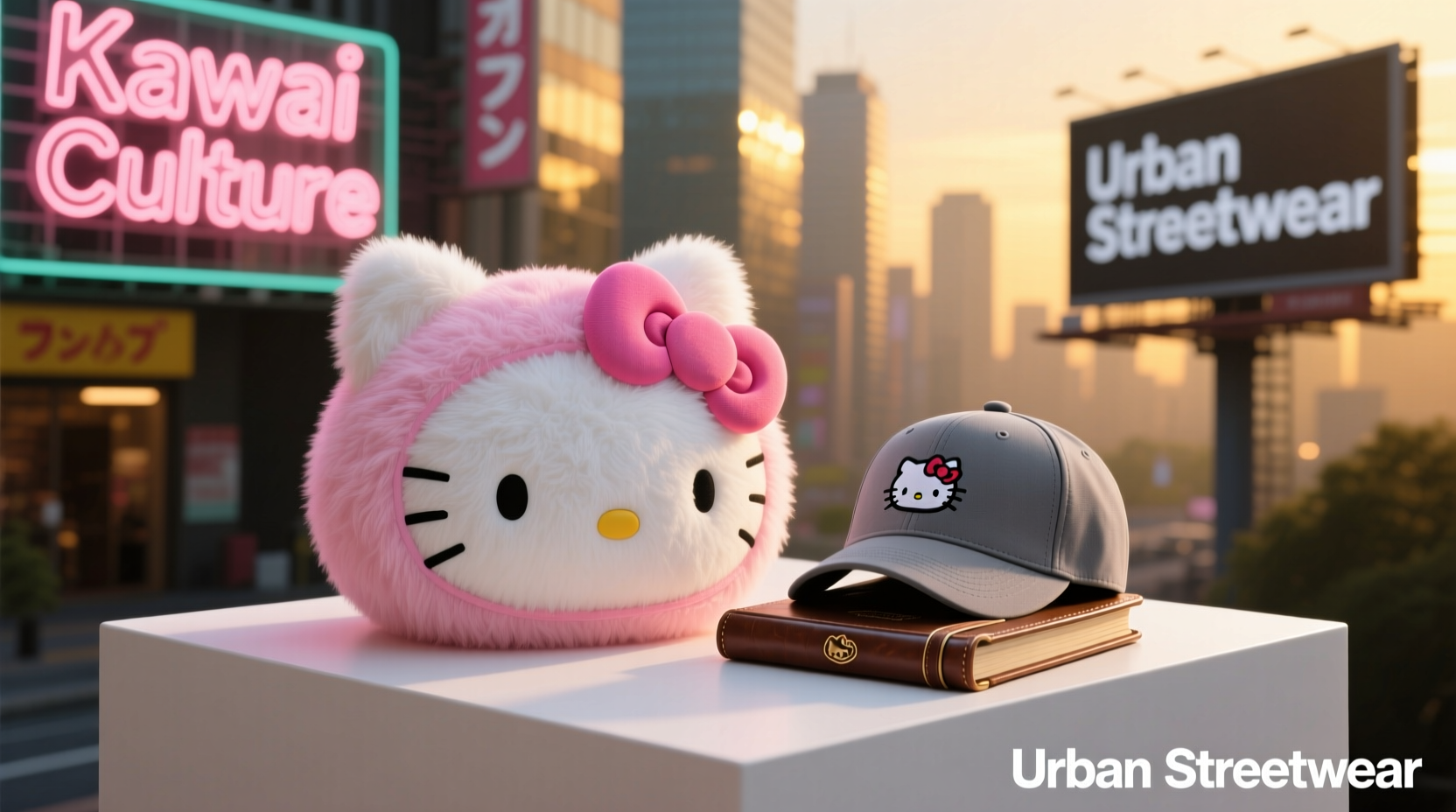
The Hello Kitty brand emerged in 1974 under Sanrio, initially as a character on a coin purse. Over time, she evolved into a global icon representing kawaii (cute) culture—a movement deeply rooted in Japanese aesthetics that celebrates innocence, simplicity, and emotional comfort. Hello Kitty merchandise, including hats, appeals not only to children but also to adults seeking nostalgic connection or self-expression through whimsy.
In contrast, the baseball cap originated in the late 19th century as functional headwear for athletes. Its design—structured crown, curved brim, and adjustable strap—was engineered for sun protection and team identification. By the 1980s, it had transcended sports, becoming a staple in casual and urban fashion. The cap symbolizes practicality, neutrality, and understated cool.
While the baseball cap speaks to tradition and versatility, the Hello Kitty hat leans into emotion and identity. This fundamental difference shapes how each is perceived across age groups and social contexts.
“Fashion isn’t just about utility—it’s about storytelling. Hello Kitty allows wearers to signal warmth, playfulness, or even rebellion against minimalist trends.” — Lena Park, Cultural Stylist & Trend Analyst
Design and Functionality Compared
At first glance, both hats serve similar purposes: shielding eyes from sunlight, completing an outfit, and expressing personal style. However, their design philosophies diverge sharply.
| Feature | Hello Kitty Hat | Baseball Cap |
|---|---|---|
| Primary Material | Polyester, cotton blends with embroidery or appliqué | Cotton, wool, performance fabrics |
| Fit Style | Often one-size, elasticated, or adjustable with cute closures | Adjustable strap, snapback, or fitted options |
| Sun Protection | Limited; brim often smaller or stylized | Effective; wide, structured brim |
| Durability | Moderate; decorative elements may fray | High; designed for repeated outdoor use |
| Style Expression | Emotive, nostalgic, bold | Neutral, sporty, minimalist |
The baseball cap excels in durability and weather resistance, making it ideal for outdoor activities. It integrates seamlessly into nearly any wardrobe, from gym attire to smart-casual ensembles. Meanwhile, the Hello Kitty hat prioritizes visual impact. Its oversized bows, embroidered faces, or pastel hues are less about concealment and more about declaration: “I embrace joy, cuteness, or childhood nostalgia.”
Tip: If you're new to wearing statement hats, pair a subtle Hello Kitty beanie with neutral layers to balance cuteness with sophistication.Who Wears What—and Why?
Demographics reveal a telling pattern. Baseball caps remain popular across all ages, genders, and regions, particularly among teens and adults who value low-maintenance style. They’re worn by construction workers, hikers, influencers, and CEOs alike—proof of universal adaptability.
Hello Kitty hats, however, see a split. Children wear them freely, drawn to the character’s friendly image. Among adults, adoption is more selective. Women aged 18–35 represent the largest adult consumer group, especially in East Asia and Western fashion-forward cities. For them, the hat isn’t childish—it’s a form of curated self-presentation, often tied to broader kawaii fashion movements like pastel goth or decora.
Mini Case Study: Tokyo Street Style vs. NYC Commuters
In Harajuku, Tokyo, a 24-year-old graphic designer named Aya wears a pink Hello Kitty bucket hat daily. “It matches my phone case, my backpack, my mood,” she says. “People smile when they see it. It’s armor against a serious world.” Her choice reflects intentionality, not immaturity.
Compare that to Manhattan, where 30-year-old software engineer Mark opts for a navy New York Yankees cap. “I don’t think about it. It keeps the sun off, hides messy hair, and goes with everything.” His reasoning is purely utilitarian.
This contrast underscores a key truth: the Hello Kitty hat is often worn *because* it stands out. The baseball cap, by contrast, is chosen because it doesn’t.
Breaking the “Just for Kids” Myth
The idea that Hello Kitty is exclusively for children persists, but it’s increasingly outdated. In Japan, adult women make up over 60% of Sanrio’s consumer base. Collaborations with luxury brands like BT21, Off-White, and Crocs confirm that Hello Kitty has cultural weight beyond youth markets.
Wearing a Hello Kitty hat as an adult challenges rigid norms about maturity and fashion. It aligns with broader shifts toward emotional authenticity in self-expression. Just as tie-dye and cartoon prints have reclaimed space in adult wardrobes, so too can character-driven accessories.
That said, context matters. A Hello Kitty hat might feel out of place in a boardroom, while a baseball cap would still raise eyebrows in formal settings. Yet in creative industries, festivals, or casual meetups, the Hello Kitty hat functions as both fashion statement and conversation starter.
- Adult fans often cite nostalgia, mental health comfort, or artistic identity as reasons for wearing Hello Kitty gear.
- Psychological studies suggest that engaging with “cute” stimuli can reduce stress and improve focus—a phenomenon known as \"kawaii therapy.\"
- Fashion influencers like Emma Chamberlain and Vlogger Rina Sawayama have normalized character-themed accessories in mainstream media.
How to Wear a Hello Kitty Hat Without Looking Out of Place
Integrating a Hello Kitty hat into an adult wardrobe requires balance. Here’s a step-by-step guide to styling it with confidence:
- Start with minimalism. Pair the hat with solid-color clothing—beige, white, black, or gray—to let the accessory shine without overwhelming the look.
- Match the vibe, not the theme. Avoid full-on cartoon outfits. Instead, echo the hat’s color in your shoes or bag for cohesion.
- Choose the right style. Opt for subtler versions: a black beanie with a small Hello Kitty patch, or a denim cap with embroidered side details.
- Confidence is key. Wear it like you meant to—hesitation draws more attention than the hat itself.
- Know your setting. Save bolder designs for casual outings, concerts, or creative workplaces.
FAQ
Is it weird for adults to wear Hello Kitty hats?
Not at all. Fashion is personal. Many adults wear them as a nod to nostalgia, mental well-being, or aesthetic preference. As long as you feel confident, it’s a valid style choice.
Can a Hello Kitty hat be professional?
In most traditional office environments, no. However, in creative fields—graphic design, fashion, entertainment—it can reflect personality and cultural awareness. Use discretion based on workplace culture.
Are Hello Kitty hats durable enough for daily wear?
It depends on the build. Mass-market versions may fray or fade, but higher-end collaborations use quality stitching and materials. Check labels for wash instructions and fabric composition before regular use.
Final Verdict: Hype or Real?
The hype around Hello Kitty hats isn’t manufactured—it’s fueled by genuine cultural resonance. While it may never match the baseball cap’s universality, it fills a different role. The baseball cap solves problems; the Hello Kitty hat expresses feelings. One is a tool, the other a token of identity.
Calling the Hello Kitty hat “just for kids” overlooks its evolution into a symbol of emotional intelligence in fashion. It represents a growing willingness to embrace softness, joy, and individuality—even in adulthood. The trend isn’t replacing the baseball cap; it’s expanding what headwear can mean.
Ultimately, the choice isn’t about which hat is “better,” but which serves your life and self-image more authentically.
💬 Do you wear a Hello Kitty hat—or would you dare? Share your thoughts, styling tips, or favorite combinations in the comments. Let’s normalize fashion that feels good, not just looks good.








