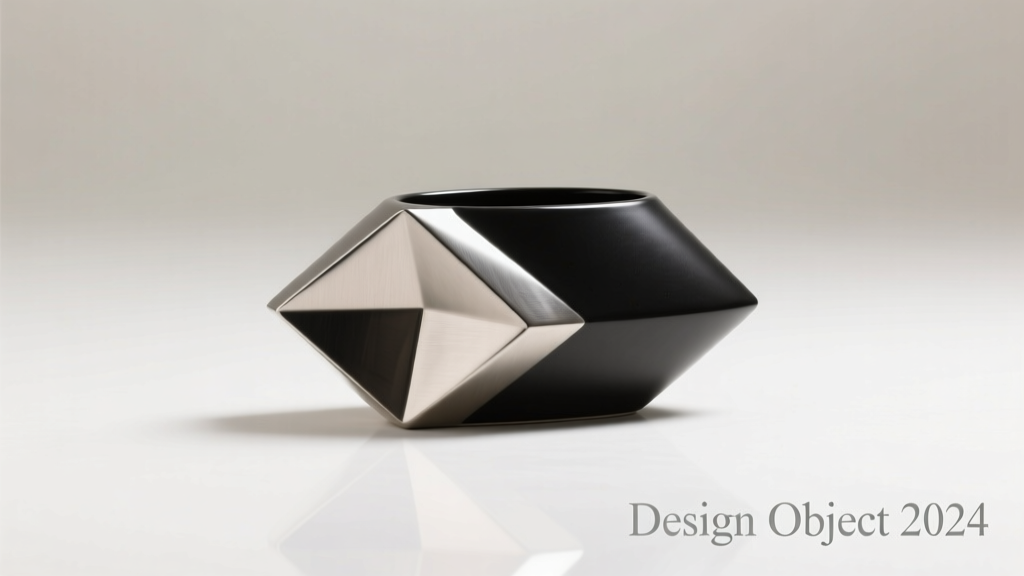
Types of Gold Plating Custom Brackets
Custom brackets have evolved beyond mere functional components into sophisticated design elements. With the advancement of gold plating technology, these brackets now offer a perfect blend of aesthetics, durability, and performance. Gold plating not only enhances the visual appeal with a luxurious finish but also improves corrosion resistance, wear protection, and overall longevity. Whether used in architecture, interior design, electronics, or luxury goods, gold-plated custom brackets serve both form and function.
This guide explores the most common and advanced types of gold-plated custom brackets available today, detailing their materials, plating methods, advantages, and ideal applications.
Gold Anodized Aluminum Brackets
Anodization is an electrochemical process that thickens the natural oxide layer on aluminum, creating a durable, porous surface ideal for coloring. When combined with a gold dye or finish, it results in a striking, corrosion-resistant gold appearance.
Advantages
- Excellent corrosion and wear resistance
- Lightweight yet strong
- Environmentally stable and UV-resistant
- Cost-effective for large-scale applications
Limitations
- Color may fade slightly under extreme UV exposure
- Not as conductive as pure metal plating
- Limited to aluminum substrates
Best for: Architectural fixtures, signage, outdoor installations, and decorative interior hardware
Electroplated Gold Brass Brackets
This method uses an electric current to deposit a thin layer of gold onto a brass substrate. Brass is favored due to its excellent machinability, structural integrity, and natural compatibility with gold plating.
Advantages
- Bright, mirror-like gold finish
- High electrical and thermal conductivity
- Superior adhesion and uniform coating
- Widely used and well-understood process
Limitations
- Requires proper waste management (chemical runoff)
- Thinner plating may wear over time
- Potential for porosity in low-quality plating
Best for: Luxury electronics, high-end furniture, musical instruments, and decorative hardware
Gold PVD-Coated Brackets
Physical Vapor Deposition (PVD) is a high-tech process that vaporizes gold in a vacuum chamber and deposits it atom by atom onto the bracket surface. This results in an extremely durable, uniform, and eco-friendly gold coating.
Advantages
- Exceptional durability and scratch resistance
- Eco-friendly process (no toxic chemicals)
- Precise control over coating thickness
- Consistent, high-gloss finish
Limitations
- Higher initial cost
- Requires specialized equipment
- Limited to components that fit in vacuum chambers
Best for: High-performance automotive trim, luxury watches, medical devices, and aerospace components
Acid Plated Gold Stainless Steel Brackets
Acid gold plating involves immersing stainless steel brackets in an acidic gold solution, enabling a smooth, highly reflective finish. The acidic environment ensures excellent adhesion and a bright, consistent appearance.
Advantages
- Outstanding corrosion resistance
- Bright, reflective, jewelry-grade finish
- High compatibility with precision components
- Ideal for hygienic or sterile environments
Limitations
- More complex process requiring strict control
- Acidic waste requires safe disposal
- Higher production cost than standard plating
Best for: Jewelry displays, watch mechanisms, medical equipment, and precision instruments
Gold Nickel PVD Coated Brackets
This advanced technique applies a nickel underlayer via PVD before depositing the gold coating. The nickel acts as a diffusion barrier and enhances wear resistance, making the final gold layer more durable and long-lasting.
Advantages
- Superior hardness and scratch resistance
- Improved adhesion of gold layer
- Enhanced longevity in high-wear environments
- Consistent, premium finish
Limitations
- Nickel can cause allergic reactions in sensitive individuals
- Not suitable for skin-contact applications
- Higher cost due to multi-layer process
Best for: Industrial components, electronic connectors, and non-skin-contact luxury accessories
| Type | Material Base | Plating Method | Durability | Best Application |
|---|---|---|---|---|
| Gold Anodized Aluminum | Aluminum | Anodization + Dyeing | High | Architectural & outdoor decor |
| Electroplated Gold Brass | Brass | Electroplating | Medium-High | Luxury hardware & electronics |
| Gold PVD-Coated | Various (Steel, Ti, etc.) | PVD | Very High | Precision & high-end devices |
| Acid Plated Stainless Steel | Stainless Steel | Acid Electroplating | High | Jewelry, medical, and instruments |
| Gold Nickel PVD Coated | Steel/Alloys | PVD with Nickel Underlayer | Very High | Industrial & heavy-duty use |
Expert Tip: For applications requiring both durability and hypoallergenic properties, consider using PVD-coated pure gold without a nickel underlayer, especially in medical or wearable devices where skin contact is expected.
How to Choose Gold Plated Custom Brackets: A Comprehensive Guide
Gold-plated custom brackets are more than just functional components—they blend elegance with utility, making them ideal for high-end applications such as jewelry displays, luxury watch cases, premium retail fixtures, and upscale home décor. Their radiant golden finish enhances visual appeal while providing reliable structural support. However, not all gold-plated brackets are created equal. For wholesalers, retailers, and designers, selecting the right product requires careful evaluation of several key factors that impact durability, appearance, and environmental responsibility.
Material Quality: The Foundation of Durability
The base material of a gold-plated bracket plays a critical role in determining its strength, longevity, and resistance to wear and corrosion. A high-quality base metal ensures the plating adheres properly and lasts longer under regular use.
Brass
Widely used in luxury fittings, brass offers excellent machinability, corrosion resistance, and a smooth surface ideal for plating. It provides a solid foundation for gold layers and is commonly found in high-end display hardware.
Stainless Steel
Known for its exceptional strength and resistance to rust and tarnish, stainless steel is perfect for environments with high humidity or frequent handling. While more challenging to plate, it delivers superior durability when properly prepared.
Aluminum
Lightweight and cost-effective, aluminum is suitable for decorative applications where weight is a concern. However, it requires special surface treatment before plating to ensure adhesion and prevent oxidation.
Tip: Always verify the base material with your supplier and request material certifications when ordering in bulk.
Gold Thickness: Measuring Longevity and Value
The thickness of the gold layer directly affects the bracket’s appearance, wear resistance, and lifespan. Gold plating is measured in microns (µm), and industry standards recommend a minimum of 0.5 microns for durable, long-lasting finishes.
| Gold Thickness (Microns) | Typical Use Case | Expected Lifespan |
|---|---|---|
| 0.1 – 0.3 µm | Decorative, low-use items | Short-term (6–12 months) |
| 0.5 – 1.0 µm | Jewelry displays, retail fixtures | 2–5 years with care |
| 1.0 – 2.5 µm | Luxury furniture, high-traffic areas | 5+ years |
| 2.5+ µm | Premium architectural hardware | Decades (near permanent) |
For most commercial applications, aim for at least 0.5 microns. Thicker plating not only lasts longer but also gives a richer, more luxurious appearance.
Plating Technique: Ensuring a Lasting Finish
The method used to apply the gold layer significantly impacts quality, adhesion, and resistance to fading or peeling. Outdated or low-cost techniques often result in uneven coatings that degrade quickly.
Electroplating
A traditional method where gold ions are deposited onto the base metal using an electric current. Cost-effective but can produce inconsistent thickness and is prone to flaking if not done properly.
Electroforming
An advanced form of electroplating that builds up thicker, more uniform layers. Ideal for high-wear applications and offers superior durability compared to standard plating.
PVD (Physical Vapor Deposition)
A cutting-edge, eco-friendly process that vaporizes gold in a vacuum chamber and bonds it at the molecular level. PVD coatings are extremely durable, scratch-resistant, and offer consistent color and thickness.
Recommendation: Prioritize suppliers who use PVD or electroforming techniques, especially for high-end or frequently handled products.
Bracket Design: Functionality Meets Aesthetics
Custom brackets are available in a wide range of designs to suit both functional and artistic needs. From minimalist lines to intricate ornamental patterns, the design should complement the intended application.
When ordering custom brackets, provide detailed specifications or CAD files to ensure precision and consistency in production.
Eco-Friendly Practices: Sustainable Luxury
Traditional gold plating often involves toxic chemicals like cyanide and strong acids, which pose environmental and health risks. As sustainability becomes a priority in manufacturing, eco-conscious alternatives are gaining traction.
Conventional Plating
Uses hazardous chemicals, generates toxic waste, and requires strict disposal protocols. Not recommended for environmentally responsible businesses.
PVD Coating
Chemical-free, energy-efficient, and produces no harmful byproducts. PVD is considered one of the most sustainable plating methods available today.
Wholesalers and designers committed to green practices should seek suppliers who use PVD technology and comply with environmental regulations such as RoHS and REACH.
Important: Always request plating certifications, material data sheets, and finish samples before placing large orders. Poor-quality plating can lead to customer dissatisfaction, returns, and damage to your brand reputation. Investing in high-quality, sustainably produced gold-plated brackets ensures long-term value and aligns with modern consumer expectations for luxury and responsibility.
How to Use Gold Plating Custom Brackets
Custom gold-plated brackets are sophisticated, high-performance components that combine structural functionality with premium visual appeal. Engineered from durable base materials such as stainless steel or brass and finished with a layer of real gold plating, these brackets are ideal for applications where both strength and elegance are essential. Used across retail, hospitality, interior design, and luxury manufacturing, gold-plated brackets offer corrosion resistance, long-term durability, and a lustrous finish that enhances any environment.
Jewelry Displays
Gold-plated brackets play a pivotal role in high-end jewelry retail environments, where presentation directly influences customer perception and purchasing decisions. These brackets are commonly used to support mirrors, display trays, and illuminated showcases, ensuring that jewelry is presented at optimal angles for visibility and elegance.
- Used in luxury boutiques to mount illuminated mirrors with seamless integration into the decor
- Support tiered display stands that highlight rings, necklaces, and watches with precision
- Resist tarnishing and fingerprints, maintaining a pristine appearance with minimal maintenance
- Customizable shapes and sizes allow for brand-specific designs that reinforce a store’s premium image
Design tip: Pair gold brackets with velvet-lined trays and LED lighting to create a cohesive luxury display
Retail Packaging
In premium product packaging, gold-plated brackets serve both functional and aesthetic purposes. They are used to secure delicate items within presentation boxes while simultaneously elevating the unboxing experience through opulent detailing.
- Commonly found in high-end cosmetic sets, watch boxes, and luxury gift packaging
- Act as internal supports to prevent movement during shipping, protecting fragile contents
- Add a tactile and visual element of exclusivity, reinforcing brand value
- Can be engraved or embossed with logos or patterns for personalized branding
Pro insight: Gold plating on packaging hardware increases perceived product value by up to 40% in consumer studies
Wall Shelves & Floating Displays
In luxury residential and commercial spaces, gold-plated steel brackets provide both structural support and decorative flair for wall-mounted shelving systems. These brackets are ideal for supporting glass, marble, or wood shelves in environments where design excellence is paramount.
- Used in five-star hotels, penthouses, and executive offices to display art, books, or collectibles
- Available in load-rated variants (light-duty to heavy-duty) depending on shelf material and weight
- Blend seamlessly with gold fixtures, faucets, and door hardware for a coordinated interior theme
- Anti-corrosion coating ensures longevity even in high-humidity environments like bathrooms or spas
Installation note: Use wall anchors rated for the total load when mounting into drywall or plaster
Furniture Construction
Modern high-end furniture increasingly incorporates gold-plated stainless steel brackets to join wooden or composite elements, especially in designer pieces where visible hardware is part of the aesthetic. These connectors enhance structural integrity while contributing to a sleek, contemporary look.
- Used in luxury cabinets, coffee tables, and bed frames with exposed joinery
- Offer superior tensile strength compared to standard fasteners, reducing long-term wear
- Available in flush-mount, corner, and T-joint configurations for diverse design needs
- Resist oxidation and discoloration, preserving the furniture’s appearance over time
Designer advantage: Visible gold brackets can become a signature design element, differentiating premium furniture lines
Interior Fixtures & Architectural Accents
Gold-plated custom brackets are widely used in interior design to support functional elements such as curtain rods, light sconces, towel bars, and floating vanities. Their use extends beyond mere utility—they contribute to a cohesive, high-end ambiance in upscale interiors.
- Support heavy drapery in ballrooms and luxury suites with elegant, load-bearing designs
- Mount wall lights and mirrors in bathrooms and dressing areas with refined detailing
- Coordinate with other gold-finished fixtures (e.g., handles, faucets, switches) for a unified design language
- Available in polished, brushed, or matte gold finishes to match specific décor styles
Trend insight: Biophilic luxury designs often pair gold brackets with natural materials like wood and stone for contrast
Commercial & Hospitality Applications
Hotels, retail stores, and corporate lobbies leverage gold-plated brackets to maintain a consistent standard of elegance and durability. These components are selected not only for their beauty but also for their ability to withstand frequent use and cleaning.
- Used in boutique hotel rooms to support floating nightstands and vanity units
- Integral to display systems in flagship stores for fashion and watch brands
- Resist wear from daily cleaning agents and high-touch environments
- Available with tamper-resistant screws for public or commercial installations
Wholesale opportunity: Target interior designers, luxury contractors, and specialty retailers for bulk orders
Professional Recommendation: When specifying gold-plated brackets, always verify the plating thickness (typically 0.1–2.5 microns) and base material quality. Thicker plating offers longer lifespan and better scratch resistance. For high-traffic areas, consider PVD (Physical Vapor Deposition) gold coating, which provides superior durability over traditional electroplating. Additionally, request finish samples to ensure color consistency with other gold elements in the project.
| Application | Bracket Type | Material Base | Plating Standard | Load Capacity |
|---|---|---|---|---|
| Jewelry Display | Miniature Support Bracket | Brass | 14K Gold, 0.5µm | 2–5 lbs |
| Retail Packaging | Internal Frame Clip | Stainless Steel | 24K Gold, 0.3µm | 1–3 lbs |
| Wall Shelves | L-Bracket, Heavy Duty | Stainless Steel | 18K Gold, 1.0µm | 25–50 lbs |
| Furniture Joinery | Corner & T-Joint Fastener | Alloy Steel | PVD Gold, 2.0µm | 15–30 lbs |
| Interior Fixtures | Curtain Rod & Sconce Mount | Brass | 12K Gold, 0.8µm | 10–20 lbs |
Additional Considerations
- Customization Options: Many suppliers offer laser engraving, custom dimensions, and unique shapes to match brand-specific designs
- Maintenance: Clean with a soft, dry cloth; avoid abrasive cleaners to preserve the gold finish
- Environmental Resistance: Ideal for indoor use; prolonged exposure to moisture or chemicals may degrade plating over time
- Sustainability: Look for recyclable base materials and eco-friendly plating processes (e.g., low-cyanide electroplating)
- Compatibility: Ensure brackets are paired with appropriate screws and wall anchors to prevent damage or failure
Specifications and Maintenance of Gold-Plated Custom Brackets
Gold-plated custom brackets are prized for their luxurious appearance, durability, and aesthetic versatility. Their radiant finish enhances both functional and decorative applications, making them a preferred choice over unplated alternatives in jewelry, fashion accessories, and architectural hardware. However, to preserve their luster and structural integrity, proper care and understanding of their specifications are essential. This guide details the key factors affecting performance and longevity, including gold layer thickness, design considerations, and best practices for maintenance.
Important Note: Gold plating is a surface treatment, not solid gold. While it offers visual appeal and some protection, it requires consistent care to prevent wear, tarnishing, and degradation over time—especially in high-moisture or chemically active environments.
Gold Layer Thickness: The Key to Durability
The quality and longevity of a gold-plated bracket are directly tied to the thickness of the gold layer applied during electroplating. This measurement, typically expressed in microns (µm), determines resistance to tarnish, wear, and corrosion.
- Minimum Quality Threshold: A gold layer of at least 0.5 microns is considered acceptable for durable, long-lasting plating. This thickness ensures good resistance to everyday wear and environmental exposure.
- High-Quality Plating: Brackets with plating between 1.0 and 2.5 microns offer superior durability, often used in premium jewelry and high-traffic applications. These can maintain their appearance for years with proper care.
- Low-Quality Warning: Layers thinner than 0.07 microns are classified as "flash plating" and provide minimal protection. Such coatings tarnish quickly, often within weeks of regular use, especially when exposed to moisture or skin oils.
Thicker plating not only extends the product’s lifespan but also preserves its reflective shine and decorative value. Always verify plating thickness with your supplier or manufacturer, especially for custom or frequently handled pieces.
Design and Aesthetic Characteristics
Gold-plated custom brackets are available in a wide range of designs—from minimalist geometric forms to intricate, ornate patterns—making them ideal for both modern and traditional applications. The plating process imparts a rich, golden hue and a smooth, mirror-like finish that enhances visual appeal.
However, the beauty of the finish is vulnerable to environmental and mechanical stressors:
- Exposure to air and humidity can initiate oxidation of the base metal (often brass or copper), leading to discoloration beneath the gold layer.
- Frequent contact with skin, clothing, or other surfaces may cause micro-scratches, gradually dulling the surface.
- Over time, without proper care, the once-gleaming surface can become matte or uneven, reducing the bracket’s decorative impact.
Understanding these vulnerabilities allows users to take proactive steps in preserving both function and appearance.
Essential Maintenance Tips for Longevity
To maximize the lifespan and appearance of your gold-plated brackets, follow these expert-recommended care practices:
- Protect from Moisture and Humidity
Maintaining a dry environment is critical. While gold itself does not tarnish, the underlying base metals (such as brass or nickel) are susceptible to corrosion when exposed to moisture. Avoid wearing or storing brackets in high-humidity areas like bathrooms, kitchens, or basements. Always remove brackets before swimming, showering, or exercising.
- Store with Care
Improper storage is a leading cause of premature damage. Store brackets in a cool, dry place, ideally in individual soft pouches made of non-abrasive fabric (like velvet or microfiber) or in lined jewelry boxes. Keep them separate from other metal items to prevent scratching. Avoid plastic bags that trap moisture and accelerate tarnishing.
- Clean Gently and Regularly
Dust, oils, and environmental grime can accumulate on the surface, dulling the shine and potentially accelerating wear. Clean brackets every few weeks using a soft, lint-free cloth (such as a glasses cleaning cloth). For deeper cleaning, slightly dampen the cloth with distilled water and gently wipe the surface. Never soak the bracket.
Never use: abrasive cloths, paper towels, household cleaners, bleach, ammonia, or ultrasonic cleaners. These can strip the gold layer or cause irreversible damage.
- Avoid Chemical Exposure
Perfumes, hairsprays, lotions, and cleaning agents contain chemicals that react with both the gold plating and the base metal. Always put on brackets after applying cosmetics and remove them before using household chemicals.
| Maintenance Factor | Best Practice | Risk of Neglect | Recommended Tools |
|---|---|---|---|
| Gold Thickness | Verify ≥0.5 microns for durability | Rapid tarnishing, peeling plating | Manufacturer specs, plating certificate |
| Moisture Exposure | Keep dry; avoid humidity | Base metal corrosion, discoloration | Dehumidifier, dry storage |
| Storage | Use soft pouches or lined boxes | Scratches, surface abrasion | Fabric-lined cases, individual wraps |
| Cleaning | Soft cloth, occasional damp wipe | Dull finish, buildup of grime | Microfiber cloth, distilled water |
| Chemical Contact | Avoid perfumes, cleaners, chlorine | Etching, discoloration, pitting | N/A (preventive only) |
Pro Tip: After handling or cleaning, allow brackets to air-dry completely before storing. Even small amounts of residual moisture can lead to long-term damage. For frequently used pieces, consider rotating between multiple sets to reduce wear on any single item.
Conclusion: Preserving Beauty and Function
Gold-plated custom brackets combine elegance with functionality, but their performance depends heavily on material quality and maintenance discipline. By selecting products with adequate gold thickness (≥0.5 microns) and following proper care routines—keeping them dry, stored safely, and cleaned gently—you can significantly extend their lifespan and maintain their radiant appearance. Whether used in fashion, interior design, or industrial applications, well-maintained gold-plated brackets remain visually striking and structurally sound for years to come.
When in doubt about cleaning or storage, less is more: minimal handling and exposure go a long way in preserving the integrity of the plating.
Frequently Asked Questions About Gold Plating
Q1: How do I ensure that the gold plating on my jewelry will last?To maximize the longevity of gold plating on jewelry, it's essential to choose high-quality manufacturing processes and materials. Here are key factors that contribute to durable plating:
- Plating Thickness: Opt for products with a gold layer of at least 0.5 microns. Thicker plating significantly improves wear resistance and extends the life of the finish.
- Advanced Plating Methods: Physical Vapor Deposition (PVD) and high-quality electroplating are among the most effective techniques. PVD, in particular, produces a harder, more scratch-resistant coating that bonds strongly to the base material.
- Base Metal Quality: A smooth, corrosion-resistant substrate like stainless steel or brass ensures better adhesion and prevents premature flaking or tarnishing.
- Proper Care: Avoid exposure to harsh chemicals, moisture, and abrasives. Store jewelry separately and clean gently with a soft cloth to preserve the plating over time.
Investing in well-made, thickly plated pieces using modern methods ensures your jewelry maintains its luster and appearance for years.
Q2: How do gold-plated custom camera lens brackets compare with unplated brackets?Gold-plated custom camera lens brackets offer several advantages and trade-offs compared to their unplated counterparts:
- Aesthetic Appeal: The rich, reflective finish of gold enhances the visual premium of high-end cameras and accessories, making them ideal for luxury or professional-grade equipment.
- Functionality: Mechanically, both plated and unplated brackets perform the same core function—securely holding and aligning lens components.
- Corrosion Resistance: Gold is naturally resistant to oxidation and corrosion, which can be beneficial in humid or challenging environments, helping protect electrical contacts or sensitive surfaces.
- Cost Consideration: Gold plating increases production costs due to material and process requirements, making these brackets more suitable for高端 products where appearance and durability are prioritized.
Overall, gold plating adds value through improved aesthetics and slight performance enhancements, justifying its use in premium applications.
Q3: How thick should the gold plating on a custom bracket be to ensure durability?The thickness of gold plating plays a critical role in determining its durability and lifespan:
- Minimum for Durability: A plating thickness of 0.5 microns or more is generally recommended for industrial or frequently handled components like camera brackets, ensuring resistance to wear, scratching, and environmental degradation.
- Jewelry Standards: Many decorative items, including fashion jewelry, use plating as thin as 0.25 microns, which may wear off faster under regular use.
- Heavy-Duty Applications: For mission-critical or high-exposure components, plating thicknesses of 1–2.5 microns (often referred to as "heavy gold plating") are used to ensure long-term reliability.
- Measurement & Verification: Plating thickness can be verified using X-ray fluorescence (XRF) or cross-sectional microscopy, especially important in quality control for custom manufacturing.
Selecting an appropriate thickness based on the intended use ensures optimal balance between cost, appearance, and functional longevity.
Q4: Is gold plating environmentally friendly?Environmental impact varies significantly depending on the plating method used:
- PVD (Physical Vapor Deposition): This method is considered eco-friendly because it operates in a vacuum chamber without using toxic chemicals. It involves vaporizing gold and depositing it directly onto the substrate, eliminating wastewater and hazardous byproducts common in wet plating processes.
- Traditional Electroplating: Often relies on cyanide-based solutions and acid baths, which require careful handling, neutralization, and disposal to prevent environmental contamination.
- Sustainability Benefits of PVD: No chemical waste, lower energy consumption over time, and longer-lasting coatings reduce the need for re-plating and replacement, contributing to a reduced ecological footprint.
- Regulatory Compliance: PVD facilities typically meet strict environmental regulations more easily than conventional electroplating services, making them preferable for green manufacturing initiatives.
For environmentally conscious production, PVD gold plating is the superior choice, offering both performance and sustainability benefits.
Q5: What are the benefits of using a gold-plated stainless steel bracket over a solid gold one?Choosing gold-plated stainless steel instead of solid gold offers practical and economic advantages without sacrificing appearance:
| Feature | Gold-Plated Stainless Steel | Solid Gold |
|---|---|---|
| Cost | Significantly lower material and production cost | Very high due to gold density and weight |
| Durability | High strength, scratch and impact resistant base material | Softer, more prone to dents and deformation |
| Weight | Lighter, ideal for wearable or portable devices | Heavier, which may affect usability |
| Appearance | Identical gold finish when properly plated | Naturally luxurious but requires maintenance |
| Applications | Jewelry displays, camera hardware, electronics, industrial fixtures | Luxury decor, fine jewelry, collectibles |
Gold-plated stainless steel delivers the visual appeal of gold with the structural integrity and affordability needed for functional components, making it an ideal solution across consumer, industrial, and design applications.









