When it comes to timeless footwear, few styles rival the elegance and versatility of ballet flats. Originating in mid-20th century France, these slip-on shoes have evolved into a global wardrobe staple. Among the most debated design details is the toe shape—specifically, the distinction between French light cut (also known as pointed or almond-toe) and round toe ballet flats. While both styles share the same DNA, subtle differences in silhouette can significantly influence comfort, proportion, and even personal style expression.
The choice between a French light cut and a round toe isn’t merely aesthetic. It affects how the shoe interacts with your foot, elongates your leg line, and complements different outfits. For some, the decision comes down to occasion; for others, it’s about foot anatomy or long-term wearability. Understanding the real-world implications of each design helps you make a more informed, confident purchase—especially when investing in quality footwear.
The Anatomy of Ballet Flat Toe Shapes
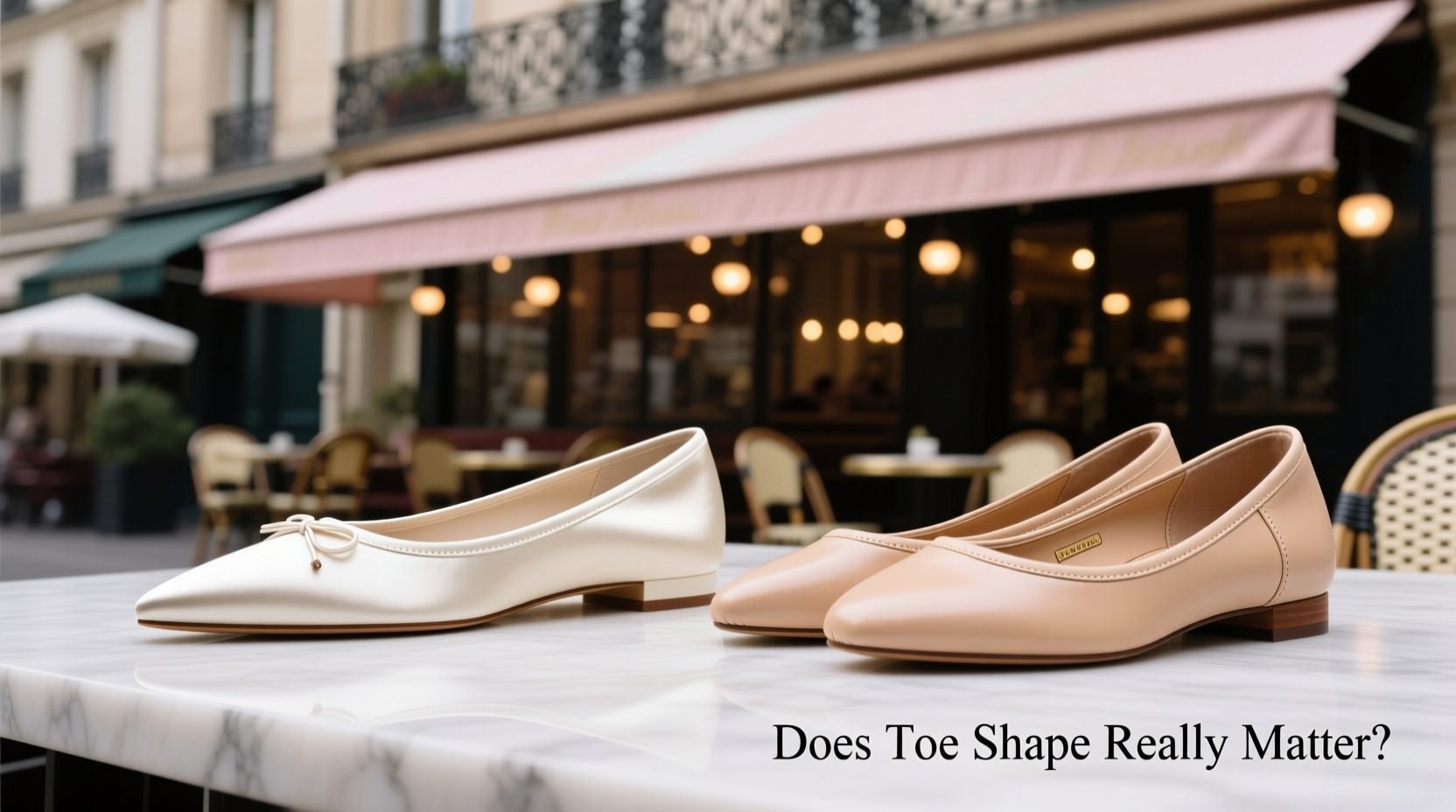
Ballet flats are defined by their low heel, soft construction, and slip-on design. However, within that category, toe shape plays a pivotal role in overall appearance and function.
French Light Cut (Almond/Pointed Toe): This style features a gently tapered front that mimics the natural contour of the foot. The seam runs diagonally across the upper, starting higher on the outside of the foot and tapering toward the inside. This creates a sleek, elongated look and is often associated with Parisian chic.
Round Toe: As the name suggests, this version has a curved, circular front edge. The seam is typically straight across the top of the foot. Round toes offer more room at the ball of the foot and are generally considered more forgiving in fit.
Tip: If you have wider forefeet or bunions, round toe ballet flats often provide greater comfort without sacrificing style.Comfort & Fit: How Toe Shape Impacts Wearability
Fit is where the rubber meets the road—literally. A shoe might look perfect on a hanger, but if it doesn’t align with your foot’s natural structure, discomfort follows.
French light cut flats tend to run slightly narrower, especially across the metatarsal area. The diagonal seam reduces extra material on the inner side of the foot, minimizing bunching. However, this snug fit can be problematic for those with wide feet or hammertoes. Some wearers report pressure on the little toe due to the inward slope of the seam.
Conversely, round toe flats distribute space more evenly. They accommodate splay-footed shapes better and reduce friction on the sides of the toes. That said, an overly rounded toe can create excess material at the front if the shoe isn't well-fitted, leading to wrinkling and potential blisters over time.
“Toe box geometry directly influences gait mechanics. A poorly shaped flat may not cause pain immediately, but over days of wear, it alters weight distribution.” — Dr. Lila Nguyen, Podiatrist & Footwear Consultant
Style & Proportion: Visual Impact of Toe Design
Fashion is as much about illusion as it is about fabric. Toe shape subtly manipulates visual perception, affecting how your legs appear and how polished your ensemble feels.
French light cut ballet flats are renowned for their leg-lengthening effect. The pointed front draws the eye forward, creating a continuous line from ankle to toe. Paired with cropped pants, skirts, or dresses, they enhance elegance and refinement. This makes them ideal for professional settings or occasions where a put-together appearance matters.
Round toe flats project a softer, more casual vibe. They pair effortlessly with jeans, midi skirts, or weekend looks. While less dramatic in elongation, they maintain a classic charm—think 1950s film stars off-duty rather than runway models.
| Feature | French Light Cut | Round Toe |
|---|---|---|
| Foot Length Appearance | Longer, slimmer | Slightly shorter, balanced |
| Best With | Slim trousers, pencil skirts, formal wear | Casual denim, flowy skirts, weekend wear |
| Foot Comfort (Wide Feet) | Moderate – may feel tight | High – more room |
| Durability Concerns | Seam stress near toe point | Even wear, less strain |
| Timeless Appeal | Parisian minimalist | Vintage Americana |
Real-World Example: Choosing for Occasion & Lifestyle
Consider Sarah, a marketing executive based in Lyon. Her workweek demands polished yet comfortable footwear. She owns two pairs of black leather ballet flats: one French light cut, the other round toe.
On client days, she chooses the French light cut. Paired with tailored cigarette pants and a silk blouse, the shoes elevate her look, giving a sense of intentionality. “They make me feel sharper,” she says. But after five hours on her feet during a conference, she notices slight pinching on the outer edge of her left foot.
For weekends and travel, she switches to the round toe pair. “They’re my go-to for walking tours or brunch. I can wear them all day without thinking about my shoes.”
Sarah’s experience reflects a growing trend: many discerning wearers now keep both styles in rotation, selecting based on activity rather than loyalty to one shape.
How to Choose the Right Style for You
Selecting between French light cut and round toe ballet flats shouldn’t be arbitrary. Use this step-by-step guide to match the shoe to your needs.
- Assess Your Foot Shape: Trace your foot on paper. If your toes spread widely or your forefoot is broad, lean toward round toe designs.
- Consider Your Wardrobe: Do you wear mostly structured, tailored pieces? A French light cut will harmonize better. More relaxed, flowing garments? Round toes blend seamlessly.
- Test for Seam Placement: Try the shoe on and check where the seam sits. It should lie flat across the top of your foot, not press against any bony areas.
- Evaluate Heel Slip: Both styles should grip the heel securely. If either causes slippage, consider adding a gel insert or trying a half-size down.
- Wear Test Over Time: Walk on different surfaces for at least 20 minutes. Note any pressure points or fatigue.
Checklist: Picking Your Perfect Pair
- ☐ Measure both feet before buying
- ☐ Check seam alignment with your foot’s natural angle
- ☐ Ensure at least 1/4 inch of space in front of longest toe
- ☐ Confirm flexibility in the sole for natural movement
- ☐ Match toe shape to dominant outfit types in your closet
Frequently Asked Questions
Do French light cut ballet flats hurt more than round toe ones?
Not necessarily—but they can if your foot shape isn’t compatible. The diagonal seam and narrower profile may compress the lateral side of the foot, especially during prolonged wear. People with high insteps or wide forefeet often find round toes more accommodating.
Can I wear French light cut flats with jeans?
Absolutely. Slim or straight-leg jeans work best, as they allow the refined toe to remain visible. Avoid bootcut styles that obscure the shoe’s silhouette, diminishing its visual impact.
Are round toe ballet flats outdated?
No. While French light cuts dominate fashion editorials, round toes remain a staple in heritage brands and capsule wardrobes. Their enduring appeal lies in comfort and versatility, not trendiness.
Final Thoughts: Does the Toe Shape Really Matter?
Yes—the toe shape of your ballet flats genuinely matters, but not in the way many assume. It’s not about which is “better” universally, but which serves your body, lifestyle, and aesthetic goals more effectively.
The French light cut excels in elegance and proportion, offering a quiet sophistication that elevates even simple outfits. Yet, its narrowness can alienate those with non-standard foot shapes. Round toe flats prioritize comfort and inclusivity, delivering a timeless look without compromise.
In the end, the most powerful style choice is the one that lets you move confidently—both physically and emotionally. Whether you gravitate toward the precision of a pointed seam or the ease of a rounded front, let function inform fashion.
🚀 Ready to refine your footwear choices? Reassess your ballet flat collection today—try both styles mindfully, and notice how small design details impact your stride, posture, and self-expression. Share your experience in the comments below.








