
When venturing into the backcountry, a reliable seat can make all the difference between comfort and exhaustion. Among the most popular portable seating options are foldable camping chairs and inflatable chairs. Both promise lightweight convenience and easy transport, but when it comes to enduring rugged trails, uneven ground, sharp rocks, or unpredictable weather, their performance diverges significantly. Choosing the wrong chair might mean a deflated seat halfway through your trip—or worse, a complete failure in the middle of nowhere. This article dives deep into how each type fares under harsh conditions, examining materials, structural integrity, terrain adaptability, and long-term resilience.
Understanding the Core Differences
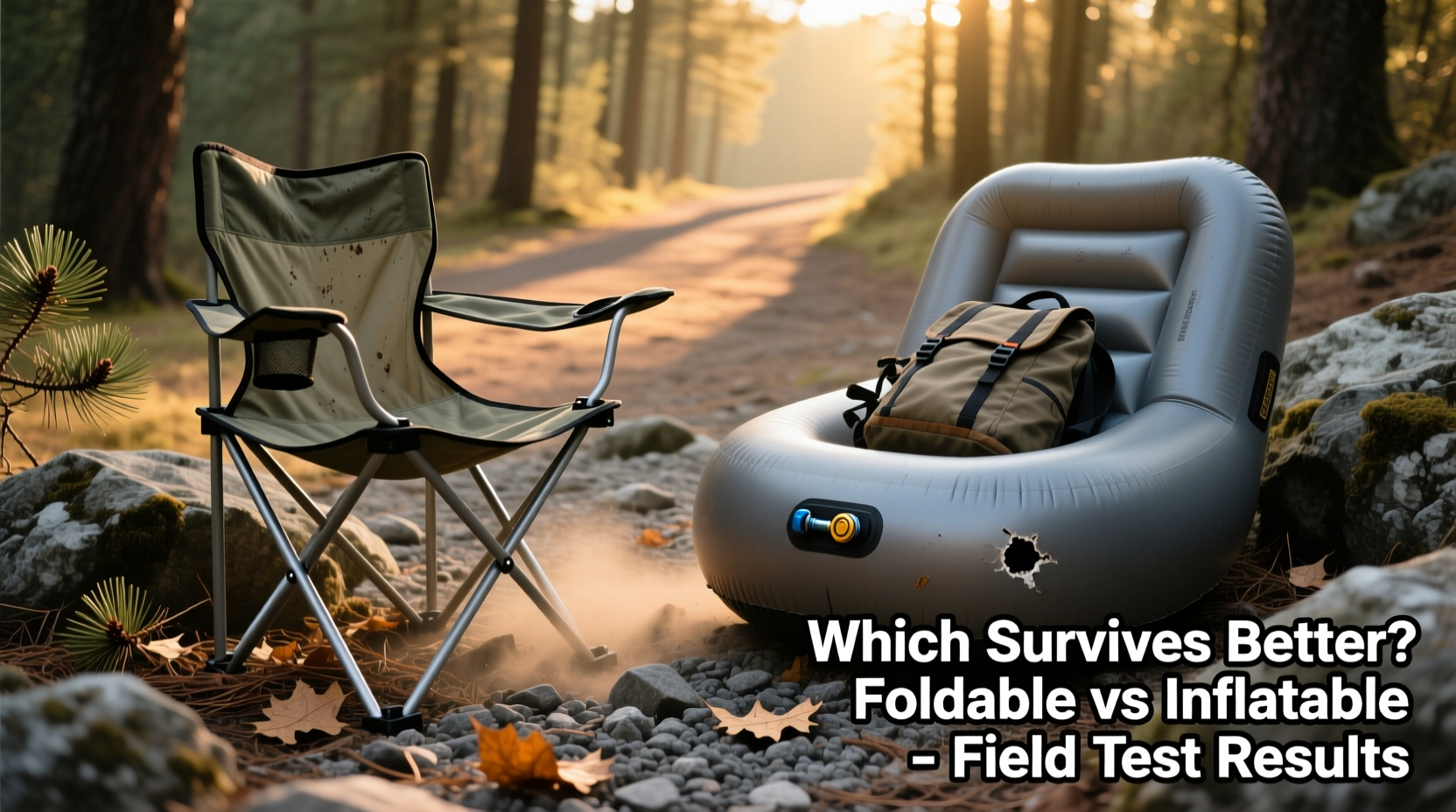
Foldable camping chairs and inflatable chairs serve the same basic function—providing a portable place to sit—but they achieve this in fundamentally different ways. Foldable chairs typically use a metal frame (often aluminum or steel) with durable fabric stretched across it. They collapse into compact forms and are designed for repeated setup and takedown. Inflatable chairs, on the other hand, rely on air-filled chambers made from PVC, TPU, or nylon-coated vinyl. These require a pump or manual inflation and offer a softer, cushion-like feel.
The key distinction lies in how each chair responds to external stress. Rigid structures absorb impact through tensile strength and joint stability, while inflatable models depend entirely on material thickness and seam integrity to resist punctures and abrasions. On smooth grass or sandy beaches, both perform adequately. But when the terrain turns rocky, thorny, or steeply sloped, one begins to show clear advantages over the other.
Tip: Always inspect your chair’s contact points before setting up—avoid placing it directly on sharp gravel or thorny patches.Durability on Rough Terrain: Materials Matter
Rough terrain introduces multiple threats: abrasion from coarse surfaces, punctures from sticks and stones, instability on slopes, and exposure to moisture or extreme temperatures. How well a chair withstands these elements depends heavily on its construction.
Foldable chairs generally use 600D polyester or higher-denier fabrics paired with powder-coated aluminum frames. These materials resist tearing and corrosion, even after prolonged outdoor exposure. The rigid frame allows the chair to maintain shape on uneven ground, and many models include reinforced stitching, rubberized feet, or adjustable legs to enhance grip on loose soil or inclines.
Inflatable chairs, despite advancements in puncture-resistant coatings, remain vulnerable at critical points: seams, valves, and high-friction zones. Even with ruggedized outer shells, a single sharp edge can compromise an entire air chamber. While some premium models use drop-stitch technology for improved rigidity, they still lack the inherent structural redundancy of a metal frame. If one leg of a foldable chair fails, the others may still support weight; if an inflatable chair develops a leak, it collapses entirely.
“On multi-day treks with variable terrain, mechanical reliability trumps comfort. A foldable chair’s predictable performance makes it the safer choice.” — Daniel Reyes, Outdoor Gear Tester, Appalachian Trail Conservancy
Performance Comparison: Real-World Scenarios
To assess real-world viability, consider three common backcountry situations where terrain poses challenges:
1. Rocky or Gravelly Ground
Sharp stones and jagged edges are among the greatest risks for inflatable chairs. Even with protective mats, shifting during use can expose weak spots. Foldable chairs, with elevated seats and stable leg designs, minimize direct contact with abrasive surfaces. Rubberized foot caps further prevent slipping and reduce wear.
2. Steep or Uneven Slopes
Inflatables tend to deform under load on inclined ground, creating an unstable base that can shift or tip. Foldable models often allow users to adjust individual leg lengths or dig legs slightly into soft soil for leveling. Some hiking-specific chairs feature triangulated bases or wide footprints for enhanced lateral stability.
3. Wet or Muddy Conditions
Moisture compromises adhesives and increases mold risk in inflatables, especially if not dried properly after use. Prolonged exposure to damp ground can weaken internal bladders. Foldable chairs, particularly those with quick-dry mesh and rust-resistant hardware, handle wet environments more reliably. Many can be wiped down and aired out within hours.
Side-by-Side Comparison Table
| Feature | Foldable Camping Chair | Inflatable Chair |
|---|---|---|
| Frame Material | Aluminum or steel | Air-filled chambers (PVC/TPU) |
| Weight Capacity | 250–350 lbs (typical) | 200–300 lbs (varies widely) |
| Setup Time | 10–20 seconds | 2–5 minutes (with pump) |
| Puncture Risk | Low (fabric tears rare) | High (especially on sharp terrain) |
| Stability on Slopes | Good (adjustable legs help) | Poor (tends to deform) |
| Longevity (with care) | 5+ years | 2–3 years (seam degradation) |
| Portability | Compact, but rigid | Highly packable when deflated |
Maintenance and Field Repairs
Even the most durable gear requires upkeep, especially after exposure to punishing environments. Maintenance routines differ significantly between the two types.
Foldable chairs benefit from simple post-trip care: wiping down frames, checking bolts for tightness, and storing fabric dry to prevent mildew. Minor fabric tears can often be patched with outdoor-grade tape or sewn with heavy-duty thread. Replacement parts like leg caps or cross-bracing are frequently available from manufacturers.
Inflatable chairs demand more vigilance. After each use, they must be fully dried before storage to avoid mold inside sealed chambers. Valves should be cleaned to prevent clogging. Punctures, though repairable with included kits, rarely restore original strength. Multiple repairs often signal the end of usable life, as overlapping patches weaken surrounding material.
Step-by-Step: Preparing Your Chair for Rugged Use
- Inspect Before Packing: Check for frayed fabric, bent joints, or valve leaks. Address issues before departure.
- Carry Protective Accessories: Bring a ground tarp or footprint to place underneath, especially for inflatable models.
- Choose Setup Location Carefully: Clear the area of debris, rocks, and twigs. Avoid overhanging branches that could fall.
- Test Stability: Sit slowly at first, shifting weight gradually to ensure balance on uneven ground.
- Pack Properly After Use: Allow full drying, then store in a breathable bag—not compressed long-term in hot or humid conditions.
Mini Case Study: Backpacking in the Sawtooth Range
Last summer, two hikers embarked on a five-day trek through Idaho’s Sawtooth Mountains. One carried a lightweight foldable chair with carbon-fiber legs and 700D ripstop fabric; the other brought a top-tier inflatable model advertised as “ultra-durable.” Over the course of the trip, they camped on granite slabs, pine needle beds, and muddy riverbanks.
By day three, the inflatable chair had developed a slow leak after being placed on a bed of volcanic rock. Despite patching it, the user struggled to reinflate it fully each evening. The foldable chair, meanwhile, remained stable on all surfaces. Its legs were slightly scratched, but structural integrity was intact. By the final night, only one functional chair remained—and it wasn’t the inflatable.
This experience mirrors broader trends reported by trail communities: inflatable chairs excel in car camping or beach settings but falter in true backcountry conditions where surface unpredictability is the norm.
Frequently Asked Questions
Can I use an inflatable chair for backpacking?
You can, but it's not recommended for rugged or remote trips. The risk of puncture, added pack weight from pumps, and lengthy setup time make them less practical than foldable alternatives. They’re better suited for car camping or festivals.
Are foldable chairs comfortable on hard ground?
Yes, most modern foldable chairs feature contoured seating and breathable mesh that distribute pressure effectively. Adding a small foam pad or camping cushion enhances comfort without sacrificing durability.
How do temperature changes affect inflatable chairs?
Air expands in heat and contracts in cold, which can lead to overinflation in sunlight or sagging in chilly conditions. This affects stability and comfort. Foldable chairs remain dimensionally stable across a wide temperature range.
Final Verdict: Which Survives Rough Terrain Better?
When durability, stability, and reliability on unpredictable ground are paramount, foldable camping chairs clearly outperform inflatable models. Their robust frames, resistance to punctures, and ability to adapt to sloped or rocky surfaces make them the superior choice for serious outdoor enthusiasts. While inflatables offer plush comfort and extreme packability, these benefits come at the cost of fragility in demanding environments.
That said, the best choice depends on context. For weekenders driving to established campsites, an inflatable may provide ample comfort with minimal fuss. But for backpackers, thru-hikers, or adventurers exploring off-grid locations, the mechanical resilience of a foldable chair is unmatched.
Action Plan: Choosing the Right Chair for Your Needs
- Evaluate your typical environment: If you often camp on rock, sand, or uneven forest floors, prioritize durability.
- Consider total pack weight: Inflatables save space but may require extra accessories (pump, repair kit).
- Test setup speed in the field: A chair that takes five minutes to inflate loses appeal after a 10-mile hike.
- Check warranty and support: Brands offering lifetime frame warranties (like REI or Helinox) stand behind their foldable products.
- Budget for longevity: Spending more upfront on a high-quality foldable chair often saves money over time compared to replacing fragile inflatables.
“The right chair isn’t about luxury—it’s about endurance. In the wild, simplicity and strength win every time.” — Lena Patel, Wilderness Guide and Gear Instructor🚀 Ready to upgrade your camp setup? Choose a foldable chair built for the terrain you actually face—not just the one in the product photo. Your future self, sitting comfortably atop a windswept ridge, will thank you.









