When preparing for a night under the stars, one of the most critical decisions you’ll make is how to stay warm. The debate between using a fleece blanket versus a sleeping bag is common among both new and experienced campers. While both options provide insulation, their effectiveness varies significantly depending on conditions, activity level, and environment. Understanding the differences in warmth, weight, packability, and practicality can help you choose the right gear — or even combine both for optimal comfort.
Understanding Insulation Principles
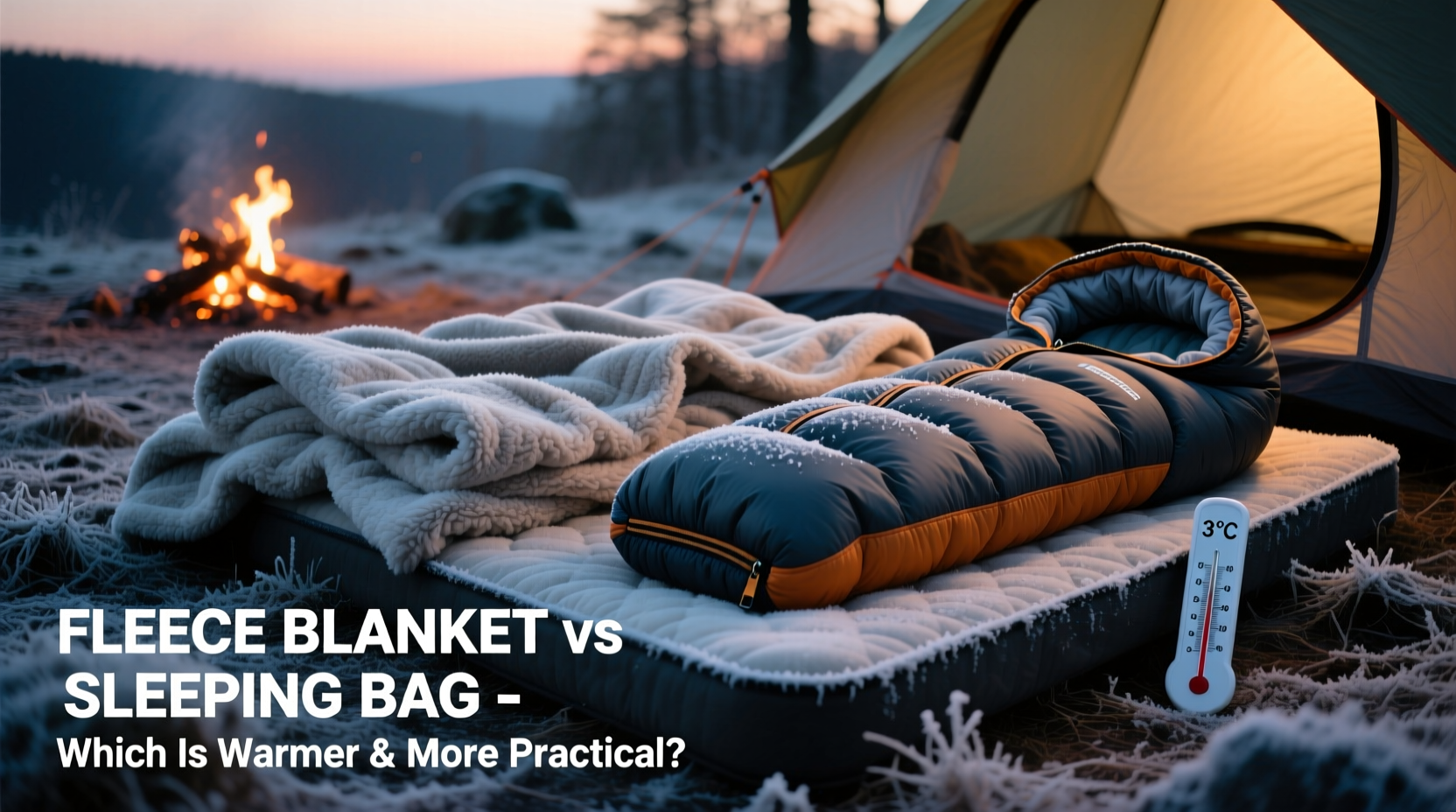
Warmth in outdoor gear depends on two primary factors: insulation type and heat retention design. Fleece blankets are typically made from synthetic polyester fibers that trap body heat through loft and texture. They are lightweight and breathable but lack structural design to prevent heat loss. Sleeping bags, on the other hand, are engineered systems designed specifically for thermal efficiency. Most feature layered insulation (down or synthetic), baffling to prevent cold spots, and a snug fit that minimizes air circulation.
The human body loses heat primarily through convection (air movement), conduction (contact with cold surfaces), radiation, and evaporation. A sleeping bag addresses all four by creating a microclimate around the body. It limits airflow with hoods, draft tubes, and zippers, uses insulating materials to reduce conductive loss, and often includes vapor barriers to manage moisture. A fleece blanket does little to stop convective or conductive heat loss, especially when placed over a sleeping pad without enclosure.
“Sleeping bags are thermally optimized systems; blankets are supplemental layers. Using one instead of the other ignores fundamental physics of heat retention.” — Dr. Alan Prescott, Outdoor Gear Materials Scientist
Direct Comparison: Warmth Performance
To determine which option provides better warmth, consider three key variables: ambient temperature, wind exposure, and ground contact.
In temperatures below 50°F (10°C), sleeping bags consistently outperform fleece blankets. Even a basic mummy-style sleeping bag rated to 30°F (-1°C) will keep most users comfortable in cool fall nights, while a fleece blanket alone may leave shoulders and feet exposed, allowing heat to escape rapidly. Wind amplifies this difference — a breeze that feels mild during the day can cause significant heat loss at night, something a sleeping bag’s enclosed design resists far better than a loose blanket.
Tip: Never rely solely on a fleece blanket in sub-50°F conditions unless paired with a high-R-value sleeping pad and additional layers.Sleeping Bag Advantages for Warmth
- Engineered temperature ratings based on standardized testing (EN/ISO)
- Full-body coverage with integrated hoods and draft collars
- Reduced air exchange due to fitted design
- Better performance in windy or damp conditions
Fleece Blanket Limitations
- No standardized warmth rating
- Poor containment of radiant heat
- Slips off easily during sleep
- Vulnerable to wind chill and ground cooling
Practicality and Use Cases
While sleeping bags win in pure thermal performance, fleece blankets offer distinct advantages in flexibility and convenience. Their lightweight nature and compact fold make them ideal for car camping, emergency kits, or daytime use around the campfire. Unlike sleeping bags, they can double as picnic throws, pet bedding, or makeshift sunshades.
For backpackers, every ounce counts. A typical fleece throw weighs 12–18 oz (340–500 g), whereas a three-season sleeping bag ranges from 2 to 5 lbs (0.9–2.3 kg). However, this weight comparison is misleading if the blanket fails to keep you warm — no amount of convenience matters if you spend the night shivering.
| Feature | Fleece Blanket | Sleeping Bag |
|---|---|---|
| Average Weight | 12–18 oz | 2–5 lbs |
| Pack Size | Small (fits in tote) | Larger (requires compression sack) |
| Warmth Efficiency | Low to moderate | High (rated) |
| Mobility at Night | High (easy to adjust) | Low (restricted movement) |
| Durability | Moderate (pills over time) | High (if maintained) |
| Multi-Use Potential | Excellent | Limited |
Real-World Scenario: Weekend Camping Trip in Autumn
Consider Sarah, an intermediate camper planning a weekend trip to the Rockies in early October. Daytime temperatures reach 60°F (15°C), but nighttime drops to 38°F (3°C) with clear skies and minimal wind. She packs her favorite mid-weight fleece blanket, assuming it will suffice with extra clothes. On the first night, she finds herself waking up every few hours, particularly cold in her extremities. The blanket slips off repeatedly, and despite wearing a hat and gloves, she struggles to maintain core warmth.
Her friend Mark, camping nearby, uses a 20°F (-6°C) rated synthetic sleeping bag with a hood. He sleeps through the night comfortably. The next morning, Sarah realizes that while her blanket was cozy during dinner, it failed as a primary sleep system. She later upgrades to a hybrid approach: using the fleece as a liner inside a lightweight sleeping bag, boosting warmth by 5–10°F without sacrificing comfort.
Smart Combination: Using Both Together
The most effective strategy for many campers isn’t choosing one over the other — it’s combining both. A fleece blanket used as a sleeping bag liner enhances thermal performance, adds softness, and helps wick moisture away from the skin. This setup improves warmth without adding bulk and extends the usability of a sleeping bag into colder seasons.
This method is especially valuable for summer-rated sleeping bags (50°F+), which gain meaningful insulation when paired with a 1–2 lb fleece layer. Additionally, placing the blanket between you and the sleeping bag interior reduces direct contact with potentially abrasive shell fabrics, prolonging the life of your gear.
Step-by-Step: How to Layer for Maximum Warmth
- Start with a clean, dry sleeping bag laid flat in your tent.
- Place the fleece blanket inside, smoothing it along the interior lining from head to foot.
- Climb in carefully to avoid shifting the blanket.
- Zip up the sleeping bag, ensuring the hood is secure.
- If needed, add a second thin wool blanket or down quilt on top before sealing.
- Use a closed-cell foam or insulated sleeping pad underneath to block ground chill.
FAQ: Common Questions Answered
Can I use a fleece blanket as a standalone sleeping solution?
In warm weather (above 60°F / 15°C), yes — especially for casual car camping or backyard setups. However, in cooler conditions, it lacks sufficient insulation and containment to replace a proper sleeping bag.
Do sleeping bags lose warmth over time?
Yes, especially down-filled models if compressed long-term or exposed to moisture. Regular fluffing, proper storage in a large cotton sack, and avoiding machine drying on high heat can preserve loft and insulation value for years.
Is a fleece blanket better for people who feel claustrophobic in sleeping bags?
Often, yes. Some campers dislike the confined feeling of mummy bags. A roomy rectangular sleeping bag combined with a fleece blanket offers freedom of movement while still providing structured warmth.
Final Recommendation and Action Plan
For most camping scenarios, a sleeping bag is warmer and more practical than a fleece blanket used alone. Its engineered design, temperature ratings, and ability to retain heat make it the superior choice for overnight stays, especially in variable or cold conditions. However, dismissing fleece blankets entirely overlooks their versatility and value as supplementary gear.
The smartest approach combines both: use a sleeping bag as your base layer and incorporate a fleece blanket as a liner or top sheet. This hybrid system adapts to changing weather, enhances comfort, and maximizes warmth-to-weight efficiency. For ultralight backpackers, prioritize a quality sleeping bag. For family or car campers, keep a fleece blanket handy for lounging, emergencies, or added coziness at night.
“Think of your sleep system like a home — the sleeping bag is the insulated walls, and the fleece blanket is the cozy rug. You need both for true comfort.” — Lena Torres, Wilderness Guide & Gear Instructor
Checklist: Choosing the Right Sleep Setup
- ✅ Determine expected low temperatures for your trip
- ✅ Choose a sleeping bag with a rating 10°F below expected lows
- ✅ Consider a fleece blanket as a liner or backup
- ✅ Test your setup at home before heading out
- ✅ Always pair with a sleeping pad (R-value ≥ 3 for cold ground)
- ✅ Pack extra layers (hat, socks) regardless of your main insulation
Whether you're hiking deep into the backcountry or relaxing at a drive-up campsite, your sleep quality directly impacts your experience. Don’t gamble with inadequate warmth. Assess your needs honestly, understand the strengths and limits of each option, and build a sleep system that keeps you warm, rested, and ready for adventure.
💬 Have a favorite combo of blankets and bags? Share your go-to camping sleep setup in the comments and help others stay warm on their next trip!








