Spinach is widely celebrated for its dense nutritional profile, but one of its most underrated attributes is its contribution to daily fiber intake. While not as fibrous as legumes or whole grains, spinach plays a meaningful role in digestive health, satiety, and long-term disease prevention due to its blend of soluble and insoluble fiber. Understanding how much fiber spinach provides—and how preparation methods affect its availability—can help home cooks and health-conscious eaters make smarter choices in meal planning. Whether you're managing blood sugar, improving gut function, or simply aiming for a more plant-forward diet, spinach offers a versatile, low-calorie way to boost fiber without sacrificing flavor.
Definition & Overview
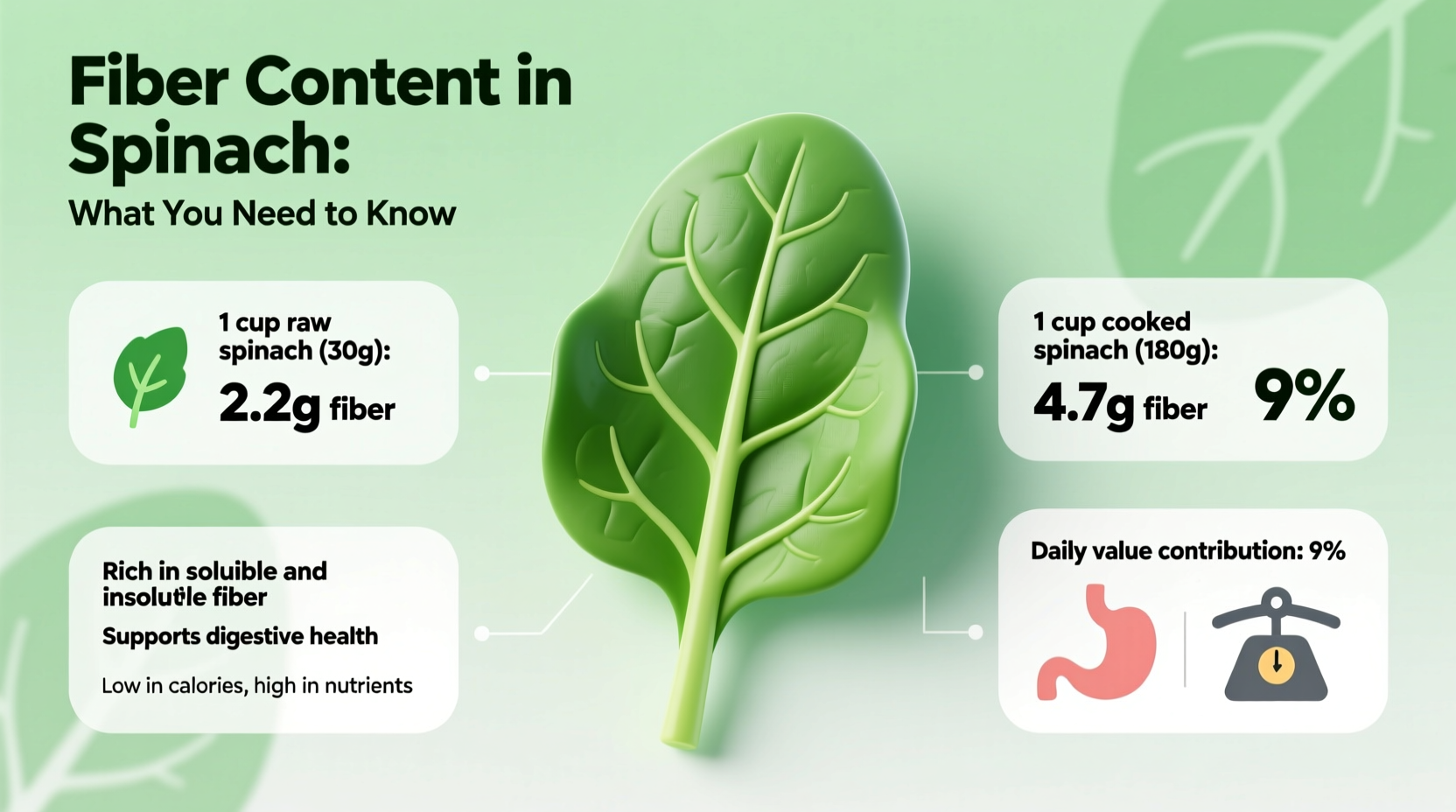
Spinach (Spinacia oleracea) is a leafy green vegetable belonging to the Amaranthaceae family, which includes beets and quinoa. Native to central and western Asia, it has been cultivated for over 2,000 years and is now a global culinary staple. Known for its deep green color, tender texture, and mildly earthy flavor, spinach is used raw in salads, blended into smoothies, sautéed as a side, or incorporated into cooked dishes like soups, casseroles, and egg bakes.
Nutritionally, spinach is rich in vitamins A, C, and K, folate, iron, magnesium, and antioxidants such as lutein and beta-carotene. But beyond these well-known nutrients, spinach also contributes dietary fiber—a crucial component for digestive regulation, cholesterol management, and sustained energy levels. Though often overshadowed by high-fiber foods like beans or oats, spinach’s fiber content becomes significant when consumed regularly and in volume, especially in raw or minimally processed forms.
Key Characteristics of Spinach
- Flavor Profile: Mildly sweet with earthy, slightly mineral notes; young leaves are tender and delicate, while mature leaves can have a coarser texture and stronger taste.
- Aroma: Fresh, green, and clean; no pungency unless beginning to spoil.
- Color/Form: Deep green, crinkled or flat leaves depending on variety; available loose, bagged, or pre-washed.
- Fiber Type: Contains both soluble (gel-forming, supports gut microbiota) and insoluble fiber (adds bulk, promotes regularity).
- Culinary Function: Adds volume, moisture, nutrients, and fiber to dishes; acts as a base, thickener, or nutrient booster.
- Shelf Life: 5–7 days refrigerated when fresh; frozen spinach lasts up to 10–12 months.
- Heat Sensitivity: Wilts quickly under heat; cooking reduces volume significantly but concentrates some nutrients and fiber per weight.
Fiber Content: By the Numbers
The amount of fiber in spinach varies based on form and preparation. According to USDA FoodData Central, the fiber content is as follows:
| Form of Spinach | Serving Size | Total Dietary Fiber |
|---|---|---|
| Raw spinach (baby or mature) | 1 cup (30g) | 0.7 grams |
| Raw spinach | 100 grams | 2.2 grams |
| Cooked spinach (boiled, drained) | 1/2 cup (90g) | 2.1 grams |
| Cooked spinach | 100 grams | 2.4 grams |
| Frozen spinach (unprepared) | 100 grams | 2.6 grams |
At first glance, 2.2–2.6 grams of fiber per 100 grams may seem modest compared to lentils (7.9 g) or raspberries (6.5 g). However, spinach’s low caloric density—just 23 calories per 100 grams raw—means it delivers fiber efficiently. You can consume large volumes without exceeding calorie goals, making it an ideal vehicle for increasing daily fiber intake gradually and sustainably.
TIP: To maximize fiber intake from spinach, serve it in larger portions. One pound (450g) of raw spinach contains about 10 grams of fiber—nearly 40% of the recommended daily intake for adults—yet has only around 100 calories.
Practical Usage: How to Use Spinach for Fiber Boost
Incorporating spinach into your daily routine isn’t just about adding greens—it’s about leveraging its fiber content strategically across meals. Here’s how to do it effectively:
1. Start with Smoothies
Blending raw spinach into fruit-based smoothies masks its flavor while boosting fiber and micronutrients. Combine one cup of raw spinach (0.7g fiber) with berries (high in fiber), chia seeds (10g per ounce), and Greek yogurt for a balanced, digestion-supportive breakfast.
2. Bulk Up Salads with Volume
Instead of using small side-salad portions, build entrée-sized salads with 3–4 cups of raw spinach (2–3g fiber). Add high-fiber ingredients like chickpeas, avocado, nuts, and whole grains to create a complete, gut-friendly meal that keeps you full for hours.
3. Sauté as a Daily Side
Cooking spinach reduces its volume, allowing you to eat more in one sitting. A half-cup of cooked spinach provides over 2 grams of fiber and takes up minimal plate space. Sauté with garlic, olive oil, and a squeeze of lemon to enhance absorption of fat-soluble vitamins and improve palatability.
4. Fold Into Heated Dishes
Add fresh or frozen spinach to omelets, grain bowls, pasta sauces, soups, and curries during the final minutes of cooking. The residual heat wilts the leaves, integrating fiber seamlessly into familiar dishes. For example, stirring one cup of frozen spinach into scrambled eggs adds 3+ grams of fiber with almost no effort.
5. Use in Stuffed Recipes
Mix cooked, drained spinach with ricotta, feta, or lentils to stuff chicken breasts, bell peppers, or mushrooms. These dishes benefit from spinach’s moisture content and fiber, improving texture and nutritional balance.
Pro Tip: When using frozen spinach, always thaw and squeeze out excess water before cooking. This prevents sogginess and ensures even heat distribution, preserving fiber integrity and dish quality.
Variants & Types of Spinach
Different types of spinach vary slightly in texture, flavor, and fiber yield. Choosing the right form affects both culinary results and nutritional impact.
1. Baby Spinach
Harvested early, baby spinach has tender leaves and a milder taste. It’s ideal for raw applications like salads and sandwiches. While slightly lower in fiber per leaf due to youth, it’s typically consumed in larger quantities raw, balancing overall intake.
2. Mature Spinach
Full-grown spinach has thicker stems and a more robust flavor. Best suited for cooking, it retains more structural fiber when boiled or steamed. Its higher concentration of cellulose contributes more insoluble fiber, supporting bowel regularity.
3. Frozen Spinach
Picked and flash-frozen at peak ripeness, frozen spinach often retains or exceeds the fiber content of fresh, especially if stored for days. It’s convenient for year-round use and excellent in cooked dishes. One cup (150g) of frozen spinach provides approximately 3.9 grams of fiber.
4. Canned Spinach
Less common and generally less desirable due to added sodium and softer texture. While it still contains fiber (~2.4g per 100g), the processing can degrade some nutrients and alter mouthfeel. Opt for low-sodium versions if using canned.
| Type | Best For | Fiber Efficiency | Storage Life |
|---|---|---|---|
| Baby Spinach | Salads, wraps, smoothies | Medium (higher volume eaten raw) | 5–7 days |
| Mature Spinach | Sautéing, soups, stews | High (denser fiber per cooked portion) | 5–7 days |
| Frozen Spinach | Casseroles, dips, baked dishes | Very High (concentrated, stable fiber) | 10–12 months |
| Canned Spinach | Emergency use, quick sides | Low to Medium (sodium concerns) | 2–5 years (unopened) |
Comparison with Similar Leafy Greens
Spinach is often grouped with other dark leafy greens, but its fiber content and usability differ meaningfully from close relatives. Understanding these differences helps in selecting the best green for fiber goals.
| Green | Fiber (per 100g raw) | Calories | Key Differences |
|---|---|---|---|
| Spinach | 2.2 g | 23 kcal | Milder flavor, higher vitamin K and iron than most greens |
| Kale | 3.6 g | 49 kcal | Higher fiber and calories; tougher texture requires massaging or cooking |
| Swiss Chard | 1.6 g | 19 kcal | Lower fiber; vibrant stems add visual appeal but less nutrient density |
| Romaine Lettuce | 1.7 g | 17 kcal | Crunchier, lower in nutrients; primarily water and fiber for bulk |
| Arugula | 1.6 g | 25 kcal | Pungent, peppery; lower fiber but high in phytonutrients |
“While kale leads in fiber among common greens, spinach offers a better balance of digestibility, versatility, and nutrient synergy—especially for those new to high-fiber diets.” — Dr. Lena Torres, Registered Dietitian and Plant-Based Nutrition Specialist
Practical Tips & FAQs
Does cooking spinach reduce its fiber?
No. Cooking does not destroy dietary fiber. In fact, because cooking removes water and allows greater consumption by volume, cooked spinach can deliver more fiber per serving than raw. However, overcooking may break down cell walls excessively, potentially affecting fermentation in the colon.
Is raw or cooked spinach better for fiber intake?
It depends on quantity and tolerance. Raw spinach requires eating large volumes to match the fiber in a small cooked portion. However, raw preserves enzymes and some heat-sensitive nutrients. For maximum fiber efficiency, combine both: start with raw in salads, then add cooked in warm dishes.
Can spinach help with constipation?
Yes. The insoluble fiber in spinach adds bulk to stool, while its magnesium content supports muscle contractions in the intestines. Regular inclusion—especially when paired with adequate hydration—can promote regular bowel movements.
How much spinach should I eat daily for fiber?
Aim for at least 2 cups raw (60g) or ½ cup cooked (90g) daily. This aligns with USDA MyPlate recommendations for vegetable intake and contributes meaningfully to the recommended 25–38 grams of daily fiber for adults.
Does spinach interfere with fiber absorption from other foods?
No. However, spinach contains oxalates, which can bind to minerals like calcium and iron. This doesn’t affect fiber but may reduce mineral bioavailability. Pairing spinach with vitamin C-rich foods (e.g., citrus, bell peppers) enhances iron absorption and offsets this effect.
Can I rely solely on spinach for my fiber needs?
No single food should be the sole source of fiber. A diverse diet including whole grains, legumes, fruits, vegetables, nuts, and seeds ensures a range of fiber types and associated nutrients. Spinach is a valuable contributor—not a replacement—for broader plant diversity.
Checklist: Maximizing Fiber from Spinach
- Use 2–3 cups raw spinach per salad or smoothie
- Cook down large bunches to incorporate into meals
- Pair with other high-fiber ingredients (beans, oats, seeds)
- Choose frozen spinach for consistent, concentrated fiber
- Stay hydrated to support fiber’s digestive action
- Avoid over-relying on canned versions with added sodium
Summary & Key Takeaways
Spinach is more than a vitamin powerhouse—it’s a practical, accessible source of dietary fiber that supports digestive health, metabolic balance, and long-term wellness. With 2.2–2.6 grams of fiber per 100 grams, it may not top the fiber charts, but its low calorie count and high volume potential make it an efficient addition to any diet. Whether enjoyed raw in salads, blended into smoothies, or cooked into hearty dishes, spinach delivers both soluble and insoluble fiber in a form that’s easy to integrate daily.
The key to unlocking its fiber benefits lies in portion size and consistency. Consuming larger amounts—especially in cooked form—amplifies its impact. When combined with other plant-based foods, hydration, and mindful preparation, spinach becomes a cornerstone of a high-fiber lifestyle.
For home cooks and health-focused individuals, spinach represents a simple upgrade: a single ingredient that quietly boosts nutrition, improves satiety, and nurtures gut health without demanding major dietary changes. Keep a bag of fresh or frozen spinach on hand, and let it become your go-to green for flavor, function, and fiber.
Ready to increase your fiber intake? Start today: add one extra cup of spinach to your next meal and track how you feel after a week of consistent use.








