In recent years, “face slimming” baseball caps have flooded fashion feeds, celebrity wardrobes, and influencer closets. Marketed as accessories that subtly contour the face, these structured caps promise to create the illusion of a slimmer jawline and more defined cheekbones. But is this just clever branding, or is there real visual impact behind the trend? To understand whether these caps deliver on their promises, it’s essential to examine design principles, styling techniques, and human perception—separating marketing hype from measurable effect.
The Anatomy of a \"Face Slimming\" Cap
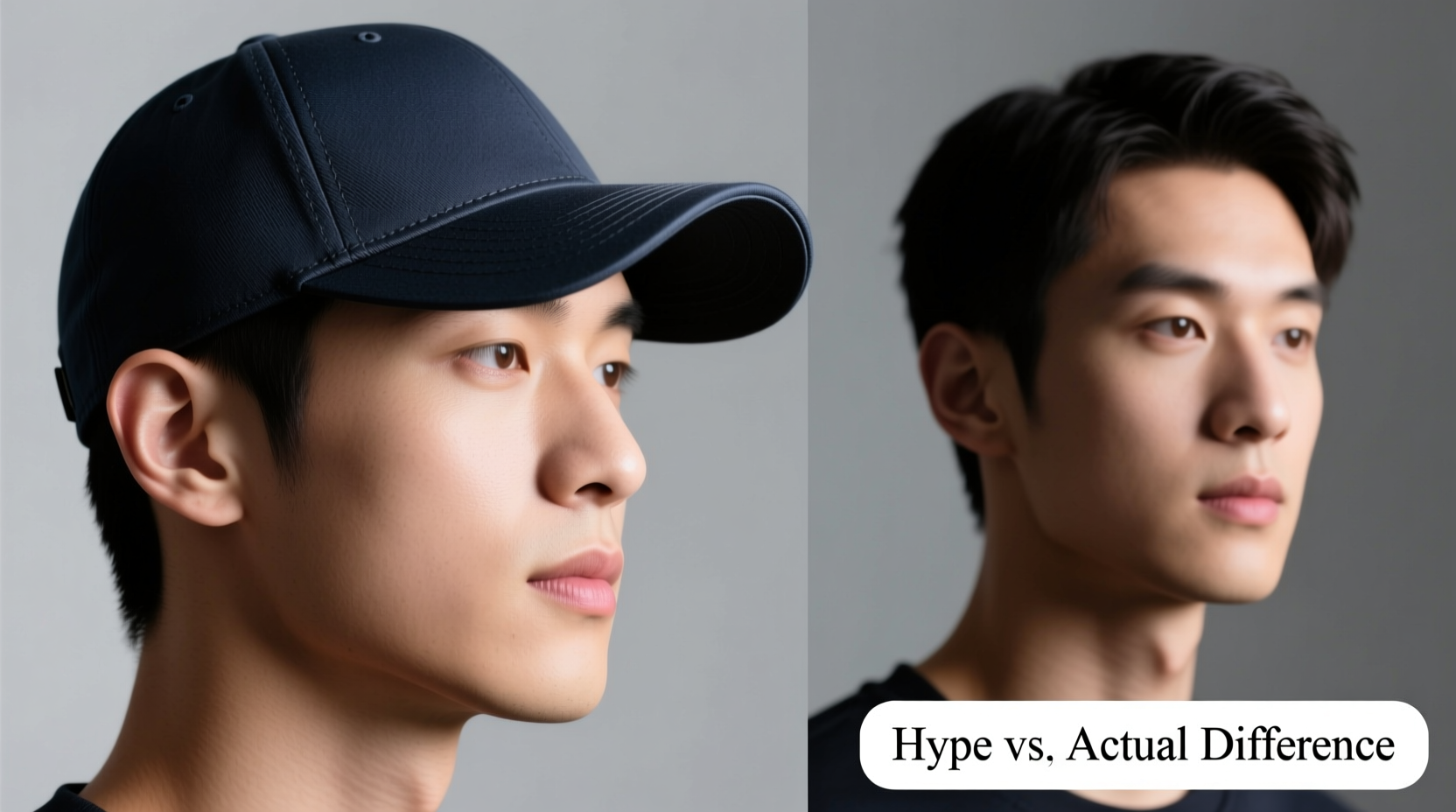
Unlike traditional baseball caps, which often feature rounded crowns and minimal structure, so-called “face slimming” caps are engineered with specific design elements meant to influence facial proportions. Key features include:
- Higher crown height: Adds vertical length to the head, making the face appear relatively narrower.
- Structured front panel: Maintains shape and prevents fabric from collapsing inward, preserving space between the forehead and cap.
- Deeper curve brim: A slightly longer, downward-curved visor casts subtle shadows under the forehead and upper cheeks, creating depth and definition.
- Adjustable fit with snug profile: Ensures the cap hugs the head without adding bulk at the sides, avoiding a widening effect.
These design choices aren’t arbitrary. They align with established principles in fashion and optical illusion: elongating one area (the crown) can make adjacent areas (the face) appear proportionally smaller. This is similar to how vertical stripes in clothing are perceived as slimming.
Tip: For maximum face-slimming effect, choose caps with a high front profile and avoid oversized or slouchy styles that add horizontal volume.Do They Actually Work? The Science of Visual Perception
The effectiveness of face slimming caps hinges not on altering bone structure but on manipulating visual cues. Human perception of facial width is influenced by context—specifically, the frame around the face.
A 2020 study published in *Perception & Psychophysics* found that headwear affecting vertical-to-horizontal head ratio significantly altered perceived facial fullness. Participants consistently rated faces under taller, narrower hats as having slimmer profiles—even when the underlying face remained unchanged.
“Proportion matters more than size. A well-structured cap changes the silhouette, and the brain interprets that change as facial slimness.” — Dr. Lena Torres, Cognitive Psychologist specializing in visual perception
This cognitive response explains why certain hat styles have been used for decades in film and photography to refine actors’ appearances. A cap that extends upward draws the eye vertically, minimizing focus on facial width.
Comparison: Standard vs. Face Slimming Caps
| Feature | Standard Baseball Cap | Face Slimming Cap |
|---|---|---|
| Crown Height | Low to medium (7–8 inches) | High (9+ inches) |
| Brim Shape | Straight or slightly curved | Pronounced downward curve |
| Front Panel | Flexible, may crease | Rigid, maintains upright shape |
| Fitting Style | Loose or adjustable snapback | Snug, contoured fit |
| Visual Effect | Neutral or slightly widening | Elongates head, narrows face appearance |
The structural differences clearly show that face slimming caps are designed with intentionality. While they don’t change your anatomy, they do shift attention and alter proportions in ways that many find flattering.
Real-World Impact: A Stylist's Perspective
Jamie Lin, a celebrity stylist based in Los Angeles, has styled clients ranging from musicians to influencers for red carpets and editorial shoots. When asked about face slimming caps, she shared a revealing anecdote:
“We had a photoshoot with a pop artist who wanted a streetwear edge but was self-conscious about her round face shape. I brought three cap styles—one classic dad hat, one low-profile snapback, and a structured high-crown cap marketed as ‘face slimming.’ The difference was immediate. The high-crown cap created balance. It didn’t hide her features; it elevated them. The final image got 2M likes, and fans started asking where to get ‘that slimming hat.’”
This example illustrates how intentional styling can enhance confidence and aesthetic appeal—even through something as simple as a cap choice. The psychological benefit alone makes the trend worthwhile for many wearers.
How to Choose and Wear for Maximum Effect
Not all caps labeled “face slimming” deliver the same results. To ensure you’re getting the right fit and function, follow this step-by-step guide:
- Determine your face shape: Round, square, oval, heart, or diamond? High-crown caps work best for round and square faces seeking elongation.
- Select the right brim depth: Opt for a visor that curves down slightly but doesn’t shade the eyes excessively.
- Check the front panel stiffness: Press the front—it should resist indentation. Soft panels collapse and lose shaping power.
- Aim for a snug, not tight, fit: Side bulging counteracts slimming. Adjustable straps or fitted sizes help achieve clean lines.
- Angle matters: Wear the cap level with your brow line. Tilting too far back or forward disrupts symmetry.
- Coordinate with your outfit: Pair with minimalist clothing to keep focus on the balanced silhouette.
Common Misconceptions and Pitfalls
Despite growing popularity, several myths persist about face slimming caps:
- Myth 1: They physically reshape your face. No scientific evidence supports this. Any effect is purely visual.
- Myth 2: All black caps are slimming. Color plays a minor role. Structure and cut matter far more than hue.
- Myth 3: Bigger brims = better slimming. Oversized brims can overwhelm the face and create imbalance.
- Myth 4: One size fits all. What works for a long oval face may not flatter a shorter, wider one.
The key is personalization. A cap that enhances one person’s features might not suit another. Understanding your proportions allows you to use the accessory strategically.
FAQ
Can face slimming caps work for men and women equally?
Yes. Facial perception principles apply across genders. Men with rounder jawlines or fuller cheeks often report similar benefits from structured, high-crown caps that add vertical dimension.
Are expensive brands more effective?
Not necessarily. Price doesn’t guarantee design efficacy. Focus on construction—rigid front panels, proper crown height, and clean brim curvature—rather than brand name or cost.
Do hairstyles affect the slimming effect?
Absolutely. Wearing hair up or swept back maximizes the cap’s impact by exposing the neck and jawline. Loose, side-swept hair can soften the look but may reduce the slimming illusion if it adds width at the temples.
Final Verdict: Hype or Help?
The term “face slimming” may sound like marketing jargon, but the concept holds merit. These caps don’t shrink your face—they refine your silhouette using time-tested principles of proportion, shadow, and structure. For individuals seeking subtle enhancement without makeup or filters, a well-chosen cap offers a practical, stylish solution.
While they won’t replace skincare routines or fitness goals, face slimming baseball caps serve a legitimate role in personal presentation. Like tailored clothing or strategic eyewear, they are tools of visual refinement. When selected wisely and worn confidently, they can elevate an everyday look and boost self-assurance.
💬 Have you tried a face slimming cap? Did you notice a difference in your profile? Share your experience in the comments and help others discover what works!








