
Knitted dresses are a wardrobe favorite for their comfort, drape, and versatility. However, their very structure—the interlocking loops of yarn—makes them vulnerable to stretching, sagging, and loss of shape over time. Unlike woven fabrics, knits rely on elasticity that can degrade with improper handling. Whether your dress is cashmere, cotton, merino wool, or a synthetic blend, maintaining its original silhouette requires intentional care. The good news: with the right techniques, you can preserve both fit and form for seasons to come.
Understanding Why Knitted Dresses Stretch
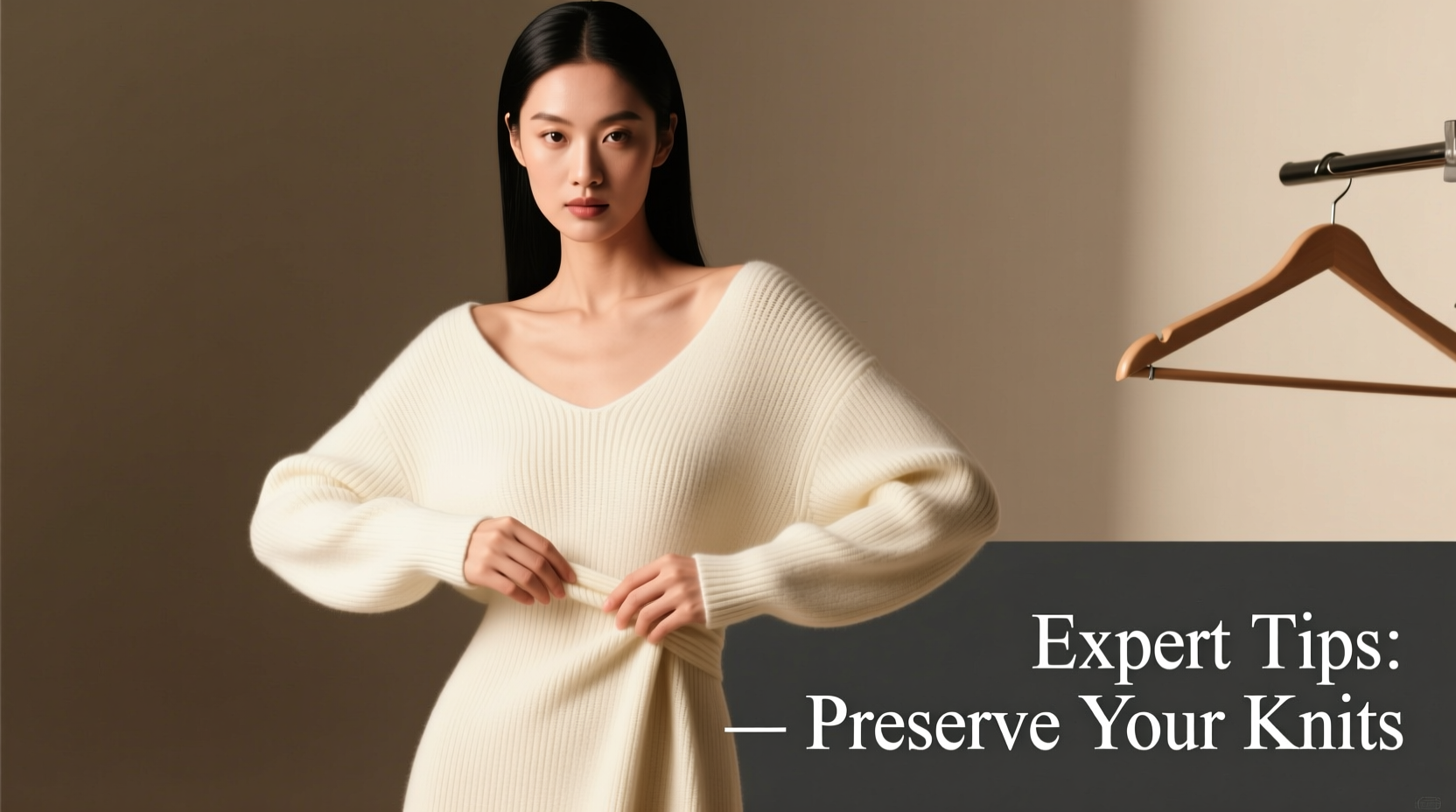
Stretching in knitted garments isn’t always due to poor quality—it’s often a result of how they’re worn, washed, and stored. Knit fabric naturally has give, which allows it to conform to the body. But when exposed to stress—like hanging by the shoulders, machine agitation, or moisture without support—that elasticity becomes distortion.
The weight of the garment itself, especially when wet, pulls fibers downward. Delicate fibers like silk or fine wool are particularly prone to this. Additionally, repeated friction from seat belts, chair backs, or undergarments can weaken specific zones, such as the hips or underarms, leading to permanent deformation.
“Knits are engineered to move with the body, but that same flexibility demands respect in care. A well-maintained knit can last a decade; a neglected one may lose shape in months.” — Lena Torres, Textile Conservator at The Fashion Restoration Lab
Washing Without Wrecking: Safe Cleaning Methods
Improper washing is the fastest route to stretched-out knits. Agitation, heat, and gravity during laundering can permanently alter the garment’s dimensions.
Always check the care label first. When in doubt, hand-wash in cool water. Use a mild detergent formulated for delicates or wool. Avoid wringing or twisting—this distorts the stitch pattern and pulls fibers out of alignment.
Tip: Never hang a wet knitted dress to dry. The weight of absorbed water will stretch the shoulders and lengthen the hem.Step-by-Step: How to Wash a Knitted Dress Safely
- Lay the dress flat in a clean basin or sink filled with lukewarm water.
- Add a small amount of gentle detergent and swirl gently with your hands.
- Soak for 5–10 minutes—no scrubbing.
- Drain the water and press the dress against the side to release excess moisture.
- Roll in a clean, dry towel to absorb more water without pulling.
- Lay flat on a fresh towel or drying rack, reshaping to original measurements.
Proper Storage Techniques to Retain Shape
How you store your knitted dress between wears plays a critical role in preventing long-term stretching. Hanging may seem convenient, but gravity works against knit integrity over time, causing shoulder bumps and drooping hems.
Folded storage is almost always superior. Use acid-free tissue paper inside the folds to reduce creasing and support the neckline and armscyes. Store in a breathable cotton garment bag or drawer, away from direct sunlight and humidity.
| Storage Method | Recommended For | Risks |
|---|---|---|
| Folded on shelf | All knits, especially wool, cotton, blends | Minimal if done properly |
| Hanging on slim hanger | Structured knits with lining | Shoulder stretching, hem elongation |
| Compressed in suitcase | Avoid entirely | Fiber compression, pilling, misshaping |
| Stacked under heavy items | Never recommended | Loss of loft and shape |
Wearing Wisely: Minimizing Daily Stress
Even with perfect cleaning and storage, daily wear habits can sabotage a knitted dress. The way you put it on, what you wear underneath, and how long you wear it all matter.
Avoid pulling the dress over your head aggressively. Instead, step into it and gently ease it up, supporting the waist and bust areas. Wear seamless undergarments to reduce friction and avoid tight belts or waistbands that compress and distort the knit structure.
Limit continuous wear. Knits need recovery time. Wearing the same piece two days in a row doesn’t allow fibers to rebound, increasing the risk of permanent stretching. Rotate your knits and let them rest for at least 24 hours between uses.
Tip: After wearing, lay the dress flat for a few hours before storing. This helps fibers reset and prevents set-in wrinkles.Mini Case Study: Recovering a Stretched Merino Dress
Sophie, a teacher from Portland, wore her favorite merino wool knitted dress weekly during winter. After six months, she noticed the hem had dropped nearly an inch, and the shoulders were slumping. She stopped hanging it and began folding it after each wear. She also switched to hand-washing and flat drying. Within three weeks, she used steam blocking (lightly steaming while reshaping) to gently coax the dress back toward its original dimensions. Though not fully restored, the dress regained most of its structure and continues to wear well with ongoing care.
Care Checklist: Prevent Stretching in 7 Steps
- ✅ Always wash according to fiber type—hand-wash when possible.
- ✅ Lay flat to dry; never hang wet knits.
- ✅ Fold, don’t hang—use tissue paper to support delicate areas.
- ✅ Rotate wears to allow fiber recovery.
- ✅ Avoid excessive friction from bags, seat belts, or rough surfaces.
- ✅ Use a mesh laundry bag if machine-washing (only for durable cotton knits).
- ✅ Refresh between wears with light steaming instead of washing.
FAQ: Common Questions About Knit Dress Care
Can I ever hang a knitted dress?
You can—if it’s a structured knit with internal lining or underlining, and you use a padded, wide hanger to distribute weight. However, folded storage is still safer for long-term shape retention. Avoid hanging for more than a few hours, such as when dressing or airing out.
What if my dress is already stretched? Can it be fixed?
Minor stretching can often be reversed through careful reshaping during washing. Submerge the dress, then gently manipulate it back into original dimensions while damp. Lay flat to dry on a measured outline (trace the correct size on paper). Severe stretching, especially in synthetic blends, may be irreversible.
Does fiber type affect how much a knit stretches?
Absolutely. Natural fibers like wool have memory and resilience, meaning they bounce back better. Cotton knits stretch easily and hold that stretch unless blocked. Synthetics like polyester resist stretching but can degrade with heat. Blends vary—always treat based on the dominant fiber.
Conclusion: Shape Is a Habit, Not Luck
Maintaining the shape of a knitted dress isn’t about perfection—it’s about consistency. Small choices, repeated over time, determine whether your favorite piece lasts one season or a lifetime. From how you fold it to how you wash it, every action either supports or undermines its structure. Treat your knits with the attention they deserve, and they’ll reward you with lasting elegance and fit.
💬 Have a knitted dress that’s stood the test of time? Share your care routine in the comments—your tip might help someone save their favorite piece.








