Climbing rope style keychains have surged in popularity—not just as accessories, but as symbols of adventure, resilience, and outdoor spirit. Crafted from braided kernmantle rope similar to that used in rock climbing, these compact items blend rugged aesthetics with functional design. While they’re built to mimic the durability of real climbing gear, they still require thoughtful maintenance. Exposure to daily wear, moisture, dirt, and UV rays can degrade both appearance and structural integrity over time. Proper care ensures your keychain remains a lasting emblem of your passion for the outdoors.
Understand Your Keychain’s Material and Construction
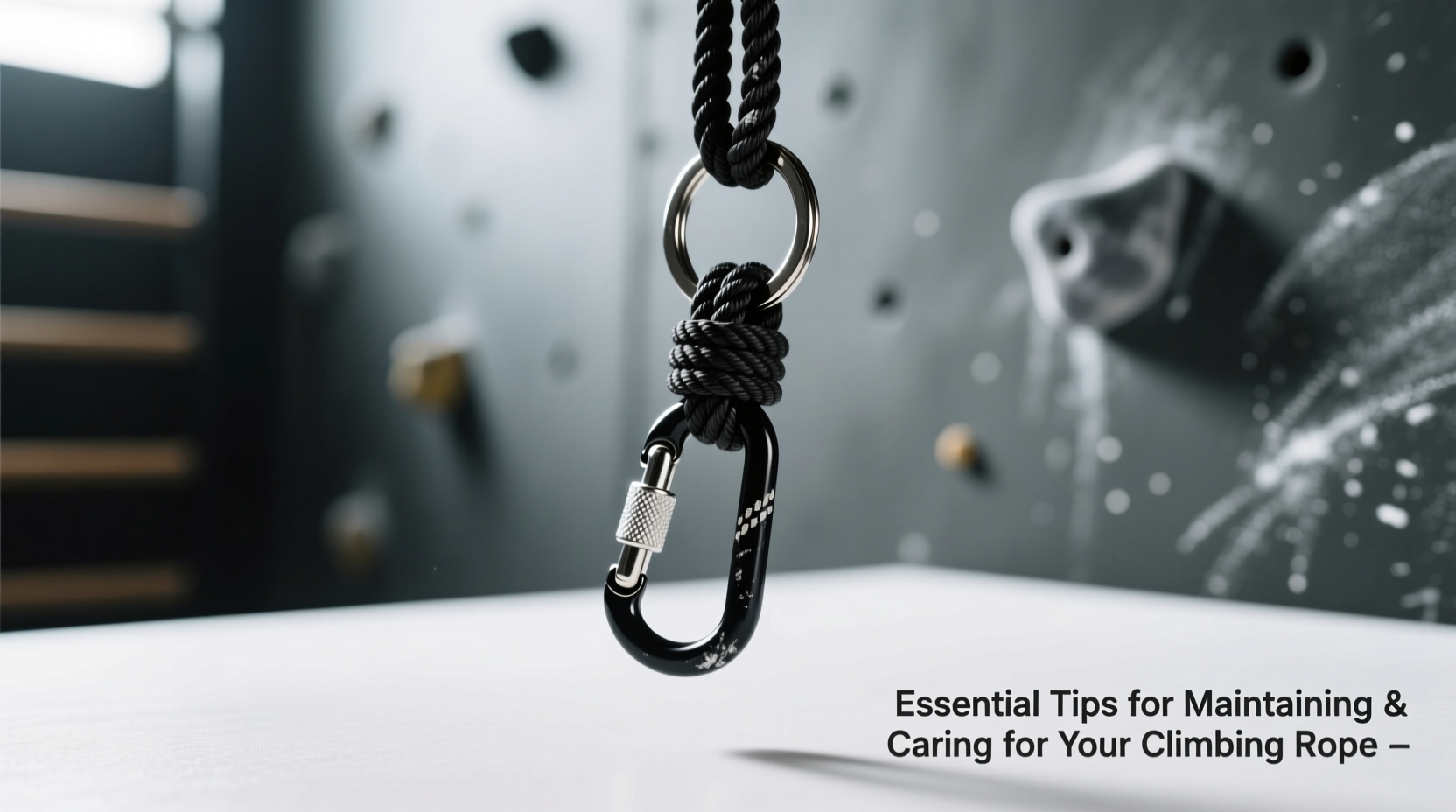
Most climbing rope style keychains are made from synthetic fibers like nylon or polyester, mimicking the core-sheath (kernmantle) structure of actual climbing ropes. The outer sheath provides abrasion resistance and visual texture, while the inner core contributes tensile strength. Though not intended for load-bearing use, this construction gives the keychain its signature durability and tactile appeal.
Because these materials are sensitive to environmental stressors, understanding their limitations is crucial. Nylon, for example, absorbs moisture more readily than polyester and can weaken when exposed to prolonged dampness. Both materials are vulnerable to UV degradation, which causes fading and fiber embrittlement. Recognizing these traits allows you to tailor your care routine effectively.
“Even decorative rope items benefit from climbing-grade maintenance principles. Respect the material, and it will last.” — Daniel Reyes, Outdoor Gear Technician & Rope Safety Instructor
Daily Handling and Wear Prevention
Your interaction with the keychain plays a major role in its longevity. Frequent friction against hard surfaces—like desks, door handles, or car interiors—can fray the braid over time. Similarly, attaching the keychain to heavy bundles of keys increases strain on the loop and splice points.
To minimize damage:
- Avoid dragging the keychain across rough surfaces.
- Keep it clipped to a dedicated key ring rather than letting it dangle loosely.
- Rotate usage if you own multiple keychains to distribute wear evenly.
Step-by-Step Cleaning Process
Regular cleaning removes grime, oils, and allergens without compromising the rope’s integrity. Follow this five-step method every 4–6 weeks, or immediately after exposure to mud, salt, or chemicals:
- Detach and inspect: Remove the keychain from your keys. Check for loose threads, discoloration, or weak spots.
- Dry brush: Use a soft-bristle toothbrush to gently dislodge surface dirt from the braid.
- Soak: Submerge in lukewarm water mixed with a small amount of mild detergent (e.g., wool wash or dish soap). Avoid bleach or solvents.
- Rinse thoroughly: Flush under clean running water until suds disappear. Residual soap attracts more dirt.
- Air dry: Lay flat on a towel in a shaded, ventilated area. Do not twist or wring. Allow 12–24 hours to dry completely.
Never machine-wash or tumble-dry a rope keychain. High agitation and heat can melt fibers and distort the weave.
Storage Best Practices
How you store your keychain between uses determines much of its lifespan. Ideal storage protects against three main threats: moisture, sunlight, and compression.
| Factor | Do | Avoid |
|---|---|---|
| Location | Inside a drawer or fabric pouch | Car glove compartment (heat buildup) |
| Humidity | Use silica gel packs nearby | Bathrooms or basements |
| Light Exposure | Opaque container away from windows | Sunlit shelves or dashboard clips |
| Shape Preservation | Lay flat or loosely coil | Tight knots or crumpling |
For travelers or those who switch bags frequently, consider a small zippered case dedicated to accessories. This prevents tangling and shields the rope from abrasive contact with other items.
Real-Life Example: A Climber’s Keychain Journey
Mark, an alpine guide based in Colorado, received a climbing rope keychain as a gift after summiting Longs Peak. He carried it daily on hikes, clipped to his backpack zipper. After eight months, he noticed fraying near the metal ring and fading along the top side. Upon inspection, he realized sweat and trail dust had accumulated, and constant sun exposure during summer climbs had bleached the nylon.
He cleaned it using the soaking method, stored it in a breathable cotton pouch during off-season, and began rotating it with a backup keychain. Two years later, both remain in excellent condition. “I treat it like my climbing gear,” Mark says. “A little attention goes a long way.”
Maintenance Checklist
Use this monthly checklist to keep your climbing rope style keychain in top condition:
- ✅ Inspect for fraying, discoloration, or loose splices
- ✅ Brush off visible debris with a soft brush
- ✅ Clean with mild soap and water (if needed)
- ✅ Confirm full dryness before reuse
- ✅ Rotate with alternate keychains to reduce wear
- ✅ Store in a cool, dark, dry place
- ✅ Avoid contact with lotions, sunscreen, or insect repellent
Frequently Asked Questions
Can I use my climbing rope keychain as a functional tool in emergencies?
No. While visually similar, these keychains are not rated for load-bearing tasks. They lack the engineering standards, testing, and safety certification of real climbing ropes. Never rely on them for rescue, anchoring, or securing gear.
Why is my keychain stiff after washing?
Stiffness usually results from residual detergent or incomplete rinsing. Soak again in clean water and rinse thoroughly. Air drying should restore flexibility within 24 hours. If stiffness persists, avoid chemical cleaners in the future.
Is it safe to get my keychain wet occasionally?
Short-term exposure to rain or splashes is generally fine, especially with polyester-based ropes. However, prolonged moisture—especially saltwater or chlorinated water—can accelerate fiber breakdown. Always dry promptly and thoroughly.
Preserve Meaning, Function, and Style
A climbing rope style keychain often carries sentimental value—a memento from a first climb, a gift from a mentor, or a symbol of personal growth. Its care should reflect that significance. By integrating simple habits like regular inspection, gentle cleaning, and mindful storage, you protect not just the physical object, but the stories it represents.
These small acts of maintenance align with the broader climbing ethos: respect for gear, preparation, and attention to detail. Just as climbers inspect their ropes before ascent, treating your keychain with the same diligence honors the culture it embodies.
💬 Take action today: Pull out your keychain, inspect it closely, and give it a gentle clean if needed. Share your care routine or favorite story in the comments—let’s build a community that values gear, memory, and responsibility.








