For women who cycle regularly—whether commuting, training, or exploring scenic trails—a reliable waist bag can transform the experience. Unlike bulky backpacks or inconvenient pockets, a well-chosen waist bag keeps essentials close at hand without compromising mobility. Yet with countless options on the market, selecting one that balances comfort, durability, and practicality requires careful consideration. This guide walks through the key factors that matter most, from anatomical fit to smart storage design, ensuring your choice supports both performance and peace of mind.
Understanding Your Cycling Needs
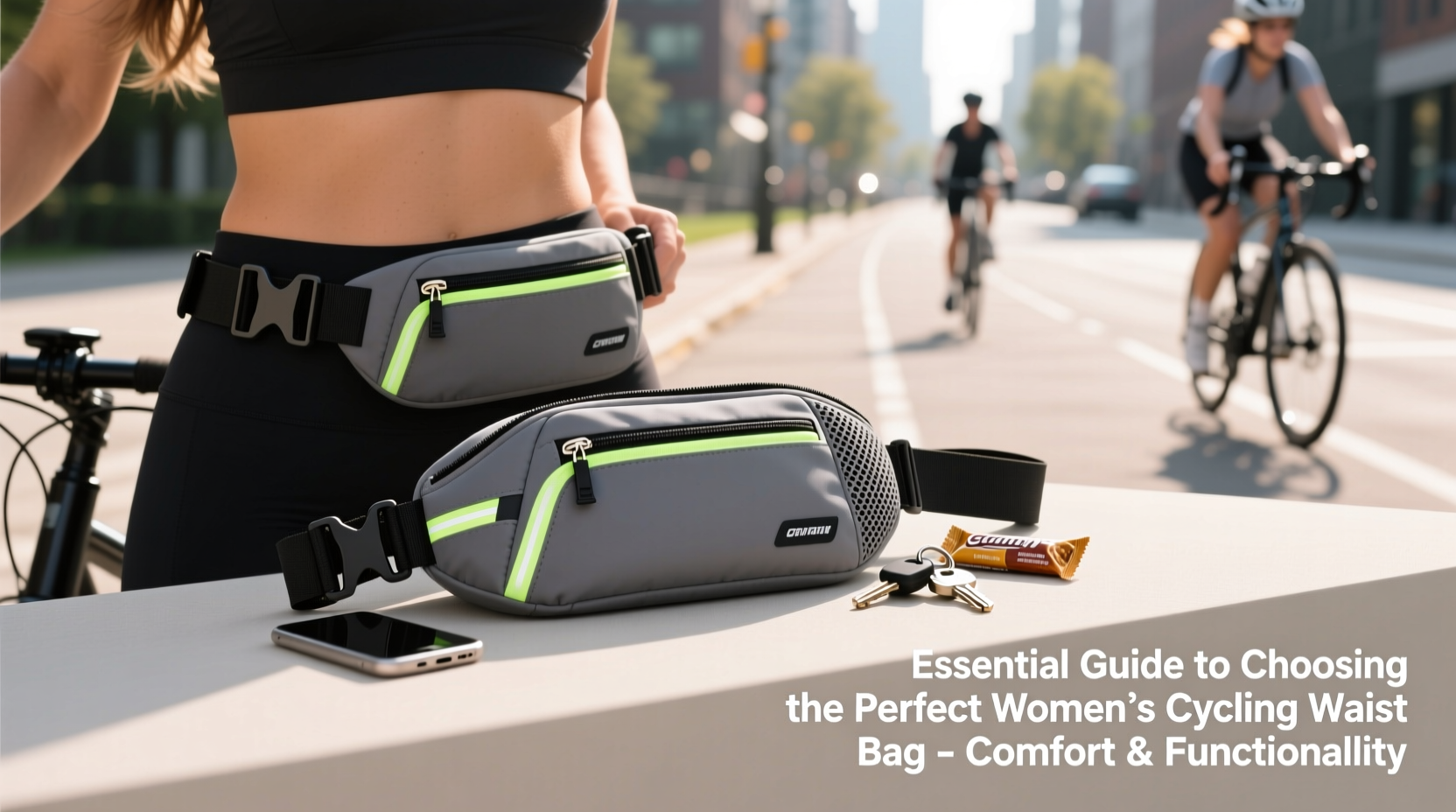
Before evaluating materials or features, define how you’ll use the waist bag. A commuter navigating city streets has different priorities than a trail rider covering long distances. Urban cyclists may prioritize security and quick access to phones and keys, while endurance riders need hydration compatibility and vibration resistance during prolonged movement.
Consider frequency and duration: occasional riders benefit from lightweight, minimal designs, whereas frequent users demand durability and ergonomic support. Also assess what you typically carry—phone, wallet, energy gels, multi-tool, rain jacket, or first-aid supplies. The more items, the greater the need for structured compartments and weight distribution.
Tip: Match bag size to actual load—not potential load. Overpacking defeats the purpose of streamlined carrying.Fit and Comfort: The Foundation of Usability
No amount of storage matters if the bag shifts, chafes, or restricts motion. Fit begins with adjustability. Look for waist straps with multiple sizing points and secure closures—hook-and-loop (Velcro) combined with buckle systems offer fine-tuned control. Elasticized bands enhance flexibility across body movements but should not stretch excessively over time.
The ideal position sits snugly on the hips, just above the pelvic bone, where natural motion minimizes bounce. Too high, and it interferes with breathing; too low, and it rubs against the upper thighs. Women-specific designs often feature contoured shapes that follow hip curves rather than relying on unisex rectangles.
Breathable back panels made from mesh or perforated foam prevent sweat buildup. Padding should be minimal—just enough to cushion pressure points without adding bulk. During testing, simulate pedaling motions to check stability. A quality bag remains stable even during aggressive climbs or sudden stops.
“Women’s anatomy requires distinct load distribution. A properly fitted waist bag should feel like an extension of the body, not a burden.” — Dr. Lena Torres, Sports Ergonomics Researcher, University of Colorado Boulder
Functional Design Features That Matter
Smart organization separates functional gear from cluttered accessories. Prioritize internal structure: dedicated slots for phones and cards reduce fumbling at intersections. Zippered main compartments protect contents from dust and moisture, while external elastic pockets allow rapid access to snacks or gloves.
Water resistance is non-negotiable. Even if not fully waterproof, coated fabrics like ripstop nylon or TPU-laminated polyester resist light rain and road spray. Sealed zippers add another layer of protection. For wet climates, consider models with built-in rain covers or removable dry liners.
Visibility enhances safety. Reflective trims, logos, or 360-degree piping improve detection in low-light conditions. Some premium models integrate clip-on blinker mounts or magnetic attachment points for small lights.
| Feature | Why It Matters | Top Picks Include |
|---|---|---|
| Adjustable Waistband | Ensures secure fit across body types and clothing layers | Double-lock buckles + stretch webbing |
| Phone Compartment | Protects device and allows screen visibility | Clear-touch vinyl panel with drainage |
| Ventilated Back Panel | Reduces heat buildup during extended wear | 3D mesh with air channels |
| Hydration Tube Port | Supports hands-free drinking from a bladder | Internal sleeve + exit hole near shoulder strap (if applicable) |
Step-by-Step Guide to Selecting Your Ideal Waist Bag
- Measure your waist or hips where you plan to wear the bag. Most manufacturers provide size charts based on circumference.
- List essential items you carry regularly (e.g., phone, ID, keys, energy bar).
- Determine capacity needs: 0.5–1L for minimalists; 1.5–3L for full-day rides.
- Evaluate closure types: Zippers offer security; drawstrings are faster but less weatherproof.
- Check weight distribution: Heavier items should sit closest to the back to minimize sway.
- Test bounce resistance: Jump in place or jog briefly with the loaded bag to assess movement.
- Assess accessibility: Can you open critical compartments without removing the bag?
- Verify care instructions: Machine-washable fabrics simplify maintenance after muddy rides.
Real-World Example: Trail Rider’s Upgrade Journey
Sophie, an avid mountain biker from Asheville, NC, used a generic running belt for years. While affordable, it bounced relentlessly on technical descents and lacked space for tools. After a flat tire left her stranded without a spare tube, she invested in a women-specific cycling waist pack with a 2.2L capacity, integrated multitool sleeve, and gel pocket.
The new bag featured a wide, padded hip belt with dual adjustment points and a breathable spacer mesh backing. On her next 25-mile loop, she noticed immediate improvements: no chafing, zero bounce, and easy access to nutrition. “I finally stopped dreading steep sections,” she said. “It stays put, even when I’m standing on the pedals.”
What to Avoid: Common Pitfalls
- Choosing style over function: Sleek looks mean little if contents rattle loose mid-ride.
- Ignoring gender-specific design: Men’s and women’s pelvises differ in width and angle—opt for tailored fits.
- Overlooking washability: Sweat and dirt degrade fabric over time; machine-washable linings extend lifespan.
- Skipping real-world testing: Try the loaded bag before committing—simulate riding posture indoors.
Frequently Asked Questions
Can I wear a waist bag under a jacket in winter?
Yes, provided the bag isn’t oversized. Opt for low-profile models and wear the jacket over the bag to retain warmth and prevent shifting. Ensure zippers remain accessible even with thick gloves.
Are waist bags safe for long-distance cycling?
Absolutely—if chosen correctly. Long rides demand balanced weight, breathability, and secure closures. Choose a model tested for endurance use, ideally with ventilation and padded contact zones.
How do I clean my cycling waist bag?
Empty all compartments and wipe down interiors with a damp cloth. For deeper cleans, remove inserts and hand-wash in mild soap. Air-dry away from direct sunlight to prevent material degradation.
Final Checklist Before Buying
- ✅ Adjustable, gender-specific fit
- Ensures stability and comfort across body shapes
- ✅ Water-resistant fabric and sealed zippers
- Protects electronics and documents in unpredictable weather
- ✅ Organized interior with phone-safe pocket
- Prevents scratches and enables touch-through operation
- ✅ Breathable back panel with anti-slip texture
- Minimizes sweat and maintains position during exertion
- ✅ Reflective details or light attachment point
- Improves visibility for early morning or evening rides
Conclusion
Selecting the perfect women’s cycling waist bag isn’t about chasing trends—it’s about aligning design with your real-life routine. From precise fit to intelligent storage, every detail contributes to a smoother, safer, and more enjoyable ride. Whether you're navigating rush-hour traffic or tackling rugged singletrack, the right waist bag becomes an invisible partner: always there, never intrusive. Take the time to assess your needs, test options thoroughly, and invest in quality. Your future self—riding comfortably, prepared, and unencumbered—will thank you.
💬 Found your favorite waist bag? Share your top pick and why it works for you—help fellow riders make smarter choices!








