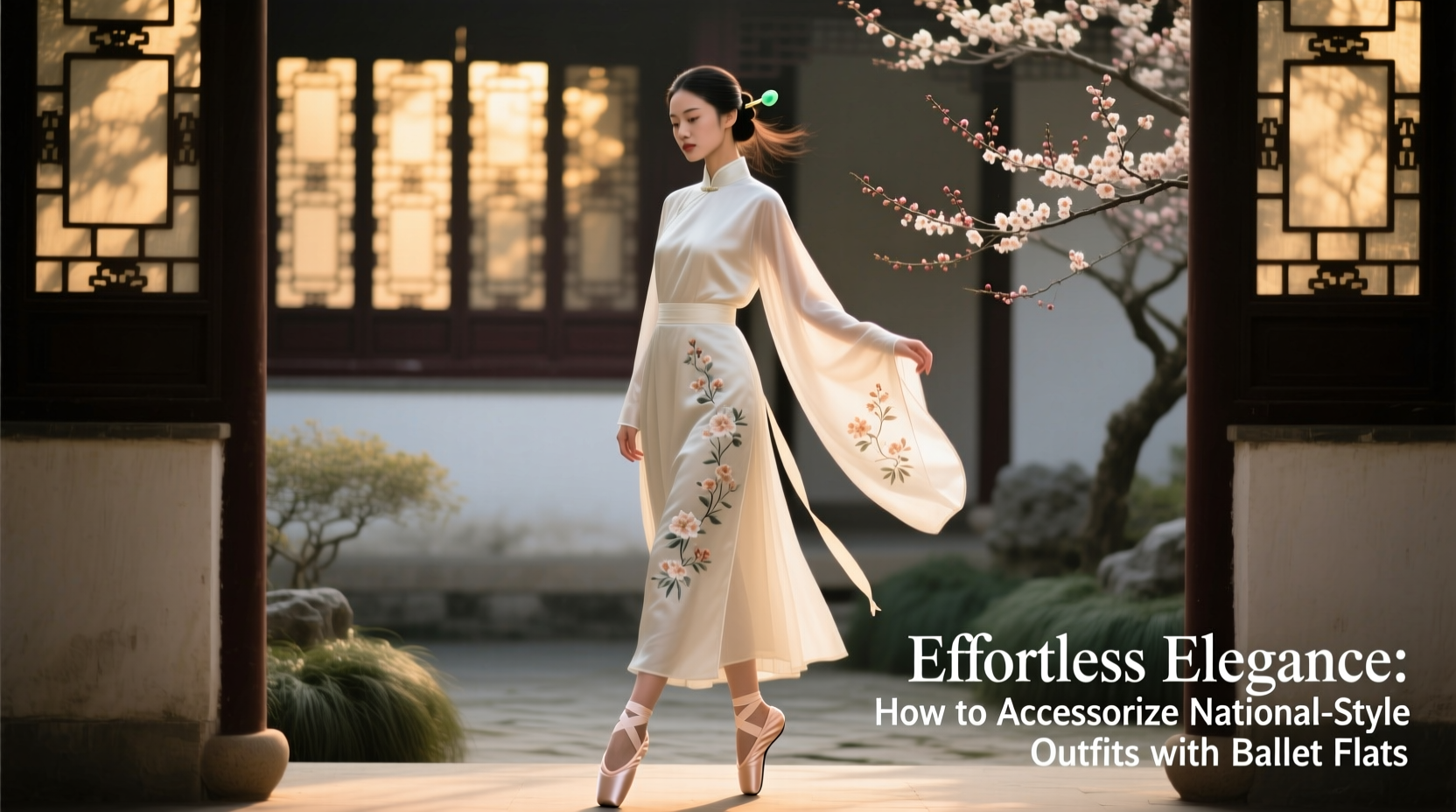
In an era where fashion increasingly celebrates cultural heritage, national style outfits—rich in embroidery, vibrant hues, and traditional silhouettes—are no longer reserved for ceremonial occasions. When styled thoughtfully, these garments can transition seamlessly into everyday wear. One of the most understated yet transformative elements in this evolution is footwear. Enter ballet flats: delicate, comfortable, and inherently graceful. Paired correctly, they bring a modern refinement to traditional ensembles without overshadowing their authenticity. The result? A look that feels both rooted and relevant—a true expression of effortless elegance.
The Harmony of Tradition and Modernity
National attire varies widely across cultures—from the Indian lehenga and Japanese kimono to the Mexican huipil and Scottish kilt—but what unites them is intentionality in design. These garments carry stories, symbolism, and centuries of craftsmanship. The challenge lies not in preserving tradition, but in interpreting it through a contemporary lens. Ballet flats, with their minimalist structure and soft lines, serve as a neutral bridge between past and present.
Unlike heels that command attention or sneakers that lean casual, ballet flats offer subtle polish. Their low profile keeps the focus on intricate textiles while adding a touch of sophistication. This balance is essential when modernizing traditional looks without diluting their cultural significance.
“Footwear should complement, not compete. With national wear, the outfit tells the story—your shoes simply set the tone.” — Lila Chen, Cultural Fashion Curator
Choosing the Right Ballet Flat for Your National Ensemble
Not all ballet flats are created equal. To achieve harmony with traditional clothing, consider material, color, and detailing carefully.
- Material: Opt for leather, suede, or satin depending on the formality of the outfit. Satin pairs beautifully with silk saris or embroidered kimonos; matte leather works well with earth-toned African prints or Scandinavian folk dresses.
- Color: Match or contrast subtly. Neutral tones like nude, black, or metallics (gold, rose gold) are universally flattering. For bolder statements, select a flat in one of the secondary colors from your garment’s palette.
- Details: Embellishments like bows, cutouts, or stitching can echo motifs in your outfit. A flat with delicate beadwork might mirror the embroidery on a Punjabi suit, creating visual continuity.
Styling Strategies by Cultural Outfit Type
Different national styles call for nuanced approaches. Here’s how to pair ballet flats effectively across four prominent traditions:
| Outfit Type | Recommended Flat Style | Styling Notes |
|---|---|---|
| Indian Saree or Lehenga | Satin or embellished flats in gold/silver | Choose juttis-inspired ballet flats for fusion appeal. Ensure heel height doesn’t catch the pallu. |
| Japanese Kimono or Yukata | Minimalist leather flats in black or navy | Avoid socks unless wearing tabi-style flats. Keep lines clean to honor the garment’s structure. |
| Mexican Huipil or Puebla Dress | Bold-colored flats with artisanal details | Pick up one thread color from the embroidery. Consider handmade leather flats for authenticity. |
| Scandinavian Folkdräkt | Neutral wool-lined ballet flats | Wool or felt flats maintain warmth and tradition while offering comfort during extended wear. |
Real Example: A Modern Diwali Celebration
Rina, a software engineer based in Toronto, wanted to honor her Indian roots during Diwali without feeling overdressed at a mixed-culture gathering. She chose a coral-pink Anarkali with gold threadwork and paired it with rose-gold satin ballet flats featuring a small bow. Instead of traditional juttis, she opted for a Western silhouette with Eastern flair. The result was a head-turning ensemble that felt festive yet wearable. “I danced all night,” she said, “and didn’t have to hide my shoes under the table because they hurt.” Her choice exemplified how thoughtful footwear can enhance both comfort and confidence.
The Step-by-Step Guide to Polishing Your Look
Follow this five-step process to ensure your national outfit and ballet flats create a cohesive, elegant appearance:
- Assess the outfit’s formality. Is it heavily embroidered? Made of silk? This determines whether you need luxe materials like satin or can opt for matte finishes.
- Select a shoe color that harmonizes. Use a color wheel app to extract dominant and accent hues from your garment. Choose a flat in either the primary or secondary shade.
- Consider the hemline. Floor-length garments work best with pointed or almond-toe flats to elongate the leg. For ankle-length pieces, round toes add softness.
- Coordinate accessories. Match your flats to your jewelry or clutch. If wearing gold jewelry, gold-tone hardware on the flat ties everything together.
- Test for comfort and movement. Walk in your outfit at home. Ensure the flat doesn’t slip off and that transitions from sitting to standing feel natural.
Common Mistakes to Avoid
Even well-intentioned styling can go awry. Watch out for these pitfalls:
- Mismatched proportions: Oversized outfits with dainty flats can look unbalanced. Add a belt or structured bag to define the waist.
- Cultural dissonance: Pairing sacred garments (like a Hawaiian malo or Maori korowai) with casual footwear may be inappropriate. Research cultural context first.
- Over-accessorizing: If your flat has a bow or gem detail, keep other accessories minimal. Let one element shine.
- Ignoring climate: Leather flats in humid weather can cause discomfort. Linen-lined or perforated flats improve breathability.
Essential Checklist: Accessorizing National Wear with Ballet Flats
Before stepping out, run through this checklist to perfect your look:
- ✅ Flat material complements fabric weight (e.g., satin with silk, cotton with linen)
- ✅ Color aligns with either dominant or accent tone in the outfit
- ✅ Shoe toe shape flatters your foot and outfit length
- ✅ No visible wear or scuffing on flats
- ✅ Accessories (bag, jewelry) echo a detail from the shoe or vice versa
- ✅ You can walk comfortably for at least 30 minutes without adjusting your shoes
Frequently Asked Questions
Can I wear ballet flats with formal national attire?
Absolutely—especially if the flat is made from luxurious materials like silk, velvet, or metallic leather. In many cultures, low-heeled footwear is traditionally preferred for indoor ceremonies, making ballet flats a respectful and stylish option.
Are patterned ballet flats appropriate?
Only if the pattern directly references a motif in your outfit. A floral print on a flat worn with a plain Korean hanbok might clash. However, a flat with a paisley trim matching a Mughal-inspired jacket creates intentional synergy.
How do I care for embellished ballet flats?
Store them in individual dust bags to prevent scratching. Clean gently with a dry microfiber cloth. Avoid water exposure, especially on glued-on beads or sequins. Rotate pairs to extend lifespan.
Conclusion: Elevate Culture with Quiet Confidence
Effortless elegance isn’t about extravagance—it’s about intention. When you pair national style outfits with thoughtfully chosen ballet flats, you’re not just dressing for the occasion; you’re redefining what heritage fashion can be. You honor tradition while asserting your place in the modern world. Every step becomes a quiet celebration of identity, comfort, and grace.
💬 What’s your go-to flat for traditional wear? Share your favorite pairing and inspire others to blend culture and comfort with confidence.








