Skateboarding is as much about style and expression as it is about skill and endurance. But behind every smooth ollie and tight kickflip lies a pair of hardworking skate shoes—often taking the brunt of pavement impacts, grip tape abrasion, and constant friction. Without proper care, even high-quality skate shoes can degrade rapidly, losing support, traction, and comfort. The good news: with smart habits and preventive measures, you can significantly reduce wear and extend the life of your favorite pairs. This guide outlines proven strategies that serious skaters use to keep their footwear in top condition, saving money and maintaining optimal performance.
Choose the Right Shoes for Your Style
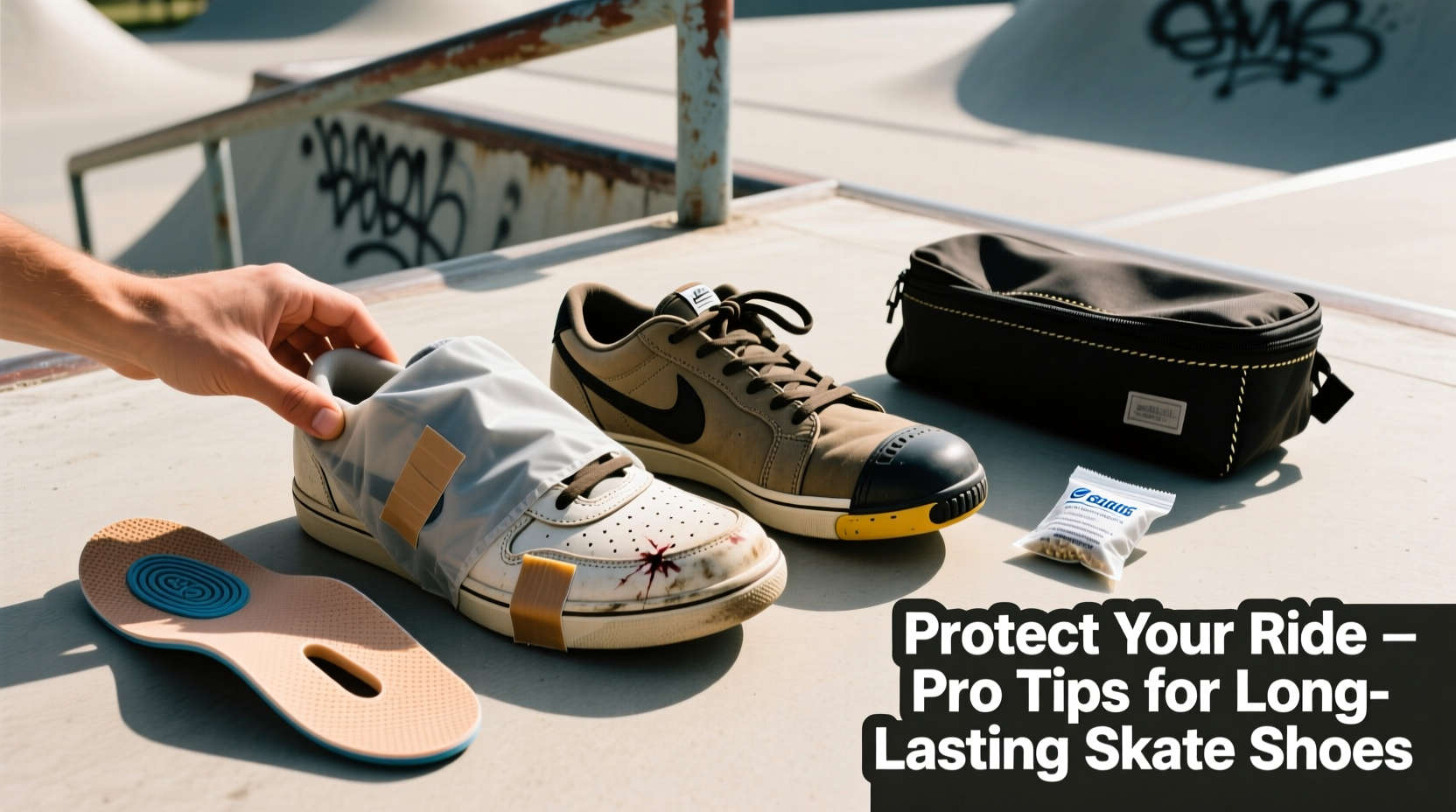
Not all skate shoes are created equal. Different skating styles—street, park, vert, or long-distance cruising—place unique demands on footwear. Selecting the right shoe for your routine is the first line of defense against premature damage.
High-top models generally offer better ankle support and reinforced sidewalls, ideal for technical street skating. Low-tops provide greater flexibility and lighter weight, preferred by many transition skaters. Look for features like double-stitched soles, vulcanized or cupsole construction, and rubber wrap-around toe caps. Brands such as Nike SB, Vans, Etnies, and DVS design shoes specifically to endure repeated impact and abrasion.
Tip: Rotate between two or more pairs of skate shoes to allow each to rest and recover between sessions, reducing material fatigue.Implement a Regular Cleaning Routine
Dirt, dust, and moisture accelerate the breakdown of shoe materials. A consistent cleaning schedule prevents buildup that weakens adhesives and degrades fabric. After each session, especially if skating in wet or muddy conditions, remove the laces and wipe down the uppers with a damp cloth. Use a soft-bristled brush to clean the outsoles and tread grooves where grip tape shavings accumulate.
For deeper cleaning, mix a small amount of mild detergent with water and gently scrub the canvas or synthetic upper. Avoid soaking the shoes—excess water compromises glue bonds and padding. Never toss skate shoes in the washing machine; the agitation can delaminate soles and warp the structure.
“Shoe longevity isn’t just about how tough the rubber is—it’s about maintenance. Skaters who clean after every session see twice the wear time.” — Marcus Tran, Footwear Technician at ProGrip Labs
Protect Against Grip Tape Abrion
Grip tape is essential for control, but its sandpaper-like surface is the primary cause of upper shoe wear, particularly around the toe box and medial side of the front foot. Over time, this leads to fraying, holes, and compromised structural integrity.
To minimize abrasion:
- Apply grip tape wax or silicone-based protectants to dull the surface slightly without sacrificing traction.
- Use heel guards or toe caps made from adhesive rubber patches. These act as sacrificial layers, absorbing wear instead of your shoe.
- Consider using griptape cutouts over high-wear zones if you perform frequent flip tricks.
- Rotate your stance occasionally to distribute wear more evenly across both shoes.
Step-by-Step: Applying a Toe Guard
- Clean the toe area thoroughly with rubbing alcohol to remove oils and debris.
- Measure and cut the adhesive rubber patch to fit the high-wear zone.
- Peel the backing and press firmly onto the shoe, ensuring no air bubbles.
- Use a credit card or roller to smooth the surface and enhance adhesion.
- Allow 24 hours before heavy skating to ensure full bonding.
Store and Dry Shoes Properly
Improper storage leads to odor, mold, and material warping. Always let your shoes air dry after skating—never place them near direct heat sources like radiators or heaters, which can crack rubber and shrink fabrics.
Instead, remove the insoles and stuff the interior with crumpled newspaper or use cedar shoe trees to absorb moisture and maintain shape. Store shoes in a cool, dry, ventilated space away from sunlight, which fades colors and weakens polymers.
| Practice | Benefit | Risk if Ignored |
|---|---|---|
| Air drying with insoles removed | Prevents bacterial growth and odor | Mold, persistent smell, degraded lining |
| Storing in breathable cotton bag | Reduces dust and UV exposure | Fading, dust buildup, stiffness |
| Rotating between multiple pairs | Allows materials to rebound | Collapsed cushioning, sole separation |
Monitor Wear Patterns and Repair Early
Regular inspection helps catch problems before they become irreversible. Check for:
- Slight lifting at the sole edges (early delamination)
- Thinning or bubbling in the heel cushion
- Frayed stitching along the toe cap or eyelets
- Loss of tread depth on the outsole
Minor issues can often be addressed with DIY repairs. For example, applying a flexible shoe adhesive like Barge All-Purpose Cement to a separating sole can restore integrity. Reinforce worn stitching with a needle and heavy-duty waxed thread. Some skaters even use liquid rubber coatings (e.g., Shoe Goo) on high-friction zones as a preventative layer.
Tip: Apply a thin layer of rubber sealant to the outsole edge every few weeks to prevent moisture ingress and slow down sole breakdown.Real Example: Jamie’s Extended Shoe Life
Jamie, a street skater from Portland, noticed her favorite Vans wore out within six weeks of daily use. After consulting a local skate shop technician, she began rotating three pairs weekly, applying adhesive toe guards, and cleaning them after every session. She also started storing them with cedar inserts and avoiding rainy-day skating unless necessary. As a result, each pair now lasts over four months—a 300% increase in lifespan—without sacrificing board feel or performance.
Essential Care Checklist
Follow this checklist weekly to keep your skate shoes in prime condition:
- ✅ Wipe down uppers and soles after each skate session
- ✅ Inspect for loose stitching or sole separation
- ✅ Replace insoles every 2–3 months for hygiene and support
- ✅ Reapply protective coating to toe and heel areas
- ✅ Rotate to a fresh pair if one shows signs of heavy wear
- ✅ Store in a dry, ventilated area away from sunlight
Frequently Asked Questions
Can I use regular shoe polish on my skate shoes?
No—most traditional polishes contain waxes and solvents that can stiffen canvas and degrade rubber. Stick to cleaners formulated for athletic footwear or mild soap and water.
How do I know when it’s time to replace my skate shoes?
Replace them when you notice significant loss of cushioning, visible holes in the upper, deep cracks in the sole, or reduced board feel. Even if they look okay externally, compressed midsoles lose shock absorption, increasing injury risk.
Do sock liners help reduce wear?
Yes. Wearing moisture-wicking liner socks under your regular socks reduces internal friction and sweat buildup, helping preserve the shoe’s interior lining and preventing odor-causing bacteria.
Final Thoughts
Skate shoes are an investment in your craft. Every pop-shuvit and grind takes a toll, but proactive care makes a dramatic difference in durability and comfort. From choosing the right build to implementing simple cleaning and protection routines, the strategies outlined here empower you to get the most out of every pair. You don’t need expensive tools or complicated rituals—just consistency and attention to detail.
💬 What’s your go-to method for protecting your skate shoes? Share your tips and experiences with the community—your insight could help others ride longer and stronger.








