Sportswear is designed to wick sweat and support intense physical activity, but that same functionality makes it prone to trapping odor-causing bacteria and fungi. Over time, even regular washing may fail to remove the lingering smell of stale sweat, especially in synthetic fabrics like polyester and nylon. These odors aren’t just unpleasant—they can degrade fabric integrity and discourage consistent use of workout gear. The good news is that with the right approach, you can permanently neutralize stubborn smells and extend the life of your athletic clothing.
The key lies in understanding why odors persist and applying targeted strategies that go beyond standard laundry routines. From pre-treatment solutions to drying techniques, every step plays a role in achieving truly fresh, odor-free performance wear.
Why Regular Washing Often Fails
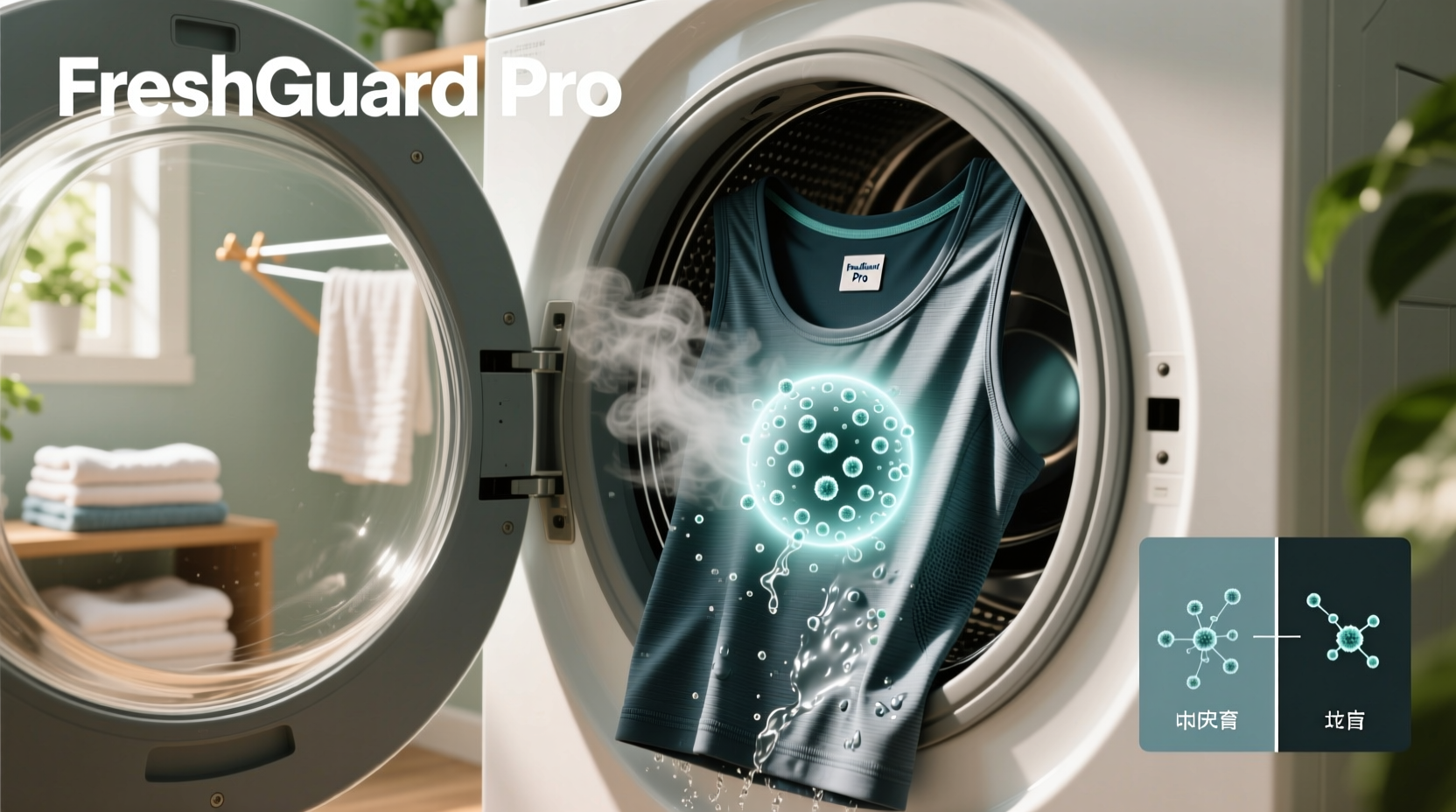
Most people assume tossing their gym clothes into the washing machine eliminates all odor. However, conventional detergents often fall short when dealing with hydrophobic (water-repelling) synthetic fibers. These materials attract oils and bacteria more readily than cotton, and the microbes embed deep within the fiber structure during workouts. Standard wash cycles—especially cold water or quick loads—don’t generate enough heat or agitation to fully extract these contaminants.
Moreover, many detergents contain fillers and fragrances that mask rather than eliminate odors. Residue buildup from softeners and incomplete rinsing further traps moisture and bacteria, creating a breeding ground for recurring smells. This explains why some shirts still reek after being “cleaned.”
Tip: Skip fabric softener entirely—it coats fibers and reduces breathability, worsening odor retention.Step-by-Step Guide to Deep-Cleaning Sportswear
To break down persistent odors at the source, follow this comprehensive cleaning process:
- Pre-soak in vinegar or baking soda solution: Fill a basin with cold water and add one cup of white vinegar or half a cup of baking soda. Submerge garments for 30–60 minutes before washing. Vinegar’s acetic acid disrupts bacterial colonies, while baking soda neutralizes acidic odor compounds.
- Wash inside out with odor-fighting detergent: Turn clothes inside out to expose sweat-stained inner layers. Use a sports-specific detergent containing enzymes (like protease or lipase) that break down proteins and fats in sweat.
- Use warm water (if fabric allows): Check care labels. If safe, set the washer to warm (not hot) water—around 30–40°C (86–104°F)—to enhance detergent activation without damaging elasticity.
- Add an odor-neutralizing booster: Include oxygen-based bleach (e.g., sodium percarbonate) instead of chlorine bleach, which degrades spandex. It releases hydrogen peroxide in water, killing microbes gently. <5> Double rinse cycle: Ensure all detergent and residue are flushed out. Residual soap attracts dirt and odors over time.
- Air dry thoroughly: Avoid damp piles. Hang clothes in direct sunlight if possible—UV rays have natural disinfectant properties. Never leave wet gear bunched in a gym bag.
Do’s and Don’ts: Best Practices for Odor-Free Activewear
| Do’s | Don’ts |
|---|---|
| Wash sportswear immediately after use | Leave sweaty clothes in a hamper for days |
| Use enzyme-based detergents | Use regular detergent with heavy fragrance masking |
| Air dry in sunlight when possible | Tumble dry on high heat regularly (can damage fibers) |
| Store completely dry garments in ventilated areas | Keep damp clothes in plastic bags or sealed drawers |
| Spot treat stains before washing | Apply undiluted vinegar or alcohol directly to fabric |
Expert Insight: The Science Behind Fabric Odors
“Odor in synthetic sportswear isn’t just about sweat—it’s microbial metabolism. Bacteria like *Micrococcus* feed on amino acids in sweat and produce volatile organic compounds that smell like ammonia or rancid cheese. Enzymatic cleaners and proper pH balance are essential to disrupt this cycle.” — Dr. Lena Torres, Textile Microbiologist at Advanced Performance Materials Lab
This microbial activity thrives in dark, moist environments—exactly what happens when you toss damp leggings into a gym duffel. Even if clothes feel dry on the surface, micro-moisture remains trapped between fibers. That’s why prevention starts the moment you finish exercising.
Real Example: How a Marathon Runner Solved Chronic Jersey Smell
Mark, a competitive runner from Portland, struggled with his favorite moisture-wicking jersey developing a sour odor after just two wears—despite weekly washes. He tried doubling detergent, adding essential oils, and even freezing the garment (a popular hack), but nothing worked long-term.
After consulting a sports apparel technician, he changed his routine: he began pre-soaking in a mix of cold water and one cup of baking soda for 45 minutes, then washed using a detergent formulated for activewear with added oxygen bleach. He also stopped using dryer sheets and switched to line-drying outdoors. Within three weeks, the odor vanished completely and hasn’t returned in six months. His jersey now lasts longer and feels fresher after each run.
Checklist: Maintain Freshness Between Washes
- Hang up sportswear immediately after use to air out
- Use a spray bottle with diluted vinegar (1:3 with water) to mist inner linings post-workout
- Rotate multiple sets of workout clothes to avoid overuse
- Store clean gear in breathable cotton bags, not plastic
- Inspect seams and underarms monthly for early mildew signs
- Wash mesh-lined bras and compression wear separately to prevent cross-contamination
Frequently Asked Questions
Can I use essential oils to make my sportswear smell better?
While essential oils like tea tree or eucalyptus have mild antimicrobial properties, they don’t penetrate deep into fibers and can leave oily residues. They’re best used sparingly in DIY sprays for surface freshness—not as a substitute for deep cleaning.
Is it safe to use bleach on colored workout clothes?
No chlorine bleach—it will fade colors and weaken elastic fibers. Instead, use color-safe oxygen bleach (sodium percarbonate), which is gentle on dyes and highly effective against odor-causing microbes when used in warm water.
How often should I replace smelly sportswear?
If garments retain odor despite repeated deep-cleaning attempts, the fibers may be too degraded to recover. Consider replacing items every 6–12 months depending on usage. Persistent smells signal structural breakdown and reduced performance.
Final Thoughts: Build a Sustainable Routine for Lasting Freshness
Eliminating persistent odors from sportswear isn’t about one powerful fix—it’s about consistency and precision. By treating sweat as a biological contaminant rather than just a stain, you shift from masking smells to eradicating their root cause. Incorporating enzyme detergents, proper drying habits, and smart storage transforms how your gear performs and feels.
Over time, these practices not only keep clothes smelling fresh but also preserve elasticity, color, and moisture-wicking abilities. You’ll get more value from each piece and reduce waste by extending garment life. Most importantly, stepping into clean, odor-free activewear enhances confidence and comfort—key elements in any fitness journey.
🚀 Ready to reclaim your fresh start? Pick one stubborn item from your drawer today and apply the deep-clean method. Share your results or tips with others facing the same battle—because everyone deserves workout gear that works as hard as they do.








