Elastic band ballet flats are a wardrobe staple for many—offering elegance, comfort, and versatility. Whether worn to the office, on a weekend stroll, or paired with a dress for an evening out, their sleek design and snug fit make them a favorite. However, frequent use exposes them to dirt, sweat, scuffs, and stains. Improper cleaning can lead to stretched elastic, faded fabric, cracked leather, or misshapen soles. Preserving their appearance and structural integrity requires a thoughtful approach. This guide outlines proven, gentle techniques to clean your ballet flats effectively while protecting their delicate components.
Understanding the Construction of Ballet Flats
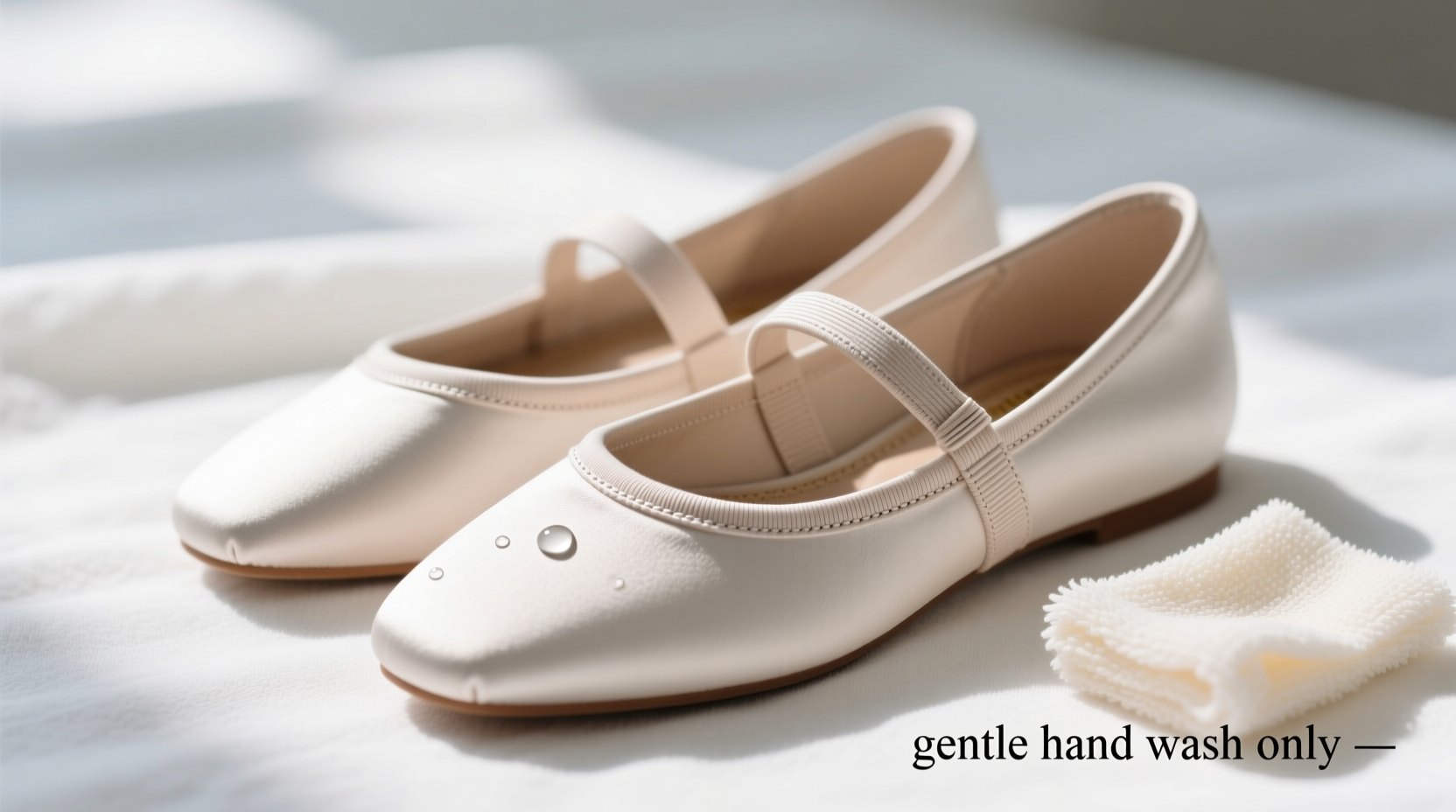
Ballet flats typically consist of multiple materials: a fabric, suede, or leather upper; a thin insole; a lightweight sole; and an elastic band across the instep that ensures a secure fit. The elastic is often stitched into the upper material, making it vulnerable during aggressive cleaning. The shoe’s flat structure also means it lacks internal support, increasing susceptibility to warping when wet.
Before cleaning, identify the primary material of your flats:
- Fabric (cotton, satin, canvas): Absorbs moisture easily but may shrink or bleed if washed incorrectly.
- Leather: Durable but sensitive to water and harsh detergents; prone to cracking if not conditioned.
- Suede/Nubuck: Soft and stylish but highly absorbent and easily stained; requires specialized care.
- Synthetic blends: Often more resilient, but adhesives and elastic bands may degrade under heat or strong solvents.
Cleaning methods must align with both the upper material and the presence of elastic, which can lose elasticity when exposed to high heat or prolonged moisture.
Tip: Always check the care label inside the shoe, if present. When in doubt, test any cleaning method on a small, inconspicuous area first.Step-by-Step Guide to Cleaning Different Materials
Cleaning ballet flats isn’t one-size-fits-all. Below are detailed procedures tailored to common materials, designed to protect the elastic band and maintain structural integrity.
Fabric Ballet Flats (Cotton, Satin, Canvas)
- Remove surface dirt using a soft-bristled brush or dry cloth.
- Mix a solution of lukewarm water and mild detergent (such as baby shampoo or dish soap).
- Dip a microfiber cloth into the solution, wring thoroughly until damp—not wet.
- Gently dab and wipe stained areas, avoiding saturation around the elastic band.
- Use a cotton swab for precision cleaning near seams and edges.
- Wipe with a clean, damp cloth to remove soap residue.
- Stuff the interior with white tissue paper or a shoe tree to retain shape.
- Let air-dry at room temperature, away from direct sunlight or heaters.
- Once fully dry, lightly brush the surface to restore texture.
Leather Ballet Flats
- Wipe away dust and surface grime with a dry, lint-free cloth.
- Apply a small amount of leather cleaner to a soft cloth—never directly on the shoe.
- Work in circular motions, focusing on soiled areas while minimizing contact with the elastic.
- Buff gently with a dry section of the cloth.
- After cleaning, apply a matching leather conditioner to prevent drying and cracking.
- Allow shoes to rest overnight in a ventilated area before wearing.
Suede or Nubuck Ballet Flats
- Use a suede brush or eraser to lift surface dirt and revive nap.
- For stains, apply a specialized suede cleaner with a sponge or soft cloth.
- Avoid soaking; use minimal moisture and never submerge.
- If water spots occur, let them dry completely, then brush evenly to blend.
- Consider applying a suede protector spray after cleaning to resist future stains.
- Never use heat; store flat with tissue inside to maintain form.
Do’s and Don’ts: Maintaining Elastic Integrity
The elastic band is critical for fit but fragile under stress. Follow these guidelines to preserve its function and appearance.
| Do | Don’t |
|---|---|
| Hand-clean with minimal moisture near elastic | Soak the shoe or scrub vigorously around the band |
| Use cool, indirect airflow to dry | Place near radiators, heaters, or in direct sun |
| Rotate wear to reduce strain on elastic | Wear the same pair daily without rest periods |
| Store with tissue to maintain tension | Crush or fold in crowded closets |
| Condition leather regularly to support stitching | Use alcohol-based cleaners near elastic seams |
“Elastic degradation is often due to repeated exposure to moisture and heat, not just age. Gentle cleaning and proper drying can extend the life of the band by months, even years.” — Lena Torres, Footwear Care Specialist, ShoeRevive Labs
Mini Case Study: Reviving a Stained Pair of Satin Flats
Sophia, a teacher from Portland, wore her favorite blush-pink satin ballet flats weekly. After several months, the toes were dulled by sidewalk grime, and a coffee spill left a visible stain near the arch. Fearing damage, she avoided washing them—until the odor became noticeable.
She followed the fabric-cleaning method outlined above: using a mix of cold water and a drop of baby shampoo on a microfiber cloth. She carefully cleaned the stained area, avoided wetting the elastic, and stuffed the shoes with white paper towels. After 12 hours of air-drying, the flats looked nearly new. The elastic retained its stretch, and the color remained vibrant. By adopting a bi-monthly maintenance routine, Sophia extended the life of her flats well beyond her expectations.
Essential Checklist for Safe Cleaning
Before you begin cleaning your elastic band ballet flats, follow this checklist to ensure optimal results:
- ✔ Identify the material (fabric, leather, suede, synthetic)
- ✔ Locate and inspect the elastic band for wear or loose stitching
- ✔ Gather supplies: soft cloths, mild detergent, suede brush (if needed), leather conditioner (if applicable)
- ✔ Test cleaning solution on a hidden area (e.g., inside tongue or heel seam)
- ✔ Remove laces or insoles if possible (though most ballet flats have fixed interiors)
- ✔ Prepare stuffing (white tissue or shoe trees) to maintain shape
- ✔ Choose a dry, shaded space for air-drying
- ✔ Allow 24 hours before re-wearing, even if shoes feel dry
Frequently Asked Questions
Can I put ballet flats in the washing machine?
No. The agitation and water immersion can break down adhesives, warp the sole, stretch or snap the elastic, and cause irreversible shrinking or bleeding of dyes. Hand-cleaning is the only safe method.
How often should I clean my ballet flats?
Light surface wiping after every few wears helps prevent buildup. A deeper clean is recommended every 4–6 weeks with regular use, or immediately after spills or exposure to mud or rain.
Why does the elastic on my flats keep breaking?
Repeated stretching without rest, exposure to moisture, high heat, or poor-quality materials contribute to elastic failure. Rotating between multiple pairs and storing them properly reduces strain and prolongs lifespan.
Conclusion: Care That Honors Craftsmanship
Ballet flats are more than casual footwear—they represent a blend of design, comfort, and personal style. Their delicate construction demands respect and attention during cleaning. By understanding the materials, respecting the limitations of elastic, and following careful, consistent routines, you can keep your flats looking fresh and functioning well for seasons to come.
💬 Have a trusted cleaning trick for your favorite flats? Share your experience in the comments and help others preserve their footwear with confidence.








