Breathable sports leisure shoes are designed for comfort, performance, and everyday wear. Constructed with mesh, knit uppers, and moisture-wicking linings, they promote airflow and reduce sweat buildup. However, this breathability also makes them prone to absorbing dirt, odor, and grime over time. Cleaning them improperly—using harsh chemicals, soaking them, or tossing them in the washing machine—can compromise their structure, cushioning, and breathability. The key is using gentle, targeted techniques that preserve the shoe’s integrity while restoring freshness and appearance.
Why Breathable Shoes Need Special Care
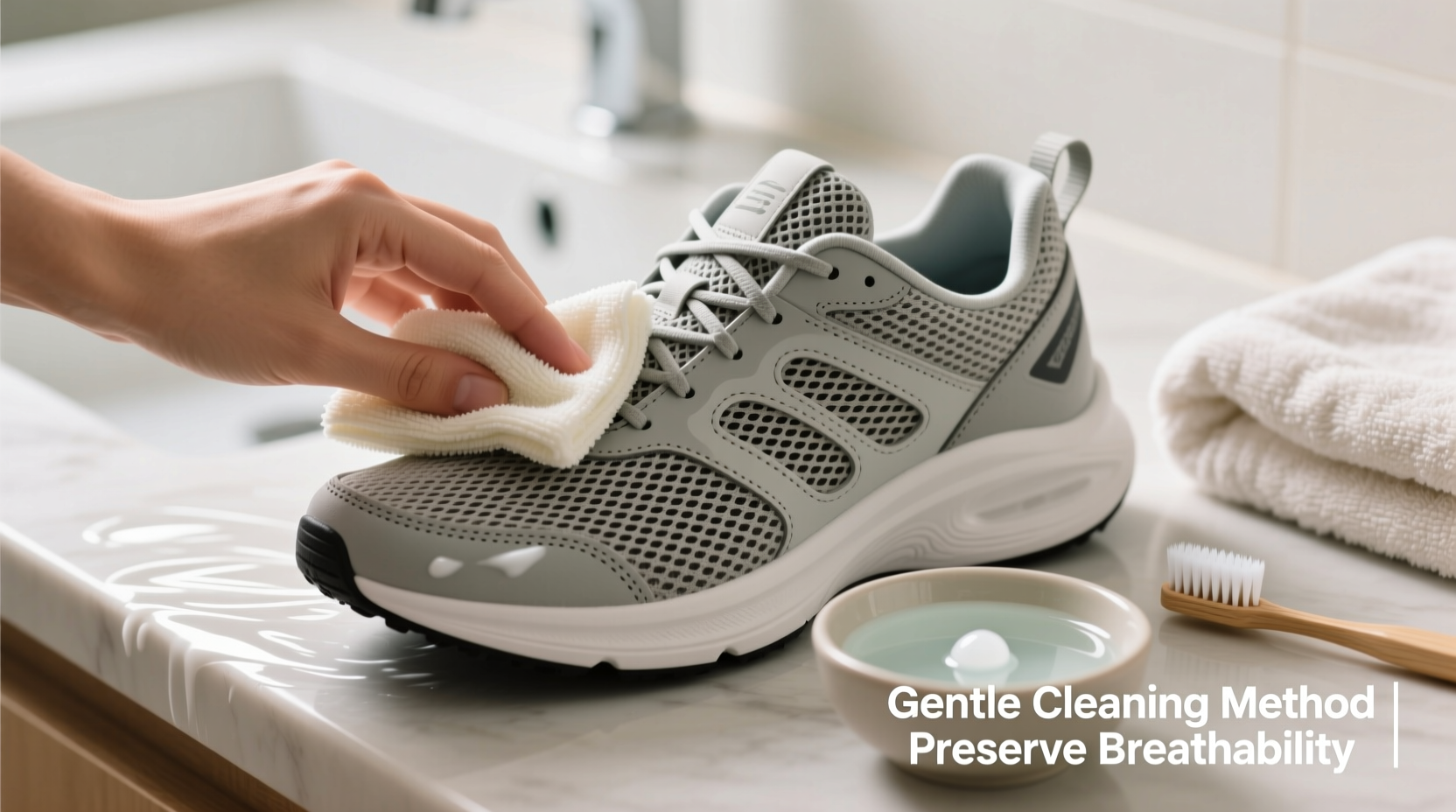
Unlike traditional leather or synthetic sneakers, breathable shoes often use advanced textiles like engineered mesh, Flyknit, Primeknit, or 3D-knit fabrics. These materials are lightweight and flexible but can degrade when exposed to excessive water, heat, or abrasive scrubbing. Additionally, midsoles made from EVA foam or similar compounds are sensitive to prolonged moisture exposure, which may lead to breakdown, odor retention, or delamination.
Cleaning these shoes isn’t just about aesthetics—it directly impacts hygiene, longevity, and performance. Sweat and bacteria trapped in the fabric lining can cause persistent odors and even skin irritation. Regular maintenance prevents buildup and ensures your shoes continue to perform as intended.
Tip: Never submerge breathable shoes in water. Spot cleaning and air drying are safer and more effective.Step-by-Step Guide to Safe Cleaning
Cleaning breathable sports leisure shoes requires a methodical approach. Follow this timeline for best results:
- Remove laces and insoles – This allows you to clean each component separately and access hidden areas.
- Dry brush off loose debris – Use a soft-bristle brush (like an old toothbrush) to gently remove surface dirt from the upper, sole, and tread.
- Pretreat stains – Dampen a microfiber cloth with a small amount of mild detergent mixed with water. Gently dab at stained areas without soaking the fabric.
- Clean the insole – Hand wash with mild soap and lukewarm water. Rinse thoroughly and air dry completely before reinserting.
- Wipe down the upper – Using the damp cloth, gently wipe the exterior mesh or knit surfaces. Avoid vigorous rubbing.
- Clean the outsole – Use a slightly firmer brush and soapy water on rubber parts only. Avoid getting the midsole wet.
- Air dry naturally – Place shoes in a well-ventilated area away from direct sunlight or heat sources. Stuff with paper towels to maintain shape and absorb moisture.
This process should take no more than 30 minutes, plus drying time. Allow at least 12–24 hours for full drying before wearing again.
Do’s and Don’ts: Cleaning Comparison Table
| Do’s | Don’ts |
|---|---|
| Use mild dish soap or specialized sneaker cleaner | Use bleach, ammonia, or strong detergents |
| Spot clean with a damp microfiber cloth | Soak the entire shoe in water |
| Brush gently with a soft toothbrush | Scrub aggressively or use wire brushes |
| Air dry at room temperature | Place near radiators, heaters, or in direct sun |
| Rotate shoes to allow full drying between wears | Wear damp shoes or store them while still moist |
Expert Insight on Material Preservation
Modern athletic footwear combines performance engineering with delicate materials. Respecting both aspects is essential for long-term care.
“Breathable uppers are engineered for airflow, not water resistance. When you soak them, you risk breaking down fiber bonds and reducing structural support. Gentle surface cleaning preserves function and extends wear life.” — Dr. Lena Torres, Footwear Materials Scientist, Institute of Textile Innovation
This insight underscores why aggressive cleaning methods defeat the purpose of high-performance design. The goal is maintenance, not sterilization.
Real Example: Recovering a Weekend Runner’s Favorite Sneakers
Mark, a recreational runner and urban commuter, wore his lightweight knit trainers nearly every day. After three months, they developed dark stains along the sides and a noticeable odor despite regular use. He considered replacing them but decided to try a careful cleaning instead.
He removed the insoles and laces, then used a mix of one teaspoon of mild dish soap in a cup of water. With a microfiber cloth, he wiped down the uppers section by section, focusing on stained areas. The insoles were rinsed and left to dry overnight. After 18 hours of air drying, the shoes looked visibly cleaner and smelled fresh. Mark reported they felt almost as good as new—and lasted another five months with routine wipe-downs.
His mistake had been skipping regular maintenance. His fix? A bi-weekly 5-minute wipe with a damp cloth and monthly deep cleaning. No machines, no soaking—just consistency.
Essential Checklist for Shoe Maintenance
- ☐ Remove laces and insoles before cleaning
- ☐ Use only mild, non-abrasive cleaners
- ☐ Clean with a damp—not wet—cloth or sponge
- ☐ Focus on high-friction zones: toe box, heel collar, and sides
- ☐ Air dry completely before reuse
- ☐ Store in a cool, dry place with good airflow
- ☐ Rotate shoes to prevent moisture buildup
Following this checklist helps prevent damage while keeping shoes hygienic and presentable. It takes minimal effort but significantly extends usable life.
Frequently Asked Questions
Can I put breathable sneakers in the washing machine?
No. Machine washing exposes shoes to excessive agitation and water saturation, which can break down adhesives, warp midsoles, and damage knit uppers. Even “gentle” cycles are too harsh for most modern leisure footwear.
How often should I clean my breathable sports shoes?
Wipe down the exterior every 1–2 weeks if worn regularly. Perform a deeper clean—including insole washing and stain treatment—every 4–6 weeks, depending on usage and environment. More frequent cleaning is needed if worn in muddy or dusty conditions.
What can I do about stubborn odors?
Odors usually come from bacterial growth in the insole or lining. After cleaning, sprinkle baking soda inside and let it sit overnight, then vacuum out. Alternatively, use odor-neutralizing insoles or sprays formulated for athletic footwear. Never use perfumed sprays to mask smells—they can trap moisture and worsen the issue.
Maintaining Performance Through Smart Care
The lifespan of breathable sports leisure shoes depends less on mileage and more on how they’re treated between uses. Sweat, dust, and environmental debris accumulate silently, degrading materials over time. But with consistent, low-impact cleaning habits, you preserve not only appearance but also breathability, fit, and comfort.
Think of your shoes like high-performance gear: they require attention, but not over-treatment. A few minutes of mindful care every week can add months—or even years—to their usability. Whether you wear them for workouts, commuting, or casual outings, proper cleaning protects your investment and keeps your step light and fresh.
💬 Start today: Grab a soft cloth and mild soap, and give your favorite pair a quick refresh. Share your cleaning routine in the comments—your tip might help someone save their go-to sneakers!








