The rise of facial tools in modern skincare has brought age-old practices into contemporary routines, with the jade roller leading the pack. Marketed as a cooling, depuffing, and circulation-boosting device, it’s become a staple on vanities from Seoul to Los Angeles. But beneath the polished green stone lies a question many users quietly ask: Is the cooling sensation real, or is it all in our heads? To answer this, we need to look beyond marketing claims and examine thermodynamics, physiology, and psychology.
Jade rollers are typically made from natural stones like nephrite jade or sometimes cheaper alternatives like quartz or synthetic materials. They’re often stored in the refrigerator before use, amplifying their chill. But even at room temperature, users report a cooling sensation upon contact with the skin. This raises an important distinction: physical cooling versus perceived cooling. The truth lies somewhere between science and subjective experience.
The Science of Skin Temperature and Thermal Conductivity
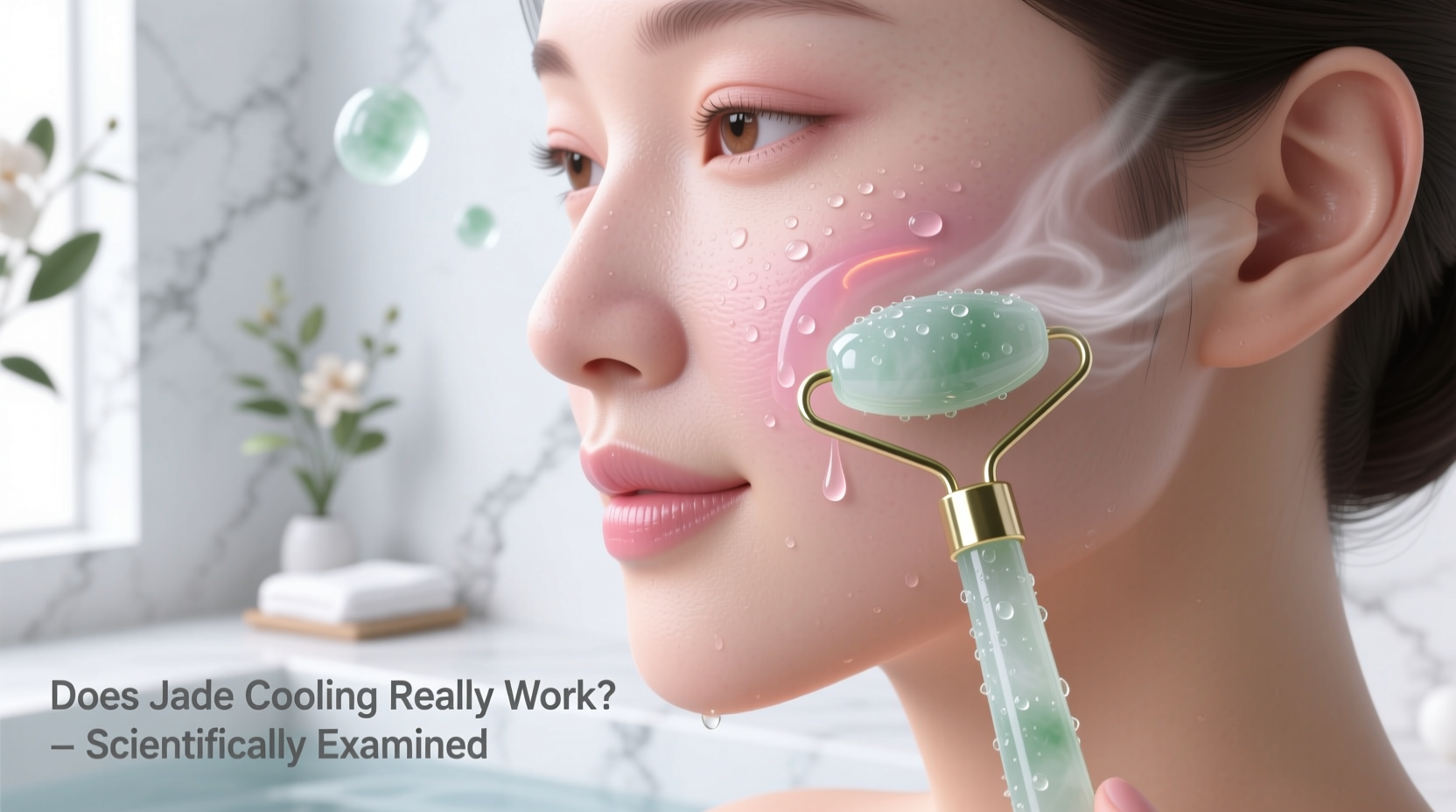
Skin temperature plays a crucial role in how we perceive touch and comfort. The human face averages around 90–93°F (32–34°C), depending on environment and circulation. When a cooler object—like a jade roller—touches the skin, heat transfers from the warmer surface (your face) to the cooler one (the stone). This process, known as thermal conduction, temporarily lowers skin temperature at the point of contact.
Jade has moderate thermal conductivity. While not as efficient as metal, it conducts heat better than wood or plastic. This means it can absorb body heat quickly, creating a tangible drop in local skin temperature. A study published in the *Journal of Cosmetic Dermatology* (2021) found that chilled facial tools reduced surface skin temperature by 2–4°F for up to five minutes post-application. That may sound minor, but even slight cooling can influence blood flow and nerve signaling.
Cooling the skin causes vasoconstriction—the narrowing of blood vessels. This can reduce redness and puffiness, especially around the eyes. It also slows down metabolic activity in the area, which may help calm inflammation. So yes, there is a measurable physiological effect: the skin does get cooler, at least briefly.
Tip: For maximum cooling effect, store your jade roller in the refrigerator for at least 30 minutes before use—but never in the freezer, as extreme cold can damage both the stone and your skin.The Psychological Component: Ritual, Expectation, and Sensory Feedback
While physics explains part of the story, psychology completes it. The act of using a jade roller is inherently ritualistic. The smooth glide, the weight of the stone, the deliberate strokes—it all contributes to a sensory experience that signals self-care. This isn’t trivial. Research in psychodermatology shows that emotional states directly affect skin health. Stress increases cortisol, which can trigger breakouts and sensitivity. Calming rituals, therefore, have indirect dermatological benefits.
Expectation also shapes perception. If you believe a jade roller cools and soothes, your brain is more likely to interpret sensations as such. This is known as the placebo effect—but that doesn’t make it meaningless. In fact, a 2019 study in *Pain Medicine* demonstrated that placebo treatments activated the same neural pathways as actual analgesics when participants believed they were receiving relief.
Consider this: two people use identical jade rollers at room temperature. One believes in its power; the other is skeptical. The believer is more likely to report a cooling sensation, tighter skin, and reduced puffiness—even if no significant physical change occurred. The mind doesn’t just observe the body; it interprets and influences it.
“Skincare is as much about the nervous system as it is about the epidermis. Tools like jade rollers engage both.” — Dr. Lena Torres, Clinical Psychodermatologist
Real Cooling vs. Perceived Cooling: A Comparison
| Aspect | Physical Cooling (Real) | Psychological Cooling (Perceived) |
|---|---|---|
| Temperature Change | Measurable drop of 2–4°F on skin surface | No actual change; sensation reported despite neutral temp |
| Mechanism | Thermal conduction from skin to stone | Placebo effect, expectation, sensory association |
| Duration | 3–7 minutes post-use | Can last longer due to mental association |
| Benefits | Vasoconstriction, reduced puffiness, soothing inflamed skin | Stress reduction, improved mood, ritual satisfaction |
| Influenced By | Material, storage temp, ambient climate | Belief, routine, packaging, influencer endorsement |
This table highlights that both effects are valid, though different in origin. The key insight? You don’t have to choose between “real” and “psychological.” Both contribute to the overall experience and outcome.
How to Maximize the Real Cooling Effect: A Step-by-Step Guide
If you want to ensure your jade roller delivers actual thermal benefits—not just perceived ones—follow this evidence-based routine:
- Chill the roller properly: Place it in the refrigerator (not freezer) for 30–60 minutes before use. Freezing can cause microfractures in natural stone.
- Cleanse first: Apply the roller on clean, slightly damp skin. Use a water-based serum or facial mist to reduce friction and enhance glide.
- Start from the center: Begin at the nose and roll outward along the cheekbones to encourage lymphatic drainage.
- Use upward motions: Glide from the chin toward the ears, then from the jawline up to the parotid gland (below the earlobe) to support fluid movement.
- Apply light pressure: Let the weight of the roller do the work. Excessive pressure can irritate delicate facial tissues.
- Focus on puffy areas: Spend extra time under the eyes and along the jawline where fluid tends to accumulate.
- Follow with moisturizer: Seal in hydration after rolling to lock in benefits.
- Wipe and store: Clean with a soft cloth and mild soap, then return to the fridge for next use.
This method leverages both the physical cooling properties of the stone and the physiological benefits of massage. Consistent use over several weeks may lead to visibly reduced morning puffiness and improved product absorption.
Case Study: Morning Routine Transformation
Sophie, a 34-year-old graphic designer from Portland, struggled with under-eye puffiness and stress-related breakouts. She used serums and creams but felt her routine lacked mindfulness. On a friend’s recommendation, she bought a nephrite jade roller and began using it every morning after cleansing.
Initially skeptical, she noticed within a week that her eyes looked less swollen. She attributed it to the cold stone and gentle massage. After two weeks, she started tracking her routine: storing the roller in the fridge overnight, using it with a hyaluronic acid serum, and taking deep breaths during application.
After a month, Sophie reported not only reduced puffiness but also fewer midday stress spikes. Her dermatologist noted improved skin barrier function during her check-up, likely due to consistent hydration and reduced inflammation. While impossible to isolate variables, Sophie credits the ritual—and the cooling sensation—as key to her consistency.
Her experience illustrates how real physiological effects and psychological benefits can compound. The cooling wasn’t just sensory; it became a cue for relaxation, making her more likely to stick with her skincare regimen.
Common Misconceptions About Jade Rollers
- Myth: Jade rollers tighten skin permanently. Reality: Any firming effect is temporary, due to increased circulation and mild edema reduction.
- Myth: All jade rollers are made of real jade. Reality: Many affordable versions use dyed quartz or synthetic materials. True nephrite jade is denser and retains cold longer.
- Myth: Rolling replaces professional treatments. Reality: It complements but doesn’t substitute for medical-grade procedures like radiofrequency or microneedling.
- Myth: Bigger rollers are better. Reality: Smaller heads allow precision on contours like under-eyes and brows.
Frequently Asked Questions
Does a jade roller really cool the skin, or is it just the fridge?
The cooling effect comes primarily from temperature differential. A room-temperature jade roller will feel cool initially due to thermal conductivity, but the most noticeable chill comes from refrigeration. Studies confirm measurable drops in skin temperature when chilled tools are used.
Can I use a jade roller if I have sensitive or acne-prone skin?
Yes, as long as you use gentle pressure and clean the roller regularly. The cooling effect may even help reduce redness and inflammation. Avoid rolling over active cystic acne to prevent spreading bacteria.
How often should I use a jade roller for best results?
Daily use is safe and beneficial. Many see improvements in puffiness and circulation within 2–3 weeks of consistent twice-daily use (morning and night). Results vary based on technique, skin type, and product pairing.
Final Verdict: Cooling Is Real, But Psychology Amplifies It
The evidence supports a nuanced conclusion: jade rollers do cool the skin, thanks to thermal conductivity and proper storage. This physical change can reduce puffiness, soothe irritation, and enhance product penetration. However, the full experience—including lasting satisfaction and perceived glow—is amplified by ritual, belief, and sensory engagement.
In skincare, efficacy isn’t solely measured in millimeters of reduced swelling or degrees of temperature drop. It’s also reflected in consistency, confidence, and calm. The jade roller works not because it’s magical, but because it bridges science and self-care in a way few tools do.
So yes, your skin gets cooler. And yes, your mind helps you feel it more deeply. Both are true. Both matter.
💬 Ready to test the effect for yourself? Try chilling your roller for three days and journal how your skin looks and feels each morning. Share your experience—your observations could help others separate myth from reality.








