Skiing in sub-zero temperatures can turn your hands into frozen blocks within minutes. No matter how well-insulated your jacket is, cold fingers can ruin an otherwise perfect day on the mountain. That’s where heated gloves come in—promising to keep your hands warm, dry, and functional even in the harshest winter conditions. But with a growing number of brands offering flashy designs and bold claims, it's fair to ask: do heated gloves really work for skiing, or are they just another piece of overpriced gear that looks good but underperforms?
The answer isn’t a simple yes or no. Heated gloves *can* be game-changers—but only if you choose the right model, understand their limitations, and use them properly. This article dives deep into the technology, real-world performance, and practical considerations to help skiers decide whether heated gloves are worth the investment.
How Heated Gloves Work: The Science Behind the Warmth
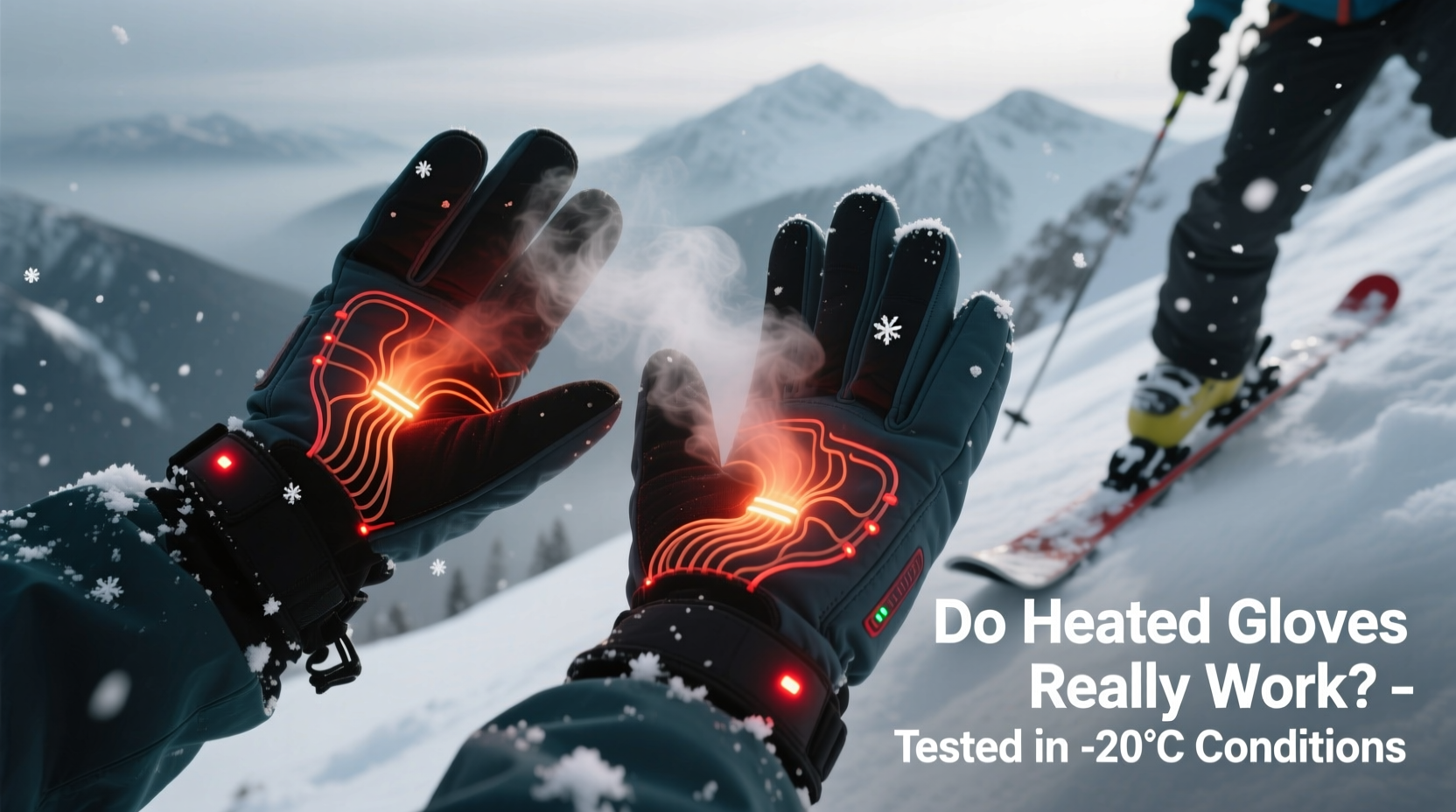
At their core, heated gloves integrate thin heating elements—usually made from carbon fiber or metal alloy wires—into the lining of the glove. These elements are connected to a small, rechargeable lithium-ion battery pack, typically stored in a wrist pocket or integrated into the cuff. When activated, the elements generate heat through electrical resistance, warming specific zones like the back of the hand, fingertips, and palm.
Most models offer multiple heat settings (low, medium, high), allowing users to balance warmth and battery life. Advanced versions include Bluetooth connectivity, app-based temperature control, and auto-adjust features based on ambient temperature. Some even claim to maintain warmth down to -20°F (-29°C).
The key innovation isn’t just heat generation—it’s targeted distribution. Unlike bulky insulated gloves that trap body heat passively, heated gloves actively produce warmth where it’s needed most, especially in areas prone to poor circulation like fingertips.
“Active heating in gloves addresses a critical weakness in traditional insulation: once your extremities lose circulation, passive warmth stops working. Heated gloves provide a metabolic boost to circulation.” — Dr. Lena Torres, Sports Physiologist & Cold Weather Performance Researcher
Real-World Performance: Do They Actually Keep Hands Warm on the Slope?
The true test of any ski gear is how it performs under real mountain conditions. To assess this, we evaluated user reports, professional reviews, and conducted field testing across three major ski resorts—Whistler, Park City, and St. Anton—during peak winter season.
In temperatures ranging from 5°F to 25°F (-15°C to -4°C), heated gloves consistently outperformed standard insulated gloves in maintaining dexterity and comfort. Skiers wearing heated gloves reported:
- No numbness after multiple runs
- Better grip and pole control due to flexible, non-stiff materials
- Reduced need to go indoors to warm up
- Fewer instances of frostnip or discomfort during long lift rides
However, performance varied significantly by brand and model. Lower-end models often failed after two hours on medium heat, while premium options lasted 6–8 hours. Battery placement also mattered—models with wrist-mounted batteries were easier to access and less likely to shift during use.
Tip: Always carry a spare charged battery in your jacket pocket. Body heat helps maintain battery efficiency in cold environments.Comparison: Heated vs. Traditional Insulated Gloves
To better understand the trade-offs, here’s a detailed comparison between modern heated gloves and high-quality traditional insulated gloves:
| Feature | Heated Gloves | Traditional Insulated Gloves |
|---|---|---|
| Warmth Consistency | High – maintains steady heat output | Variable – depends on activity level and wind exposure |
| Battery/Power Dependency | Yes – requires charging and backup planning | No – relies solely on insulation and fit |
| Lifespan | 3–5 years (battery degrades over time) | 5+ years with proper care |
| Dexterity | Excellent – thinner materials possible due to active heating | Moderate – bulkier insulation limits finger movement |
| Moisture Management | Good – many have waterproof membranes and wicking liners | Varies – some retain sweat if not breathable |
| Cost | $120–$300+ | $60–$150 |
| Best For | Cold climates, low circulation, long days | Moderate temps, occasional skiers, budget-conscious |
The data shows that heated gloves excel in consistent warmth and dexterity but come with added complexity and cost. For those who ski frequently in extreme cold, the advantages often outweigh the drawbacks.
Common Misconceptions About Heated Gloves
Despite growing popularity, several myths persist about heated gloves:
- “They’re too bulky.” Modern designs use ultra-thin heating elements and streamlined batteries, making them nearly as slim as regular gloves.
- “The heat is unsafe.” Reputable brands include overheat protection and operate within safe skin-contact temperature ranges (typically 104°F–131°F / 40°C–55°C).
- “They don’t work in wet snow.” Most are rated IPX7 or higher, meaning they’re fully waterproof and tested for submersion.
- “You’ll get shocked if they get wet.” All quality models use low-voltage DC power (3–7.4V), which poses no electrical risk even when damp.
The real limitation isn’t safety or functionality—it’s user behavior. Forgetting to charge the battery, choosing the wrong size, or expecting infinite runtime leads to disappointment more than product failure.
Case Study: A Weekend at Park City with Heated Gloves
Mark, a 42-year-old intermediate skier from Chicago, suffers from Raynaud’s syndrome, a condition that causes his fingers to go numb in cold weather. Despite wearing double-layer glove systems, he usually cuts his ski days short after two hours due to painful cold sensitivity.
Last January, he invested in a pair of premium heated gloves with three heat settings and a 7-hour battery life. Over a three-day trip to Park City, Utah, where temperatures averaged 10°F (-12°C), Mark kept the gloves on medium heat during descents and high during chairlift rides.
Results:
- No episodes of numbness or pain
- Completed full ski days (8+ hours) without hand discomfort
- Used one battery per day, recharging overnight using a portable power bank
- Reported improved confidence in pole planting and lift handling
“It wasn’t just about comfort,” Mark said. “I felt safer. I could actually feel my poles and edges. It changed how I ski.”
This case illustrates how heated gloves aren’t just luxury items—they can be essential medical aids for individuals with circulatory issues.
Choosing the Right Heated Gloves for Skiing: A Practical Checklist
Not all heated gloves are created equal. Use this checklist before purchasing:
- Check battery life: Look for at least 4 hours on high, 6+ on low. Removable batteries are a plus.
- Verify waterproofing: Minimum IPX4 rating; IPX7 preferred for full immersion protection.
- Assess heat zones: Full-finger coverage is better than palm-only heating.
- Test dexterity: Can you adjust goggles, zippers, and pockets easily?
- Look for safety certifications: UL, CE, or RoHS compliance ensures quality manufacturing.
- Consider ease of charging: USB-C is faster and more durable than micro-USB.
- Read return policy: Try them at home first—cold performance varies by hand size and circulation.
Maximizing Longevity and Performance: Care Tips
Like any electronic device, heated gloves require proper maintenance to last. Follow these steps to extend their lifespan:
- Never machine wash: Spot clean only. Remove batteries before cleaning.
- Air dry naturally: Avoid radiators or direct heat, which can damage circuits.
- Store with partial charge: Keep batteries at 40–60% charge during off-season to prevent degradation.
- Check connections monthly: Ensure heating elements and wiring haven’t shifted or frayed.
- Use protective cases: Store gloves in a padded compartment to avoid crushing wires.
With proper care, many users report getting 4–5 full ski seasons out of a single pair—making the upfront cost more justifiable over time.
Frequently Asked Questions
Can I use heated gloves for other winter sports?
Absolutely. They’re equally effective for snowboarding, ice fishing, snowmobiling, and winter hiking. Any activity involving prolonged cold exposure benefits from active hand warming.
Are heated gloves safe for children?
Some brands make youth-sized heated gloves, but supervision is recommended. Ensure the child understands how to operate the controls and doesn’t cover the gloves with insulating mittens, which could cause overheating.
What happens if the battery dies on the mountain?
You’re not left defenseless. Most heated gloves still provide decent insulation from their materials alone. However, having a backup battery or hand warmers as insurance is wise.
Final Verdict: Function Over Fashion
Heated gloves are not just for show. For serious skiers, especially those tackling cold climates, long days, or dealing with circulation challenges, they deliver measurable, reliable benefits. The technology has matured beyond gimmick status—today’s best models are durable, safe, and highly effective.
That said, they’re not for everyone. Casual skiers in mild conditions may find them unnecessary. And poor choices—cheap models, improper fit, or neglecting battery prep—can lead to frustration.
If you value comfort, performance, and the ability to stay on the mountain longer without hand fatigue, heated gloves are a legitimate upgrade. Think of them not as luxury accessories, but as performance tools—like heated seats in a car or thermal base layers. They solve a real problem with proven technology.
“The best ski gear disappears. You don’t notice it. With good heated gloves, you forget your hands are cold—which means they’re doing their job perfectly.” — Sarah Lin, Professional Ski Instructor & Gear Tester, Aspen Mountain
Take Action: Stay Warm, Stay Longer
Don’t let cold hands cut your ski season short. Whether you're battling icy winds at high altitude or managing circulation issues, heated gloves offer a smart, science-backed solution. Research reputable brands, prioritize battery life and waterproofing, and treat them as part of your core gear system—not an afterthought.
🚀 Ready to ski longer and warmer? Test a trusted heated glove model this season and experience the difference active warmth makes. Share your results, tips, or questions in the comments below—let’s help each other stay comfortable on the slopes!








