Baseball tees have become a staple in casual wardrobes—comfortable, stylish, and effortlessly versatile. Whether you're building a weekend rotation or outfitting a team, one question keeps surfacing: Should you make your own or buy pre-designed? The DIY route promises creativity and personalization, while store-bought options offer convenience and consistency. But when it comes to quality, cost, and long-term satisfaction, which option truly delivers?
The Appeal of the DIY Baseball Tee
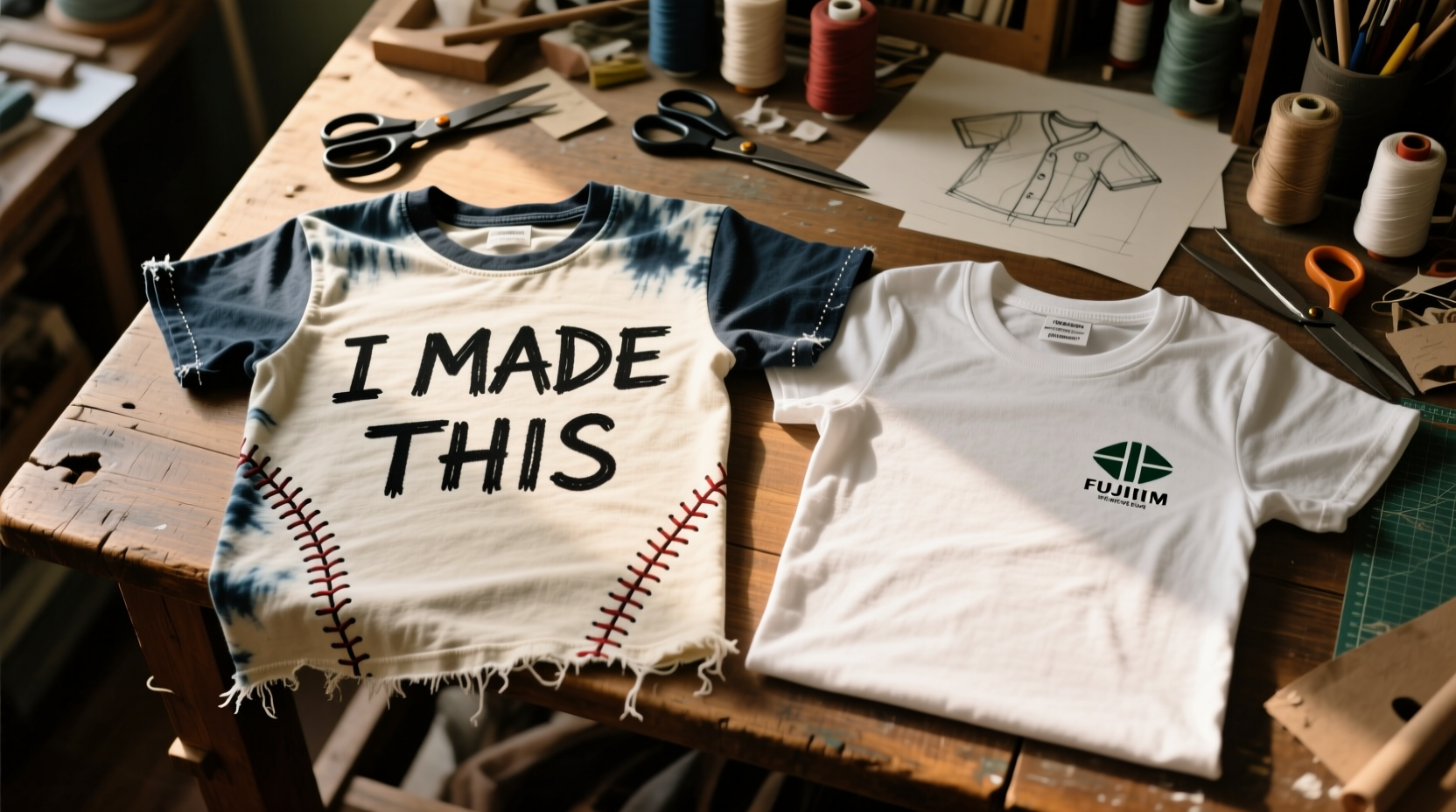
Creating your own baseball tee isn't just about saving money—it's an expression of individuality. From choosing fabric blends to designing sleeve lengths and neckline styles, the DIY path gives full control over every detail. Enthusiasts often start with blank tees and fabric paint, iron-on transfers, or even sewing from scratch using patterns.
For crafters and fashion hobbyists, the process itself is part of the reward. Customizing a tee allows for unique color blocking—typically white on the front and sleeves with contrasting side panels—a signature look that’s hard to replicate off the rack. Plus, adding names, numbers, or logos makes each piece feel one-of-a-kind.
Tip: Use 100% cotton or cotton-polyester blends for best results when screen printing or heat pressing at home.Store-Bought Tees: Convenience Meets Consistency
Premade baseball tees are widely available through major retailers like Amazon, Target, and athletic brands such as Nike and Champion. These shirts benefit from industrial manufacturing processes that ensure uniform stitching, precise color matching, and durable construction.
Many store-bought versions use performance fabrics with moisture-wicking properties, making them ideal for active lifestyles. Sizing is standardized, and returns are usually hassle-free. For someone who values reliability over customization, ready-made tees eliminate guesswork.
However, mass production comes with trade-offs. Designs tend to be generic, and finding the perfect fit or exact color combination can require extensive searching. Limited edition runs may sell out quickly, leaving fans scrambling.
Cost Comparison: Breaking Down the Numbers
At first glance, DIY seems cheaper. A blank tri-blend baseball tee costs between $12 and $20. Add fabric paint, vinyl, or transfer paper ($5–$15), and you’re still under $35 per shirt. In contrast, branded custom baseball tees retail from $25 to $50+, sometimes exceeding $70 for designer labels.
But this calculation ignores hidden costs: time, tools, and learning curves. If you need a heat press ($100+), cutting machine ($180+), or high-quality printer, initial investment spikes. Mistakes—misaligned prints, peeling vinyl, shrinking fabric—can waste materials and increase per-unit cost.
“Custom apparel only saves money if you’re producing more than five units consistently. Below that, retail pricing often wins.” — Marcus Lin, Small Batch Apparel Consultant
Detailed Cost Breakdown (Per Shirt)
| Factor | DIY (Home Setup) | Store-Bought |
|---|---|---|
| Base Tee | $15 | Included |
| Design Materials | $8 | N/A |
| Equipment Amortized* | $12 | $0 |
| Total Estimated Cost | $35 | $28–$65 |
| Time Investment | 60–90 mins | 5 mins (shopping) |
*Assumes equipment used for 10 shirts; no amortization for store-bought.
Quality and Durability: Who Wins Long-Term?
Well-made store-bought tees typically outlast DIY versions—especially after repeated washes. Factory-applied graphics resist cracking and fading better than home-printed ones unless professional-grade supplies are used.
That said, skilled crafters using premium vinyl (like Siser EasyWeed) and proper curing techniques can achieve near-commercial durability. Fabric choice also matters: pre-shrunk cotton blends maintain shape better than cheap blanks prone to warping.
One common issue with DIY tees is inconsistent application pressure, leading to uneven adhesion. Without a reliable heat press, designs may begin flaking after three to four washes. Store-bought prints undergo rigorous quality control, ensuring longevity.
Mini Case Study: The Weekend Warrior Team Project
Jessica, a youth softball coach, needed six matching tees for her team’s end-of-season tournament. She considered ordering online but found minimums too high and prices excessive. Instead, she bought blank tees ($14 each) and used her Cricut machine to cut player names from iron-on vinyl.
The total material cost was $102. She spent four hours designing and applying graphics. After two months of games and washes, four shirts held up well. Two showed minor edge lifting due to uneven pressing. While not flawless, the personalized touch delighted players and parents alike—and came in $80 under the cheapest bulk order quote.
Her verdict? “For small groups, DIY works if you accept some imperfection. For larger teams, I’d pay for pros next time.”
Step-by-Step Guide: Making a High-Quality DIY Baseball Tee
If you're committed to the DIY route, follow this proven sequence to maximize success:
- Choose the right blank tee: Opt for mid-weight tri-blend (50% polyester, 25% combed cotton, 25% rayon) for softness and structure.
- Wash and dry the shirt: Pre-shrink fabric to prevent post-application distortion.
- Design your graphic: Use software like Canva or Cricut Design Space. Mirror text if using iron-on vinyl.
- Cut and weed your design: Remove excess vinyl from your cut image using tweezers.
- Preheat the garment: Apply heat press or iron to eliminate moisture and wrinkles.
- Apply the design: Follow manufacturer settings (usually 305°F for 15 seconds with firm pressure).
- Peel carrier sheet: Cool peel for most vinyls; hot peel for specialty types.
- Do a second press: Place parchment paper over the design and repress for 10 seconds to seal edges.
- Wait 24 hours before washing: This ensures full adhesive bonding.
- Wash inside-out in cold water: Tumble dry low or air dry to extend life.
When DIY Makes Sense (And When It Doesn’t)
DIY shines in scenarios requiring personalization, small batches, or creative experimentation. It’s ideal for gifts, themed events, or expressing niche interests not served by mainstream brands.
Conversely, store-bought wins when speed, consistency, or technical performance is critical. Athletes needing breathable, stretchable fabrics should lean toward engineered sportswear. Busy individuals short on time will appreciate plug-and-play solutions.
Checklist: Choose DIY If You...
- Want fully custom colors, fits, or graphics
- Already own crafting tools (Cricut, heat press, etc.)
- Are making fewer than 10 shirts
- Enjoy hands-on projects and don’t mind trial and error
- Need immediate flexibility (no shipping delays)
Checklist: Buy Store-Bought If You...
- Value consistent sizing and fabric quality
- Need shirts fast (within a week)
- Are outfitting a large group (10+ people)
- Want guaranteed wash durability
- Prefer zero setup or learning curve
Frequently Asked Questions
Can I mix DIY and store-bought effectively?
Absolutely. Many people buy high-quality blank baseball tees and customize them minimally—like adding a single name or logo. This hybrid approach balances cost, effort, and personalization.
Do DIY tees look unprofessional?
Not necessarily. With premium materials and careful execution, homemade tees can rival commercial products. The key is attention to detail: alignment, clean cuts, and proper sealing.
How long do DIY designs last?
A well-applied vinyl design can survive 30+ washes if cared for properly. Screen-printed DIY versions (using stencil kits) may degrade faster unless professionally cured.
Final Verdict: Is Custom Worth the Effort?
The answer depends on your priorities. If you value uniqueness, creative freedom, and the satisfaction of making something with your own hands, then yes—custom is worth the effort. The emotional payoff of wearing a self-made tee that fits perfectly and reflects your style is undeniable.
But if your goals are efficiency, durability, and consistency, especially for frequent wear or team use, store-bought remains the smarter choice. Mass-produced doesn’t have to mean impersonal; many brands now offer semi-custom options with embroidered initials or color choices.
Ultimately, the “best” option isn’t universal. For occasional personal projects, embrace the DIY spirit. For practical, everyday needs, trust the professionals. And remember—you don’t have to pick one forever. Rotate based on purpose, budget, and mood.
🚀 Ready to try your hand at a custom baseball tee? Start with one blank, a simple design, and see how it feels. Share your creation story in the comments—we’d love to hear what inspires your style.








