For runners, the right pair of earphones can make or break a workout. Music sets pace, distracts from fatigue, and boosts motivation. But when it comes to choosing between Disney Mickey earphones—cute, wireless, and compact—and traditional wired earbuds, the decision isn’t just about aesthetics or brand loyalty. It’s about functionality, safety, and long-term usability. One of the most common complaints about wired headphones is tangling, but is that frustration enough to justify switching to wireless models like the Disney-branded options? Let’s take a deep dive into the real differences and trade-offs.
The Tangle Problem: More Than Just Annoying?
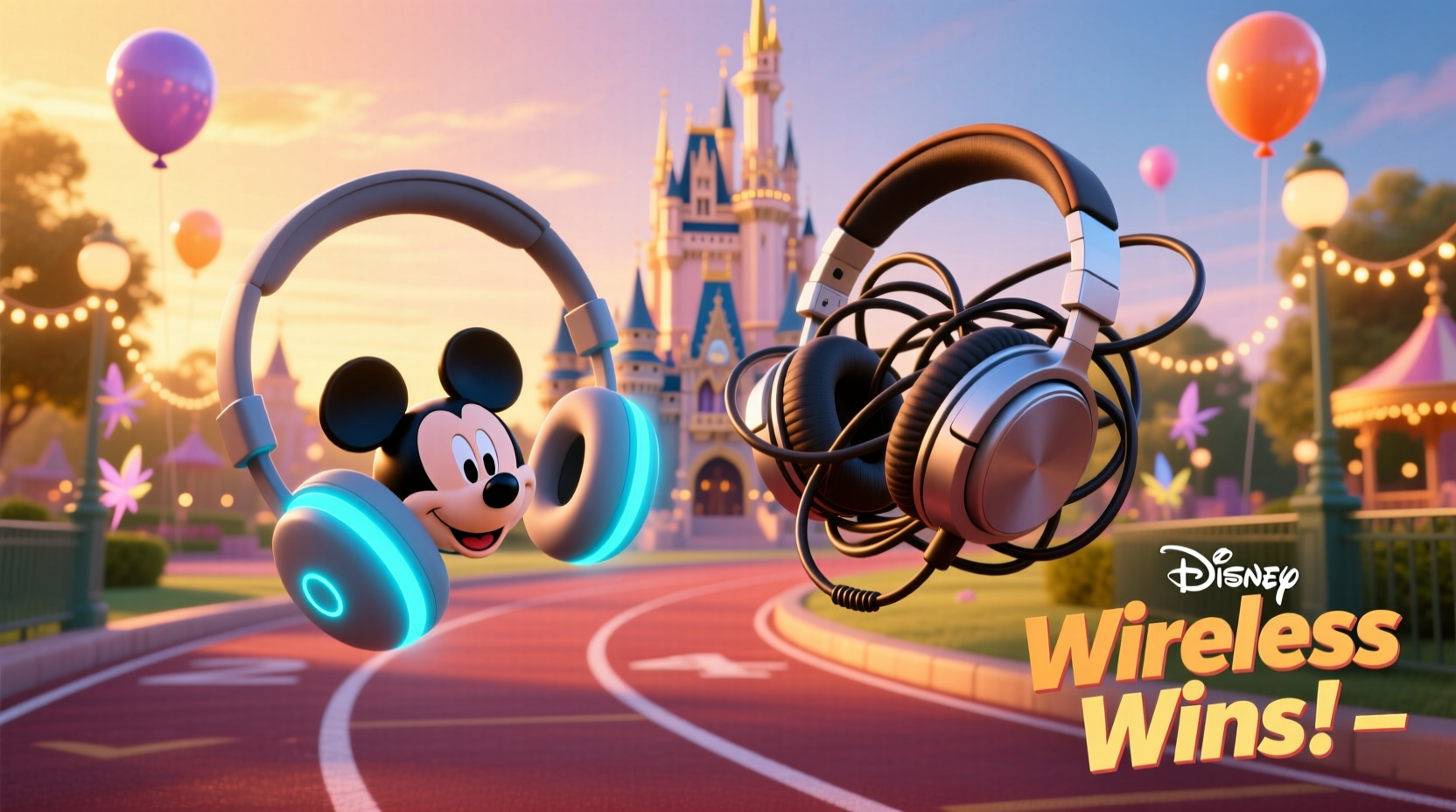
Tangled cords are more than a minor inconvenience—they disrupt focus, waste time, and can even damage the wires over time. Every runner has experienced the frustration of pulling out neatly stored earbuds only to find them knotted beyond quick repair. The physics behind this is simple: loose cords naturally twist and loop when jostled in pockets or bags, especially during physical activity.
But beyond the annoyance, tangled cords pose practical risks:
- Snag hazards: Wires can catch on door handles, backpack zippers, or gym equipment mid-run.
- Inconsistent audio: Repeated tugging on kinked cables may lead to intermittent sound or one-sided audio failure.
- Durability issues: Constant bending weakens internal wiring, shortening lifespan.
Disney Mickey Earphones: Style Meets Functionality
The Disney Mickey earphones—typically referring to compact Bluetooth earbuds with iconic red-and-black Mickey Mouse design elements—are marketed as fun, lightweight, and portable. They’re often aimed at casual users who value aesthetics and brand nostalgia. However, their appeal extends beyond looks.
Key features include:
- Fully wireless design (no cords to tangle)
- Compact charging case for on-the-go power
- Built-in Bluetooth connectivity (compatible with most smartphones)
- Lightweight fit designed for low-impact movement
While not engineered specifically for elite athletes, many models offer sweat resistance (IPX4 rating), making them suitable for light jogging or outdoor walks. Their secure in-ear fit reduces bounce, though they may not match the stability of sport-dedicated earbuds with wingtips or ear hooks.
“Wireless earbuds have closed the performance gap with wired models, especially for everyday fitness use.” — Dr. Lena Torres, Audio Engineer & Wearable Tech Researcher
Wired Earphones: Still Relevant for Runners?
Despite the rise of wireless technology, wired earphones remain a favorite among audiophiles and budget-conscious runners. They offer consistent audio quality without latency, don’t require charging, and typically deliver better sound clarity at lower price points.
However, their drawbacks become amplified during runs:
- Cords swing and bounce against clothing, creating distraction.
- Pocket placement affects wire tension and comfort.
- Jogging movements increase the likelihood of accidental disconnection.
That said, high-quality wired earphones with flat, tangle-resistant cables and inline stabilizers (like clip-on shirt anchors) can mitigate many of these issues. For runners prioritizing audio fidelity and reliability over convenience, wired models still hold merit.
Comparative Analysis: Wired vs Disney Mickey Earphones
| Feature | Disney Mickey Earphones | Traditional Wired Earphones |
|---|---|---|
| Tangle Risk | None (wireless) | High (especially with loose storage) |
| Battery Life | 3–5 hours per charge; case adds 15–20 hours | Unlimited (no battery needed) |
| Sweat Resistance | Typically IPX4 (splash-resistant) | Varies; most lack official rating |
| Audio Latency | Low to moderate (Bluetooth delay) | Negligible (direct signal) |
| Portability | High (compact case fits in pocket) | Moderate (cords require careful coiling) |
| Durability | Depends on build; charging ports can wear | Cable strain at jack/connection point common |
| Price Range | $40–$70 | $10–$50 |
Real Runner Experience: A Mini Case Study
Consider Sarah, a recreational runner training for her first half-marathon. She started with $15 wired earbuds but grew frustrated with constant cord adjustments and tangles during long runs. After switching to Disney-themed wireless earbuds, she reported improved focus and comfort. “I no longer have to stop every mile to untangle my headphones,” she said. “And seeing Mickey on the case actually makes me smile mid-run.”
However, she did note two downsides: needing to remember to charge them nightly and occasional dropouts near crowded Wi-Fi zones. Despite these, she considers the switch worthwhile for the freedom of movement and reduced distractions.
Step-by-Step: Choosing the Right Option for Your Running Routine
- Evaluate your run environment: Urban runners weaving through traffic may benefit from cord-free awareness and mobility.
- Assess your tech habits: If you forget to charge devices regularly, wired earphones eliminate battery anxiety.
- Test fit and stability: Try both styles during a short jog. Do the earbuds stay in place? Is the wire bouncing excessively?
- Check water resistance: Look for at least IPX4 rating if you sweat heavily or run in rain.
- Set a budget: Factor in long-term costs—wireless models last 2–3 years before battery degradation.
FAQ: Common Questions Answered
Are Disney Mickey earphones good for serious running?
They’re best suited for casual to moderate running. While they offer decent fit and splash resistance, they lack advanced features like heart-rate monitoring or ultra-secure ergonomics found in dedicated sports earbuds.
Do wireless earphones always disconnect during runs?
Not necessarily. Modern Bluetooth 5.0+ models maintain stable connections within 30 feet. Obstacles like tall buildings or heavy interference may cause brief dropouts, but these are increasingly rare.
Can I prevent wired earphone tangling completely?
You can significantly reduce tangling by using flat cables, wrapping them in a figure-eight pattern, or storing them in a dedicated pouch. Over-ear wearing styles also minimize slack and movement.
Final Verdict: Are Tangled Cords Really That Bad?
Yes—especially for runners. Tangled cords aren’t just a petty nuisance; they compromise safety, performance, and mental flow. In a sport where rhythm and consistency matter, interruptions caused by snagged wires or audio glitches can derail momentum. While wired earphones still offer value in sound quality and cost, their practical limitations during dynamic activities are hard to ignore.
The Disney Mickey earphones represent a broader shift toward user-friendly, lifestyle-oriented audio gear. They may not be the most technically advanced option, but their cord-free design, reliable Bluetooth connection, and emotional appeal make them a compelling upgrade for runners tired of wrestling with knots.
Conclusion: Make the Switch When It Serves Your Run
Technology should enhance, not hinder, your fitness journey. If tangled cords slow you down—literally or mentally—it’s time to consider wireless alternatives. Whether you choose Disney Mickey earphones for their charm or another model for performance, prioritize what keeps you moving smoothly and safely.
💬 Have you made the switch from wired to wireless for running? Share your experience, tips, or favorite earbud model in the comments below!








