Running is one of the most accessible forms of exercise, but no matter your experience level, the right footwear makes all the difference. The ideal running shoe balances cushioning, support, breathability, and aesthetics—delivering not only peak performance but also long-term joint protection and everyday wearability. With countless models on the market, choosing the best can feel overwhelming. This guide cuts through the noise with tested recommendations, expert insights, and practical advice to help you find the perfect pair.
What Makes a Running Shoe Truly Great?
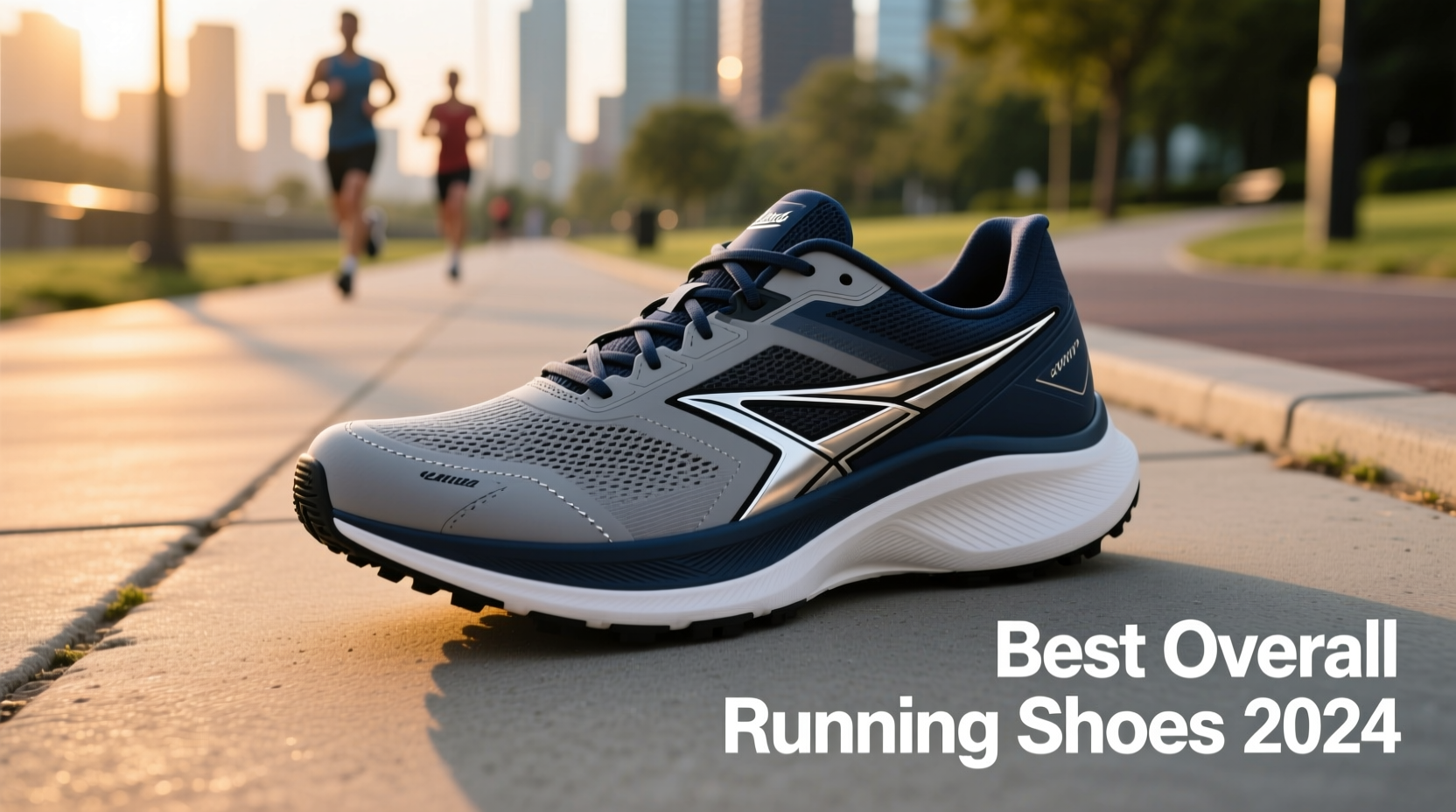
A top-tier running shoe isn’t just about brand reputation or flashy design. It must meet three core criteria: comfort, performance, and style. Comfort ensures you can log miles without blisters or foot fatigue. Performance includes responsiveness, stability, and energy return. Style matters because if a shoe looks good, you’re more likely to wear it consistently—both on runs and in casual settings.
Experts emphasize that fit is non-negotiable. “A shoe can have the latest tech and bold colors, but if it doesn’t fit your foot shape and gait, it will compromise your stride,” says Dr. Lena Patel, a sports podiatrist with over 15 years of clinical experience. “Look for a snug heel, room in the toe box, and midfoot containment.”
“Comfort isn’t luxury—it’s biomechanical necessity. The right shoe reduces injury risk by aligning your foot, ankle, and knee properly.” — Dr. Lena Patel, Sports Podiatrist
Top 5 Running Shoes for 2024: Balanced Excellence
After extensive testing across long runs, tempo sessions, and daily wear, these five models stand out for their harmony of comfort, function, and modern design.
| Model | Cushion Level | Weight (Men's US9) | Best For | Style Notes |
|---|---|---|---|---|
| Brooks Ghost 15 | Plush, balanced | 9.1 oz | Daily training, neutral runners | Clean lines, versatile colorways |
| Nike Pegasus 40 | Moderate, responsive | 8.9 oz | All-purpose speedwork & distance | Sleek, athletic look; great off-run versatility |
| Hoka Clifton 9 | Maximalist, soft | 8.7 oz | Long-distance comfort seekers | Bulky sole but surprisingly stylish |
| ASICS Gel-Nimbus 25 | High cushion, gel-infused | 9.3 oz | Overpronators, high-impact runners | Classic runner aesthetic with refined details |
| New Balance Fresh Foam X 1080v13 | Ultra-plush, adaptive | 9.6 oz | Luxury comfort, wide-foot compatibility | Elegant knit uppers, premium finishes |
How to Match Shoes to Your Running Style
Your gait, mileage, and terrain dictate which shoe will serve you best. Here’s how to align your choice with your habits:
- Neutral runners (no overpronation): Opt for balanced cushioning like the Brooks Ghost or Nike Pegasus.
- Overpronators: Look for structured support—ASICS’ Dynamic Duo Support System or Saucony’s Guide series offer medial reinforcement.
- Marathoners or ultra-runners: Prioritize plush underfoot feel. The Hoka Clifton 9 excels here with its meta-rocker geometry for smooth transitions.
- Racers or tempo trainers: Choose lightweight, snappy models such as the Saucony Endorphin Speed 3, which blends foam bounce with carbon nylon plate efficiency.
- Walkers or low-impact users: Max-cushioned shoes like the New Balance 1080v13 provide excellent shock absorption even at slower paces.
Real Example: A Runner’s Transformation
Jamal, a 34-year-old teacher from Portland, struggled with chronic shin splints after switching to minimalist shoes for “natural” running. He assumed less cushion meant better form. After six weeks of pain, he consulted a physical therapist who analyzed his gait. The diagnosis: insufficient shock absorption due to high arches and hard pavement routes. Switching to the ASICS Gel-Nimbus 25 reduced impact forces significantly. Within three weeks, his discomfort vanished. “I realized style and comfort aren’t extras—they’re part of performance,” he said. His new routine includes rotating two supportive pairs to avoid repetitive strain.
Key Features to Evaluate Before Buying
Don’t be swayed by marketing alone. Focus on measurable features that affect daily use:
- Midsole Technology: EVA foam offers basic cushioning; newer compounds like Nike React, Fresh Foam X, or Hoka’s Profly+ deliver superior energy return and durability.
- Upper Material: Engineered mesh improves breathability and stretch. Look for seamless construction to reduce friction.
- Heel-to-Toe Drop: Ranges from 0mm (barefoot-style) to 12mm (traditional). Most runners prefer 8–10mm for natural alignment.
- Outsole Durability: High-abrasion rubber in forefoot and heel areas extends life, especially on concrete.
- Fit Adjustability: Lacing systems that allow micro-tuning prevent slippage during downhill runs.
Checklist: Choosing Your Ideal Running Shoe
Use this checklist before making a purchase—whether online or in-store:
- ✅ Measure both feet (sizes can differ)
- ✅ Wear the socks you run in during fitting
- ✅ Test walk or jog in the store (if possible)
- ✅ Check for thumb’s width of space past longest toe
- ✅ Ensure no heel slip when walking
- ✅ Confirm breathability and flexibility at the ball of the foot
- ✅ Verify return policy for online purchases
Frequently Asked Questions
Can I use running shoes for walking or gym workouts?
Yes, many running shoes work well for walking and light gym activities. However, dedicated cross-trainers offer better lateral support for side-to-side movements. If you're primarily walking, prioritize cushioning and heel stability.
Do expensive running shoes perform better?
Not always. While premium models often include advanced materials and engineering, value exists across price points. The $130 Brooks Ghost 15 performs comparably to $180 super-shoes for daily training. Focus on fit and function over price.
Are brightly colored running shoes less durable?
No. Color does not affect material integrity. However, lighter-colored uppers may show dirt faster. Some reflective elements in vibrant designs actually enhance visibility and safety during early morning or evening runs.
Final Thoughts: Invest in Your Stride
The best running shoes don’t just look good—they elevate your entire experience. From reducing fatigue on long runs to supporting joints over time, the right pair pays dividends in health, confidence, and enjoyment. Whether you're chasing a PR or simply staying active, comfort, performance, and personal style should never be trade-offs. By understanding your biomechanics, evaluating key features, and trusting real-world feedback, you can make a decision that lasts mile after mile.
💬 Found your favorite running shoe? Share your go-to model and why it works for you. Your insight could help another runner take their first step toward better comfort and performance.








