
Basketball is a game of precision, timing, and efficiency. Among the most telling statistics in evaluating a player’s offensive impact is field goal percentage (FG%). While scoring volume grabs headlines, it's high FG% that often separates efficient scorers from mere volume shooters. In this article, we dive into the players who have mastered shot selection and execution, explore what makes their efficiency stand out, and connect those on-court traits to off-court style choices that reflect their dominance.
The Significance of Field Goal Percentage
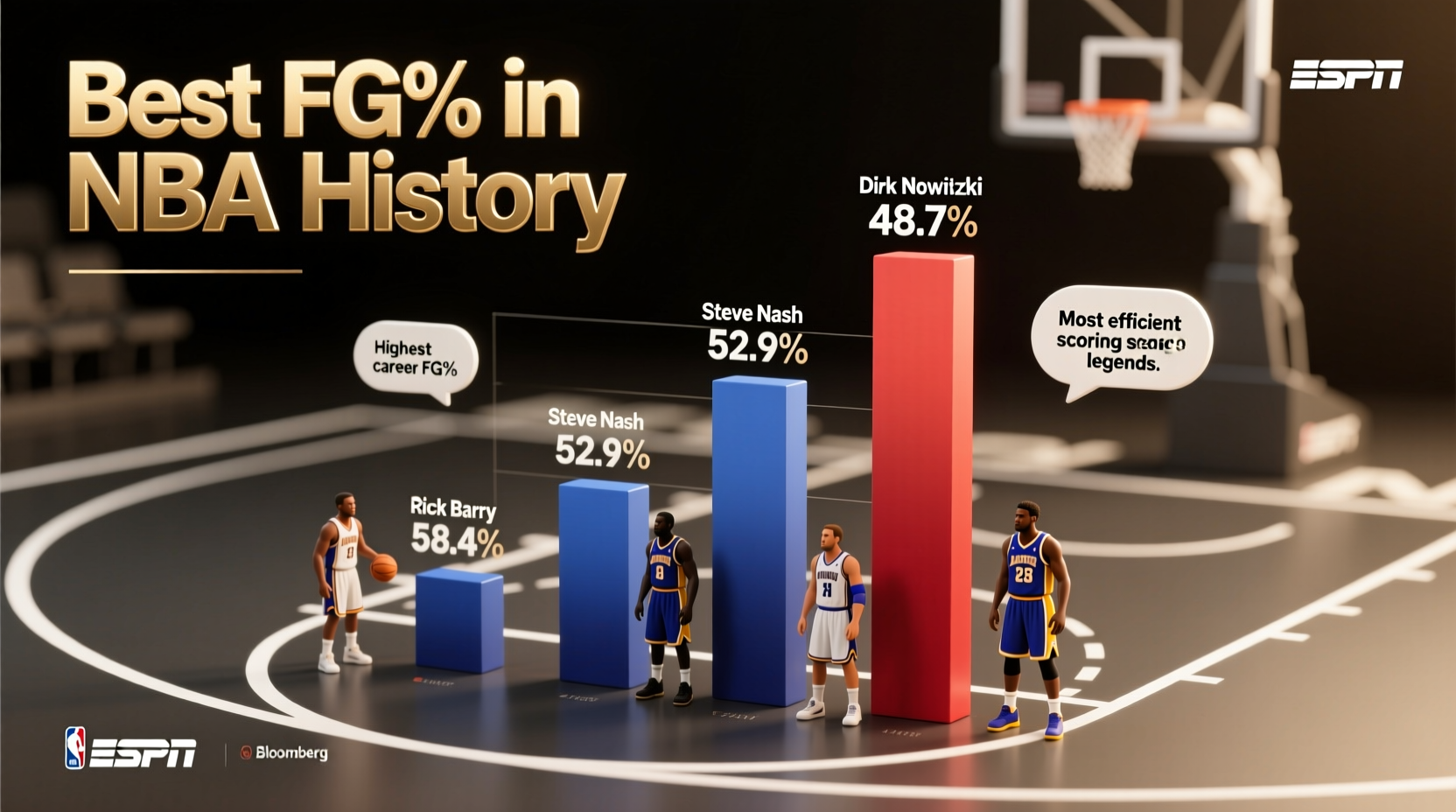
Field goal percentage measures the ratio of successful shots to total attempts. A higher FG% indicates a player who converts a greater share of their opportunities, typically through smart positioning, elite touch, or dominant inside play. Unlike points per game, FG% accounts for efficiency—critical in an era where analytics shape team strategies.
While three-point shooting has reshaped the NBA, interior dominance and high-percentage looks remain vital. Centers and power forwards historically lead in FG%, but modern bigs now combine range with rim efficiency, redefining positional value.
Tip: When evaluating players, look beyond raw points—prioritize FG% to assess true offensive efficiency.All-Time Leaders in FG%
The NBA’s career leaders in field goal percentage are dominated by centers known for finishing near the rim. These players rarely take low-percentage jumpers, instead relying on dunks, layups, and putbacks.
| Player | Career FG% | Primary Team(s) | Era |
|---|---|---|---|
| DeAndre Jordan | .674 | Clippers, Nets | 2010–Present |
| Artis Gilmore | .599 | Bulls, Spurs | 1970s–80s |
| Tyson Chandler | .597 | Nuggets, Knicks, Mavericks | 2000s–10s |
| Dwight Howard | .581 | Magic, Lakers | 2000s–20s |
| Kareem Abdul-Jabbar | .559 | Bucks, Lakers | 1970s–80s |
| Shaquille O'Neal | .582 | Lakers, Heat | 1990s–2000s |
DeAndre Jordan leads all players with a minimum 2,000 field goal attempts, a testament to his role as a lob finisher and defensive anchor. His ability to convert alley-oops and second-chance points elevated the Clippers’ pick-and-roll game during the Lob City era.
“Efficiency isn’t just about making shots—it’s about taking the right ones. The best big men know when to pass up a contested jumper for a cut to the basket.” — Mike Schmitz, NBA Scout & Analyst
Modern Efficiency and the Evolution of Style
Today’s top-efficient scorers blend traditional post dominance with modern mobility. Players like Nikola Jokić and Joel Embiid don’t just shoot at a high clip—they orchestrate offenses while maintaining elite FG%. Jokić, despite taking more mid-range and three-point shots than traditional centers, still posts a career FG% of .534, thanks to intelligent footwork and decision-making.
This evolution is mirrored in fashion. Where classic big men once favored baggy warm-ups and minimal branding, today’s stars embrace tailored fits, premium fabrics, and collaborative sneaker lines. Their style reflects versatility—much like their game.
- Nikola Jokić: Known for his unassuming demeanor and functional wardrobe—think relaxed-fit trousers and neutral-toned jackets.
- Joel Embiid: Blends luxury streetwear with bold accessories, often seen in Balmain or Off-White pieces courtside.
- Domantas Sabonis: Carries a retro-European aesthetic, favoring vintage leather jackets and minimalist sneakers.
Case Study: DeAndre Jordan and the Lob City Aesthetic
During the early 2010s, DeAndre Jordan became synonymous with high-efficiency basketball. Playing alongside Chris Paul and Blake Griffin, he thrived in the pick-and-roll, converting over 70% of his shots in peak seasons. His role was clear: finish at the rim, protect the paint, and elevate fast breaks with thunderous dunks.
Off the court, Jordan embraced the “Lob City” identity—athletic, energetic, and urban. He frequently wore bright-colored sneakers, oversized tees, and custom warm-up sets featuring Clippers branding. His style reflected the team’s fast-paced, highlight-driven identity.
Jordan’s FG% wasn’t just a stat—it was a statement of purpose. By focusing on high-percentage plays, he maximized his impact without needing to dominate the ball. Similarly, his fashion choices emphasized function and team cohesion over individual flashiness.
How to Apply NBA Efficiency Principles to Lifestyle Choices
High FG% players succeed by eliminating wasted motion. This principle extends beyond basketball. In lifestyle and fashion, efficiency means choosing pieces that serve multiple purposes, fit well, and reflect authenticity.
- Prioritize Fit Over Trends: Just as a center doesn’t force a three-pointer, avoid wearing styles that don’t suit your body type.
- Invest in Versatile Pieces: Like a reliable mid-range jumper, a well-tailored blazer or clean white sneaker works in multiple settings.
- Know Your Role: On a team, every player has a niche. In fashion, define your personal brand—minimalist, classic, edgy—and stick to it.
- Eliminate Low-Percentage Moves: Avoid cluttered patterns, ill-fitting jeans, or overly branded items that distract rather than enhance.
- Surround Yourself with Quality Assistants: Great scorers need good passers. Likewise, build a wardrobe with foundational pieces that support standout items.
Checklist: Build a High-Efficiency Wardrobe
- ✅ Own at least one pair of premium white leather sneakers
- ✅ Invest in a neutral-toned overcoat or bomber jacket
- ✅ Choose dark-wash, slim-straight jeans that fit well
- ✅ Limit logo-heavy clothing to one piece per outfit
- ✅ Rotate seasonal staples based on climate and occasion
- ✅ Maintain your clothes: clean sneakers regularly, tailor when needed
FAQ
Who holds the single-season record for highest FG%?
DeAndre Jordan holds the record with a .714 FG% in the 2016–17 season, making 65% of his shots despite increased defensive attention.
Can guards have high FG% too?
Yes, though it's harder due to more perimeter shooting. Players like Chris Paul and Derrick White maintain FG% above .500 by avoiding long twos, attacking the rim, and capitalizing on transition opportunities.
Does FG% matter more than scoring volume?
It depends on context. A high scorer with low efficiency can hurt team spacing, while a lower-volume, high-FG% player often complements star-driven offenses. The ideal balance combines volume and efficiency.
Step-by-Step Guide to Improving Your Basketball IQ (and Style IQ)
Just as elite shooters develop habits over time, so can you refine both your game and your appearance.
- Assess Your Current Habits: Track your shot selection in pickup games or review your recent outfits. Identify inefficiencies.
- Focus on High-Percentage Plays: In basketball, prioritize layups and open threes. In fashion, rely on core staples before experimenting.
- Study the Greats: Watch film of players like Marc Gasol or Brook Lopez. Notice their patience and footwork. Then, study how they dress—often understated, always intentional.
- Practice Consistency: Efficiency comes from repetition. Wear coordinated outfits regularly to build confidence.
- Adjust Based on Feedback: Listen to coaches or peers about your game. Similarly, pay attention to how people respond to your style.
“The most respected players aren’t always the flashiest. They’re the ones who make the right play, every time.” — Rachel Nichols, ESPN Analyst
Conclusion
Discovering the best FG% in NBA history reveals more than statistical excellence—it uncovers a philosophy of smart, efficient performance. From DeAndre Jordan’s dunk dominance to Nikola Jokić’s cerebral scoring, high FG% players master the art of taking only the best shots. That same discipline applies off the court: dressing with intention, investing in quality, and staying true to your role.
Whether you're analyzing player performance or building a personal style, remember: efficiency wins games and turns heads. Embrace the mindset of the league’s most accurate shooters—make every move count.
💬 What player’s efficiency impresses you most? Share your thoughts or favorite style inspirations in the comments below!








