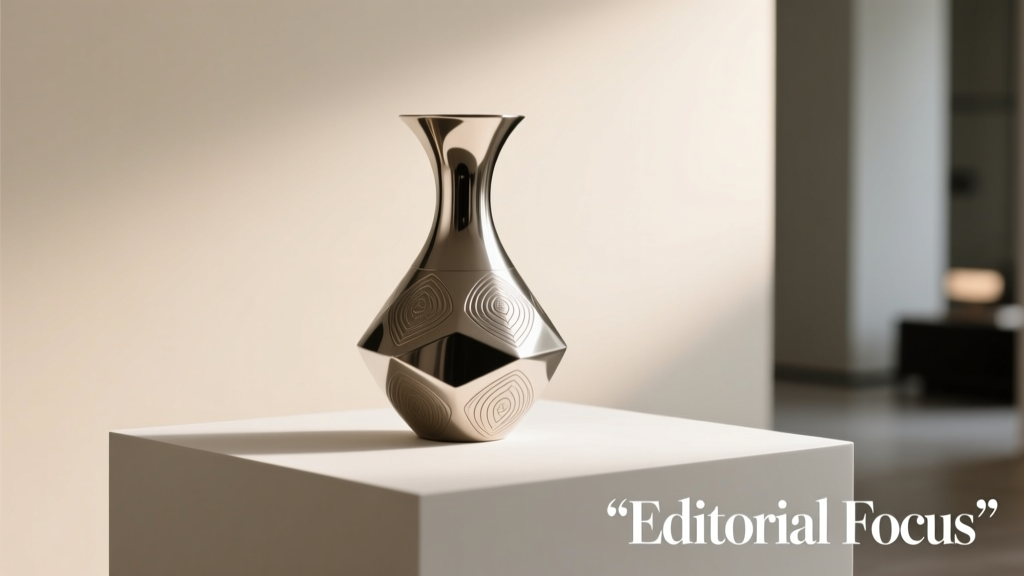
Types of Disco Ball Flowerpots
A disco ball flowerpot combines the glamour of retro lighting with modern plant décor, transforming ordinary houseplants into dazzling centerpieces. These decorative pots feature reflective surfaces—mirrors, sequins, or metallic finishes—that scatter light like a classic disco ball, adding sparkle and visual interest to any indoor space. Whether used for succulents, trailing vines, or herbs, each type offers unique aesthetic and functional benefits.
Traditional Disco Ball Flowerpot
Featuring a classic spherical shape with mirrored facets, this pot captures the essence of vintage disco culture. Its all-around reflectivity enhances ambient lighting, making it ideal for brightening dim corners.
Advantages
- Maximizes light reflection in all directions
- Vibrant, fun aesthetic perfect for eclectic interiors
- Adds visual depth and movement to small spaces
- Great for accent lighting effects
Limitations
- May clash with formal or minimalist decor
- Spherical shape can be less stable
- Requires regular cleaning to maintain shine
Best for: Small indoor plants, succulents, and decorative displays in living rooms or creative workspaces
Geometric Disco Ball Flowerpot
With angular polyhedral designs and faceted reflective surfaces, these pots blend modern artistry with retro flair. Made from ceramic, resin, or plastic, they offer a structured, contemporary twist on the classic disco theme.
Advantages
- Complements modern, minimalist, and abstract interiors
- Sharp lines create striking contrast against soft foliage
- Available in various geometric forms (cubes, pyramids, dodecahedrons)
- Durable materials ensure long-term use
Limitations
- Limited light diffusion compared to spherical designs
- Edges may collect dust or be harder to clean
- Fewer drainage options in some models
Best for: Contemporary homes, office desks, and artistic plant arrangements
Hanging Disco Ball Flowerpot
Suspended from chains, ropes, or metal fixtures, these pots elevate greenery while scattering shimmering light patterns across ceilings and walls. Often adorned with crystal-like facets or mirrored tiles, they function as both planters and ambient light reflectors.
Advantages
- Perfect for maximizing vertical space
- Captures attention as a dynamic focal point
- Ideal for low to medium light areas where sparkle adds vibrancy
- Works beautifully with trailing plants like pothos or spider plants
Limitations
- Installation requires secure ceiling anchors
- Watering can be challenging without removal
- Not suitable for heavy or large plants
Best for: Apartments, studios, and rooms with limited floor space; excellent for creating visual drama
Self-Watering Disco Ball Flowerpot
Combining glamour with practicality, this version includes a built-in water reservoir and wicking system that delivers moisture to the plant roots over time—reducing maintenance while maintaining sparkle.
Advantages
- Reduces watering frequency—ideal for busy individuals
- Promotes consistent soil moisture, supporting healthier plants
- Great for humidity-loving plants like ferns and peace lilies
- Often made from durable, shatter-resistant plastic
Limitations
- Higher initial cost than basic models
- Reservoir needs periodic cleaning to prevent algae
- Less authentic "disco" look due to functional design elements
Best for: Urban dwellers, office environments, and forgetful plant parents who still want style and healthy greenery
Wall-Mounted Disco Ball Flowerpot
Designed to attach directly to walls, these pots merge vertical gardening with dazzling visual effects. Their reflective surfaces bounce light across walls and adjacent surfaces, turning plant displays into living art installations.
Advantages
- Optimizes wall space in compact environments
- Creates stunning light patterns and reflections
- Perfect for building vertical gardens or herb walls
- Easy to integrate into gallery walls or feature spaces
Limitations
- Requires sturdy wall mounting hardware
- Access for watering and maintenance may be awkward
- Limited to lightweight plants and small root systems
Best for: Kitchens (herb gardens), bathrooms, hallways, and urban lofts seeking space-saving elegance
| Type | Style | Functionality | Best For | Ideal Plants |
|---|---|---|---|---|
| Traditional | Vintage, spherical, mirrored | Decorative, light-enhancing | Living rooms, creative spaces | Succulents, cacti, small foliage |
| Geometric | Modern, angular, faceted | Stylish, space-defining | Minimalist interiors, offices | Snake plants, ZZ plants, air plants |
| Hanging | Dramatic, suspended, sparkling | Space-saving, eye-catching | Small apartments, ceilings | Pothos, ivy, spider plants |
| Self-Watering | Practical, sleek, low-maintenance | Automated hydration | Bathrooms, offices, busy households | Ferns, peace lilies, philodendrons |
| Wall-Mounted | Innovative, vertical, reflective | Space-efficient, artistic | Kitchens, hallways, feature walls | Herbs, small flowers, trailing vines |
Pro Tip: To maintain the sparkle of your disco ball flowerpot, clean the surface regularly with a soft, dry microfiber cloth. Avoid harsh chemicals that could damage reflective coatings. For self-watering models, flush the reservoir monthly to prevent mineral buildup and algae growth.
Design of Disco Ball Flowerpot: A Fusion of Glamour and Functionality
Disco ball flowerpots represent a bold and imaginative fusion of decorative artistry and practical horticulture. Inspired by the dazzling aesthetics of retro dance floors, these unique planters bring sparkle, movement, and visual intrigue into both indoor and outdoor spaces. Their design balances aesthetic appeal with horticultural functionality, making them ideal for modern, eclectic, or luxury interiors and vibrant garden settings.
Key Design Elements of Disco Ball Flowerpots
Materials and Construction
Disco ball flowerpots are crafted from a diverse range of materials, each selected for durability, weight, and reflective quality. Common base materials include lightweight plastics, ceramics, aluminum, and stainless steel—offering a balance between strength and ease of handling. For the signature shimmer, designers apply mirrored tiles, sequins, glass mosaics, or metallic finishes in a faceted pattern that mimics the classic disco ball.
Premium versions often feature hand-laid glass or mirrored tiles for a luxurious, high-gloss finish, while budget-friendly options may use reflective vinyl or coated metal sheets. When designing for hanging or wall-mounted installations, lightweight materials such as ABS plastic or aluminum are preferred to minimize structural stress and ensure safety.
Shape and Size Variations
While most disco ball flowerpots adopt a spherical or near-spherical shape to echo the iconic disco ball, many feature geometric faceting that enhances light reflection and adds a modern architectural touch. These facets act like tiny mirrors, scattering light in multiple directions for a dynamic visual effect.
Sizes range from compact 4–6 inch pots ideal for succulents and small houseplants, to large 18+ inch planters designed for floor display with ferns, fiddle-leaf figs, or indoor palms. The scalability allows these pots to function as subtle accents or bold centerpieces, depending on spatial context and design intent.
Interior and Exterior Aesthetics
Designed to elevate interior décor, disco ball flowerpots serve as statement pieces in modern, glam, bohemian, or art-forward spaces. Indoors, their reflective surfaces interact with ambient lighting, creating soft glimmers during the day and dazzling light patterns at night—especially when paired with LED spotlights or string lights.
Outdoors, these pots become striking focal points on patios, balconies, or garden pathways. Sunlight amplifies their sparkle, casting dancing reflections on walls and surfaces. The contrast between the glitzy exterior and lush greenery creates a playful yet sophisticated visual dialogue, blending nature with contemporary design.
Functionality and Drainage Systems
Beyond aesthetics, effective plant health is ensured through thoughtful engineering. Most high-quality disco ball flowerpots include pre-drilled drainage holes at the base to prevent waterlogging and root rot. Some models feature a dual-pot system: an inner plastic liner for the plant and soil, and an outer decorative shell that houses it.
Advanced versions incorporate self-watering mechanisms, where a reservoir at the bottom allows the plant to absorb moisture as needed. This keeps the topsoil dry and the exterior clean—ideal for moisture-sensitive plants like orchids, cacti, and succulents. The inner pot can often be removed for easy cleaning and maintenance.
Visual and Reflective Effects
The defining feature of a disco ball flowerpot is its ability to transform light into an ever-changing display. During daylight, natural sunlight creates soft, shifting highlights across the faceted surface, adding depth and dimension to a room. At night, artificial lighting—especially colored LEDs or warm-toned lamps—produces vibrant, dynamic reflections that enhance mood and ambiance.
This interplay of light and reflection makes the pot a living decor element that evolves throughout the day. The effect is particularly enchanting in entertainment areas, lobbies, or creative workspaces where atmosphere and visual interest are prioritized.
Design Considerations and Applications
When incorporating a disco ball flowerpot into a space, consider placement, lighting, and plant compatibility. Hanging models work well in atriums or above seating areas, where movement and light interaction are maximized. Wall-mounted versions add vertical interest without occupying floor space.
For outdoor use, ensure the materials are weather-resistant—such as powder-coated metal or UV-stabilized plastic—to prevent fading, rust, or delamination. Pairing the pot with trailing plants like ivy or string of pearls enhances the visual drama, creating a cascading green effect against a shimmering backdrop.
| Design Feature | Functional Benefit | Design Tip |
|---|---|---|
| Reflective Surface (Mirror/Tiles/Sequins) | Creates dynamic light patterns; enhances ambiance | Use in well-lit areas or near light sources for maximum effect |
| Lightweight Materials (Plastic, Aluminum) | Easier to hang or move; reduces structural load | Choose for ceiling or wall installations |
| Drainage Holes & Inner Liner | Prevents overwatering; protects surfaces | Always use a saucer or reservoir for indoor use |
| Faceted Geometric Design | Increases light diffusion; adds texture | Pair with minimalist décor to avoid visual clutter |
| Self-Watering Mechanism | Reduces maintenance; ideal for busy owners | Best for orchids, succulents, and low-water plants |
Care and Usage Tips
Important: While visually captivating, disco ball flowerpots require careful integration into your space. Avoid overcrowding with other reflective or bold décor items to maintain visual harmony. Always check for drainage compatibility with your chosen plant species, and never leave standing water in the base. With proper care, these pots can serve as both functional planters and long-lasting artistic installations.
Scenarios of Disco Ball Flowerpots: Stylish, Functional, and Eye-Catching
Disco ball flowerpots are more than just planters—they’re a fusion of functionality and artistic flair. With their reflective, mirror-like surfaces, these unique pots transform ordinary greenery into dazzling centerpieces that interact beautifully with light and space. Whether used indoors or outdoors, in homes or commercial environments, they elevate aesthetics while promoting well-being through indoor plants. Below are detailed scenarios showcasing how disco ball flowerpots can enhance various environments.
Living Room Ambiance
Hanging disco ball flowerpots bring a magical glow to living rooms, especially when illuminated by ambient lighting in the evening. Their reflective facets scatter soft light across walls and ceilings, creating a cozy yet glamorous atmosphere.
- Perfect for adding vertical greenery in compact spaces without sacrificing floor area
- Works beautifully with trailing plants like pothos, ivy, or string of pearls for added visual interest
- Can be used singly as a statement piece or grouped in clusters to create a dynamic lighting effect
- Ideal for modern, eclectic, or retro-themed interiors seeking a touch of whimsy
Design Tip: Pair with warm LED string lights or spotlighting to amplify the shimmering effect after dark.
Outdoor Patio or Balcony
On patios and balconies, disco ball flowerpots turn sunlight into a living light show. As the sun moves across the sky, the mirrored surface reflects dancing patterns, turning your outdoor space into a vibrant, ever-changing canvas.
- Great for enhancing small urban balconies with limited décor options
- Reflective pots help brighten shaded corners by bouncing natural light around
- Use with colorful annuals like petunias, marigolds, or lobelia for a bold floral contrast
- Durable metal or weather-resistant resin versions ensure longevity in outdoor conditions
Pro Tip: Mix sizes and heights to create depth and rhythm in your outdoor display.
Retail or Commercial Environments
In boutiques, lobbies, cafes, and salons, disco ball flowerpots serve as both décor and branding tools. Their playful elegance draws attention and enhances customer experience by creating visually stimulating spaces.
- Perfect for reinforcing a brand’s creative, fun, or artistic identity
- Can be placed near entrances, reception desks, or seating areas to create inviting focal points
- Enhances ambiance in dimly lit spaces by reflecting artificial lighting
- Low-maintenance when paired with hardy indoor plants like snake plants or ZZ plants
Business Benefit: Increases perceived value of space and encourages longer customer dwell time.
Special Events and Installations
For weddings, parties, festivals, or themed events, disco ball flowerpots merge greenery with celebration. When paired with stage lighting or fairy lights, they create a festive, dance-floor-inspired atmosphere—even without music.
- Ideal for retro, glam, carnival, or “mirror ball” themed events
- Can be used as centerpieces, aisle markers, or hanging installations above lounges
- Combine with LED candles or battery-powered lights for dramatic nighttime effects
- Reusable and eco-friendly alternative to disposable décor elements
Event Hack: Rent or borrow pots for one-time use to keep costs low while maximizing visual impact.
Office Spaces
Introducing disco ball flowerpots into office environments boosts morale, creativity, and biophilic design principles. They act as conversation starters and mood enhancers in otherwise sterile workspaces.
- Place near windows or under ceiling lights to maximize light reflection and energy
- Supports employee well-being by integrating nature into corporate interiors
- Great for break rooms, conference areas, or creative departments seeking inspiration
- Low-maintenance options reduce the burden on office staff
Wellness Insight: Studies show that reflective surfaces combined with greenery can reduce stress and improve focus.
Styling Recommendation: For best results, choose plants with contrasting textures—such as spiky succulents or lush ferns—to complement the smooth, shiny surface of the pot. Always consider the light conditions of each space when selecting both the pot finish (matte vs. high-gloss) and plant type to ensure healthy growth and optimal visual impact.
| Environment | Best Plant Pairings | Light Interaction Benefit | Recommended Pot Material |
|---|---|---|---|
| Living Room (indoor) | Pothos, Peace Lily, Ferns | Soft light diffusion in evenings | Metallic-coated ceramic |
| Outdoor Patio/Balcony | Trailing Petunias, Geraniums, Ivy | Sunlight reflection & sparkle | Weather-resistant resin or powder-coated metal |
| Commercial/Retail | Snake Plant, ZZ Plant, Pothos | Enhances artificial lighting ambiance | Shatterproof acrylic or aluminum |
| Events & Parties | Seasonal blooms, Herbs, Air Plants | Dramatic light patterns with spotlights | Lightweight plastic or mirrored film |
| Office Spaces | Spider Plant, Dracaena, Succulents | Breaks monotony with dynamic reflections | Durable ceramic or composite |
Additional Considerations
- Plant Health: Ensure pots have proper drainage or use inner liners to prevent root rot while maintaining the aesthetic.
- Safety: Avoid placing near direct heat sources or in high-traffic areas where reflective glare could be distracting.
- Sustainability: Opt for eco-friendly materials and native or drought-tolerant plants to reduce environmental impact.
- Customization: Some brands offer customizable sizes, colors, or engraving for personalized or branded installations.
- Maintenance: Wipe surfaces regularly to preserve reflectivity and keep plants dust-free for optimal photosynthesis.
Specification & Maintenance of Disco Ball Flowerpot
Disco ball flowerpots combine aesthetic flair with functional plant care, making them a popular choice for modern indoor and outdoor decor. These eye-catching containers feature reflective surfaces—ranging from mirrored tiles to shimmering sequins—that create dynamic light effects while housing a variety of plants. To ensure longevity and optimal plant health, it's essential to understand their material composition, proper care routines, and seasonal maintenance. This guide provides a comprehensive overview of specifications, cleaning, watering, damage prevention, and seasonal upkeep tailored specifically to disco ball flowerpots.
Important Note: While visually striking, disco ball flowerpots require careful handling due to their decorative finishes. Avoid abrasive tools and harsh chemicals to preserve the reflective surface and structural integrity.
Material Specifications and Design Features
Disco ball flowerpots are available in a range of materials, each offering distinct advantages:
- Plastic: Lightweight and ideal for hanging installations; often coated with reflective film or embedded with sequins. Resistant to cracking but may fade over time in direct sunlight.
- Ceramic: Durable and elegant, typically hand-decorated with mosaic mirrors or metallic finishes. Heavier than plastic, so best suited for ground-level placement.
- Metal: Usually made from aluminum or stainless steel with polished or mirrored finishes. Offers excellent reflectivity but can dent if mishandled.
- Glass: Provides the most brilliant shine, often using tempered glass with mirrored backing. Fragile and best used indoors or in sheltered areas.
All functional disco ball flowerpots include standard drainage holes and groove sections at the base to promote air circulation and prevent waterlogging. This design helps avoid root rot by allowing excess moisture to escape while maintaining healthy soil aeration. For hanging models, lightweight construction is crucial to avoid overloading ceiling hooks or wall mounts.
Regular Cleaning for Optimal Shine
Maintaining the dazzling appearance of a disco ball flowerpot requires consistent cleaning:
- Wipe down smooth surfaces weekly with a soft, damp microfiber cloth to remove dust, fingerprints, and smudges.
- For pots adorned with sequins, mosaic tiles, or textured finishes, use a soft-bristled brush or a hairdryer on a cool setting to gently dislodge debris from crevices.
- Avoid using abrasive sponges, ammonia-based cleaners, or acidic substances (like vinegar), as these can scratch or degrade reflective coatings.
- Indoor pots should be cleaned at least once a week to maintain luster, while outdoor pots need more frequent attention—especially after windy or rainy weather that deposits dirt and grime.
Pro Tip: After cleaning, buff the surface with a dry microfiber cloth to enhance shine and restore the mirror-like finish without leaving streaks.
Watering and Plant Health Management
Proper watering is key to both plant vitality and pot preservation:
- Always ensure drainage holes are unobstructed before planting. Clogged holes can lead to water accumulation and root rot.
- If using a self-watering disco ball pot, monitor the reservoir regularly. Refill only when needed and check for algae buildup or mineral deposits.
- Observe your plant for signs of stress—wilting may indicate underwatering, while yellowing leaves often signal overwatering.
- Consider using a digital soil moisture meter to accurately gauge when watering is necessary, especially for moisture-sensitive plants like succulents or ferns.
- Use well-draining potting mix to complement the pot’s design and prevent compaction, which can hinder root development.
Preventing Physical and Environmental Damage
Protect your disco ball flowerpot from wear and environmental hazards:
- Avoid contact with sharp objects, metal tools, or rough surfaces that could scratch or chip the reflective coating.
- Place felt pads or coasters under the pot when setting it on furniture, hardwood floors, or countertops to prevent scratches and stabilize the base.
- For hanging pots, inspect mounting hardware monthly to ensure stability. Look for signs of rust, loosening screws, or sagging brackets.
- Outdoor pots are vulnerable to temperature fluctuations. In regions with freezing winters, bring them indoors or store them in a garage to prevent cracking from ice expansion.
- Check for cracks, warping, or delamination of reflective materials, especially after extreme weather exposure.
Seasonal Maintenance and Replanting
Seasonal transitions are ideal times to refresh and inspect your disco ball flowerpots:
- At the start of spring or fall, remove old soil and plants to clean the interior thoroughly.
- Inspect the pot for damage, clean drainage holes with a small brush, and disinfect the container with a mild soap solution (rinse well).
- Replace old potting mix with fresh, nutrient-rich soil to support new plant growth.
- In colder climates, prepare outdoor pots for winter by emptying them, cleaning, and storing in a dry, frost-free location.
- During spring, reinvigorate your space by planting seasonal flowers or foliage that complement the pot’s reflective aesthetic—think vibrant petunias, trailing ivy, or colorful succulents.
| Maintenance Task | Frequency | Recommended Tools/Supplies | Key Tips |
|---|---|---|---|
| Surface Cleaning | Weekly (indoor), Bi-weekly (outdoor) | Microfiber cloth, soft brush, mild soap | Avoid harsh chemicals; dry thoroughly after cleaning |
| Drainage Check | Monthly or before replanting | Pipe cleaner, small brush | Ensure holes are clear to prevent waterlogging |
| Hardware Inspection (hanging pots) | Monthly | Flashlight, screwdriver | Tighten loose screws; replace corroded parts |
| Soil Replacement | Seasonally or annually | Fresh potting mix, trowel | Use well-draining soil for best results |
| Winter Protection | Annually (before first frost) | Storage container, protective wrap | Store empty and dry in a warm location |
Design Tip: Pair your disco ball flowerpot with LED grow lights or fairy lights to amplify its reflective qualities and create a stunning ambiance, especially in low-light interiors or evening outdoor spaces.
Final Recommendations
- Label your pots with plant names and care instructions for easy reference.
- Rotate the pot occasionally to ensure even light exposure and consistent wear on the reflective surface.
- Photograph your setup seasonally to track plant growth and detect early signs of pot deterioration.
- Consider using a liner pot (plastic insert) inside decorative disco pots to simplify cleaning and protect the finish from soil stains.
- When in doubt about cleaning or repair methods, consult the manufacturer’s care guide or a gardening specialist.
With proper care, a disco ball flowerpot can remain a dazzling centerpiece in your home or garden for years. By balancing aesthetic appeal with practical maintenance, you ensure both the beauty of the pot and the health of your plants thrive together. Whether used indoors for a retro vibe or outdoors for a festive touch, these unique planters offer a fun and functional way to elevate your green space.
Frequently Asked Questions About Disco Ball Flower Pots
Q1: Can real plants survive in disco ball flower pots?Yes, real plants can thrive in disco ball flower pots—provided the pots are properly designed for plant health. The key factor is drainage. Without adequate drainage holes, excess water can accumulate in the soil, leading to root rot and fungal growth. When selecting a disco ball pot, look for models with pre-drilled holes at the base or consider adding them yourself using a drill (for plastic or resin versions). Pairing the pot with a saucer helps protect surfaces while allowing proper water flow. With the right setup, your plants will enjoy the same healthy environment as they would in any decorative container.
- Best for: Indoor use with moisture-loving or drought-tolerant plants, depending on watering habits.
- Tips: Use a layer of gravel or perlite at the bottom to improve drainage and prevent clogging.
- Recommended plants: Pothos, peace lilies, spider plants, or snake plants—species that adapt well to container environments.
Absolutely! Disco ball flower pots can enhance outdoor spaces like patios, balconies, and gardens—but material durability is crucial. Exposure to rain, UV rays, wind, and temperature fluctuations can damage low-quality finishes or cause discoloration and corrosion. Opt for pots made from weather-resistant materials such as UV-protected resin, powder-coated metal, or recycled plastic with mirrored finishes. These materials resist fading, chipping, and rust, ensuring your pot remains dazzling season after season.
- Weatherproof features: Look for rust-resistant coatings and sealed reflective surfaces.
- Seasonal care: In colder climates, bring pots indoors during winter to prevent cracking from freeze-thaw cycles.
- Placement tip: Position under eaves or shaded areas to minimize direct water exposure while still enjoying light reflection effects.
Yes, due to their highly reflective surfaces, disco ball flower pots show dust, water spots, and fingerprints more prominently than standard planters. Regular maintenance is essential to preserve their signature sparkle. Fortunately, cleaning is simple and doesn’t require harsh chemicals. A soft microfiber cloth with mild soapy water is usually sufficient for routine upkeep. For stubborn grime or mineral deposits (especially in outdoor settings), a vinegar-water solution (1:1 ratio) gently restores shine without damaging the finish.
- Cleaning frequency: Light dusting weekly; full wipe-down monthly or as needed.
- Avoid: Abrasive sponges or ammonia-based cleaners, which can scratch or dull the reflective coating.
- Pro tip: Clean early in the morning or late afternoon to avoid streaking caused by rapid drying in direct sunlight.
Yes, environmentally conscious consumers can find sustainable versions of disco ball flower pots that combine style with responsibility. Many brands now offer pots crafted from recycled metals, reclaimed plastics, or biodegradable composites with reflective finishes. Some manufacturers use energy-efficient production methods and partner with reforestation programs or carbon-offset initiatives. Choosing such products supports circular economy practices and reduces landfill waste—all while adding a touch of glamour to your greenery.
- Eco-materials: Recycled aluminum, post-consumer plastic, and plant-based resins with mirrored coatings.
- Certifications to look for: FSC-labeled wood components (if applicable), BPA-free labels, or Cradle to Cradle certifications.
- Longevity = sustainability: High-quality, durable designs reduce the need for replacements, lowering environmental impact over time.
Definitely! Disco ball flower pots are surprisingly versatile and can accommodate a wide variety of plants—ranging from tiny succulents to lush indoor trees—so long as the pot size and drainage match the plant’s needs. Their unique aesthetic makes them ideal statement pieces in both modern and eclectic interiors. Just ensure the container is appropriately sized: small pots work well for air plants or cacti, medium ones suit trailing vines like string of pearls, and larger models can hold fiddle-leaf figs or bird-of-paradise plants.
| Plant Type | Recommended Pot Size | Drainage Needs | Style Match |
|---|---|---|---|
| Succulents & Cacti | Small to medium (4–8 inch) | High – fast-draining soil essential | Modern, minimalist, boho |
| Hanging Vines (e.g., Philodendron) | Medium with hanging hooks (6–10 inch) | Moderate – allow partial drying | Retro, glam, urban jungle |
| Indoor Foliage (e.g., Snake Plant) | Large (10+ inch) | Moderate to high – avoid waterlogging | Statement decor, luxury interiors |
| Herbs (e.g., Basil, Thyme) | Medium, shallow (6–8 inch) | High – prefer well-aerated soil | Kitchen glam, edible gardens |
By pairing the right plant with the appropriate pot setup, you can enjoy both botanical beauty and dazzling design in harmony.









