Walk into any urban street scene, gym, or fashion event, and you’ll see a clear divide in footwear choices. On one side: sleek designer shoes from luxury brands like Gucci, Balenciaga, or Saint Laurent. On the other: performance-driven athletic shoes from Nike, Adidas, or Hoka. Both command attention—but do they deliver equal value? The real question isn’t just about price tags or trends. It’s whether you're investing in function or merely paying for prestige.
This debate goes beyond aesthetics. It touches on material quality, biomechanical support, long-term wearability, and even personal values around consumption. While some designer shoes offer craftsmanship worth their premium, others rely heavily on branding to justify high prices. Meanwhile, athletic shoes often pack advanced engineering but may lack the social cachet of runway labels. Understanding the true cost—monetary and physical—is essential for making informed decisions.
The Price of Prestige: What You’re Really Paying For
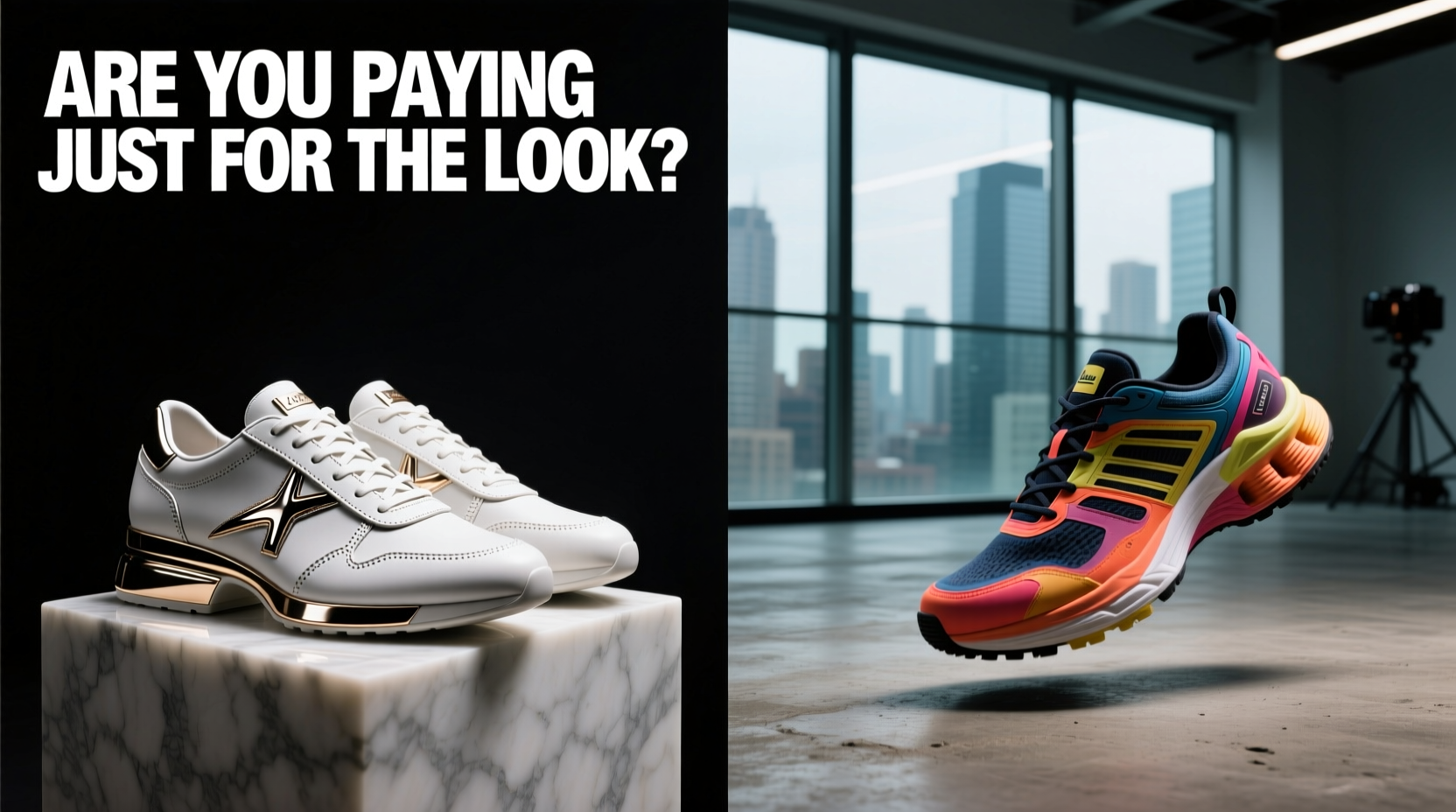
Luxury footwear often comes with five-figure marketing budgets, celebrity endorsements, and seasonal runway shows. These elements don’t improve fit or durability—they inflate perception. A $900 pair of designer loafers might use fine Italian leather and hand-stitching, but it also carries a markup that reflects brand exclusivity more than production cost.
In contrast, athletic shoes typically retail between $100 and $200. Yet many incorporate research-backed technologies: responsive midsoles, breathable knit uppers, motion-controlling heels. Companies like Brooks and ASICS spend millions annually on gait analysis and injury prevention studies. Their goal is performance, not Instagram virality—though some models now achieve both.
Tip: When evaluating a shoe's value, ask: Does this price reflect materials and innovation—or just logo appeal?Comfort and Function: A Side-by-Side Comparison
One of the most misleading assumptions is that all expensive shoes are comfortable. In reality, many designer styles prioritize narrow silhouettes, pointed toes, and minimal cushioning—all of which can compromise foot health over time. High-fashion boots or dress shoes often lack arch support, leading to plantar fasciitis or metatarsalgia with prolonged use.
Athletic shoes, by design, aim to enhance movement. Features like EVA foam, carbon fiber plates, or adaptive lacing systems are engineered to absorb impact, stabilize joints, and reduce fatigue. Running shoes undergo rigorous testing on treadmills, trails, and tracks before release. The data-driven approach ensures reliability under stress.
“From a podiatrist’s standpoint, most designer shoes fail basic ergonomic standards. You wouldn’t drive a sports car without suspension—why walk without support?” — Dr. Lena Torres, Podiatric Biomechanics Specialist
Design Priorities at a Glance
| Feature | Designer Shoes | Athletic Shoes |
|---|---|---|
| Primary Goal | Style, status, trend alignment | Performance, injury prevention, endurance |
| Cushioning | Minimal to moderate (often firm soles) | High (engineered foams, gel inserts) |
| Arch Support | Rarely included; flat insoles common | Integrated or customizable support |
| Fit Flexibility | Narrow lasts; limited widths | Multiple widths; adaptive uppers |
| Durability (Daily Wear) | Varies; delicate materials degrade faster | High; abrasion-resistant outsoles |
The Hidden Cost of Fashion-First Footwear
Consider Sarah, a marketing executive in Chicago. She invested $750 in a pair of limited-edition designer sneakers promoted by her favorite influencer. Stylish? Undoubtedly. Worn more than three times? No. Why? They caused blisters after 20 minutes of walking and offered no traction in winter conditions. Within six months, the rubber detailing cracked due to infrequent use and improper storage—a common issue with hybrid luxury-sneakers that blend fashion materials with sporty shapes.
Sarah’s experience isn’t unique. A 2023 consumer report by Footwear Insight Group found that 68% of respondents who bought high-end designer sneakers used them fewer than ten times per year. Compare that to athletic shoes, where average usage exceeds 300 miles for runners alone. The disparity highlights a critical gap: emotional purchase versus functional utility.
Mini Case Study: The Commuter’s Dilemma
James, a software developer in Seattle, walks 4 miles daily between transit stops and his office. He alternated between wearing designer Chelsea boots and trail-running shoes. After two months, he developed heel pain. Switching exclusively to supportive athletic shoes resolved the issue within weeks. His realization? “I was prioritizing how I looked in meetings over how my body felt by 3 p.m.”
When Designer Shoes Make Sense—and When They Don’t
There’s no universal rule that luxury footwear is wasteful. Some brands blend artistry with ergonomics. Examples include Tod’s driving moccasins, known for flexible soles, or Church’s formal shoes, built on durable Goodyear welted construction. These are investments in longevity and refined manufacturing.
However, if your lifestyle involves standing, walking, or active movement, placing style above support leads to diminishing returns. Chronic discomfort, premature wear, and medical costs can outweigh short-term social validation.
- Choose designer shoes when: Occasion demands formality, craftsmanship is proven, and wear is occasional.
- Opt for athletic shoes when: Daily activity level is moderate to high, foot health is a concern, or terrain varies.
- Consider hybrids cautiously: Many “lifestyle” sneakers merge fashion with light functionality but fall short of true performance benchmarks.
Checklist: Evaluating Shoe Value Before Purchase
- Test the arch support by pressing your thumb into the insole—does it resist slightly?
- Check heel counter rigidity—squeeze the back; it should not collapse inward.
- Assess toe box width—your toes should lie flat without pressure.
- Review return policy—can you test-walk it risk-free?
- Research independent reviews focusing on long-term wear, not just unboxing reactions.
- Determine intended use frequency—will this be worn weekly or seasonally?
Frequently Asked Questions
Can athletic shoes be stylish enough for casual work environments?
Absolutely. Brands like Allbirds, Axel Arigato, and even Nike’s Court Legacy lines offer minimalist designs suitable for smart-casual settings. Pair neutral-toned performance shoes with tailored chinos or dark jeans for a polished yet practical look.
Are expensive designer shoes more durable than cheaper ones?
Not necessarily. Durability depends on construction method and material care, not price alone. A $200 pair of Oxfords with Goodyear welting may outlast a $1,200 designer sneaker made with glued-on soles and synthetic trims. Look for signs of quality: consistent stitching, solid hardware, and replaceable components.
Is it worth investing in both types of shoes?
Yes—for different purposes. Think of them as tools for specific jobs. Athletic shoes protect your body during movement. Designer shoes serve symbolic roles in social or professional image-building. Owning both makes sense if each fulfills a distinct need in your life.
Making Smarter Footwear Choices
The choice between designer and athletic shoes shouldn’t be framed as fashion versus function. Instead, reframe it as intentionality versus impulse. Every pair you buy sends a message—not just to others, but to yourself—about what you value: appearance, well-being, sustainability, or versatility.
You don’t have to reject luxury to embrace comfort. Nor must you sacrifice style for support. The modern wardrobe allows for balance. Rotate high-end pieces for events while relying on scientifically designed footwear for everyday demands. Over time, this approach saves money, reduces foot problems, and promotes mindful consumption.
“The best shoe is the one that serves its purpose without compromising your health.” — Marcus Lin, Sustainable Footwear Advocate
Final Thoughts: Step With Purpose
Your feet carry you through every aspect of life. Whether climbing stairs, chasing kids, or closing deals, they deserve footwear that supports more than just your outfit. Next time you're tempted by a flashy designer release or dazzled by a new running model, pause. Ask: Am I paying for lasting value—or just a momentary impression?
Start small. Replace one pair of uncomfortable dress shoes with a supportive alternative. Track how your energy levels change. Notice reduced joint strain. Share your findings. Small shifts in footwear habits can lead to significant improvements in daily comfort and long-term mobility.
💬 What’s one pair of shoes you wish you hadn’t bought—and why? Join the conversation below and help others avoid costly missteps.








