In a world where personal accessories double as status symbols, the humble keychain has evolved from a simple tool into a statement piece. Designer keychains—crafted with luxury materials, branded emblems, and intricate detailing—have flooded the market, often commanding prices that rival small electronics. Meanwhile, the carabiner clip, long a staple of climbers and outdoor enthusiasts, has gained traction as a minimalist, functional alternative for everyday carry. But beneath the aesthetics lies a critical question: Are designer keychains truly practical, or are they merely overpriced hype? And can a rugged carabiner compete in both form and function?
This isn’t just about keys—it’s about how we prioritize utility versus image in our daily lives. By dissecting build quality, versatility, longevity, and real-world usability, we can determine which option delivers lasting value.
The Rise of the Designer Keychain
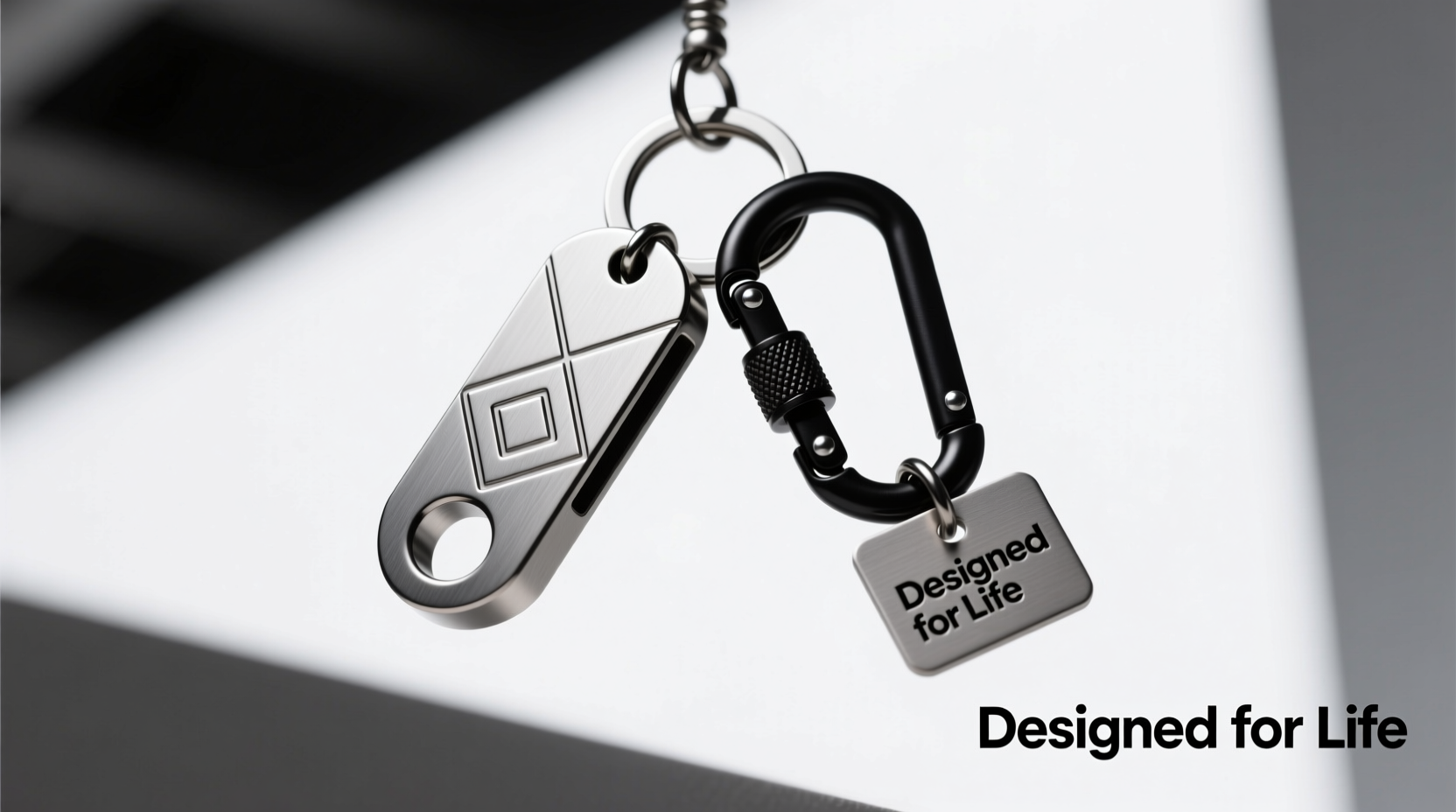
Designer keychains have become a subtle yet powerful extension of personal branding. Brands like Gucci, Louis Vuitton, and Balmain offer keychains ranging from $150 to over $500, often featuring enamel logos, metal charms, or leather tassels. These aren’t just accessories; they’re fashion artifacts meant to be seen. Social media influencers frequently dangle them from tote bags or backpacks, turning what was once a utilitarian object into a conversation starter.
Yet their appeal is not purely aesthetic. Some high-end models use solid brass, stainless steel, or aerospace-grade aluminum, suggesting durability. Certain designs even incorporate modular features—detachable bottle openers, USB drives, or built-in multitools—blurring the line between ornament and utility.
“People don’t buy luxury keychains for function alone. They buy them as identity markers—small tokens of success.” — Marcus Lin, Urban Lifestyle Analyst
Still, many designer keychains lack secure locking mechanisms, rely on flimsy split rings, or add unnecessary bulk. When clipped to a heavy set of keys, these flaws become apparent quickly.
Tip: If you own a designer keychain, consider using it decoratively on a bag rather than carrying your full key set—this preserves its finish and reduces wear.Carabiner Clips: Function First
Carabiners originated in mountaineering, where failure isn’t an option. Built to withstand thousands of pounds of force, modern EDC (everyday carry) carabiners are typically made from lightweight aluminum alloys or hardened steel. Their spring-loaded gate mechanism ensures secure attachment, and their streamlined shape makes them easy to clip onto belts, pockets, or bags.
Unlike most designer keychains, carabiners are engineered for repeated stress. Many feature key-specific designs—like dual-gate systems or rotating joints—that prevent accidental detachment. Some models include additional tools: flathead screwdrivers, box openers, or even integrated LED lights.
Their minimalist profile appeals to those who value efficiency. A carabiner adds little weight, avoids jangling noises, and allows quick access to keys. In emergency situations—such as cutting seatbelts or opening packages—they can prove unexpectedly useful.
Real-World Example: The Commuter’s Dilemma
Take Sarah, a product manager in Seattle who walks 20 minutes to work each day. She used a $220 designer keychain with a leather strap and gold logo. Within three months, the leather frayed, the clasp loosened, and the charm fell off during a rainstorm. Frustrated, she switched to a $18 titanium carabiner with a magnetic lock. Two years later, it still holds her six keys securely, survives daily exposure to moisture, and fits smoothly in her pocket. “I don’t miss the logo,” she says. “I just want my keys to stay put.”
Head-to-Head Comparison
| Feature | Designer Keychains | Carabiner Clips |
|---|---|---|
| Durability | Varies widely; often compromised by decorative elements | High; built for mechanical stress and outdoor use |
| Security | Basic split rings or weak clasps; prone to accidental loss | Spring-loaded or magnetic gates; reliable retention |
| Weight & Bulk | Often heavy due to metals, charms, or leather | Lightweight and compact; designed for mobility |
| Versatility | Limited to keys or decoration | Can attach to gear, hang items, or serve as tools |
| Aesthetic Appeal | High; aligns with fashion trends and brand identity | Minimalist; functional look may lack \"prestige\" |
| Price Range | $100–$600+ | $8–$50 |
When Style Meets Substance: Hybrid Solutions
The gap between fashion and function isn’t unbridgeable. A growing number of brands now produce hybrid key organizers that blend sleek design with robust engineering. Examples include:
- KeySmart Pro: A machined aluminum case that consolidates keys into a slim rectangle, preventing scratches and noise.
- Nite Ize HookR: A durable carabiner with a rotating hook, allowing keys to pivot freely without tangling.
- Supra Gear Link: A modular system with replaceable components, including bottle openers and tracking devices.
These hybrids offer the best of both worlds: clean lines, premium finishes, and thoughtful mechanics. While more expensive than basic carabiners, they rarely exceed $100—still far below luxury designer pricing.
Tip: Look for key organizers with replaceable parts and lifetime warranties—true indicators of long-term value.How to Choose What Works for You
Your choice depends on lifestyle, priorities, and usage patterns. Consider the following checklist before deciding:
Key Decision Checklist
- Do you carry more than four keys? → Carabiners or organizers handle bulk better.
- Do you frequently drop or lose keys? → Opt for secure locking mechanisms (e.g., twist-lock carabiners).
- Is visibility important? → Designer pieces stand out; carabiners stay discreet.
- Do you work outdoors or commute heavily? → Durability trumps aesthetics.
- Are you budget-conscious? → Carabiners offer superior cost-per-use value.
If you value convenience and resilience, a carabiner is likely the smarter investment. If your keys are part of a curated wardrobe and rarely subjected to strain, a designer piece might justify its cost as a symbolic accessory.
Frequently Asked Questions
Can a carabiner damage my keys or pocket?
High-quality carabiners with smooth edges and coated finishes won’t scratch keys or fabric. Avoid cheap, rough-edged models that can fray pockets or key teeth over time.
Are designer keychains worth the price?
Only if you prioritize branding and aesthetics over performance. Most offer no functional advantage over $20 alternatives—and often underperform in reliability testing.
Can I use a carabiner for climbing or safety applications?
No. Everyday carry carabiners are not rated for life-support activities. Always use certified climbing-grade hardware for outdoor sports.
Making the Right Call
The debate between designer keychains and carabiner clips ultimately comes down to intent. If your goal is self-expression and you treat accessories as wearable art, a designer piece may bring genuine satisfaction. But if you value efficiency, durability, and peace of mind, the carabiner remains unmatched in practicality.
It’s possible to appreciate both worlds—using a carabiner for daily keys and reserving a designer chain for display on a handbag or as a gift. The key (pun intended) is recognizing the difference between utility and ornamentation, and choosing accordingly.
“Function should never be sacrificed for flair—especially when something as essential as your keys is involved.” — Diego Reyes, EDC Gear Designer
Final Thoughts
Design trends come and go, but reliability endures. Before spending hundreds on a branded charm, ask whether it solves a problem or simply advertises one. Meanwhile, the humble carabiner continues proving that smart design doesn’t need a logo to make a statement.
💬 What’s on your keyring? Share your setup and whether you prioritize style or function—we’d love to hear your take.








