When outfitting a team, promoting a brand, or organizing an event, one of the most common decisions involves choosing between custom baseball tees and off-the-rack stock options. Custom tees typically carry a higher price tag—sometimes double or more than standard stock versions. But does that premium translate into real value? The answer depends on your goals, usage, and expectations for durability, appearance, and impact.
Baseball tees—known for their distinctive raglan sleeves and sporty aesthetic—have evolved beyond athletic wear into casual fashion and branded apparel. Whether for youth leagues, corporate events, or promotional giveaways, understanding the tangible differences between custom and stock models can save money and improve outcomes.
Understanding the Core Differences
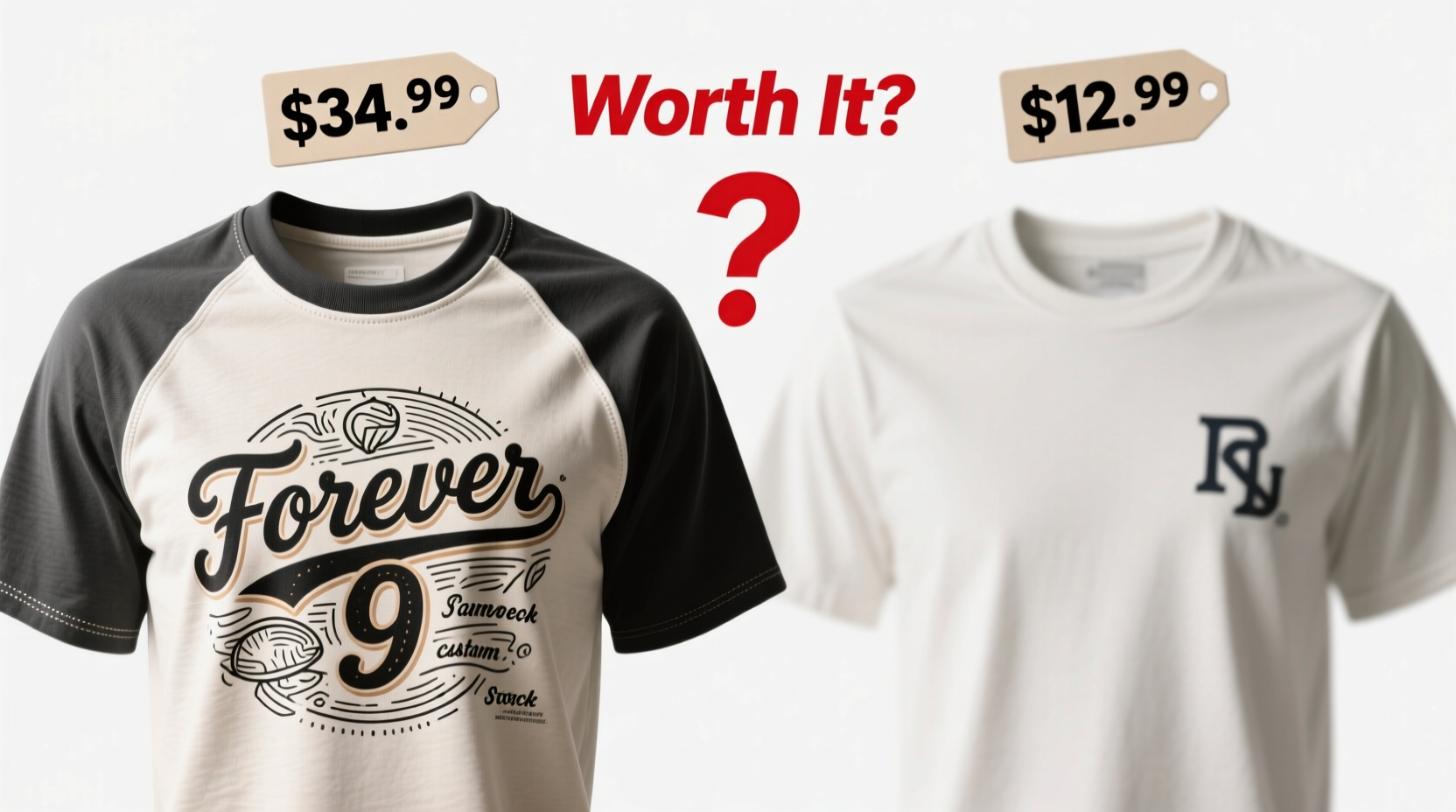
The primary distinction lies in production method and personalization. Stock baseball tees are mass-produced with standardized designs, colors, and sizes. They're available immediately, often at low per-unit costs. Custom baseball tees, on the other hand, are made-to-order with specific fabrics, fits, colors, logos, and graphics tailored to the buyer’s needs.
This level of control affects every aspect of the final product—from fabric weight and stitching quality to sleeve length and collar durability. While stock tees offer convenience, custom versions deliver precision. But does that precision justify the cost?
Material and Construction Quality
One of the most significant differences is fabric composition. Stock tees are commonly made from 100% cotton or basic cotton-polyester blends designed for affordability. These materials may feel soft initially but often shrink, fade, or lose shape after repeated washes.
In contrast, custom manufacturers typically allow selection from premium fabric blends—such as 60/40 combed cotton-polyester—that resist shrinking, reduce pilling, and maintain color vibrancy. Some brands even offer moisture-wicking or antimicrobial treatments ideal for athletic use.
“With custom tees, you’re not just buying a shirt—you’re engineering performance. Teams that train weekly see far better longevity with custom-grade materials.” — Derek Langston, Apparel Designer at ProTeam Gear
Stitching also differs. Stock garments often use single-needle seams and lower thread counts to cut costs. Custom tees usually feature double-stitched hems, reinforced shoulders, and coverstitching on collars—details that extend lifespan under stress and frequent laundering.
Tip: Always request fabric swatches when ordering custom tees. Feeling the material firsthand prevents surprises and ensures alignment with your comfort and durability standards.Fit and Consistency Across Sizes
Finding consistent sizing in stock baseball tees can be frustrating. One brand’s medium might match another’s small, and proportions vary widely—especially in youth and women’s cuts. This inconsistency becomes problematic when outfitting groups where uniformity matters.
Custom suppliers provide detailed size charts based on actual garment measurements, not industry averages. You can adjust sleeve length, body width, and neck drop to suit your audience. For example, a youth baseball team might need shorter sleeves and tapered bodies for active play, while a corporate picnic group may prefer relaxed, unisex fits.
Moreover, because custom orders are produced in one batch, dye lots and cuts remain consistent. With stock tees bought over time, slight variations in color or cut can create a mismatched look—undermining professionalism or team cohesion.
Branding and Visual Impact
If visibility and brand recognition are priorities, custom tees hold a clear advantage. Stock tees come with pre-printed designs or no graphics at all. Adding your logo through third-party printing (like screen printing or heat transfer) often results in stiff, peeling artwork that detracts from the shirt’s feel and appearance.
Custom orders integrate design from the start. Logos, numbers, and slogans are applied using professional techniques such as direct-to-garment (DTG), sublimation, or high-density screen printing. These methods produce vibrant, durable graphics that move with the fabric—not crack or flake.
Beyond aesthetics, customization allows strategic branding. Placement of logos on sleeves, chest, or back can align with marketing goals. Color schemes can match brand guidelines exactly, not just approximate them.
| Feature | Stock Baseball Tee | Custom Baseball Tee |
|---|---|---|
| Fabric Options | Limited (standard blends) | Full range (premium, performance, eco-friendly) |
| Fit Control | Fixed by manufacturer | Adjustable per order |
| Design Flexibility | None or minimal | Complete (colors, logos, graphics) |
| Minimum Order | Single item | Usually 12+ units |
| Cost Per Unit | $8–$15 | $18–$35+ |
| Durability | Moderate (6–12 months with regular use) | High (18–36+ months) |
Real-World Example: A Youth League’s Decision
The Westside Little Sluggers, a recreational baseball league with 48 players, faced a choice before their spring season. They needed team shirts and had two options: buy stock tees at $12 each with basic printing, or invest in custom tees at $28 each with full design integration.
They chose custom—and saw immediate benefits. Parents reported fewer complaints about tight sleeves and itchy prints. Coaches noted the shirts held up through weekly games and machine washing without fading. By season’s end, only three shirts required replacement due to wear.
Compare that to the previous year, when they used stock tees. Over half the team had faded or cracked graphics by mid-season, and several kids outgrew the inconsistent sizing. When factoring in replacements and dissatisfaction, the “cheaper” option ended up costing more in both money and morale.
The league director later calculated that the effective cost per wear was lower with custom tees—just $0.70 per game compared to $1.10 with stock—making the investment clearly worthwhile.
Step-by-Step Guide to Choosing the Right Option
Follow this process to determine whether the price difference is justified for your needs:
- Define Your Purpose: Are these shirts for competition, promotion, or one-time events? Long-term use favors custom.
- Assess Group Size: Orders under 12 people may not benefit from bulk custom pricing. Larger groups gain economies of scale.
- Evaluate Branding Needs: If logo clarity and color accuracy matter, custom offers superior reproduction.
- Test Durability Requirements: Will shirts be washed frequently or exposed to sweat and sun? Premium materials last longer.
- Compare Total Cost of Ownership: Factor in expected lifespan, replacements, and perceived value—not just upfront price.
- Request Samples: Many custom vendors offer sample kits. Compare side-by-side with stock options.
FAQ
Can I get a custom baseball tee as a single item?
Possibly, but it’s rarely cost-effective. Most reputable custom printers require minimums of 12–24 units to cover setup costs. For individuals, high-quality stock tees with specialty printing may be a better fit.
Do custom tees take longer to receive?
Yes. While stock tees ship within days, custom orders typically take 2–4 weeks depending on complexity and location. Plan accordingly for events or seasons.
Are there eco-friendly custom options?
Absolutely. Many custom manufacturers now offer organic cotton, recycled polyester, and water-based inks. These options may cost slightly more but appeal to environmentally conscious audiences.
Final Verdict: Is the Price Difference Worth It?
The higher cost of custom baseball tees is justified when you value consistency, durability, and professional presentation. For teams, businesses, or organizations building identity, the investment pays off in reduced replacements, stronger branding, and greater wearer satisfaction.
Stock tees remain practical for short-term use, small groups, or budget-limited scenarios. But if you’re outfitting more than a handful of people—or expect the shirts to represent your brand over time—custom is almost always the smarter long-term choice.
The true measure isn’t the sticker price, but the value per wear, the impression made, and the message conveyed. A well-made, thoughtfully designed custom baseball tee doesn’t just look better—it performs better, lasts longer, and represents you with pride.
🚀 Ready to make the switch? Start by requesting samples from two custom suppliers and comparing them directly with your current stock options. See—and feel—the difference for yourself.








