For generations, Campbell’s Creamy Tomato Bisque Soup has stood as a symbol of warmth, simplicity, and nostalgic comfort in American kitchens. More than just a pantry staple, it represents a culinary shortcut that delivers consistent flavor with minimal effort—ideal for busy weeknights, quick lunches, or as a base for elevated home cooking. While often associated with childhood memories and grilled cheese pairings, this iconic soup holds deeper relevance in modern food culture: its balance of acidity, sweetness, and creaminess makes it a versatile ingredient in sauces, casseroles, and even gourmet adaptations. Understanding its composition, history, and functional uses empowers cooks to move beyond the can and integrate it intelligently into daily meals.
Definition & Overview
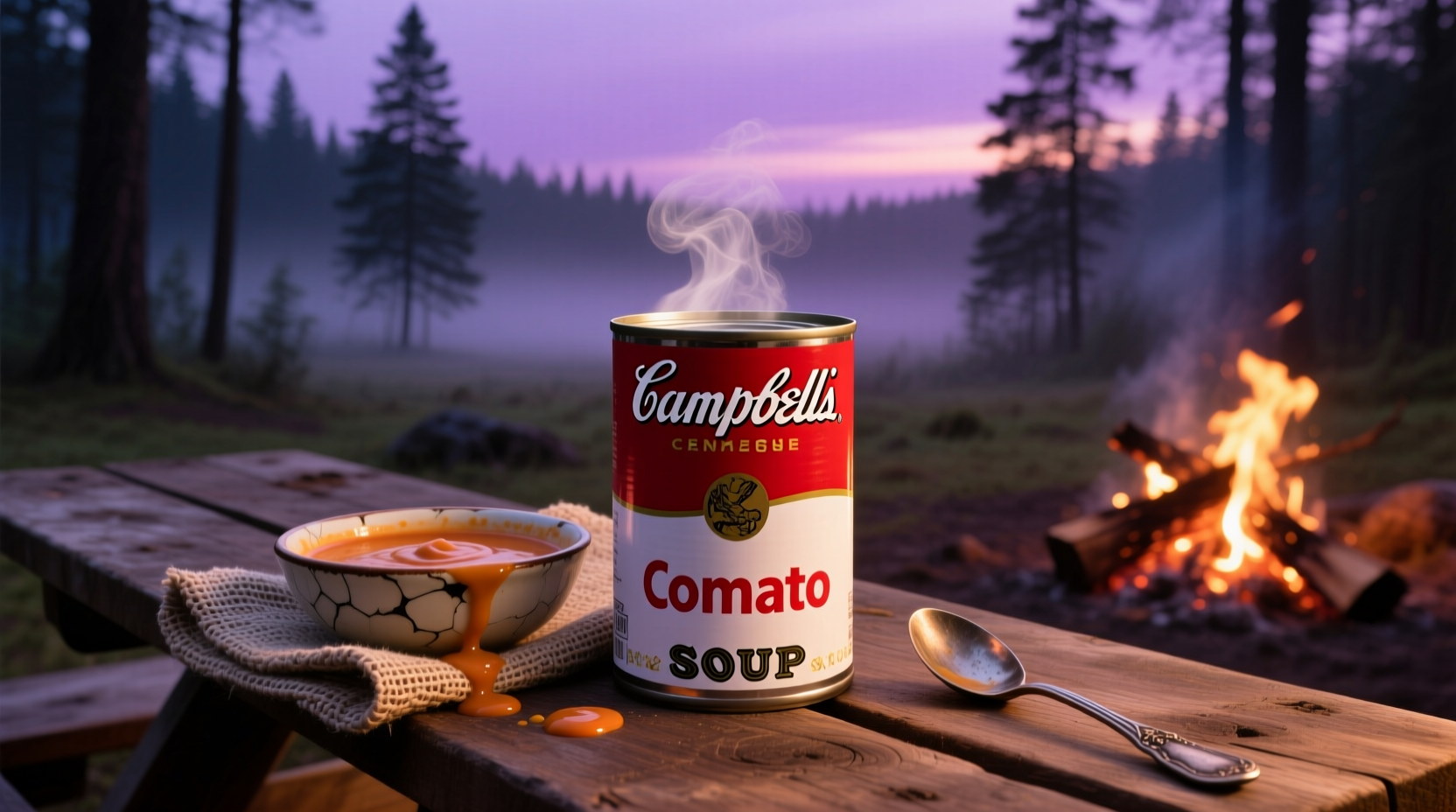
Creamy Tomato Bisque Soup by Campbell’s is a shelf-stable, condensed tomato-based soup produced by the Campbell Soup Company since 1966. Unlike traditional homemade bisques—which typically involve slow reduction, roux-thickened bases, and fresh dairy—Campbell’s version is engineered for convenience, consistency, and long shelf life. It combines reconstituted tomato paste, vegetable oil, sugar, modified food starch, and nonfat milk solids to simulate the rich texture and velvety mouthfeel of a true bisque without requiring refrigeration prior to opening.
The term “bisque” traditionally refers to a smooth, creamy soup originating from French cuisine, historically made with shellfish. Over time, especially in American usage, the word evolved to describe any thick, puréed, and cream-enriched vegetable soup—particularly tomato. Campbell’s capitalized on this linguistic shift, positioning their product not merely as \"tomato soup\" but as a more refined, luxurious experience. This branding distinction helped elevate the perception of canned soup from utilitarian to comforting indulgence.
The soup falls under the category of processed convenience foods but functions across multiple culinary roles: standalone meal, flavor enhancer, sauce base, or component in composite dishes like casseroles and dips. Its widespread availability and low cost contribute to its enduring popularity across socioeconomic groups, making it both a cultural touchstone and a practical tool in resource-conscious cooking.
Key Characteristics
| Attribute | Description |
|---|---|
| Flavor Profile | Balanced sweet-tart tomato base with subtle buttery notes and mild saltiness; rounded finish due to added sugars and fat substitutes. |
| Aroma | Warm, cooked tomato scent with faint dairy undertones and a hint of spice (notably celery seed and onion powder). |
| Color & Texture | Vibrant red-orange hue; smooth, slightly viscous when prepared, mimicking cream-reduced consistency despite being dairy-light. |
| Heat Level | Non-spicy; suitable for all palates including children and heat-sensitive individuals. |
| Culinary Function | Acts as a flavor base, thickener, moisture source, or primary ingredient in soups, stews, sauces, and baked dishes. |
| Shelf Life | Up to 2 years unopened when stored in a cool, dry place; refrigerate within 2 hours after opening and consume within 3–4 days. |
| Allergens | Contains milk (nonfat milk, whey); processed in facilities that handle wheat, soy, and eggs. |
Practical Usage in Home Cooking
The real value of Campbell’s Creamy Tomato Bisque lies not only in its standalone form but in its adaptability. When used thoughtfully, it can reduce prep time while enhancing depth of flavor in various recipes.
As a Standalone Dish
To prepare the soup traditionally, mix one can (typically 10¾ oz) with approximately 1¼ cups of water or milk. Using whole milk instead of water increases richness and improves mouthfeel. For enhanced flavor, heat gently in a saucepan over medium-low heat, stirring frequently to prevent scorching. Finish with a swirl of heavy cream, a pat of butter, or fresh herbs like basil or thyme to bridge the gap between processed and artisanal.
Pro Tip: Sauté a tablespoon of onion or garlic in butter before adding diluted soup to build aromatic complexity. A splash of balsamic vinegar or Worcestershire sauce deepens umami and balances sweetness.
As a Sauce Base
The soup’s thickened structure and balanced acidity make it ideal for creating quick pasta sauces. Combine one can with ½ cup water or broth, simmer, then toss with cooked penne or rigatoni. Add sautéed mushrooms, spinach, or shredded chicken for a complete meal. The starch content helps the sauce cling to noodles, reducing the need for additional thickeners.
In Casseroles and Bakes
Campbell’s Tomato Bisque replaces traditional cream-of-soup products in casserole recipes—especially those calling for “cream of mushroom.” Use it in tuna noodle casserole, green bean bake, or potato gratin to add moisture, color, and tang. Because it lacks the earthy mushroom flavor, it works best when paired with robust ingredients like sharp cheddar, smoked paprika, or roasted vegetables.
For Dips and Spreads
Mixed with sour cream, mayonnaise, or cream cheese and heated gently, the soup forms the backbone of warm party dips. Blend with grated cheddar and serve with tortilla chips or bread cubes. Alternatively, fold cooled soup into softened goat cheese for a spreadable appetizer on crostini.
Restaurant-Style Applications
Professional kitchens occasionally use condensed tomato bisque as a time-saving element during high-volume service. Some diners and cafés thin it further, infuse with fresh herbs, and finish with crème fraîche to create a “house-style” tomato soup at scale. Sous chefs may also reduce it with wine and stock to form a glaze for roasted meats or a braising liquid for short ribs.
Variants & Types
While the original Creamy Tomato Bisque remains the flagship, Campbell’s offers several variations tailored to dietary preferences and flavor trends:
- Low-Sodium Creamy Tomato Bisque: Contains about 40% less sodium than the regular version, ideal for heart-healthy diets. Flavor is slightly flatter but responds well to seasoning adjustments.
- Organic Tomato Bisque: Made with certified organic ingredients, including organic tomato paste and non-GMO oils. Uses organic cream instead of milk solids, resulting in a richer profile.
- Ready-to-Eat (Microwaveable Cups): Pre-diluted, single-serving containers designed for office or on-the-go consumption. Less customizable but convenient for portion control.
- Homestyle Series – Hearty Tomato with Basil: A chunkier alternative with visible vegetable pieces and whole milk; not technically a bisque but marketed similarly.
- Plant-Based / Dairy-Free Versions: Available through private-label lines or international markets, these substitute coconut milk or oat milk for dairy derivatives.
Each variant serves a different purpose. The low-sodium version suits medically restricted diets, while the organic and plant-based options appeal to clean-label consumers. However, the original condensed can remains the most functionally versatile due to its concentrated nature and predictable behavior in cooking.
Comparison with Similar Ingredients
Campbell’s Creamy Tomato Bisque is often confused with other tomato-based products. Understanding the differences ensures proper usage and avoids flavor imbalances.
| Product | Differences from Campbell’s Creamy Tomato Bisque |
|---|---|
| Regular Tomato Soup (Campbell’s) | Thinner, less creamy, lower fat content. Lacks the modified starch and milk solids that give bisque its body. Better for sipping, worse for thickening. |
| Passata or Tomato Puree | Unsweetened, unseasoned, and free of additives. Requires added fat and thickener to match bisque consistency. Offers greater control over final taste. |
| Tomato Paste | Highly concentrated, intensely acidic. Must be diluted and tempered with fat and sugar to avoid harshness. Not interchangeable volume-for-volume. |
| Homemade Tomato Bisque | Uses fresh tomatoes, cream, onions, garlic, and herbs. Fresher flavor, no preservatives, but takes 45+ minutes to prepare. Higher perishability. |
| Cream of Mushroom Soup | Same base formula but with mushroom flavoring. Earthier, less acidic. Used interchangeably in casseroles, though tomato adds brightness. |
\"Many home cooks don’t realize that condensed soups like Campbell’s bisque are essentially pre-made sauce matrices. They contain emulsifiers, stabilizers, and flavor buffers that mimic hours of reduction—all in a can.\" — Chef Elena Rodriguez, Culinary Instructor at New England Culinary Institute
Practical Tips & FAQs
How do I improve the flavor of canned tomato bisque?
Add fresh aromatics (onion, garlic, celery), fresh herbs (basil, oregano), a splash of acid (balsamic vinegar, lemon juice), or umami boosters (Worcestershire sauce, Parmesan rind). Simmer for 10–15 minutes to meld flavors.
Can I freeze Campbell’s Tomato Bisque?
Yes, but dairy-containing versions may separate upon thawing. Reheat slowly and whisk vigorously. Adding a small amount of cornstarch slurry during reheating restores smoothness.
Is it safe to eat directly from the can?
Technically yes, as it is fully cooked and sterilized, but heating improves flavor, safety, and digestibility. Never boil condensed soup undiluted—it will burn and curdle.
What are common substitutions if I don’t have tomato bisque?
Mix 1 cup tomato puree + ¼ cup heavy cream + 1 tsp sugar + 1 tbsp butter + 1 tsp flour. Simmer until thickened. Adjust salt to taste. This replicates both texture and flavor profile.
How does it compare nutritionally to homemade?
Per serving (½ can + water), Campbell’s contains around 170 calories, 6g fat, 27g carbohydrates, 10g sugar, and 700mg sodium. Homemade versions using fresh tomatoes and cream typically have fewer additives, lower sodium, and higher nutrient density, though calorie counts may be similar.
Can I use it in vegan cooking?
The standard version contains milk, so it is not vegan. Look for plant-based alternatives or modify recipes using cashew cream blended with tomato paste and spices.
Why does my bisque sometimes curdle?
Curdling occurs when exposed to high heat or extreme pH changes. Always heat gently and avoid boiling. If adding acidic ingredients (like wine or vinegar), introduce them gradually and off direct heat.
Storage Checklist:
✔ Store unopened cans in a dark, dry cabinet away from heat sources.
✔ Rotate stock using FIFO (First In, First Out) method.
✔ Transfer leftovers to an airtight glass container.
✔ Label and date refrigerated portions.
✔ Consume within 4 days or freeze for up to 3 months.
Summary & Key Takeaways
Campbell’s Creamy Tomato Bisque Soup transcends its reputation as a simple canned meal. It is a carefully formulated culinary tool designed for efficiency, stability, and sensory appeal. Its signature blend of sweetness, acidity, and simulated creaminess allows it to function far beyond the bowl—as a sauce base, binder, flavor amplifier, and kitchen shortcut.
Understanding its ingredients reveals why it behaves differently than fresh tomato products: the inclusion of modified starches, dairy solids, and preservatives enables shelf stability and thickening power unmatched by raw components. Recognizing its limitations—such as high sodium, lack of freshness, and potential for curdling—allows cooks to compensate with smart enhancements.
Whether used to revive a tired casserole, create a 10-minute pasta dish, or evoke childhood comfort, Campbell’s Tomato Bisque remains a relevant player in modern cooking. Its endurance reflects not just nostalgia, but functionality. By treating it not as a final product but as a building block, home cooks gain access to faster, more consistent results without sacrificing too much on taste.
Challenge Yourself: Try reinventing the classic grilled cheese and tomato soup combo. Make the sandwich with aged white cheddar and griddled sourdough. Serve it alongside a warmed bowl of bisque stirred with roasted red peppers and a swirl of pesto. You’ll honor tradition while elevating it.









