Choosing the right footwear for outdoor adventures isn’t just about comfort—it’s a matter of safety, stability, and long-term enjoyment of the wilderness. While cowboy boots carry undeniable style and cultural significance, they were never designed for rugged terrain. Hiking boots, on the other hand, are engineered specifically for trail performance. When these two types of footwear go head-to-head on a mountain path or forest trail, the consequences of choosing poorly can be more serious than most realize.
The Anatomy of Trail Hazards
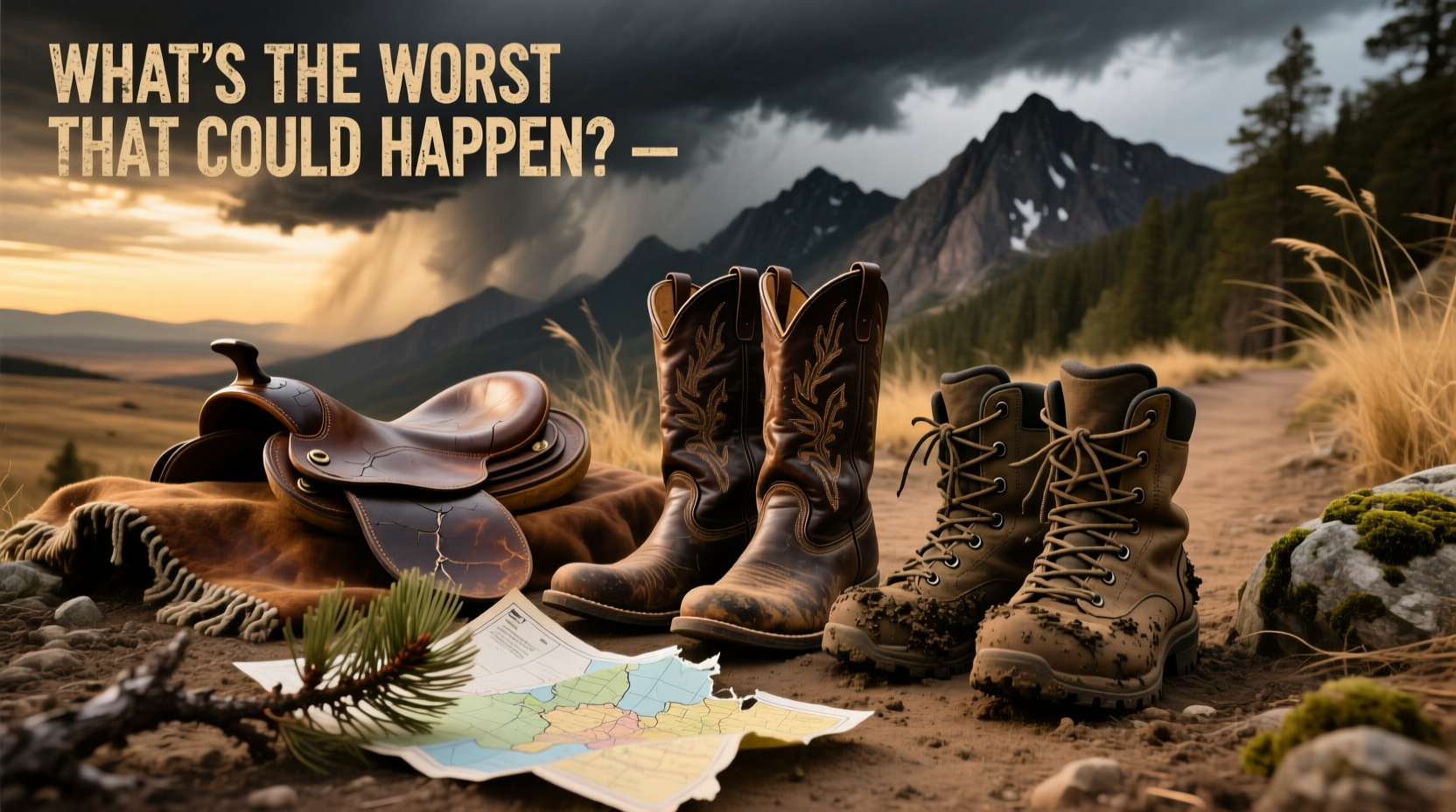
Trails present a dynamic mix of challenges: loose gravel, wet roots, steep inclines, uneven rocks, and sudden drops. Proper hiking boots provide ankle support, aggressive tread patterns, water resistance, and durable uppers to handle these conditions. Cowboy boots, while sturdy in some respects, lack essential features needed for safe off-road travel.
Wearing cowboy boots on a trail introduces multiple points of failure. The smooth leather soles offer minimal grip, especially on wet surfaces. The pointed toe increases tripping risk over roots and rocks. And the tall shaft, while stylish, often provides rigid support that doesn’t flex with natural foot movement during extended walking.
Tip: If you hear your boots slipping even slightly on damp rock or mud, stop and assess—this is an early warning sign of inadequate traction.What Could Go Wrong? Real Risks of Cowboy Boots on Trails
The worst-case scenarios aren’t exaggerated—they’re documented among park rangers, search-and-rescue teams, and outdoor educators. Here’s what can happen when cowboy boots meet backcountry terrain:
- Ankle sprains or fractures: Lack of lateral support makes rolling an ankle far more likely on uneven ground.
- Falls on descents: Smooth soles fail to grip downhill slopes, increasing fall risk, especially when fatigued.
- Blisters and hot spots: Rigid construction and poor moisture management lead to friction burns after just a few miles.
- Strained tendons: The elevated heel (typically 1–1.5 inches) alters gait mechanics, placing extra stress on Achilles tendons over time.
- Hypothermia risk: Non-breathable leather holds moisture, chilling feet in cool or rainy conditions.
“Footwear is the foundation of any hike. One wrong step due to poor traction can turn a peaceful walk into a medical emergency.” — Dr. Lena Torres, Wilderness Medicine Specialist
Performance Comparison: Cowboy Boots vs Hiking Boots
| Feature | Cowboy Boots | Hiking Boots |
|---|---|---|
| Traction | Poor – smooth leather soles, minimal tread | Excellent – deep lugs, rubber compounds for grip |
| Ankle Support | Moderate – tall shaft but stiff and non-supportive | High – contoured padding and structural reinforcement |
| Water Resistance | Limited – absorbs moisture unless treated | High – waterproof membranes like Gore-Tex |
| Flexibility | Low – rigid sole and upper restrict natural motion | Controlled – flexible at ball of foot, stable elsewhere |
| Durability on Rock/Gravel | Poor – soles wear quickly, heels chip | High – abrasion-resistant materials |
| Weight | Heavy – metal shanks, thick leather | Light to moderate – modern composites reduce load |
A Real Example: The Misadventure of Jake R.
In 2022, a hiker named Jake attempted a 7-mile loop in Colorado’s Rocky Mountain National Park wearing his favorite pair of vintage cowboy boots. He’d worn them daily for years around town and assumed they were “tough enough.” Halfway through the descent, he slipped on a moss-covered boulder near a creek crossing. His boot sole offered no grip, and he fell sideways, twisting his ankle severely. Unable to walk, he had to call for help via satellite messenger. Rangers carried him out on a stretcher.
Medical evaluation revealed a grade 2 ankle sprain and tendon inflammation. Recovery took six weeks. In his事后 reflection, Jake admitted he underestimated how different trail conditions were from paved streets. “I thought my boots were strong,” he said. “But strength without function is useless out there.”
When Style Meets Function: Can Cowboy Boots Ever Work?
In very limited cases—short, flat, dry trails with packed dirt surfaces—cowboy boots may not immediately fail. But this doesn’t make them suitable. Even mild hikes can become hazardous with changing weather or unexpected detours. The margin for error is simply too small.
Some modern hybrid boots blend western aesthetics with hiking functionality—waterproof leathers, Vibram soles, cushioned midsoles—but these are exceptions. True traditional cowboy boots remain ill-suited for sustained trail use.
Step-by-Step Guide: Choosing the Right Footwear for Your Next Hike
- Assess the trail difficulty: Use apps like AllTrails to check elevation gain, terrain type, and recent user reports.
- Measure your foot properly: Feet swell during hikes; fit boots with a thumb’s width at the toe.
- Try before you buy: Walk on an incline in-store, if possible, to test heel lock and arch support.
- Break them in gradually: Wear new boots on short walks before committing to long distances.
- Inspect regularly: Check for worn treads, delamination, or loose stitching before each trip.
Checklist: Are Your Boots Ready for the Trail?
- ✅ Aggressive, non-slip outsole (rubber, not leather)
- ✅ Ankle collar with padding and structural support
- ✅ Waterproof or water-resistant upper material
- ✅ Comfortable fit with room for toe movement
- ✅ Flex point aligned with the ball of the foot
- ✅ No signs of sole separation or heel wear
- ✅ Paired with moisture-wicking socks (not cotton)
Frequently Asked Questions
Can I modify cowboy boots to make them better for hiking?
While you can add rubber soles or orthotic insoles, modifications won’t address core design flaws like poor flex, inadequate ankle support, or narrow toe boxes. It’s safer and more cost-effective to invest in proper hiking footwear.
Are cowboy boots okay for casual nature walks?
On short, well-maintained paths—like boardwalks or paved park trails—they may suffice. But once terrain becomes uneven, wet, or rocky, the risks increase significantly. Always match footwear to conditions.
Do all hiking boots require breaking in?
Most do. Even high-end models need 10–20 miles of gradual use to conform to your foot. Skipping this step raises the likelihood of blisters and discomfort on longer hikes.
Final Thoughts: Respect the Trail, Protect Yourself
The trail doesn’t care about fashion. It responds only to preparation, respect, and functional gear. Cowboy boots symbolize resilience and heritage, but their design belongs on ranches and rodeos—not alpine ridgelines or muddy switchbacks. Choosing hiking boots isn’t about rejecting style; it’s about prioritizing safety, performance, and the ability to return home unharmed.
Every year, preventable injuries occur because hikers underestimate the importance of footwear. Don’t become a statistic. Your adventure should be remembered for the views, the solitude, and the sense of accomplishment—not for a rescue operation caused by unsuitable boots.
🚀 Ready to upgrade your hiking game? Invest in a quality pair of hiking boots, break them in responsibly, and hit the trail with confidence. Share your experience or tag someone who still hikes in cowboy boots—sometimes a friendly nudge saves a sprained ankle.








