Types of Chinese Water Fountain Balls
A Chinese water fountain ball is a symbol of harmony, balance, and tranquility in traditional and modern garden design. These fountains feature a spherical ball that rotates or is surrounded by flowing water, creating a mesmerizing visual and auditory experience. Based on materials, design, and functionality, Chinese water fountain balls are available in several distinct types—each offering unique aesthetic, practical, and environmental benefits.
Traditional Stone Fountains
Crafted from natural stone such as granite, marble, or basalt, these fountains embody timeless elegance and durability. The stone ball rests on a pedestal or basin, with water gently cascading around it before collecting below. Their classic design complements traditional Chinese gardens, Zen spaces, and heritage landscapes.
Advantages
- Natural, earthy aesthetic
- High durability and weather resistance
- Low maintenance over time
- Blends seamlessly with nature
Limitations
- Heavy and difficult to relocate
- Higher initial cost
- Limited design variety
Best for: Traditional gardens, meditation areas, heritage landscapes
Ceramic Water Fountain Balls
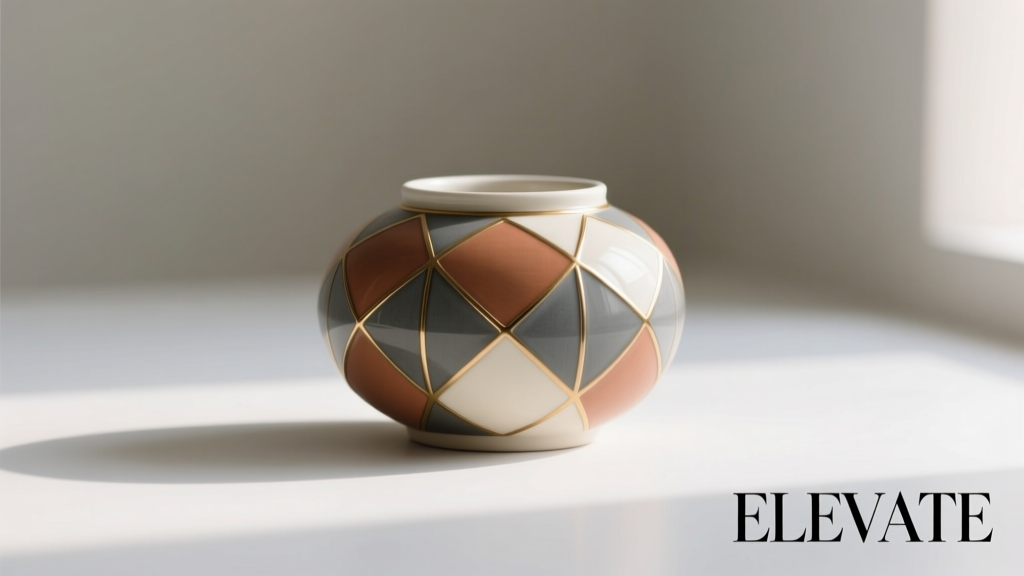
Handcrafted from premium clay and glazed with vibrant colors or intricate patterns, ceramic fountains offer artistic flair. Common motifs include dragons, lotus flowers, waves, and auspicious symbols from Chinese culture. These fountains serve as both functional water features and decorative art pieces.
Advantages
- Rich color variety and artistic designs
- Lighter than stone options
- Excellent decorative appeal
- Available in both traditional and modern styles
Limitations
- More fragile than stone or resin
- Glaze may fade over time in direct sunlight
- Requires careful handling during installation
Best for: Courtyards, patios, and spaces needing a pop of color and cultural symbolism
LED Water Fountain Balls
Made from lightweight resin or acrylic, LED fountain balls integrate multi-color LED lighting beneath or within the water flow. These lights illuminate the fountain at night, creating a dynamic and enchanting display. Available in warm white, cool white, and RGB color modes, they enhance ambiance in both indoor and outdoor settings.
Advantages
- Stunning nighttime visual effect
- Energy-efficient LED technology
- Customizable lighting options
- Great for entertaining or mood lighting
Limitations
- Requires electrical connection or battery
- Light components may need maintenance
- Less traditional in appearance
Best for: Modern gardens, poolside areas, indoor atriums, evening ambiance
Solar Water Fountain Balls
Eco-conscious and sustainable, solar-powered fountains use a small solar panel to convert sunlight into energy for the water pump. These fountains operate independently of the grid, making them ideal for remote or off-grid locations. They are especially effective in sunny climates and promote green living.
Advantages
- Environmentally friendly
- No electricity costs
- Easy to install and relocate
- Low long-term operating cost
Limitations
- Dependent on sunlight (limited function on cloudy days)
- May require battery backup for consistent flow
- Solar panel can be visually intrusive if not integrated well
Best for: Eco-gardens, rural areas, patios with full sun exposure
Basinless Water Fountain Balls
These innovative fountains eliminate the visible water basin, creating the illusion that water flows directly from the ball into the ground. The reservoir is hidden underground or within a low-profile pedestal, offering a minimalist, contemporary look. This design emphasizes clean lines and seamless integration with landscaping.
Advantages
- Modern, sleek appearance
- Space-saving and unobtrusive
- Creates a magical, floating water effect
- Perfect for contemporary architecture
Limitations
- More complex installation (requires underground plumbing)
- Harder to clean and maintain
- Higher initial setup cost
Best for: Modern homes, luxury landscapes, minimalist outdoor designs
| Type | Material | Aesthetic Style | Energy Source | Best For |
|---|---|---|---|---|
| Traditional Stone | Granite, Marble, Basalt | Classic, Natural | Electric or Gravity Flow | Heritage gardens, Zen spaces |
| Ceramic | Glazed Clay | Artistic, Decorative | Electric Pump | Courtyards, Cultural Displays |
| LED | Resin, Acrylic | Modern, Vibrant | Electric or Battery | Evening ambiance, Indoor use |
| Solar | Resin, Plastic, Metal | Eco-Friendly, Contemporary | Solar Panel | Sustainable gardens, Sunny areas |
| Basinless | Stone, Metal, Composite | Minimalist, Seamless | Electric or Solar | Modern architecture, Luxury spaces |
Expert Tip: When installing a solar or LED fountain, ensure the solar panel or power source is placed in a location with maximum sunlight exposure or safe electrical access. Regular cleaning of the pump and nozzles will maintain smooth water flow and prevent algae buildup.
Design of Chinese Water Fountain Balls
The design of Chinese water fountain balls is deeply rooted in traditional Chinese art, philosophy, and symbolism. These elegant features are not only visually captivating but also serve as meaningful representations of harmony, prosperity, and balance. Popular in both residential and commercial spaces, Chinese water fountain balls blend aesthetic beauty with cultural depth, making them more than just decorative elements—they are embodiments of ancient wisdom and natural flow.
Symbolic Motifs in Design
Chinese water fountain balls are adorned with motifs that carry profound cultural and spiritual significance. These symbols are carefully chosen to reflect positive energy, longevity, and good fortune, aligning with both aesthetic and metaphysical principles.
Color Palette and Cultural Meaning
The vibrant color schemes used in Chinese water fountain balls are not merely decorative—they are intentional expressions of cultural values and emotional resonance. The glazing techniques applied to ceramic and stone materials allow for rich, lasting hues that enhance both daytime and nighttime appeal.
Red
The most prominent color in Chinese culture, red symbolizes joy, luck, and celebration. It is widely used in fountain designs to attract happiness and ward off misfortune, especially in entryways and living spaces.
Green
Representing growth, harmony, and renewal, green connects the fountain to nature and the Wood element in Feng Shui. It promotes balance and is ideal for gardens and meditation areas.
Blue and Black
Blue signifies tranquility, depth, and the Water element, enhancing the fountain’s calming effect. Black, while sometimes associated with mourning, also represents the mystery of water and the yin principle—stillness, introspection, and the unseen forces of life.
White
Symbolizing purity, clarity, and simplicity, white is often used as a background or accent to highlight intricate carvings. Though linked to funerals in some contexts, in fountain design it emphasizes cleanliness and spiritual refinement.
Form, Shape, and Material Craftsmanship
The spherical shape of the fountain ball is central to its design philosophy. The perfect sphere symbolizes unity, completeness, and the cyclical nature of life—mirroring the Taoist concept of wholeness and balance.
These balls are typically crafted from durable and aesthetically rich materials:
Many designs feature multiple spheres stacked vertically, creating a cascading water effect that enhances visual movement and auditory serenity. The smooth surface ensures water flows in a continuous, whispering stream—adding to the meditative atmosphere.
Integration of Feng Shui Principles
Feng Shui plays a pivotal role in the design and placement of Chinese water fountain balls. According to this ancient practice, water is a carrier of chi—the vital life force—and its movement should be smooth, gentle, and unobstructed.
Lighting Elements and Modern Enhancements
Contemporary Chinese water fountain balls often incorporate LED lighting to enhance their visual impact, especially during evening hours. These lighting features are both functional and symbolic:
Warm White Lighting
Creates a serene, inviting ambiance, ideal for relaxation spaces, gardens, and wellness centers. It highlights textures and carvings without overwhelming the natural beauty of the fountain.
Color-Changing LEDs
Add a dynamic, festive touch—perfect for celebrations or commercial displays. The shifting colors can represent the changing seasons or emotional states, adding a layer of modern artistry to traditional design.
Lighting is typically embedded within the base or beneath the water stream, creating a glowing halo effect that accentuates the ball’s form and the fluidity of water. This integration transforms the fountain into a mesmerizing focal point after dark.
| Design Element | Cultural Significance | Functional Benefit |
|---|---|---|
| Spherical Shape | Unity, harmony, completeness | Smooth water flow, even distribution of energy |
| Dragon Motif | Power, protection, prosperity | Strong visual presence, wards off negativity |
| Red Glaze | Good fortune, joy, vitality | High visibility, uplifting atmosphere |
| LED Lighting | Enhanced chi, modern adaptation | 24/7 aesthetic appeal, safety in darkness |
Important: When selecting or placing a Chinese water fountain ball, consider both its artistic design and energetic purpose. Avoid placing fountains in bedrooms (due to constant movement disrupting rest) or directly opposite the main door (which may cause chi to rush out). For optimal results, consult Feng Shui guidelines or a design expert to align the fountain with your space’s energy flow.
How To Use Chinese Water Fountain Balls
Chinese water fountain balls, also known as feng shui water globes or Yin Yang water spheres, are more than just decorative elements—they are symbolic representations of harmony, balance, and the continuous flow of energy (Qi). These elegant fountains can be employed in various settings, both outdoors and indoors, to enhance aesthetic appeal, promote tranquility, and support positive energy in living spaces.
Typically crafted from bronze, stone, or ceramic and powered by a small pump, the rotating ball floats on a cushion of water, creating a mesmerizing visual and soothing auditory experience. When properly placed, these fountains not only elevate the ambiance but also align with principles of Feng Shui to attract peace, prosperity, and well-being.
Garden and Outdoor Spaces
Outdoor environments offer the perfect canvas for Chinese water fountain balls, where they can serve as captivating focal points in diverse garden styles—be it traditional Chinese, Zen-inspired, modern minimalist, or Mediterranean landscapes.
Placing a fountain ball at the heart of a garden draws the eye and anchors the design, while the gentle sound of flowing water helps mask urban noise, fostering a peaceful retreat ideal for meditation, contemplation, or quiet relaxation.
- Natural Pairings: Complement the fountain with bamboo groves, weeping willow trees, water lilies, or lotus ponds to enhance its organic harmony.
- Cultural Integration: In traditional Chinese gardens, pair the fountain with koi ponds, moss-covered stones, bonsai trees, and winding pebble pathways to reflect authentic design principles.
- Design Cohesion: Surround the fountain with ornamental lanterns, carved stone statues, or pagoda-style accents to create a unified and culturally rich landscape.
Pro Tip: Position the fountain in a location that receives partial sunlight to avoid algae buildup while still allowing the water to sparkle beautifully during the day.
Courtyards and Patios
Courtyards and patios are transitional spaces that blend indoor comfort with outdoor beauty—making them ideal for incorporating a Chinese water fountain ball as a centerpiece.
Whether placed near seating areas, along walkways, or at the center of a courtyard, the fountain introduces a calming auditory element that enhances social gatherings and personal relaxation alike.
- Green Enhancement: Surround the fountain with potted ferns, orchids, or dwarf citrus trees to create a lush, tropical micro-environment.
- Evening Ambiance: Add solar-powered lanterns, tea lights, or LED candles around the base to create a warm, romantic glow after sunset.
- Material Harmony: Use natural stone tiles, wooden decking, or slate pavers to ground the fountain within the space and amplify its earthy, balanced energy.
Design Insight: According to Feng Shui, placing a water feature in the east or southeast area of a courtyard can promote health and wealth, respectively.
Indoor Spaces
Chinese water fountain balls are equally effective indoors, where they bring the soothing presence of nature into homes and offices. Their gentle gurgle promotes mindfulness, reduces stress, and subtly humidifies the air—especially beneficial in dry climates or air-conditioned environments.
Strategically placed, these fountains act as dynamic art pieces that engage the senses and elevate interior design.
- Living Rooms: Place a tabletop or floor-standing fountain near a window or in a quiet corner to create a meditative zone. Pair with minimalist décor and soft lighting for a Zen-like atmosphere.
- Entryways and Foyers: A fountain on a pedestal or embedded in a tiled entryway welcomes guests with the calming sound of water, symbolizing the flow of positive energy into the home.
- Office and Workspaces: Desktop fountain balls help reduce mental fatigue, improve concentration, and provide a sensory break during long work hours. Ideal for home offices or reception areas.
Wellness Benefit: The negative ions released by flowing water may help improve air quality and elevate mood, contributing to a healthier indoor environment.
Feng Shui & Energy Flow
In Feng Shui, water symbolizes wealth and the flow of opportunity. A continuously moving fountain ball represents abundance in motion and helps activate positive Qi throughout a space.
Proper placement is key to maximizing energetic benefits and avoiding imbalances.
- Optimal Locations: Southeast (wealth), East (health), or North (career) sectors of a room or home.
- Avoid: Placing directly in bedrooms (can disrupt sleep) or in the Southwest (may affect relationship stability).
- Direction Matters: Ensure water flows inward, symbolizing the attraction of prosperity rather than its loss.
- Maintenance: Keep the water clean and the pump running—stagnant water symbolizes blocked energy.
Symbolic Meaning: The rotating sphere embodies the harmony of Yin (water) and Yang (movement), making it a powerful emblem of balance and continuity.
Professional Recommendation: For best results, choose a fountain ball made from high-quality, weather-resistant materials—especially for outdoor use. Regular maintenance, including cleaning the pump and refilling with fresh water, ensures longevity and optimal performance. When integrating into a Feng Shui plan, consult a floor map (Bagua) to determine the most auspicious location based on your goals—whether it's prosperity, health, or career advancement.
| Location | Recommended Size | Best Companion Elements | Feng Shui Benefit |
|---|---|---|---|
| Backyard Garden | Large (12–24 inch diameter) | Bamboo, koi pond, stone lanterns | Enhances family harmony & health |
| Indoor Living Room | Medium (8–12 inch) | Wooden furniture, indoor plants, soft lighting | Attracts wealth & positive energy |
| Office Desk | Small (4–6 inch) | Crystals, books, ergonomic setup | Improves focus & career luck |
| Entryway/Foyer | Medium to Large | Mirror, welcome mat, potted plants | Invites abundance & protects home energy |
Additional Tips for Optimal Use
- Water Quality: Use distilled or filtered water to prevent mineral buildup and extend pump life.
- Noise Level: Choose a low-decibel pump for indoor use to maintain a peaceful environment.
- Seasonal Care: In colder climates, remove and store the fountain indoors during winter to prevent cracking from freezing.
- Energy Efficiency: Opt for fountains with energy-saving pumps or solar-powered options for outdoor installations.
- Aesthetic Customization: Add colored LED lights or decorative stones around the base to personalize the look without disrupting energy flow.
Specification & Maintenance of Chinese Water Fountain Balls
Chinese water fountain balls are elegant decorative elements that blend artistry with tranquility, often found in gardens, patios, and meditation spaces. Available in a wide range of materials, sizes, and technological features, these fountains vary significantly in their specifications and maintenance needs. Proper care ensures not only long-term functionality but also preserves their aesthetic charm and peaceful ambiance.
Safety & Longevity Note: Always disconnect power or remove solar panels before cleaning or performing maintenance. Never operate a pump without sufficient water, as this can cause irreversible damage. Handle stone and ceramic components with care to avoid chipping or cracking.
Key Specifications of Chinese Water Fountain Balls
The performance and durability of a water fountain ball depend on several key factors including material, size, pump capacity, and integrated features. Understanding these specifications helps in selecting the right fountain for your space and maintaining it effectively.
- Materials: Most fountain balls are crafted from:
- Stone (Granite, Basalt, or Sandstone): Durable and weather-resistant, ideal for outdoor use. Heavier in weight, providing stability in windy areas.
- Ceramic: Offers intricate designs and smooth finishes. More susceptible to cracking in freezing temperatures.
- Resin (Polyresin): Lightweight and affordable, often molded to mimic stone or ceramic. Best suited for sheltered or indoor locations.
- Size & Weight: Diameter typically ranges from 12 to 36 inches. Larger balls require more powerful pumps and a stable base to support their weight and water flow dynamics.
- Pump Capacity: Fountain pumps range from 40 to 500 gallons per hour (GPH):
- 40–150 GPH: Suitable for small to medium fountains in calm environments.
- 200–500 GPH: Ideal for larger balls or windy areas, ensuring consistent water flow and ball rotation.
- Special Features:
- Solar-Powered Models: Eco-friendly and cost-effective. Require direct sunlight for optimal performance and include rechargeable batteries for dusk operation.
- LED Light Integration: Enhances visual appeal at night. Remote-controlled color modes (e.g., RGB) allow customization. Lights are typically low-voltage and energy-efficient.
Proper Setup for Optimal Performance
Correct installation is crucial to ensure the fountain functions smoothly and safely. Follow these guidelines for a successful setup:
- Choose a tranquil, level location away from strong winds that could disrupt water flow or destabilize the ball.
- Ensure the base is solid and flat—use leveling pads if necessary to prevent wobbling.
- For solar-powered fountains, position the panel to receive 6–8 hours of direct sunlight daily for full battery charge.
- LED and electric models require access to a weatherproof outdoor outlet or GFCI-protected power source.
- Install a water reservoir beneath the fountain to collect recirculated water. The reservoir should be large enough to minimize frequent refills and keep the pump submerged.
- Prime the pump according to manufacturer instructions before initial use to prevent airlocks.
Regular Cleaning & Daily Care
Regular cleaning prevents buildup that can impair water flow, damage components, and detract from the fountain’s beauty.
- Weekly Cleaning Routine:
- Drain the reservoir and wipe down the basin with a soft cloth or sponge.
- For stone and ceramic fountains, use a soft brush and a solution of 1 part white vinegar to 3 parts water to remove algae and mineral deposits. Rinse thoroughly.
- For resin fountains, clean with mild soapy water and a non-abrasive cloth. Avoid harsh chemicals that can degrade the finish.
- Inspect the ball’s surface for debris or biofilm that may hinder rotation.
- Daily Checks:
- Top off water levels to compensate for evaporation, especially in hot or dry climates.
- Ensure the pump intake is free of leaves, dust, or sediment.
Water Quality & Management
Pure, clean water is essential for both the fountain’s appearance and mechanical health.
- Use distilled or filtered water when possible to reduce mineral buildup (especially in hard water areas).
- Avoid chlorinated or chemically treated water, which can corrode metal pump parts or discolor finishes.
- Consider adding a fountain water conditioner or algaecide (non-toxic, pet-safe) to inhibit algae growth.
- Always maintain water levels above the pump’s minimum line to prevent overheating and burnout.
Pro Tip: Place a fine mesh screen over the reservoir to catch falling leaves and debris, reducing cleaning frequency and protecting the pump.
Seasonal Maintenance Guide
Climate plays a major role in maintenance frequency and procedures, especially in regions with freezing winters.
- Spring/Summer:
- Increase cleaning frequency due to higher algae growth.
- Check solar panel efficiency and clean dust from the surface monthly.
- Monitor water levels daily during heatwaves.
- Fall:
- Clean the fountain thoroughly before winter.
- Remove leaves and organic debris from the surrounding area.
- Winter (Cold Climates):
- Drain all water completely from the reservoir, pump, and tubing.
- Clean and dry all components before storage.
- Store ceramic and stone fountains indoors to prevent freeze-thaw cracking.
- Resin fountains should also be stored if temperatures drop below freezing for extended periods.
- Remove and store solar panels and LED lights in a dry, temperature-controlled environment.
Pump Maintenance & Longevity
The pump is the heart of the fountain. Regular care ensures uninterrupted operation and extends its lifespan.
- Clean the pump and filter every 2–3 months, or more often in dusty or high-debris environments.
- Disassemble the pump (if possible) and rinse the impeller and housing under running water.
- Replace or clean the filter cartridge as needed—clogged filters reduce flow and strain the motor.
- Inspect for signs of wear, such as reduced water pressure or unusual noises.
- Most submersible pumps last 1–2 years with regular use. Keep a spare on hand for quick replacement.
| Maintenance Task | Frequency | Recommended Tools/Supplies | Notes |
|---|---|---|---|
| General Cleaning | Weekly | Soft brush, vinegar solution, sponge | Avoid abrasive scrubbers on delicate finishes |
| Water Refill | Daily (in hot weather) | Distilled or filtered water | Maintain pump submersion at all times |
| Pump & Filter Cleaning | Every 2–3 months | Replacement filter, clean water | Check for clogs and wear |
| Solar Panel Cleaning | Monthly | Damp cloth, mild cleaner | Ensure maximum sunlight absorption |
| Winterization | Annually (before first freeze) | Drain pan, storage container, dry towels | Essential for ceramic, stone, and resin in cold zones |
Long-Term Care Tip: Label and store all components (pump, tubing, solar panel, remote) together in a sealed container during off-seasons. Include a printed copy of the setup instructions for quick reassembly.
Final Recommendations
- Keep a maintenance log to track cleaning, pump replacements, and seasonal care.
- Inspect the fountain bi-weekly for early signs of wear, leaks, or biological growth.
- Use a timer or smart plug to automate operation and reduce pump runtime when not needed.
- For LED models, replace batteries in remotes annually and check light seals for water resistance.
- Consult the manufacturer’s manual for model-specific care instructions and warranty details.
With proper attention to specifications and consistent maintenance, your Chinese water fountain ball can provide years of soothing water sounds and visual elegance. Whether it’s a simple stone orb or a high-tech solar-LED model, thoughtful care ensures it remains a centerpiece of peace and beauty in your space.
Choosing and Caring for Chinese Water Fountain Balls: A Complete Guide
Q1: How does one choose the right Chinese water fountain ball?Selecting the perfect Chinese water fountain ball involves a thoughtful evaluation of several key factors to ensure both aesthetic harmony and functional performance. Consider the following aspects when making your decision:
- Material: Determines durability, weight, and visual authenticity. Stone offers a timeless, natural look ideal for outdoor settings, while resin provides lightweight versatility and ceramic allows for intricate, colorful designs.
- Size: Must be proportionate to your space. A large fountain can dominate a small patio, while a tiny unit may get lost in a spacious garden. Measure your intended area before purchasing.
- Power Source: Choose between electric, solar-powered, or battery-operated models. Solar fountains are eco-friendly and ideal for sunny outdoor areas, while electric models offer consistent performance indoors or in shaded spots.
- Design & Style: Traditional stone spheres with carved dragons or lotus motifs enhance Zen gardens, while sleek, modern resin designs blend well with contemporary interiors. Align the fountain’s design with your existing decor theme.
- Installation Location: Indoor fountains benefit from spill-resistant bases and quiet pumps, while outdoor models should be weather-resistant and UV-protected.
By balancing these elements, you can select a fountain ball that not only enhances the ambiance of your space but also operates efficiently for years to come.
Q2: What are the common materials used to make Chinese water fountain balls?Chinese water fountain balls are traditionally crafted from three primary materials, each offering unique benefits and aesthetic qualities:
| Material | Characteristics | Best For | Pros & Cons |
|---|---|---|---|
| Stone (Granite, Basalt, Marble) | Natural, heavy, and highly durable. Often hand-carved with traditional motifs like dragons, clouds, or Buddhist symbols. | Outdoor gardens, meditation spaces, and formal landscapes. | Pros: Long-lasting, weather-resistant, authentic appearance. Cons: Heavy (difficult to move), expensive, may require professional installation. |
| Ceramic | Glazed or painted with vibrant colors and intricate patterns. Can mimic stone or metal finishes. | Indoor spaces, entryways, or sheltered patios. | Pros: Beautiful finishes, moderate weight, excellent for decorative accents. Cons: Fragile—can crack in freezing temperatures or if dropped. |
| Resin (Polymer Composite) | Lightweight and molded to resemble stone, metal, or wood. Often includes UV protection for outdoor use. | Both indoor and outdoor use, especially where portability matters. | Pros: Affordable, easy to install, resistant to cracking. Cons: May fade over time if not UV-protected; less authentic than natural materials. |
Your choice of material should reflect your priorities—whether it's longevity, visual impact, budget, or ease of maintenance.
Q3: How important is the pump in a Chinese water fountain ball?The pump is the heart of any water fountain, and its quality directly impacts both the functionality and sensory experience of your fountain ball. A reliable pump ensures:
- Consistent Water Flow: A properly sized pump maintains a steady stream, allowing the ball to rotate smoothly and create the signature cascading water effect.
- Aesthetic Appeal: The visual beauty of water gently flowing over the sphere and into the basin is only possible with adequate water pressure and circulation.
- Tranquil Sound: The soothing sound of running water—key to the fountain’s calming effect—depends on a well-functioning pump. A weak or failing pump creates a trickle or silence, diminishing the fountain’s therapeutic value.
- Prevention of Stagnation: Proper circulation discourages algae growth and mosquito breeding, especially in outdoor installations.
- Energy Efficiency: Modern submersible pumps are designed to be quiet and energy-efficient, often with adjustable flow settings.
Tip: Always match the pump’s flow rate (measured in gallons per hour) to the fountain ball’s size. Larger spheres require stronger pumps to maintain motion and visual impact. Regular cleaning of the pump filter extends its lifespan and performance.
Q4: Can Chinese water fountain balls be used indoors?Absolutely—Chinese water fountain balls are excellent choices for indoor environments and offer multiple benefits beyond their visual charm:
- Atmosphere Enhancement: The gentle sound of flowing water promotes relaxation, reduces stress, and creates a peaceful ambiance in living rooms, bedrooms, or home offices.
- Air Quality Improvement: As water evaporates, it naturally humidifies dry indoor air, which is especially beneficial during winter months or in air-conditioned spaces.
- Feng Shui Benefits: In traditional Chinese philosophy, water symbolizes wealth and prosperity. Placing a fountain in the wealth area (southeast) of your home or office is believed to attract positive energy and financial abundance.
- Decorative Centerpiece: Whether placed in a foyer, on a patio, or in a wellness room, a fountain ball serves as an elegant focal point that blends art and nature.
- Low Maintenance Indoors: Indoor fountains are protected from debris, rain, and temperature extremes, reducing cleaning frequency and winterization needs.
When using indoors, choose a model with a spill-proof reservoir and a quiet pump to ensure comfort and safety. Place it on a waterproof tray or mat to protect flooring.
Q5: How does one clean and maintain a Chinese water fountain ball?Proper maintenance is essential to preserve the beauty, function, and longevity of your fountain. Follow this routine care guide:
- Weekly Cleaning: Use a soft brush or sponge with mild soap and water to clean the fountain ball, basin, and surrounding surfaces. Avoid abrasive cleaners that can scratch stone or resin.
- Water Changes: Replace the water every 7–10 days to prevent algae buildup and mineral deposits. Use distilled or filtered water to minimize scaling, especially in hard water areas.
- Pump Maintenance: Inspect the pump monthly. Clean the intake filter to remove debris and ensure optimal flow. Replace the pump every 1–2 years, depending on usage.
- Mineral Deposit Removal: If white scaling appears, use a mixture of white vinegar and water (1:1 ratio) to gently scrub affected areas. Rinse thoroughly afterward.
- Winter Care (Outdoor Fountains): In cold climates, drain the fountain completely before freezing temperatures arrive. Remove the pump and store it indoors in a bucket of water to prevent seal damage. Cover or bring the fountain inside if possible.
- Algae Prevention: Add a small amount of fountain algaecide or a few drops of hydrogen peroxide (3%) weekly to keep water clear. Avoid chlorine-based products that may damage materials or pumps.
With regular care, your Chinese water fountain ball will continue to provide a serene, beautiful, and harmonious presence in your space for many years.









