Cats are famously picky about their water. Some lap contentedly from a ceramic bowl, while others turn up their noses at still water as if it’s been poisoned. This behavior has led many cat owners to wonder: does running water make a difference? Are cat fountains truly better than traditional water bowls when it comes to encouraging hydration? The answer isn’t just anecdotal—there’s behavioral science, veterinary insight, and real-world data behind it.
Dehydration in cats is a serious concern. It can contribute to urinary tract issues, kidney disease, and overall poor health. Yet, domestic cats often don’t drink enough water, partly due to their evolutionary origins as desert animals with low thirst drives. So, how can we encourage them to drink more? One increasingly popular solution is the cat water fountain. But is it worth the investment, or is a simple bowl sufficient?
The Science Behind Cats’ Preference for Running Water
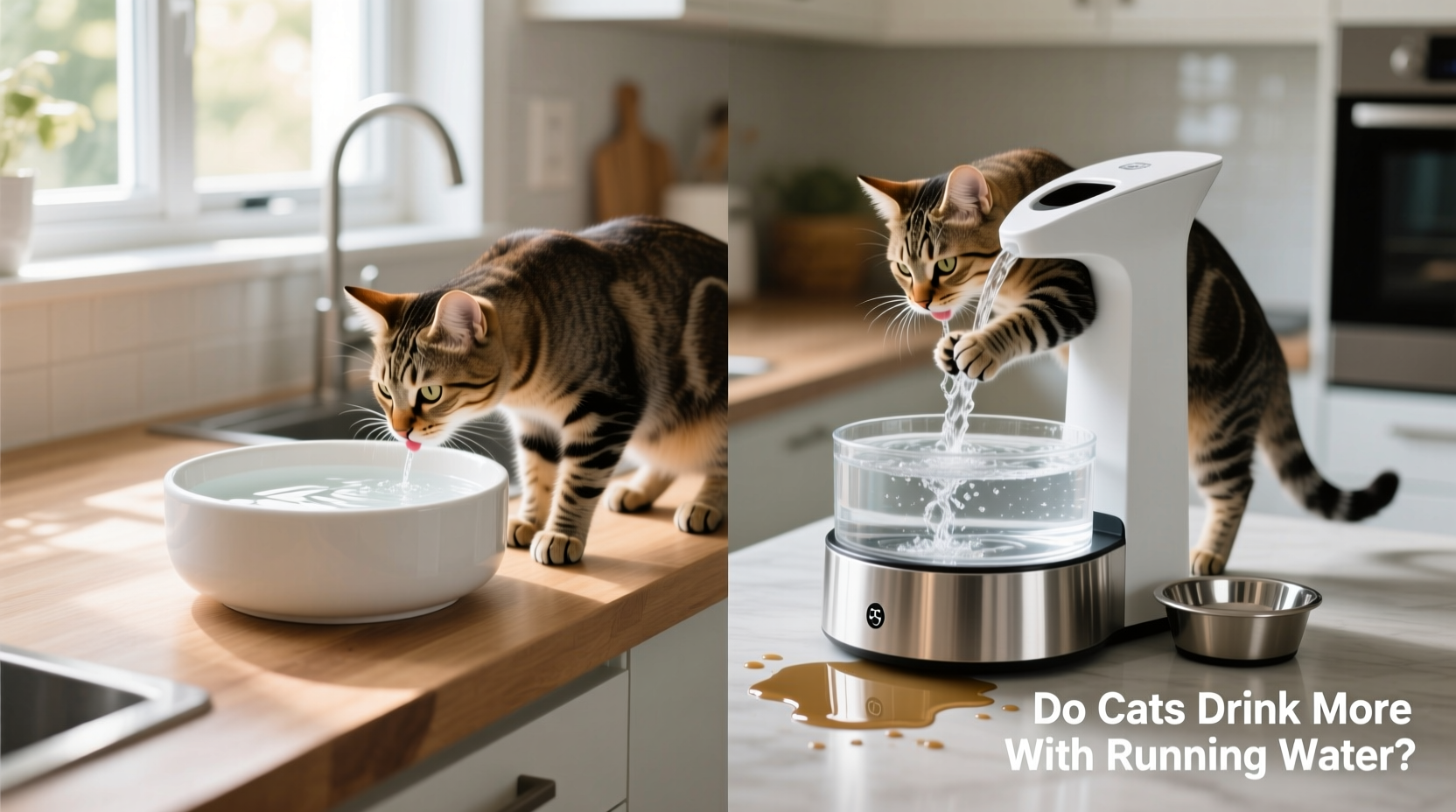
In the wild, cats evolved to avoid stagnant water sources. Still water is more likely to harbor bacteria, algae, or parasites, making it unsafe to drink. Moving water, on the other hand, signals freshness and safety. This instinct remains strong in domestic cats today—even those who’ve never seen a stream.
Studies have shown that cats are more attracted to moving water. A 2003 study published in the *Journal of Feline Medicine and Surgery* found that cats consistently preferred flowing water over still water when given a choice. Researchers observed increased drinking frequency and volume when fountains were introduced into multi-cat households.
This preference isn’t just about taste or instinct—it also relates to sensory perception. The sound and movement of flowing water catch a cat’s attention. Their acute hearing picks up the gentle trickle, triggering curiosity and encouraging investigation. Once they engage, they’re more likely to drink.
“Cats are hardwired to prefer fresh, moving water. It’s not just a quirk—it’s a survival mechanism that we can support with modern tools like fountains.” — Dr. Lena Torres, DVM, Feline Behavior Specialist
Comparing Cat Fountains and Water Bowls: A Practical Breakdown
Understanding the functional differences between fountains and bowls is key to evaluating which option supports better hydration.
| Feature | Cat Fountain | Water Bowl |
|---|---|---|
| Water Movement | Continuous circulation via pump | Still, unless disturbed |
| Oxygenation | Increased, improving taste | Limited |
| Bacterial Growth | Reduced with filters and flow | Higher risk over time |
| Maintenance Frequency | Weekly cleaning, filter changes | Daily refills, frequent washing |
| Initial Cost | $30–$80 | $5–$20 |
| Lifespan | 1–3 years (with care) | Years (if unbroken) |
| Hydration Encouragement | High (due to movement, freshness) | Low to moderate |
While water bowls are simpler and cheaper, they fall short in maintaining water quality. Even clean bowls can develop biofilm within hours, especially in warm environments. Stagnant water also loses oxygen, making it taste flat—a turnoff for sensitive felines.
Tip: Place the fountain in a quiet area away from food—cats naturally avoid drinking near eating zones due to instinctual contamination concerns.Do Cats Actually Drink More from Fountains?
The evidence suggests yes—most cats increase their water intake when using a fountain. A 2018 observational study conducted by a team of veterinary researchers tracked 42 household cats over six weeks. Half were switched from bowls to fountains; the other half kept their usual setup.
The results were clear: cats with access to fountains drank an average of 32% more water per day. Even more telling, urine specific gravity (a measure of hydration) improved significantly in the fountain group, indicating better kidney function and reduced concentration of waste products.
Not every cat responded the same way, however. About 15% showed no change or even preferred the bowl. Personality, age, and prior habits played a role. Older cats, for example, were slower to adapt but eventually accepted the fountain after a transition period.
Real Example: Luna the Picky Drinker
Luna, a 7-year-old Siamese, had a history of urinary crystals. Her owner, Mark, followed all dietary recommendations but struggled with her low water intake. She’d take a few sips from her stainless steel bowl each day, barely meeting half her hydration needs.
After consulting his vet, Mark introduced a filtered cat fountain near a sunlit window—away from her food station. At first, Luna watched it cautiously. By day three, she began pawing at the water stream. Within a week, she was drinking multiple times daily. Over the next month, her urine tests showed improved dilution, and her vet noted a marked reduction in crystal formation.
“I didn’t think a gadget could make such a difference,” Mark said. “But seeing her actually enjoy drinking water? That changed everything.”
Choosing the Right Fountain: What to Look For
Not all fountains are created equal. To ensure your cat benefits fully, consider these factors when selecting one:
- Material: Stainless steel or ceramic is best—non-porous and resistant to bacterial growth. Avoid cheap plastic models that can leach odors.
- Filter Type: Most fountains use carbon and foam filters. Carbon removes chlorine and odors; foam traps debris. Replace filters every 2–4 weeks.
- Pump Quality: Look for quiet operation and reliable flow. Submersible pumps are common and effective.
- Design: Multiple spout options (stream, cascade, bubble) cater to different preferences. Some cats prefer lapping from a gentle waterfall; others like a bubbling center.
- Capacity: Larger fountains (64+ oz) reduce refill frequency and maintain consistent water levels, which cats appreciate.
Step-by-Step Guide to Transitioning Your Cat to a Fountain
- Place the fountain beside the existing bowl—fill both so your cat sees no disruption in access.
- Run the fountain without the filter initially to minimize unfamiliar tastes from new materials.
- Turn on the pump at low volume if adjustable, allowing your cat to get used to the sound.
- Encourage interaction by gently tapping the water or letting them see you pour fresh water into it.
- Monitor behavior for 3–5 days. If they show interest, begin reducing bowl refills slightly.
- Remove the bowl only after consistent use of the fountain—don’t force the switch.
- Establish a cleaning routine: disassemble and wash the fountain weekly, replace filters monthly.
Common Myths and Misconceptions
Despite growing popularity, several myths persist about cat fountains:
- Myth: Fountains use too much electricity.
Reality: Most consume less than 3 watts—about $2–$3 per year in energy costs. - Myth: All cats will love a fountain.
Reality: While most do, some remain indifferent or prefer still water. Respect individual preferences. - Myth: You don’t need to clean fountains often.
Reality: Without regular cleaning, fountains can grow mold and bacteria faster than bowls due to moisture buildup in crevices. - Myth: Tap water is fine without filtration.
Reality: Filters improve taste by removing chlorine and heavy metals, making water more appealing.
FAQ
Can I leave the fountain on all the time?
Yes, and you should. Continuous operation keeps water circulating, oxygenated, and filtered. Most models are designed for 24/7 use and include low-water shutoff features to prevent pump damage.
How often should I clean the fountain?
Full disassembly and cleaning should happen at least once a week. Rinse parts with vinegar or mild dish soap, avoiding harsh chemicals. Check manufacturer guidelines for model-specific advice.
My cat won’t go near the fountain. What should I do?
Start by placing it nearby with the pump off. Add ice cubes or a floating toy to spark interest. Try different locations—some cats prefer corners, others like open spaces. Patience is key; transitions can take up to two weeks.
Checklist: Maximizing Hydration with a Cat Fountain
- ✅ Choose a BPA-free, non-plastic fountain
- ✅ Position it away from food and litter box
- ✅ Use filtered or fresh tap water
- ✅ Replace filters every 3–4 weeks
- ✅ Clean the entire unit weekly
- ✅ Monitor your cat’s drinking habits for changes
- ✅ Offer multiple water sources if you have more than one cat
Conclusion: Is a Fountain Worth It?
The question isn’t whether cat fountains work—they do. Research, veterinary consensus, and countless owner testimonials confirm that most cats drink more when given access to flowing, filtered water. The benefits extend beyond hydration: fresher water reduces plaque buildup, supports kidney health, and may lower the risk of chronic urinary conditions.
That said, success depends on proper selection, placement, and maintenance. A poorly cleaned fountain can become a health hazard. And while fountains are powerful tools, they’re not magic. Combine them with other hydration strategies—like feeding wet food and offering water in multiple locations—for best results.
🚀 Ready to boost your cat’s hydration? Try a high-quality fountain for 30 days and track their drinking habits. Share your experience in the comments—your story could help another cat live a healthier, more hydrated life.








