Potatoes are a staple in diets around the world, yet they often spark debate due to their carbohydrate content. Are they friend or foe to blood sugar control? Can they fit into low-carb or diabetic meal plans? The answer lies not in blanket statements but in understanding the nuances of potato composition, variety, preparation, and portion size. For home cooks, health-conscious eaters, and culinary professionals alike, knowing the real story behind potato carbs empowers smarter, more balanced cooking and eating decisions.
Far from being nutritionally uniform, potatoes vary significantly in their carbohydrate profile depending on type, maturity, storage conditions, and cooking technique. A russet baked with skin differs vastly from a boiled red potato in glycemic impact. This guide breaks down everything you need to know about carbohydrates in potatoes—what they’re made of, how much is in common varieties, and how to manage their effect on your meals and metabolism.
Definition & Overview
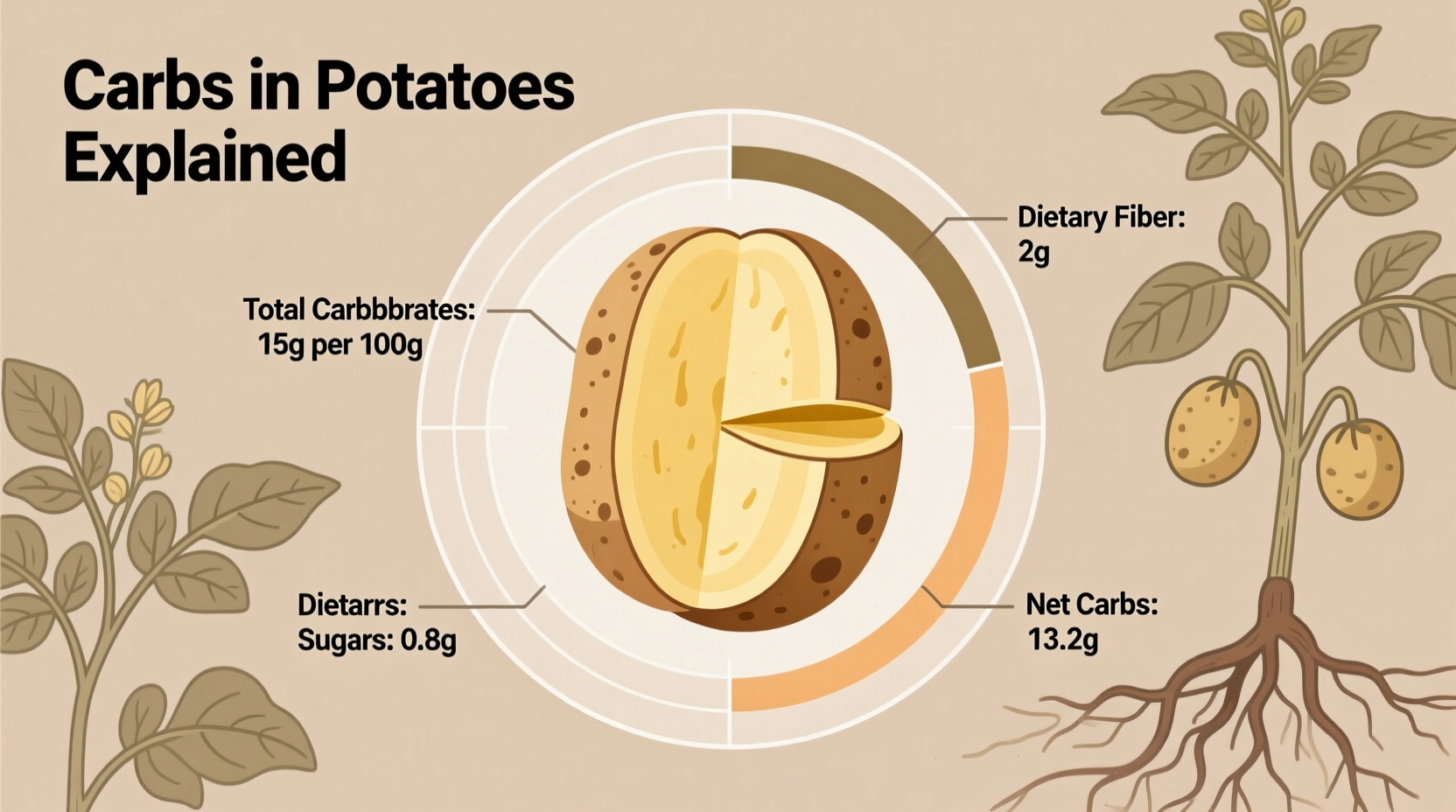
Potatoes (Solanum tuberosum) are starchy tubers grown as a root crop and consumed globally as a dietary staple. Native to the Andes region of South America, they were domesticated over 7,000 years ago and have since diversified into thousands of cultivars. Botanically classified as modified stems (tubers), potatoes store energy in the form of carbohydrates, primarily starch, which fuels plant growth when sprouting.
In culinary terms, potatoes are categorized as complex carbohydrates due to their polysaccharide structure. Unlike simple sugars, these carbs take longer to digest—but not all potatoes behave the same way in the body. Their impact on blood glucose depends on factors like amylose-to-amylopectin ratio, fiber content, and whether they’ve been cooled after cooking (which increases resistant starch).
Commonly perceived as high-carb foods, potatoes do contain significant carbohydrates by volume, but they also deliver essential nutrients: vitamin C, potassium, B6, magnesium, and antioxidant compounds like flavonoids and carotenoids, especially in colored varieties. When prepared without excessive fat or salt, they can be part of balanced, nutrient-dense diets—even for those managing carbohydrate intake.
Key Characteristics of Potatoes
- Primary macronutrient: Carbohydrates (mainly starch)
- Flavor profile: Mild, earthy, slightly sweet; varies by variety
- Aroma: Subtle, vegetal when raw; nutty or roasted when cooked
- Color/form: White, yellow, red, purple flesh; round, oblong, fingerling shapes
- Heat level: None (non-pungent)
- Culinary function: Thickener, binder, side dish, base ingredient
- Shelf life: 1–3 months at cool, dark, dry storage (45–50°F / 7–10°C)
- Glycemic index (GI): Ranges from medium to high (50–110), depending on type and preparation
Tip: Cooling cooked potatoes increases resistant starch by up to 30%, lowering net digestible carbs and moderating blood sugar response.
Carbohydrate Breakdown by Common Potato Types
The total carbohydrate content in potatoes varies widely across cultivars. Below is a comparison based on a standard 150g (about 5.3 oz) serving of boiled, peeled potato:
| Potato Variety | Total Carbs (g) | Dietary Fiber (g) | Net Carbs (g) | Glycemic Index (Approx.) |
|---|---|---|---|---|
| Russet | 35 | 3 | 32 | 85–110 |
| Yukon Gold | 30 | 3 | 27 | 70–80 |
| Red Bliss | 27 | 3 | 24 | 60–70 |
| Sweet Potato | 27 | 4 | 23 | 44–94 |
| Purple/Peruvian | 26 | 3.5 | 22.5 | 65–75 |
| Fingerling | 25 | 3 | 22 | 60–70 |
Note that net carbs are calculated as total carbohydrates minus fiber. While this term is most commonly used in low-carb and ketogenic contexts, it reflects the amount of carbohydrate actually digested and absorbed by the body.
Russets, often used for baking and frying, have the highest starch content and lowest moisture, making them higher in both total and net carbs. In contrast, waxy varieties like red bliss and fingerlings contain more moisture and less starch, resulting in lower glycemic impact and better texture retention when boiled.
How Cooking Methods Affect Carb Availability
The way potatoes are cooked dramatically influences their carbohydrate behavior in the body. Identical potatoes can yield different metabolic responses based solely on preparation:
- Boiling: Retains structure and fiber; cooling afterward increases resistant starch, reducing net carb absorption. Best for salads and cold dishes.
- Baking/Roasting: Concentrates sugars through caramelization (Maillard reaction), increasing glycemic response. Skin-on retains nutrients and adds fiber.
- Frying: Adds fat and calories but doesn’t significantly alter carb content. However, acrylamide formation (a potential carcinogen) occurs at high heat, particularly in overcooked or golden-brown fries.
- Mashing: Breaks down cell walls, making starch more accessible and rapidly digestible. Adding butter, cream, or sour cream slows digestion slightly due to fat content.
- Steaming: Preserves nutrients and minimizes water-soluble vitamin loss. Similar glycemic effect to boiling.
“Cooling cooked potatoes overnight in the refrigerator transforms some of their digestible starch into resistant starch—a prebiotic fiber that feeds beneficial gut bacteria and reduces insulin demand.” — Dr. Joanne Slavin, Professor of Food Science and Nutrition, University of Minnesota
This phenomenon, known as retrogradation, means that a potato salad made with cooled boiled potatoes may have up to 25% fewer available carbs than a freshly mashed version of the same potato.
Variants & Forms: Fresh, Processed, and Alternative Options
Beyond whole fresh tubers, potatoes appear in numerous processed and convenience forms, each with distinct carb profiles:
1. Fresh Whole Potatoes
The gold standard for nutritional integrity. Varieties range from starchy (russet) to waxy (red, new potatoes) to all-purpose (Yukon Gold). Choose based on intended use: fluffiness for baking, firmness for boiling.
2. Pre-Cut and Frozen
Frozen diced, sliced, or french fry formats often contain added oils or coatings that increase calorie density. Some frozen products are pre-fried (par-cooked), raising both fat and acrylamide levels. Always check labels for sodium and additives.
3. Dehydrated/Instant
Instant mashed potato flakes typically have similar carb content per serving but lack fiber and texture. They also have a higher glycemic index due to rapid rehydration and minimal chewing, speeding up digestion.
4. Potato Flour & Starch
Potato starch is nearly 100% pure carbohydrate and used as a thickener. It’s gluten-free and effective in small amounts (1–2 tsp per cup of liquid). Potato flour includes fiber and protein but has strong flavor and darkens when heated. Both are common in gluten-free baking but contribute concentrated carbs.
5. Alternatives (Lower-Carb Substitutes)
For those limiting carbohydrate intake, several vegetables mimic potato texture with fewer carbs:
- Cauliflower: ~5g net carbs per cup (vs. ~30g in potato); steam and mash with butter for a close approximation.
- Turnips: ~6g net carbs per cup; slightly peppery, holds shape well when roasted.
- Parsnips: ~12g net carbs per cup; sweeter, creamy when cooked.
- Jicama: ~6g net carbs per cup; crisp raw, mild flavor, excellent in slaws or stir-fries.
These alternatives won't replicate potato exactly but offer satisfying textures with reduced glycemic load.
Comparison with Other Starchy Vegetables
How do potatoes stack up against other common starchy vegetables? Here's a side-by-side comparison using a 150g boiled serving:
| Vegetable | Total Carbs (g) | Fiber (g) | Net Carbs (g) | Glycemic Index |
|---|---|---|---|---|
| Potato (Russet) | 35 | 3 | 32 | 85–110 |
| Sweet Potato | 27 | 4 | 23 | 44–94 |
| Corn (kernel) | 30 | 4 | 26 | 55–65 |
| Plantain (green) | 47 | 4 | 43 | 45–55 |
| Winter Squash (e.g., Butternut) | 22 | 4 | 18 | 50–65 |
| Beetroot | 13 | 4 | 9 | 64–80 |
While sweet potatoes are often touted as “healthier” than white potatoes, the reality is nuanced. Sweet potatoes generally have lower GI, higher beta-carotene, and slightly more fiber, but white potatoes provide more potassium and vitamin C. Neither is inherently superior—it depends on dietary goals and overall meal context.
Practical Usage: How to Use Potatoes Wisely in Meals
Maximizing the nutritional value of potatoes while managing carb impact involves strategic choices in pairing, portioning, and preparation:
- Pair with protein and healthy fats: Serve potatoes alongside grilled chicken, salmon, eggs, or beans. Fat and protein slow gastric emptying and blunt blood sugar spikes.
- Keep skins on: Up to 50% of a potato’s fiber resides just beneath the skin. Scrub thoroughly instead of peeling.
- Control portions: Stick to ½–1 cup (75–150g) of cooked potato per meal if monitoring carbs. Use measuring cups initially to build visual awareness.
- Combine with vinegar or acid: Adding apple cider vinegar to potato salad lowers post-meal glucose by enhancing insulin sensitivity.
- Time consumption earlier in the day: Insulin sensitivity is typically higher in the morning and afternoon, making midday potato consumption metabolically preferable to late-night eating.
Pro Tip: Make-ahead potato salad with olive oil, herbs, and vinegar. Refrigerate for 12+ hours to boost resistant starch. Serve chilled for improved satiety and lower glycemic impact.
In professional kitchens, chefs leverage potato starch for velvety sauces and gluten-free batters. Home cooks can do the same: mix 1 tsp potato starch with cold water before adding to soups or stir-fries to thicken without lumps.
Practical Tips & FAQs
Are potatoes bad for diabetics?
No—when consumed in controlled portions and paired appropriately. Opt for smaller servings of lower-GI types (red, purple, cooled), monitor blood glucose response, and avoid frying or sugary toppings.
Can I eat potatoes on a low-carb diet?
Yes, in moderation. A half-cup serving (~75g) of boiled red potato contains about 12g net carbs—manageable within many low-carb plans (20–100g/day). Track total intake across meals.
Do sweet potatoes have fewer carbs than regular potatoes?
Not necessarily. While sweet potatoes are slightly lower in net carbs and higher in fiber, differences are modest. Glycemic response varies more by individual and preparation than by type alone.
How should I store potatoes?
In a cool, dark, well-ventilated place between 45–50°F (7–10°C). Never refrigerate raw potatoes—cold temperatures convert starch to sugar, altering taste and increasing acrylamide during cooking. Do not store near onions, which emit gases that promote sprouting.
Are green spots on potatoes dangerous?
Yes. Green areas indicate solanine, a natural toxin produced in response to light exposure. Peel deeply or discard affected parts. Avoid consuming sprouted or shriveled potatoes.
What’s the best potato for weight management?
Waxy, colored, or cooled potatoes. Their higher resistant starch and fiber content increase fullness and reduce calorie absorption. Pair with lean protein and non-starchy vegetables for balanced meals.
Does microwaving affect carb content?
Microwaving preserves nutrients better than boiling and doesn’t alter carb quantity. However, rapid heating may lead to uneven gelatinization of starch, potentially affecting digestibility slightly.
Summary & Key Takeaways
Potatoes are not universally “high-carb” foods in a practical dietary sense—their impact depends on variety, cooking method, serving size, and meal context. Understanding these variables allows for informed, flexible inclusion in diverse eating patterns, including diabetes-friendly, heart-healthy, and even moderate low-carb lifestyles.
Key points to remember:
- Russets are highest in carbs and GI; waxy and colored potatoes are lower.
- Cooling cooked potatoes increases resistant starch, reducing net carb availability.
- Skin-on preparation boosts fiber and nutrient retention.
- Pairing with protein, fat, and acid moderates blood sugar response.
- Portion control is critical—1/2 to 1 cup of cooked potato is sufficient for most meals.
- Alternatives like cauliflower or turnips offer lower-carb options but differ in nutrition and texture.
Rather than eliminating potatoes, focus on intelligent preparation and mindful consumption. With proper handling, this ancient, versatile tuber remains a valuable source of energy, nutrients, and culinary satisfaction.
Call to Action: Try this week: Boil 2–3 red potatoes, cool in the fridge overnight, then toss with olive oil, lemon juice, chopped herbs, and diced celery for a high-fiber, lower-glycemic potato salad. Notice how it affects your energy and fullness compared to mashed or fried versions.









