
Running shoes endure a lot—miles on pavement, sweat from long runs, mud from trails, and grime from city sidewalks. Over time, they start to look worn and smell less than fresh. When that happens, many people wonder: can I just toss them in the washing machine for a quick clean? While it might seem like a convenient solution, doing so comes with serious risks. The truth is, most manufacturers and footwear care experts strongly advise against machine-washing running shoes. Understanding why—and learning how to clean them safely instead—can preserve their structure, comfort, and longevity.
The Risks of Washing Running Shoes in the Machine
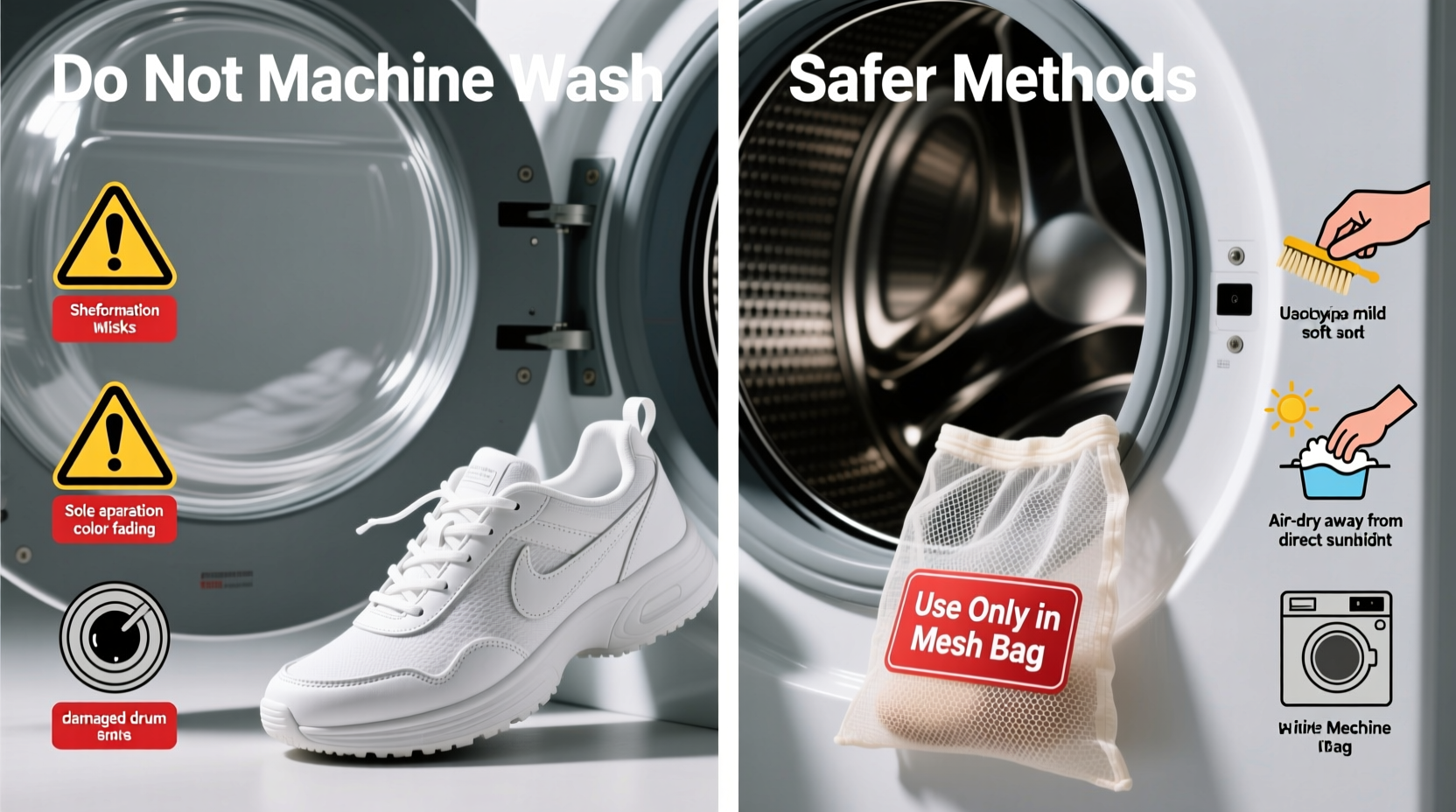
Washing machines are designed for clothes, not engineered athletic footwear. The high-speed agitation, heat, and moisture exposure during a standard wash cycle can damage the delicate materials and construction of running shoes.
- Glue breakdown: Most running shoes are held together with adhesives. Excessive water and heat can weaken these bonds, causing midsoles to separate or outsoles to delaminate.
- Foam compression: EVA foam and other cushioning materials absorb water and may lose resilience if soaked or spun at high speeds, reducing shock absorption.
- Structural warping: The tumbling action can twist or bend support structures like heel counters and stability posts, compromising fit and performance.
- Odor retention: Trapped moisture inside foam layers can lead to mold or mildew growth, creating persistent smells worse than before.
- Detergent residue: Harsh detergents can degrade mesh uppers and irritate sensitive skin upon re-wearing.
“Putting running shoes in the washing machine is one of the fastest ways to ruin them. The structural integrity relies on precise bonding and material balance—both compromised by mechanical stress.” — Dr. Lena Torres, Footwear Biomechanics Researcher, Sports Science InstituteTip: Never dry running shoes with direct heat (radiator, dryer, hairdryer). Heat accelerates glue degradation and warps plastic components.
When Machine Washing Might Be Acceptable (With Caveats)
While generally discouraged, there are rare exceptions where cautious machine washing *might* be considered—only under strict conditions.
Some brands, like Nike and Brooks, have stated that certain models can tolerate a gentle machine wash—provided it’s done carefully. However, even then, it's not recommended as a routine practice.
| Condition | Acceptable? | Notes |
|---|---|---|
| Front-loading washer, cold water, no spin | Maybe | Top-loaders with agitators are more damaging |
| Shoes placed in a pillowcase or mesh bag | Yes | Reduces physical impact during tumbling |
| Mild detergent or none | Yes | Avoid bleach and fabric softeners |
| Drying in sunlight or dryer | No | Always air-dry away from heat sources |
| Regular use of machine cleaning | No | Even occasional use shortens lifespan |
If you choose to machine-wash despite the risks, do so only once and monitor results closely. Any sign of sole separation, stiffness, or odor recurrence means it’s time to stop.
Safer, Recommended Ways to Clean Running Shoes
Cleaning your running shoes by hand preserves their materials and function while effectively removing dirt, sweat, and odor. This method takes slightly longer but pays off in durability and comfort.
Step-by-Step Guide to Hand-Washing Running Shoes
- Remove laces and insoles: Take out the shoelaces and footbeds. These can be washed separately—soak laces in warm, soapy water; hand scrub insoles gently with a soft brush.
- Dry brush first: Use a soft-bristle toothbrush or shoe brush to remove dried mud and surface debris from the upper, midsole, and tread.
- Prepare cleaning solution: Mix a small amount of mild liquid soap (like dish soap or specialized shoe cleaner) with lukewarm water in a bowl.
- Clean the upper: Dip the brush into the solution and scrub the mesh or synthetic upper in circular motions. Avoid soaking the material—use minimal moisture.
- Tackle the midsole: Focus on scuff marks around the white rubber or foam collar. A magic eraser (melamine foam) works well here, but use lightly to avoid abrasion.
- Clean the outsole: Use the brush to dislodge dirt stuck in the treads. For trail muck, a toothpick can help dig out debris.
- Rinse sparingly: Dampen a clean cloth with plain water and wipe away soap residue. Do not submerge the shoe.
- Air-dry thoroughly: Stuff shoes with crumpled newspaper or paper towels to maintain shape and absorb moisture. Place in a well-ventilated area, out of direct sunlight, for 24–48 hours.
“Newspaper is ideal for drying because it pulls moisture out while holding the shoe’s form. Plus, the ink helps neutralize odors.” — Carlos Mendez, Professional Shoe Care Technician
Prevention and Maintenance Tips
Keeping your running shoes clean doesn’t require frequent deep cleans. With smart habits, you can reduce buildup and extend time between washes.
Tip: Rotate between two pairs of running shoes. This gives each pair time to fully dry and recover between uses, reducing odor and wear.- Wipe after every run: Use a damp microfiber cloth to wipe down the upper and midsole after muddy or sweaty runs.
- Use odor-fighting insoles: Replaceable charcoal or silver-infused inserts help manage bacteria and smell.
- Avoid wearing runners in wet conditions when unnecessary: Prolonged exposure to rain or puddles increases water absorption and degradation.
- Store properly: Keep shoes in a cool, dry place with good airflow. Avoid sealed plastic bins or hot cars.
- Wear moisture-wicking socks: Reduces sweat transfer into the shoe’s interior lining.
Checklist: Safe Running Shoe Cleaning Routine
- ☑ Remove laces and insoles before cleaning
- ☑ Use only a soft brush and mild soap
- ☑ Avoid full submersion or soaking
- ☑ Never use a washing machine or dryer
- ☑ Dry at room temperature with newspaper inside
- ☑ Allow 24+ hours drying time before reuse
- ☑ Store in a ventilated area away from sunlight
Real Example: How One Runner Damaged Her Marathon Shoes
Jessica, a recreational runner training for her first marathon, logged over 30 miles per week. After eight weeks, her lightweight racing flats began to smell strongly and looked grimy. Wanting a quick fix, she tossed them into the washing machine “on delicate” with her gym clothes. She skipped the dryer but left them near a heater to dry faster.
Within days, she noticed the midsole had started peeling away from the upper near the toes. During her next long run, the shoe collapsed underfoot, causing discomfort and throwing off her stride. A podiatrist later confirmed that the glue failure altered the shoe’s biomechanics, contributing to minor plantar fasciitis flare-up.
She learned the hard way: convenience isn’t worth sacrificing performance and safety. Since then, she’s adopted a hand-cleaning routine and rotates three pairs of trainers—extending each pair’s usable life by several months.
FAQ: Common Questions About Washing Running Shoes
Can I put my running shoes in the washing machine if I use a gentle cycle?
Even on gentle cycles, washing machines expose shoes to excessive agitation and moisture. Front-loaders without agitators are less damaging than top-loaders, but risk remains high. Manufacturers still recommend against it. Hand cleaning is always safer.
How often should I clean my running shoes?
Light surface cleaning (wiping down) should be done weekly if used regularly. A deeper hand wash is sufficient every 4–6 weeks, or when visible dirt, odor, or performance decline occurs. Over-cleaning can also cause wear, so moderation is key.
What’s the best way to eliminate shoe odor?
First, ensure shoes are completely dry between uses. Use antibacterial insoles, sprinkle baking soda inside overnight, or insert cedar shoe trees. For persistent smells, a vinegar-water spray (1:1 ratio) applied lightly to the insole can kill odor-causing bacteria—just let it dry fully before wearing.
Conclusion: Protect Your Investment, Step by Step
Running shoes are precision tools designed for performance, support, and injury prevention. Treating them like ordinary laundry undermines their engineering and shortens their functional life. While the temptation to machine-wash is understandable, the consequences—delamination, loss of cushioning, warped structure—are rarely worth the few minutes of convenience.
By adopting simple, manual cleaning practices and maintaining good hygiene habits, you protect not only your shoes but also your running experience. Clean, well-maintained footwear performs better, feels more comfortable, and supports healthier biomechanics mile after mile.
💬 Have a favorite shoe-cleaning hack or a cautionary tale? Share your story in the comments—your insight could help fellow runners avoid costly mistakes.








