As awareness of sun safety grows, more people are turning to hats as a frontline defense against harmful UV radiation. Two of the most popular choices—bucket hats and baseball caps—are staples in casual wardrobes, but when it comes to shielding your skin from the sun, they perform very differently. While both offer convenience and style, their protective capabilities vary significantly based on design, material, and coverage. Understanding these differences can help you make an informed decision about which hat truly keeps you safer during prolonged sun exposure.
Sun Protection Basics: What Makes a Hat Effective?
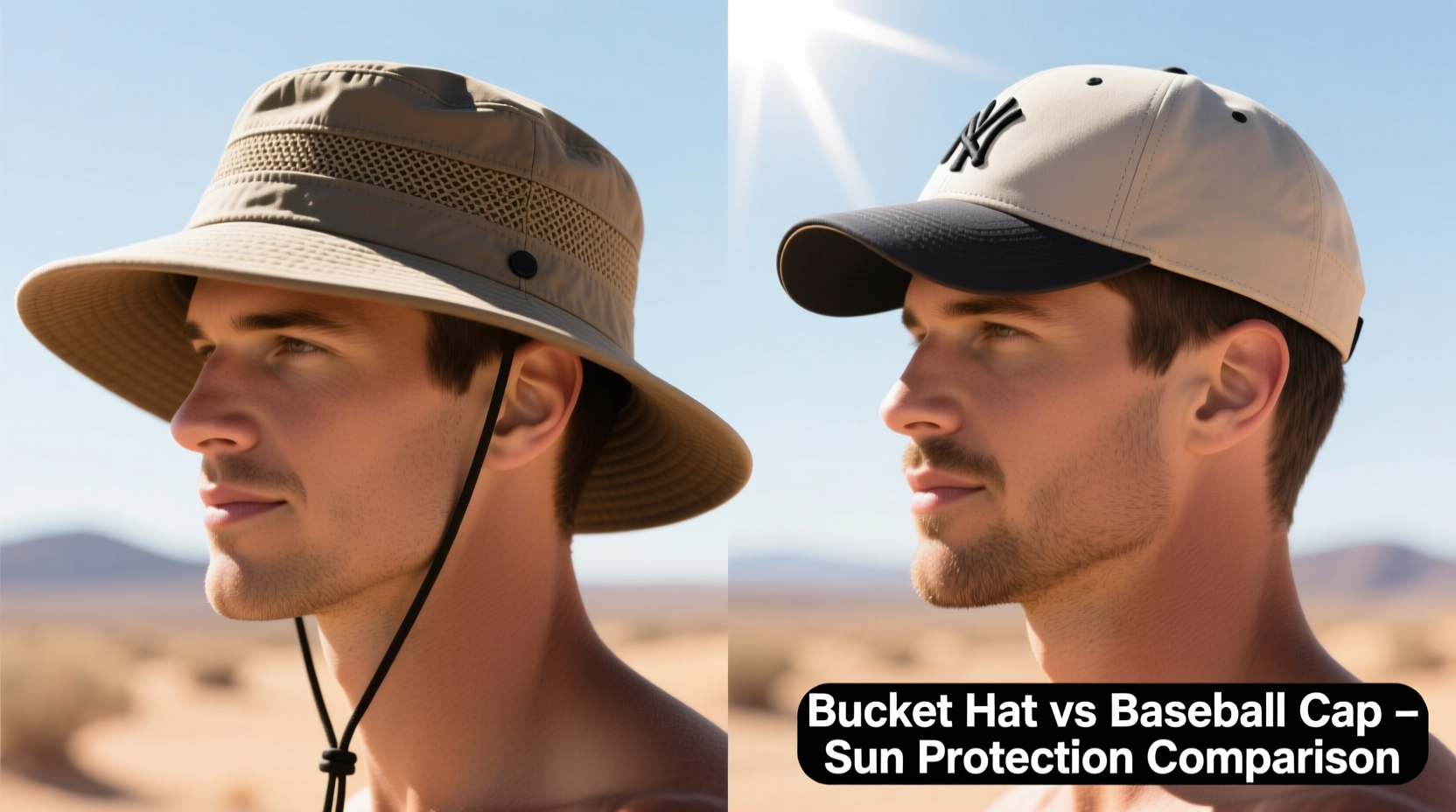
Not all hats are created equal when it comes to UV protection. The effectiveness of a sun hat depends on several key factors:
- Coverage area: How much of your face, neck, ears, and scalp the hat shields.
- UPF (Ultraviolet Protection Factor) rating: A measure of how much UV radiation is blocked by the fabric. UPF 50 blocks over 98% of UV rays.
- Fabric density and weave: Tightly woven fabrics block more UV light than loosely knit ones.
- Color: Darker colors absorb more UV radiation, reducing penetration through the fabric.
- Brim width: Wider brims provide greater shade and reduce reflected UV from surfaces like water or sand.
The Skin Cancer Foundation recommends wide-brimmed hats with at least a 3-inch (7.6 cm) brim that encircles the entire head for optimal protection. This standard makes it easier to evaluate whether bucket hats or baseball caps meet adequate safety benchmarks.
9;padding:10px;border-left:4px solid #666;\"> Tip: Look for hats labeled with UPF 30 or higher—this indicates certified sun protection, not just fashion appeal.Baseball Caps: Style vs. Sun Safety
Baseball caps are iconic for their sporty look and curved brim that shades the forehead, nose, and upper cheeks. They’re lightweight, breathable, and widely available in performance fabrics ideal for athletes and outdoor workers. However, their design limits full facial and neck protection.
The front brim typically extends 2.5 to 3 inches, effectively blocking direct overhead sunlight. But because the cap leaves the ears, sides of the face, and back of the neck completely exposed, it fails to meet dermatological recommendations for comprehensive UV defense. Studies show that up to 20% of non-melanoma skin cancers occur on the ears—areas left vulnerable by traditional baseball caps.
Many modern athletic caps use moisture-wicking, quick-dry materials such as polyester mesh. While comfortable, these fabrics often have lower UPF values unless specifically treated for UV resistance. Additionally, the crown of a baseball cap may be made from thinner, ventilated panels that allow UV rays to penetrate onto the scalp.
“While baseball caps are great for visibility and comfort during sports, they should never be relied upon as sole sun protection,” says Dr. Lena Patel, board-certified dermatologist. “They leave critical areas exposed, especially under intense midday sun.”
Bucket Hats: The Case for Full-Circle Coverage
Originally designed for fishermen and outdoor laborers, bucket hats have evolved into a fashion statement—but their functional roots remain relevant. With a downward-sloping brim that typically measures 2.5 to 3.5 inches all around, bucket hats provide continuous protection for the face, ears, and neck.
This 360-degree coverage is a major advantage over baseball caps. The extended side and rear brim shields the jawline, nape, and tops of the ears—areas frequently missed by other headwear. When worn correctly, bucket hats also cast consistent shadow even when the sun shifts position throughout the day.
Modern bucket hats come in tightly woven cotton, nylon, or polyester blends engineered for sun protection. Many feature UPF 50+ ratings, making them suitable for beach outings, hiking, gardening, or any activity involving extended sun exposure. Some models include hidden ventilation panels to prevent overheating without sacrificing coverage.
One drawback is fit variability. Unlike structured baseball caps with adjustable straps, many bucket hats rely on elastic bands or fixed sizing, which can lead to slippage in windy conditions. However, newer performance versions address this with chin straps and gripper bands.
Tip: Choose a bucket hat with a dark underside to minimize glare and reflection from light-colored brims.Direct Comparison: Bucket Hats vs Baseball Caps
| Feature | Bucket Hat | Baseball Cap |
|---|---|---|
| Brim Coverage | Full 360° (face, ears, neck) | Front-only (forehead, nose) |
| Neck Protection | Yes (partial to full) | No |
| Ear Protection | Yes | No |
| Typical UPF Rating | UPF 30–50+ | UPF 10–30 (unless specified) |
| Ventilation | Moderate (some mesh options) | High (mesh panels common) |
| Fit Adjustability | Limited (elastic or fixed size) | High (strap, snapback, velcro) |
| Best Use Cases | Beach, fishing, hiking, gardening | Sports, casual wear, driving |
This comparison highlights a clear trade-off: baseball caps excel in breathability and adjustability but fall short on coverage. Bucket hats prioritize protection over minimalism, offering superior defense against cumulative UV damage.
Real-World Example: A Day at the Beach
Consider two friends spending a sunny afternoon at the beach—Mark wears a standard baseball cap, while Sarah opts for a UPF 50+ bucket hat. Both apply sunscreen every two hours, but only Sarah’s hat covers her ears and neck.
By late afternoon, Mark notices redness behind his ears and along the back of his neck—classic signs of sunburn despite using SPF 30. He recalls leaning back on his towel, exposing previously shaded areas to direct sunlight. His cap did nothing to protect him in this position.
Sarah, meanwhile, feels no discomfort. Her bucket hat maintained consistent coverage whether she was sitting upright or reclining slightly. Though she reapplied sunscreen to her face, her ears and neck remained pale and unburned. This scenario illustrates how design impacts real-world outcomes—even when other precautions are taken.
“I’ve seen too many patients with ear lesions who thought their baseball cap was enough,” says Dr. Arjun Mehta, Mohs surgeon specializing in skin cancer. “It’s not just about peak sun intensity—it’s about duration and angle of exposure. A little extra fabric can prevent decades of risk.”
How to Choose the Right Sun Hat: A Practical Checklist
Whether you lean toward bucket hats or consider sticking with a baseball cap, use this checklist to ensure maximum protection:
- ✅ Look for a UPF 30+ label—don’t assume fabric thickness equals protection.
- ✅ Ensure the brim wraps fully around the head if protecting ears and neck is a priority.
- ✅ Check that the crown fabric isn’t see-through when held up to light.
- ✅ Opt for darker colors (navy, black, olive) over white or pastels for better UV absorption.
- ✅ Try it on: the brim should sit low enough to shade your temples and upper neck.
- ✅ Consider accessories: some baseball caps now come with detachable neck flaps for added coverage.
- ✅ Replace worn hats: faded or stretched fabrics lose UV-blocking efficiency over time.
If you're committed to a baseball cap for style or sport, enhance its protection by pairing it with other defenses: broad-spectrum sunscreen on exposed areas, polarized sunglasses, and seeking shade between 10 a.m. and 4 p.m., when UV index peaks.
Can You Upgrade a Baseball Cap for Better Protection?
Yes—with modifications. While a standard baseball cap won't match a bucket hat’s coverage, you can improve its functionality:
- Add a neck flap: Sew-on or clip-on UV-protective flaps extend coverage to the neck and shoulders.
- Choose performance versions: Brands like Columbia, Outdoor Research, and Sunday Afternoons offer \"sun caps\" with wider brims and built-in neck curtains.
- Wear UV-protective clothing underneath: Long-sleeve rash guards and high-collar shirts compensate for hat limitations.
- Use sunscreen religiously: Apply SPF 30+ to ears, back of neck, and any skin beyond the brim’s reach.
Still, these adaptations add bulk and complexity. For those prioritizing simplicity and safety, switching to a dedicated sun hat—like a bucket-style model—is often the more effective long-term solution.
Frequently Asked Questions
Do bucket hats really offer better UV protection than baseball caps?
Yes. Due to their full-circumference brim, bucket hats protect the ears, sides of the face, and back of the neck—areas commonly burned when wearing baseball caps. If the bucket hat is made from high-UPF fabric, the difference in protection is significant and medically meaningful.
Are there stylish sun-safe alternatives to both types?
Absolutely. Wide-brimmed hats (3+ inches), legionnaire-style hats with flaps, and foldable travel sun hats combine fashion and function. Many are designed with lightweight, packable materials that rival the portability of baseball caps while offering far superior coverage.
Is a darker hat always better for sun protection?
Generally, yes. Darker dyes absorb more UV radiation, reducing transmission through the fabric. However, even light-colored hats can be highly protective if they have a certified UPF rating. Always check the label rather than relying solely on color.
Final Thoughts: Prioritize Protection Without Sacrificing Comfort
The debate between bucket hats and baseball caps ultimately comes down to purpose. If your priority is athletic performance, team spirit, or urban style, a baseball cap serves well—but it should never be your only line of defense against the sun. For true UV protection, especially during extended outdoor activities, the bucket hat is objectively superior.
Skin cancer affects one in five Americans by age 70, according to the American Academy of Dermatology. Simple choices—like wearing a hat that actually covers vulnerable areas—can dramatically reduce lifetime risk. Advances in fabric technology mean today’s sun hats are lighter, cooler, and more stylish than ever before. There’s no need to choose between looking good and staying safe.
🚀 Ready to upgrade your sun protection? Swap out your old cap for a UPF-rated bucket hat on your next outdoor adventure—and feel the difference coverage makes. Share your favorite sun-safe gear in the comments below.








