
In stadiums across the world, a simple yet striking image recurs: football players stepping onto the pitch wearing black armbands. The sight is both solemn and symbolic. In 2024, this tradition continues not only as a gesture of respect but also as a form of silent protest, commemoration, and solidarity. While the act may seem minor, its meaning runs deep within the culture of football. From honoring the deceased to making political statements, black armbands carry weight far beyond their physical presence.
The Historical Roots of Black Armbands in Football
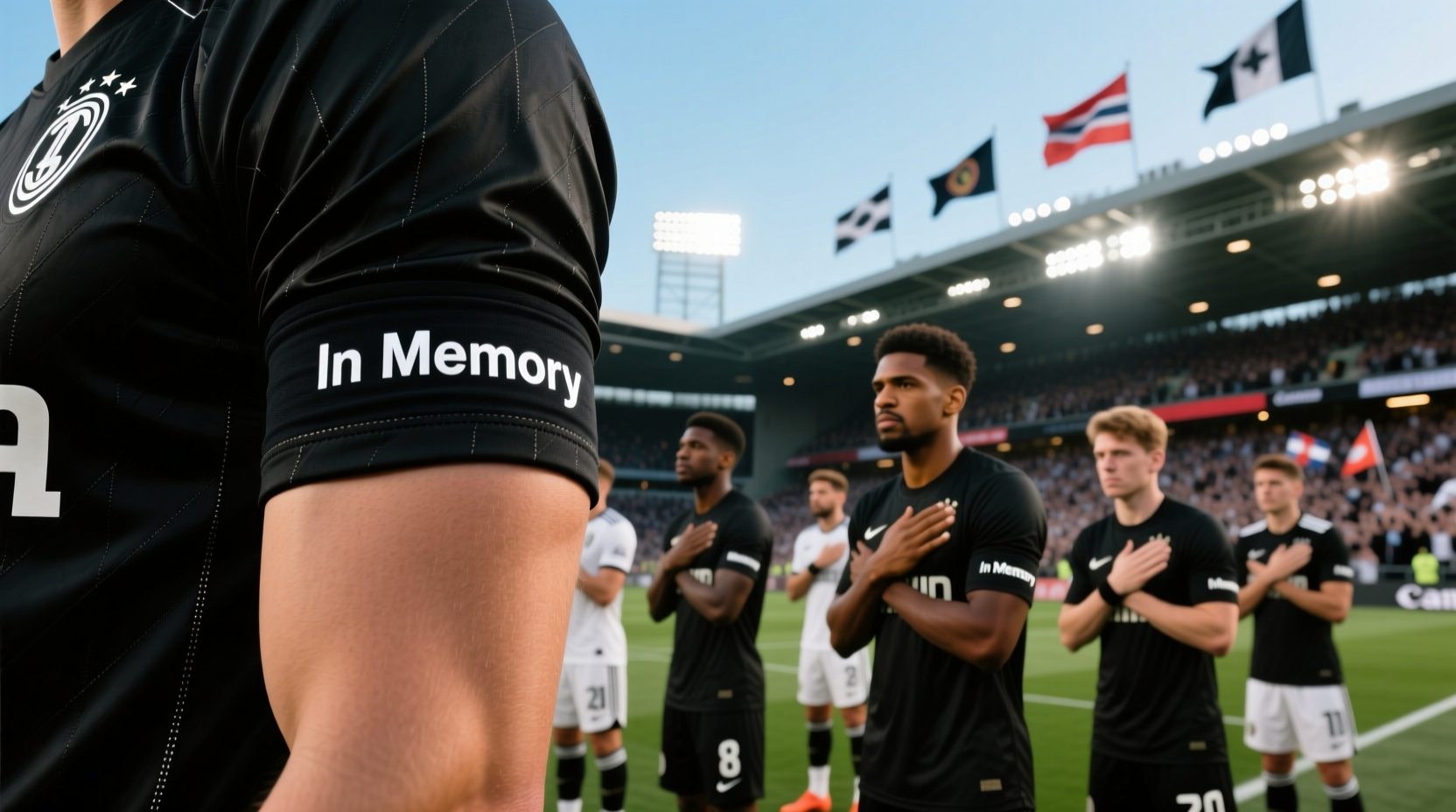
The use of black armbands in football dates back over a century. Traditionally, black has been the color of mourning in many Western cultures, and athletes adopted the armband as a visible sign of grief. Early records show teams wearing armbands following the death of club officials, former players, or national figures. For example, English clubs began using them regularly in the early 20th century after prominent figures passed away.
Over time, the practice evolved from spontaneous gestures to formalized protocols. Today, football governing bodies like FIFA, UEFA, and domestic leagues have established guidelines for when and how armbands can be worn. These rules ensure that tributes remain respectful and consistent, avoiding misuse or politicization—though exceptions still arise.
Tip: When observing a match, note whether players wear armbands during pre-match ceremonies—this often signals a tribute being paid that day.Common Reasons Players Wear Black Armbands in 2024
In contemporary football, black armbands serve several distinct purposes. While mourning remains the most frequent reason, other motivations have gained prominence in recent years.
- Commemorating the deceased: Clubs commonly wear armbands to honor former players, managers, owners, or fans who have recently passed away.
- National or global tragedies: Teams may wear armbands after terrorist attacks, natural disasters, or major public losses (e.g., the death of a monarch or head of state).
- Anniversaries of historic events: This includes memorials for stadium disasters such as Hillsborough, Heysel, or the Munich air crash.
- Protest and advocacy: Increasingly, armbands are used to draw attention to social issues like racism, mental health, or LGBTQ+ rights.
- Club milestones: Occasionally, armbands mark significant anniversaries, especially if linked with past tragedies or honors.
FIFA’s regulations permit armbands for “commemorative purposes” but prohibit overt political messaging. However, enforcement varies, and some teams push boundaries—leading to fines or disciplinary action.
Case Study: Premier League Tribute After Club Owner’s Passing
In March 2024, Aston Villa players wore black armbands during a home match against Tottenham Hotspur. The gesture honored Dr. Doug Ellis, the club’s long-serving president emeritus, who died at age 98. Though he had stepped down years earlier, his influence on the club’s modern era was profound.
The team observed a minute’s silence before kick-off, accompanied by armbands featuring the club crest in monochrome. Fans held banners reading “Thank You, Doug,” and local media highlighted his contributions. This case illustrates how armbands function not just as symbols of loss, but as tools for collective remembrance and emotional connection between players, staff, and supporters.
“Wearing the armband wasn’t just protocol—it felt personal. He shaped this club. We wanted to show respect where it was due.” — Unnamed Aston Villa player, post-match interview
Regulations and Controversies Surrounding Armbands
While widely accepted, the use of black armbands is not without controversy. Governing bodies attempt to regulate their use to maintain neutrality and decorum. Below is a summary of key policies and notable incidents in 2024.
| Organization | Policy on Armbands | Recent Example (2024) |
|---|---|---|
| FIFA | Allows armbands for mourning; bans political slogans | Fined Iranian team for wearing green armbands in support of Mahsa Amini protests |
| UEFA | Permits tributes to individuals or events; requires prior approval | Allowed all teams at Euro 2024 qualifiers to wear armbands for Holocaust Remembrance Day |
| Premier League | Clubs may request armbands for club-related tributes | Arsenal wore armbands honoring David Rocastle on the anniversary of his death |
| Lega Serie A | Restricts armbands to official league directives | Denied request by AC Milan to wear armbands supporting Ukrainian refugees |
The tension arises when clubs or players seek to use armbands for causes outside traditional mourning. In early 2024, German Bundesliga side RB Leipzig faced scrutiny after players wore unapproved black armbands with embroidered peace doves during a match against Borussia Dortmund, referencing the ongoing war in Ukraine. No sanctions were issued, but the incident sparked debate about sport’s role in geopolitical discourse.
How Teams Coordinate Armband Tributes: A Step-by-Step Overview
Organizing a tribute involving black armbands follows a structured process to ensure compliance and dignity:
- Identify the occasion: Death of a figure, anniversary, or cause requiring recognition.
- Submit a request: Clubs notify the league or federation, providing context and proposed design.
- Obtain approval: Governing body reviews for adherence to rules (especially regarding political content).
- Design and produce: Armbands are made, often with a logo, name, or date.
- Coordinate with officials: Referees and match delegates are informed ahead of time.
- Execute on matchday: Players wear armbands during warm-ups and the game; often paired with a moment of silence.
- Post-match acknowledgment: Social media posts or press comments reinforce the tribute’s intent.
This process ensures that emotions are honored without disrupting the integrity of the competition.
Expert Insight: The Symbolism Behind the Gesture
Dr. Lena Moreau, a sports sociologist at the University of Geneva, emphasizes the cultural significance of the armband in modern football:
“The black armband transcends mere clothing. It’s a ritual object—one that allows players to perform grief, solidarity, or resistance in a highly visible arena. In an era where athletes are expected to be both entertainers and moral voices, the armband becomes a bridge between personal sentiment and public expression.” — Dr. Lena Moreau, Sports Sociology Researcher
She notes that while critics argue such gestures are performative, they nonetheless create space for dialogue and reflection—especially among younger fans who see their heroes engaging with real-world issues.
Checklist: Best Practices for Clubs Using Black Armbands
To ensure tributes are meaningful and compliant, clubs should follow these steps:
- ✓ Confirm the reason aligns with league or FIFA guidelines
- ✓ Submit requests well in advance of the match
- ✓ Design armbands with discretion—avoid slogans or imagery that could be seen as political
- ✓ Pair the armband with a minute’s silence or announcement when possible
- ✓ Educate players and staff on the significance of the gesture
- ✓ Share context with fans via official channels to deepen understanding
Frequently Asked Questions
Can players wear black armbands without permission?
No. Most professional leagues require prior approval. Unauthorized armbands—especially those with political messages—can lead to fines, warnings, or even match forfeits under FIFA’s Article 50 and 56 on political neutrality.
Are black armbands always related to death?
Primarily yes, but not exclusively. They are increasingly used to mark human rights days, war anniversaries, or campaigns against discrimination. However, these uses must be carefully framed to avoid violating sporting regulations.
Do youth or amateur teams follow the same rules?
Not strictly. Local leagues may allow more flexibility, but best practices suggest maintaining respect and avoiding controversial messaging, especially when young players are involved.
Final Thoughts: More Than Fabric on an Arm
The black armband in football is deceptively simple. Woven from cloth, yes—but also from memory, respect, and sometimes defiance. In 2024, as football continues to navigate its role in society, these small bands serve as quiet reminders of lives lost, causes worth fighting for, and the shared humanity beneath the spectacle.
Whether honoring a club legend or standing in solidarity with a distant conflict, the gesture resonates far beyond the 90 minutes of play. It invites fans to reflect, to remember, and to care. And in a world where sports often feel commercialized and detached, that quiet symbolism matters more than ever.
💬 Have you noticed a meaningful armband tribute in a match recently? Share your thoughts or experiences in the comments—let’s keep the conversation about respect, remembrance, and responsibility alive.








