Urban cycling is on the rise, with more people turning to bicycles for commuting, fitness, and environmental reasons. But as cities grow denser and traffic patterns shift, so do the risks cyclists face. One of the most debated topics in urban cycling circles is whether wearing a helmet truly makes a difference. The answer isn’t just philosophical—it’s rooted in hard data. From reducing head injury risk to influencing driver behavior, the statistics surrounding bike helmets offer critical insights that every city rider should understand before hitting the street.
The Science Behind Helmet Protection
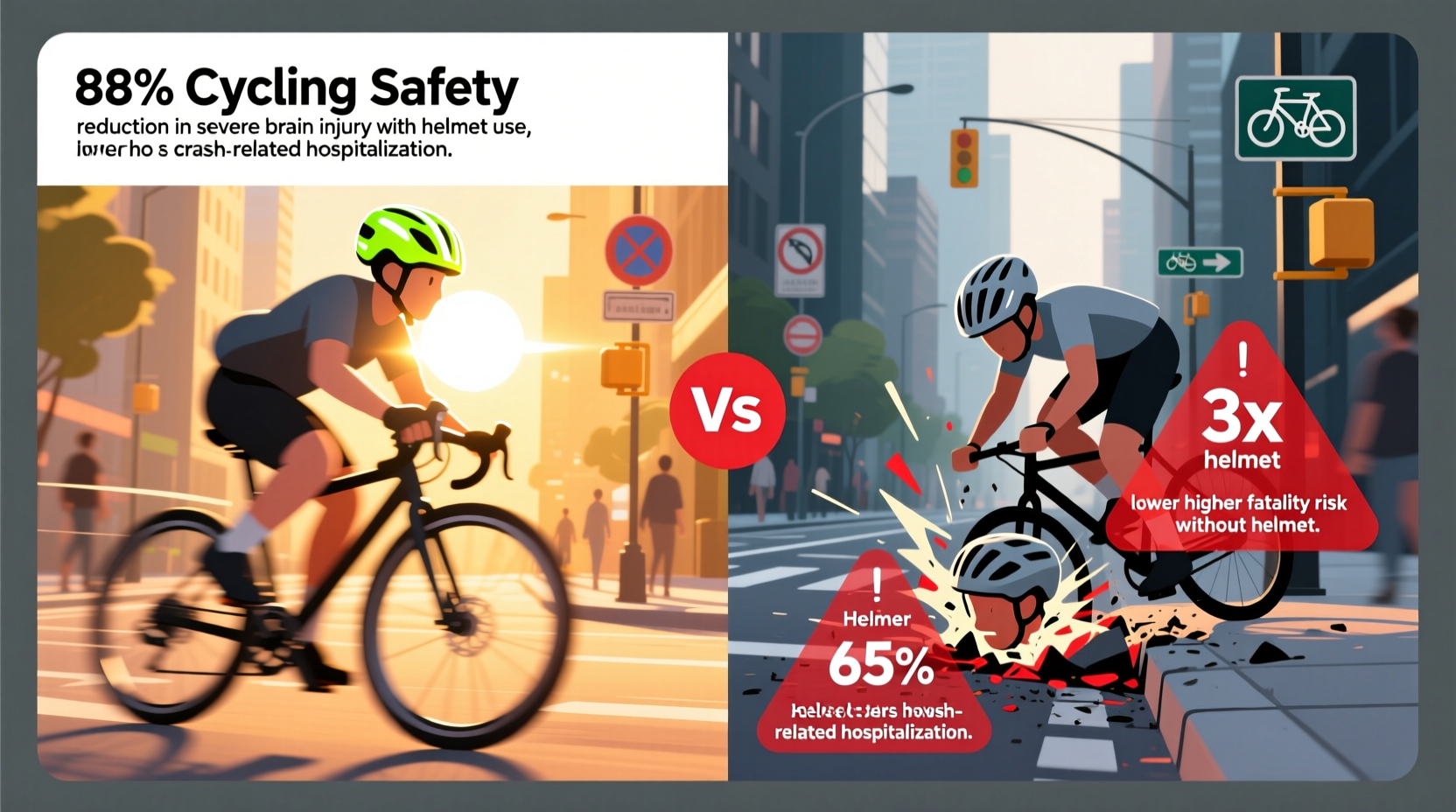
At its core, a bicycle helmet is designed to absorb impact energy during a crash. When a cyclist falls or collides with a vehicle, the skull can experience forces strong enough to cause concussions, skull fractures, or traumatic brain injuries (TBI). Helmets act as a buffer, distributing and dissipating that force across a broader area.
According to a comprehensive meta-analysis published in the journal *Accident Analysis & Prevention*, helmets reduce the risk of head injury by **63% to 88%**, depending on the severity and type of collision. For moderate to severe traumatic brain injuries, the protection increases even further. The study reviewed over 50 independent studies across multiple countries, reinforcing that helmets are not merely symbolic—they are biomechanically effective.
“Helmets are one of the few proven interventions that significantly reduce brain injury risk in crashes involving cyclists.” — Dr. Adil H. Haider, trauma surgeon and public health researcher, Johns Hopkins University
It’s important to note that while helmets cannot prevent all injuries, they dramatically improve outcomes when accidents occur. In urban environments where cars, delivery trucks, and distracted pedestrians create unpredictable conditions, this margin of protection becomes even more valuable.
Real-World Injury and Fatality Data
Examining national and international crash reports reveals consistent trends: helmeted riders fare better in collisions. In the United States, the National Highway Traffic Safety Administration (NHTSA) reported that in 2022, **808 bicyclists were killed** in traffic crashes. Of those fatalities where helmet use was recorded, nearly **70% were not wearing helmets**.
A closer look at hospital data shows similar patterns. A 2023 study from the American Journal of Surgery analyzed over 10,000 cycling-related ER visits in major U.S. cities. Key findings included:
- Helmeted riders were 45% less likely to suffer a serious head injury.
- Unhelmeted cyclists had a 2.3 times higher rate of ICU admission.
- Median hospital stay was 1.8 days longer for unhelmeted patients.
In Europe, where urban cycling infrastructure is often more developed, helmet usage varies widely. Countries like Denmark and the Netherlands see low helmet adoption rates (under 20%), yet also have some of the lowest cycling fatality rates globally. However, researchers attribute this more to robust cycling infrastructure and traffic calming policies than to any inherent safety in going bareheaded.
Tip: Even in cities with excellent bike lanes, unexpected hazards—like opening car doors or sudden turns—can lead to falls. A helmet provides essential protection regardless of road quality.Helmet Use and Driver Behavior: An Overlooked Factor
One lesser-known aspect of helmet use involves how drivers perceive and interact with cyclists. Research suggests that motorists may give less clearance to helmeted riders, assuming they are “more experienced” or “better protected.” A 2019 UK study using controlled roadside observations found that cars passed within 1.5 meters of cyclists **23% more frequently** when the rider wore a helmet compared to when they did not.
This phenomenon, sometimes called the \"risk compensation\" effect, implies that while helmets protect physically, they may subtly influence social dynamics on the road. Drivers might unconsciously treat helmeted cyclists as more expendable in tight spaces. This doesn’t negate the value of helmets but highlights the need for systemic changes—like protected bike lanes and awareness campaigns—to complement personal protective gear.
Still, experts agree that the physical benefits outweigh behavioral risks. As Dr. Ian Walker, a psychologist who studied driver-cyclist interactions, noted: “Even if drivers pass slightly closer, the protection a helmet offers in a fall or sideswipe far exceeds the marginal increase in risk from proximity.”
Comparative Risk: Helmeted vs. Unhelmeted Riders
To better visualize the differences, consider the following summary based on aggregated U.S. and European data:
| Metric | Helmeted Riders | Unhelmeted Riders |
|---|---|---|
| Head Injury Risk (in crashes) | 12% | 47% |
| Fatality Rate per 100 Million Miles | 3.1 | 7.8 |
| ICU Admission Rate | 8% | 19% |
| Average Recovery Time (moderate TBI) | 6–8 weeks | 12–16 weeks |
| Helmet Effectiveness (reduction in fatal injury) | Estimated 60–75% |
This data underscores a clear trend: while no helmet can guarantee safety, it drastically improves survival odds and recovery outcomes. The most vulnerable moments often come from low-speed falls—such as losing balance at an intersection or skidding on wet pavement—where helmets still play a crucial protective role.
Common Misconceptions About Helmet Use
Despite overwhelming evidence, several myths persist about bike helmets in urban settings:
- “I only ride short distances—I don’t need one.” Most cycling injuries occur within 3 miles of home, often at intersections or driveways.
- “Helmets encourage reckless riding.” No credible study has shown that helmeted cyclists take more risks. Behavior is influenced more by infrastructure and traffic laws.
- “They’re uncomfortable and uncool.” Modern helmets are lightweight, ventilated, and available in stylish designs that integrate seamlessly into urban fashion.
- “If I get hit by a car, a helmet won’t help.” While high-speed impacts are more severe, many collisions involve glancing blows or secondary impacts (e.g., hitting the curb), where helmets are highly effective.
Dispelling these myths is essential for fostering informed decisions. Safety isn’t just about extreme scenarios—it’s about preparing for the likely ones.
Mini Case Study: A Close Call in Portland
Consider the case of Marcus T., a 34-year-old software developer in Portland, Oregon. Marcus commuted daily by bike, always choosing efficiency over gear—no helmet, reflective clothing, or lights. One rainy morning, he approached a green light when a delivery van turned right without signaling. Marcus braked hard, lost control on the slick asphalt, and fell, striking his head on the curb.
He was rushed to the emergency room with a concussion and minor skull fracture. Doctors confirmed that while the injury wasn’t life-threatening, it could have been much worse. “If he’d been wearing a helmet,” the attending neurologist said, “he likely would’ve walked away with just a headache.”
After six weeks off work and ongoing cognitive therapy, Marcus now wears a helmet religiously—and advocates for helmet use among his colleagues. His story isn’t unique. Thousands of similar incidents occur each year, many preventable with basic protective equipment.
Actionable Checklist for Urban Cyclists
Staying safe in the city requires more than just a helmet. Use this checklist to evaluate your current habits and make meaningful improvements:
- ✅ Wear a properly fitted helmet on every ride—even short ones.
- ✅ Replace your helmet after any significant impact, even if damage isn’t visible.
- ✅ Choose a helmet certified by CPSC (U.S.), CE (Europe), or AS/NZS (Australia).
- ✅ Install front and rear lights, especially for dawn, dusk, or night riding.
- ✅ Use hand signals consistently and predictably.
- ✅ Ride with traffic, never against it.
- ✅ Avoid headphones or distractions that reduce situational awareness.
- ✅ Learn local traffic laws specific to cyclists.
Frequently Asked Questions
Do bike helmets expire?
While helmets don’t have official expiration dates, manufacturers recommend replacing them every 3–5 years due to material degradation from UV exposure, sweat, and temperature fluctuations. If you’ve been in a crash, replace it immediately—even if it looks intact.
Are cheaper helmets less safe?
Not necessarily. All helmets sold in the U.S. must meet CPSC safety standards, regardless of price. However, more expensive models often offer better ventilation, lighter weight, and improved fit systems, which can enhance comfort and compliance.
Can wearing a helmet discourage people from cycling?
Some studies suggest mandatory helmet laws correlate with reduced cycling rates, particularly in areas lacking infrastructure. However, voluntary use—combined with safe roads—does not appear to deter long-term ridership. Public education and accessible design are key to balancing safety and participation.
Conclusion: Make Informed Choices for Safer Rides
The data is clear: wearing a bike helmet significantly reduces the risk of head injury and death. In the complex, fast-moving environment of a modern city, that protection matters—not just in dramatic collisions, but in everyday slips and surprises. While infrastructure improvements and driver education remain vital, personal responsibility plays a non-negotiable role in urban cycling safety.
You don’t need to be an elite athlete or gear enthusiast to benefit from a helmet. You just need to be someone who values their well-being and wants to keep riding for years to come. Whether you're biking to work, running errands, or exploring your neighborhood, make helmet use a non-negotiable part of your routine.
💬 Have a story about how a helmet made a difference—or questions about urban cycling safety? Share your thoughts below. Let’s build a safer, smarter cycling community together.








