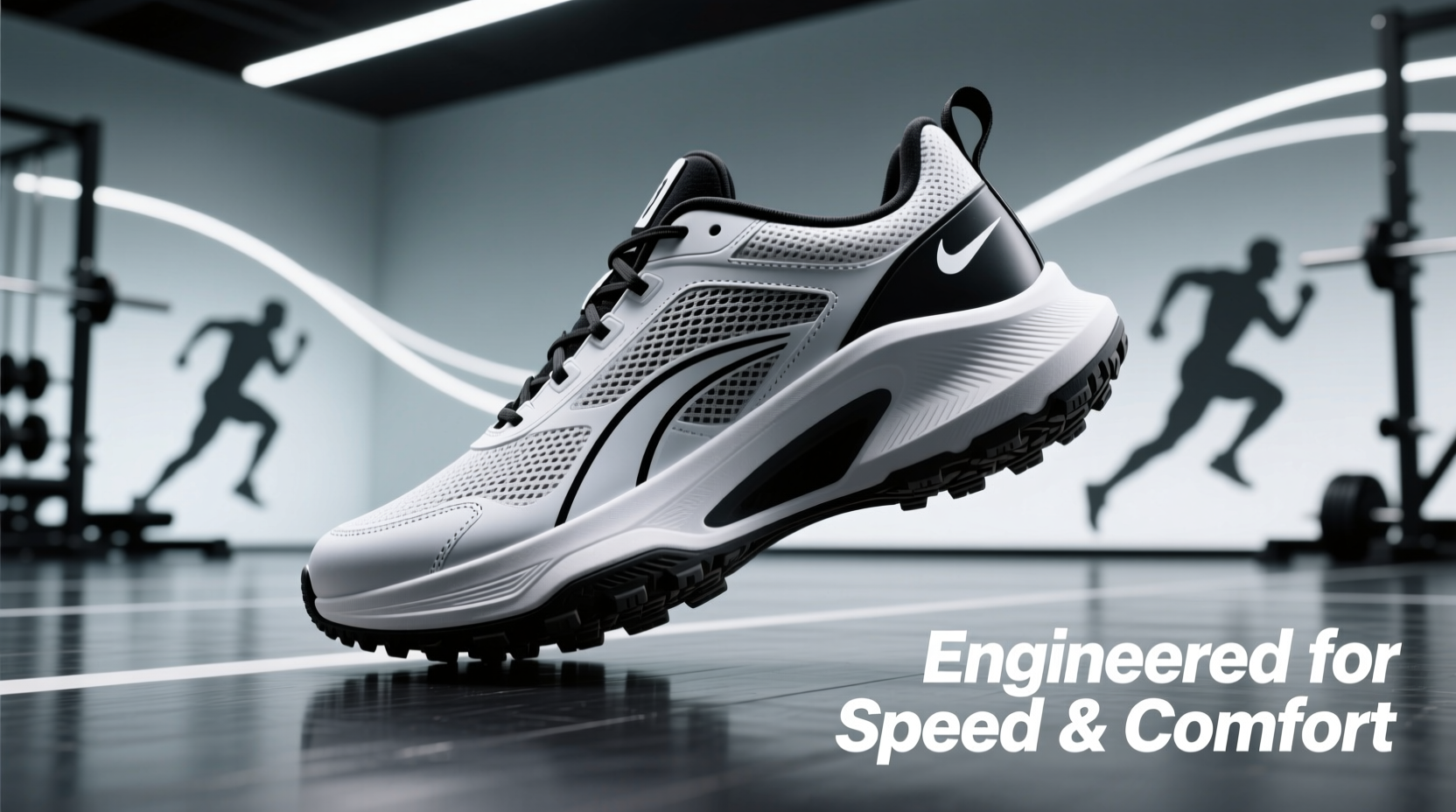
For athletes at every level—from weekend warriors to elite competitors—the right footwear can mean the difference between a personal best and an injury-plagued season. While flashy designs and brand names may grab attention, true athletic success begins with shoes engineered to support intense movement while keeping feet comfortable over long durations. The ideal athletic shoe balances responsive cushioning, structural stability, breathability, and lightweight construction. This guide explores how to identify top-performing models, highlights standout options across disciplines, and provides actionable advice for selecting footwear that enhances both comfort and performance.
Understanding the Science Behind Athletic Footwear
Modern athletic shoes are not just about aesthetics; they’re biomechanical tools designed to optimize movement efficiency and reduce injury risk. Key elements such as midsole density, heel-to-toe drop, arch support, and outsole traction all contribute to how a shoe performs under stress. For example, runners benefit from shoes with high energy return foams like Nike React or Adidas Boost, which absorb impact and rebound efficiently. Meanwhile, court sports like basketball or tennis demand lateral stability and grippy rubber compounds to handle sharp cuts and sudden stops.
Comfort in athletic shoes isn’t just softness—it’s about fit precision and dynamic adaptability. A shoe that fits well minimizes slippage and pressure points, reducing blister risk and fatigue. Materials like engineered mesh uppers allow airflow without sacrificing structure, while adaptive lacing systems ensure lockdown during motion.
“Shoe selection is one of the most individualized decisions in sports performance. What works for one athlete might hinder another.” — Dr. Lena Torres, Sports Biomechanist at the University of Colorado Boulder
Top Shoes Across Key Athletic Disciplines
No single shoe dominates every sport, but several models consistently earn praise for balancing comfort and performance. Below is a curated list based on professional reviews, user feedback, and lab testing results:
Running: Saucony Endorphin Speed 3
This hybrid racing and training shoe combines a nylon plate for propulsion with a plush PWRRUN PB midsole. It offers a smooth ride over long distances while remaining light enough (8.7 oz for men's size 9) for tempo efforts. Ideal for neutral runners seeking speed with cushioned protection.
Basketball: Nike LeBron NXXT Gen
Engineered for explosive movements, this model features Zoom Air units in the forefoot and heel, along with a supportive midfoot shank. Its padded collar and secure fit system enhance comfort during extended play, making it a favorite among pros and recreational players alike.
Tennis: ASICS Court FF 4
With FlyteFoam Blast+ cushioning and a Trusstic system for torsional rigidity, this shoe handles rapid direction changes seamlessly. The AHAR (ASICS High Abrasion Rubber) outsole ensures durability on hard courts, and the snug fit reduces foot migration inside the shoe.
Cross-Training: Reebok Nano X4
A versatile option for gym-goers who mix lifting, HIIT, and cardio, the Nano X4 delivers a stable platform for weightlifting while maintaining flexibility for box jumps and sprints. Its Flexweave upper resists abrasion, and the RopePro section protects against friction during climbing drills.
Track & Field: Puma Deviate Nitro 2 Elite
Designed for sprinters and mid-distance runners, this shoe uses dual-layer Nitro Foam for responsive cushioning and a carbon-infused plate to maximize toe-off power. Lightweight and aerodynamic, it excels in competitive settings where milliseconds count.
Tip: Always test new athletic shoes during low-intensity sessions before using them in competition to assess fit and break-in needs.Comparison Table: Performance vs. Comfort Features
| Model | Weight (Men’s Size 9) | Cushioning Tech | Stability Features | Best For |
|---|---|---|---|---|
| Saucony Endorphin Speed 3 | 8.7 oz | PWRRUN PB Foam | Nylon Propulsion Plate | Long-distance running |
| Nike LeBron NXXT Gen | 15.2 oz | Zoom Air Pods | Midfoot Shank + Ankle Support | Basketball |
| ASICS Court FF 4 | 11.1 oz | FlyteFoam Blast+ | Trusstic System | Tennis/Court Sports |
| Reebok Nano X4 | 12.0 oz | Floatride Energy Foam | Rigid Heel Counter | Cross-Training |
| Puma Deviate Nitro 2 Elite | 7.9 oz | Dual-Layer Nitro Foam | Carbon-Inspired Plate | Sprinting/Middle Distance |
Step-by-Step Guide to Choosing Your Ideal Athletic Shoe
Selecting the right shoe involves more than reading reviews or following trends. Follow this process to make an informed decision tailored to your body and sport:
- Identify Your Primary Activity: Determine whether you're running, jumping, cutting, or lifting—each requires different support characteristics.
- Analyze Your Gait: Visit a specialty running store or physical therapist for a gait analysis to detect overpronation, supination, or neutral mechanics.
- Measure Your Feet: Sizes vary by brand and model. Measure both length and width, preferably later in the day when feet are slightly swollen.
- Try Before You Buy: Wear sport-specific socks and simulate movement (e.g., squatting, jogging in place) to assess fit and feel.
- Evaluate Break-In Time: Some performance shoes require 10–20 miles of wear to reach optimal comfort. Factor this into your timeline if preparing for an event.
- Monitor Long-Term Wear: Track signs of discomfort, uneven sole wear, or loss of responsiveness. Replace shoes every 300–500 miles or when cushioning degrades.
Real-World Example: How a Collegiate Runner Improved Efficiency
Jamal Carter, a Division I middle-distance runner at Oregon State, struggled with recurring shin splints during his sophomore year. Despite rigorous training, he couldn’t improve his 1500m times. After a biomechanics assessment, his coach recommended switching from a minimal flat trainer to the Saucony Endorphin Speed 3, which offered greater midsole height and a moderate rocker geometry. Within three weeks, Jamal reported reduced leg fatigue and smoother transitions through his stride. Over the next season, he shaved nearly four seconds off his personal best and remained injury-free. “It wasn’t just about more cushion,” he said. “The way the shoe guided my foot through each phase made everything feel connected.”
Frequently Asked Questions
Can one shoe work for multiple sports?
While cross-trainers like the Reebok Nano X4 are built for versatility, specialized activities like sprinting or marathon running require dedicated footwear. Using a running shoe on the basketball court increases ankle injury risk due to insufficient lateral support.
How do I know when my athletic shoes need replacing?
Signs include visible creasing or collapse in the midsole, loss of bounce, increased post-workout soreness, or tread wear on high-impact zones. Most performance shoes last 300–500 miles; keep a log if you train frequently.
Are expensive shoes worth it?
Higher-priced models often use advanced materials and engineering validated through research and elite athlete testing. However, value depends on fit and function—not price alone. A $160 shoe that fits poorly is less effective than a $100 model that aligns perfectly with your biomechanics.
Actionable Checklist Before Buying
- Confirm your foot type (flat, neutral, high arch)
- Test shoes in the afternoon when feet are largest
- Ensure half-inch space between longest toe and shoe tip
- Check for secure heel lock without tightness
- Verify return policy in case adjustments are needed
- Match shoe drop (offset) to your running form or sport demands
- Consider climate—breathable uppers for heat, water-resistant versions for wet conditions
Final Thoughts
The pursuit of athletic excellence doesn’t start at the finish line—it starts at the ground beneath your feet. Investing time in selecting footwear that harmonizes comfort with performance pays dividends in endurance, speed, and long-term joint health. Whether you're chasing a faster mile, dominating the hardwood, or pushing through a grueling WOD, the right shoe acts as both protector and accelerator. Don’t settle for generic recommendations; prioritize fit, function, and evidence-based design. When you find that perfect balance, every step becomes more efficient, more powerful, and more enjoyable.
💬 Have a favorite pair that transformed your workouts? Share your experience below and help others discover their ideal athletic shoe.








