For serious cyclists, every component of a road bike contributes to efficiency, comfort, and control. Among the most critical yet often overlooked parts are the pedals. A high-performance pedal system enhances power transfer, improves ride consistency, and supports long-term reliability—especially during endurance rides or competitive events. Choosing the right road bike pedals isn’t just about clipless engagement; it’s about precision engineering, durability under stress, and compatibility with your riding style.
Whether you're training for a gran fondo, logging weekly miles, or racing on weekends, selecting dependable pedals can make the difference between seamless performance and mechanical frustration. This guide examines top-performing road bike pedals, evaluates key features, and offers practical advice backed by industry expertise and rider experience.
Why Pedal Choice Matters for Road Cyclists
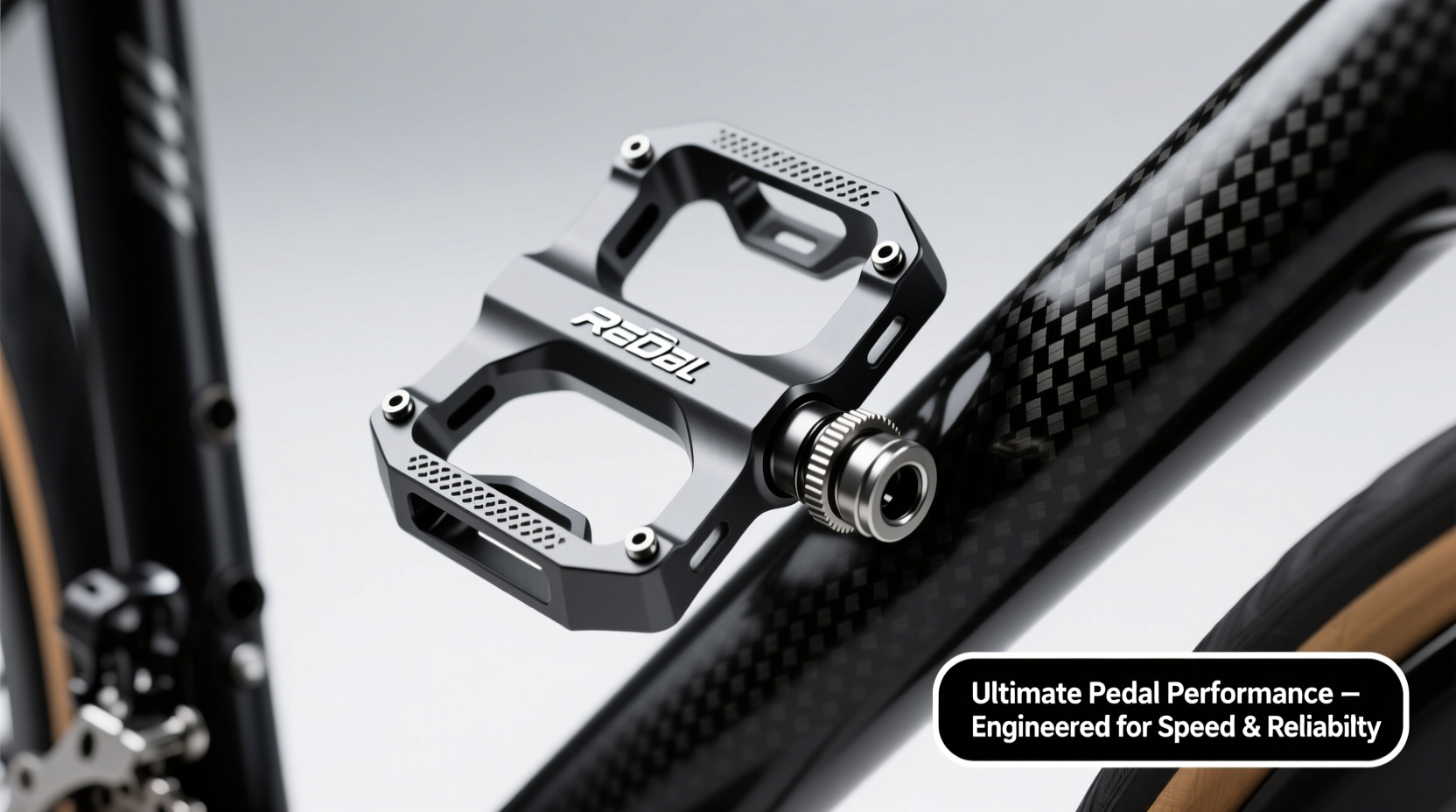
Road cycling demands efficient energy transfer from leg to drivetrain. Unlike flat pedals, which rely on shoe grip and toe clips, modern road pedals use a cleat-based clipless system that locks your shoe securely into place. This connection ensures that each pedal stroke—from downstroke to upstroke—delivers maximum power without slippage.
Beyond power transfer, reliable pedals contribute to:
- Consistency: Smooth engagement and release reduce fatigue over long distances.
- Durability: High-quality bearings and sealed mechanisms resist wear in wet or dusty conditions.
- Weight savings: Lightweight materials improve overall bike responsiveness.
- Comfort: Proper float (angular movement at the cleat) prevents knee strain during repetitive motion.
A failing pedal may seem minor, but under load—a sprint finish, steep climb, or sudden dismount—it can compromise safety and performance. Reliability means trusting your gear mile after mile.
Tip: Always check cleat tension regularly; overly tight or loose settings can affect both safety and efficiency.Top 5 Road Bike Pedals for Reliable Performance
The market offers numerous options, but only a few consistently deliver across conditions, mileage, and user feedback. Below is a comparison of five leading models known for their dependability and performance.
| Pedal Model | Weight (per pair) | Float (Degrees) | Key Feature | Best For |
|---|---|---|---|---|
| Shimano Dura-Ace R9200 | 250g | 6° | Dual-sided entry, wide platform | Pro-level racers, all-weather riders |
| Look Keo Blade Carbon Ceramic | 230g | 0°, 4.5°, 9° options | Blade spring tech, ceramic bearings | Lightweight seekers, time trialists |
| Crankbrothers Eggbeater 11 | 338g | 6° | Open design sheds mud easily | All-season riders, gravel-road crossover |
| Time RXS Stealth Carbon | 270g | 12.5° | High float, ergonomic support | Riders with knee sensitivity |
| Wahoo Speedplay Aero | 275g | Adjustable (up to 15°) | Aerodynamic profile, dual-axis adjustability | Triathletes, aero-focused builds |
Each model excels in different scenarios. The Shimano Dura-Ace remains a benchmark for consistent engagement and weather resistance. Meanwhile, Time’s RXS series stands out for biomechanical support, offering one of the highest degrees of float available—ideal for riders prone to joint discomfort.
“Pedal systems aren’t one-size-fits-all. I’ve seen riders improve comfort and output simply by switching to a higher-float system like Time’s RXS.” — Luca Mendez, Professional Bike Fitter & Cycling Physiologist
How to Evaluate Long-Term Reliability
Reliability isn't just about surviving a few rides—it's about enduring hundreds of hours across seasons. To assess longevity, consider these four criteria:
- Bearing Quality: Sealed cartridge bearings resist water and debris better than exposed bushings. Ceramic bearings offer longer life and reduced friction but come at a premium.
- Material Build: Carbon fiber housings save weight, while stainless steel axles resist bending and corrosion. Avoid plastic-heavy designs if you ride frequently in rain or wash your bike often.
- Maintenance Access: Some pedals, like older Speedplay models, require periodic disassembly and greasing. Others, such as Shimano’s, are largely maintenance-free but not serviceable.
- Engagement Mechanism: Look for robust spring tension that doesn’t degrade quickly. Systems with replaceable springs (e.g., Crankbrothers) extend usable life.
Real-world testing shows that pedals exposed to frequent rain, road salt, or trail dust degrade faster unless properly maintained. Riders in coastal or northern climates should prioritize sealed units with proven corrosion resistance.
Mini Case Study: A Century Ride in Wet Conditions
During a 100-mile charity ride in the Pacific Northwest, two groups of riders faced steady drizzle and muddy roads. Group A used standard Shimano Ultegra pedals; Group B relied on unsealed budget pedals.
By mile 70, three riders in Group B reported stiff pedal action and difficulty clipping in after stops. One rider’s left pedal seized entirely due to internal grime buildup. In contrast, all Group A pedals performed flawlessly despite no pre-ride sealing or lubrication.
This highlights how build quality directly impacts reliability under adverse conditions—even when both groups trained equally and used similar shoes.
Step-by-Step Guide to Maintaining Your Pedals
Even the best pedals need care. Follow this routine to maximize lifespan and ensure smooth operation year-round:
- Inspect Monthly: Remove pedals and examine for visible wear, especially around the spindle and cleat interface.
- Clean After Wet Rides: Wipe down pedals with a damp cloth. Use a soft brush to remove grit from engagement zones.
- Lubricate Cleats: Apply dry lube to cleat springs and contact points every 600–800 miles.
- Check Bearings Annually: Spin the pedal by hand. If there’s grinding or resistance, consider replacement or servicing (if supported).
- Replace Worn Parts: Swap cleats every 3,000–5,000 miles. Worn cleats increase the risk of accidental unclipping.
FAQ: Common Questions About Road Bike Pedals
Are more expensive pedals worth it?
For regular riders logging over 2,000 miles annually, yes. Premium pedals offer better bearings, lighter weight, and improved ergonomics. They also tend to have longer service lives and superior weather resistance. Casual riders may find mid-tier options like Shimano 105 or Time Impact sufficient.
What’s the difference between float and free play?
Float refers to the angular movement allowed at the cleat-pedal interface before disengagement—typically 3° to 15°. Free play is a misnomer; it usually describes the initial pivot within float. Higher float reduces knee strain by accommodating natural leg variance during pedaling.
Can I use mountain bike pedals on a road bike?
You can, but it’s not ideal. MTB pedals are built for rugged terrain and easier foot placement, often sacrificing aerodynamics and stack height. Their wider stance may interfere with cornering clearance on low-slung road frames. Stick to road-specific models for optimal integration.
Checklist: Choosing the Right Pedals for You
- ✅ Determine your preferred cleat system (Look, SPD-SL, Speedplay, etc.)
- ✅ Match float needs to your biomechanics (higher float for knee issues)
- ✅ Prioritize sealed bearings for wet-weather durability
- ✅ Confirm compatibility with your crankset (Q-factor, axle length)
- ✅ Consider ease of maintenance vs. service-free design
- ✅ Test engagement feel if possible (many shops offer demo pedals)
- ✅ Factor in future cleat availability and cost
Conclusion: Invest in Confidence With Every Stroke
Your connection to the bike starts at the pedals. A reliable system doesn’t draw attention—it fades into the background, letting you focus on rhythm, pace, and enjoyment. From the precision of Shimano’s Dura-Ace to the biomechanical flexibility of Time’s RXS, today’s best road bike pedals combine innovation with resilience.
Don’t wait for a failure to reevaluate your setup. Assess your current pedals, understand your riding demands, and upgrade where it counts. Whether you're chasing personal records or savoring weekend escapes, the right pedals deliver peace of mind—one confident click at a time.
💬 Have a pedal setup that transformed your ride? Share your experience below and help fellow cyclists make smarter choices.








