Cleats are essential gear for athletes across soccer, baseball, football, and rugby, but their rigid construction and snug fit often sacrifice long-term comfort. Many players endure foot fatigue, arch strain, or heel pain without realizing a simple upgrade can transform their experience: high-performance insoles. Unlike standard shoe inserts, specialized insoles for cleats improve biomechanical alignment, absorb impact, and reduce pressure points—without compromising fit or agility. Choosing the right pair isn't just about padding; it's about enhancing stability, endurance, and injury prevention during intense play.
Why Standard Insoles Fall Short in Cleats
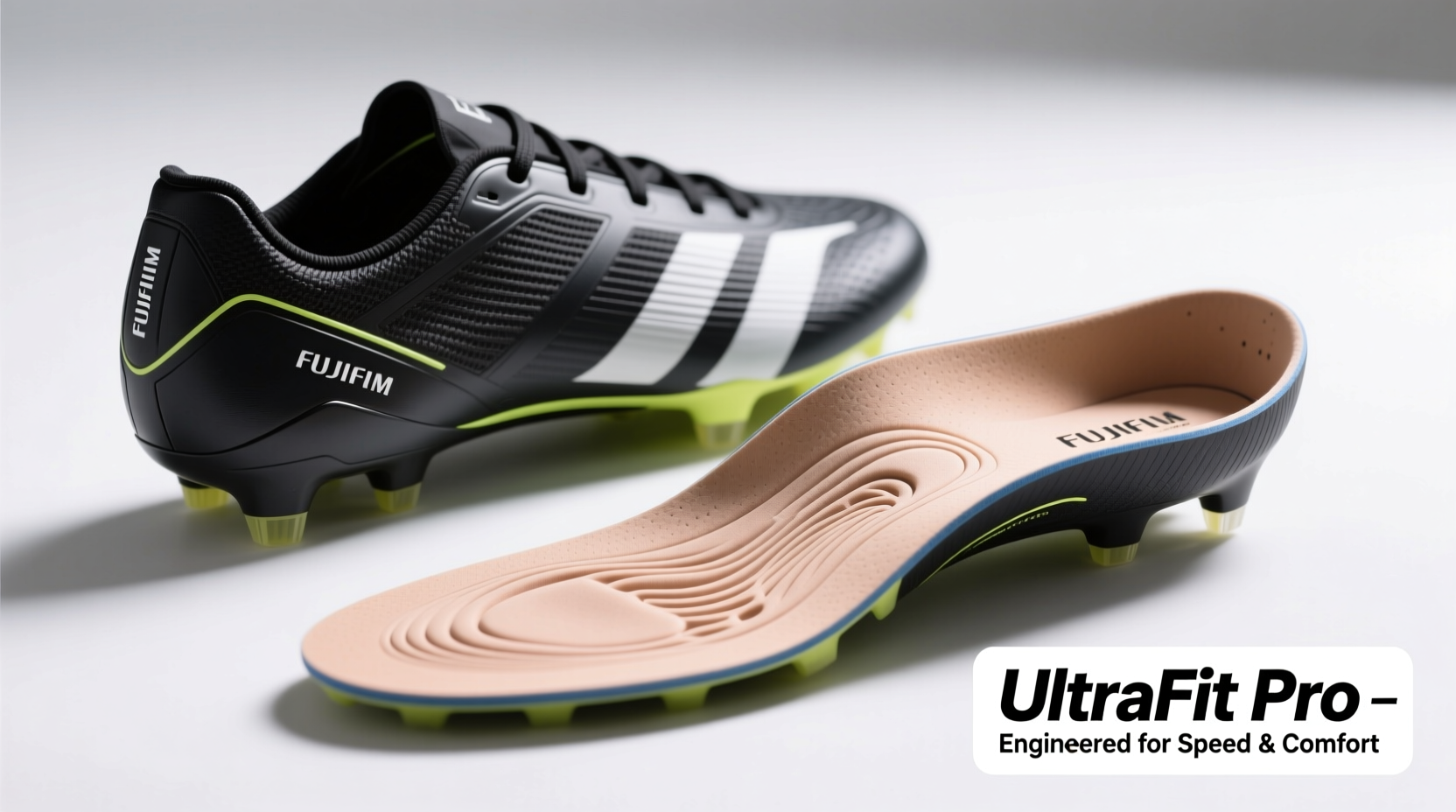
Cleats are designed for traction and responsiveness, not cushioning. Most come with thin, non-removable foam liners that offer minimal support. Over time, this lack of structure contributes to overpronation, plantar fasciitis, and metatarsal stress. Generic drugstore insoles are usually too thick or bulky, making them incompatible with the tight interior of cleats. They either compress quickly or create pressure by pushing the foot upward into the toe box.
The ideal insole for cleats balances low profile with high functionality. It should provide targeted arch support, heel stabilization, and shock absorption while fitting seamlessly within narrow footwear. Materials like EVA foam, memory gel, and thermoplastic polymers are engineered to maintain shape under dynamic loads, ensuring consistent support through 90-minute matches or multi-game tournaments.
Tip: Always remove the original insole before installing a replacement—this prevents crowding and allows proper function of the new insert.Top 5 Insoles for Cleats: Performance Compared
| Insole Model | Arch Support | Thickness | Shock Absorption | Best For |
|---|---|---|---|---|
| Sof Sole Athlete | Medium-High | 3mm (Low Profile) | ✔️ Excellent | All-around performance, soccer & baseball |
| Superfeet GREEN | High | 4mm | ✔️ High | Overpronators, long-duration use |
| Powerstep Pinnacle | High | 5mm | ✔️ Superior | Plantar fasciitis relief, structured support |
| Nova Orthotics Pro | Customizable | 3.5mm | ✔️ Advanced | Precision fit, elite athletes |
| TPU Arch Support Insole (Generic) | Medium | 2.8mm | ✔️ Moderate | Budget-friendly, youth leagues |
The Sof Sole Athlete stands out for its ultra-thin yet responsive design, making it ideal for players who prioritize ball feel without sacrificing comfort. Superfeet GREEN delivers firm rearfoot control and deep heel cups, favored by those with flat feet or chronic heel discomfort. Powerstep Pinnacle includes dual-layer cushioning and medical-grade support, often recommended by podiatrists. Nova Orthotics offers semi-custom molding options for players seeking personalized biomechanics correction. Budget models with TPU arch supports can be effective for younger athletes still developing foot strength.
How to Choose the Right Insole for Your Foot Type
Selecting an insole isn’t one-size-fits-all. Foot anatomy varies significantly, and using the wrong support can worsen imbalances. Begin by identifying your arch type:
- Flat Feet (Low Arch): Look for rigid arch domes and motion control features to prevent overpronation.
- High Arches: Prioritize cushioning and flexibility to compensate for reduced natural shock absorption.
- Neutral Arches: Moderate support with balanced cushioning works best for maintaining natural gait.
Consider your sport-specific demands. Soccer players benefit from low-profile, torsion-stable insoles that don’t interfere with ground feedback. Baseball catchers need extra heel padding due to prolonged squatting. Linemen in football require lateral stability to handle sudden directional changes. A properly matched insole enhances proprioception—the body’s ability to sense movement and position—critical for quick cuts and balance under contact.
“Many young athletes develop chronic foot issues because they train in poorly supported cleats. Adding a biomechanically sound insole is one of the most cost-effective ways to prevent long-term injury.” — Dr. Marcus Lin, Sports Podiatrist, University of Colorado Sports Medicine Clinic
Step-by-Step Guide to Installing and Breaking In Cleat Insoles
- Remove the factory insole: Use a small tool or your fingers to gently lift and extract the original liner from your cleats.
- Test the fit: Place the new insole inside the cleat. Ensure it lies flat and doesn’t bunch or extend beyond the shoe bed.
- Trim if necessary: Some insoles come with trim-to-fit guidelines. Cut slightly inward along marked lines to match your cleat size.
- Insert and press down: Slide the insole in firmly, especially around the heel cup, to ensure full contact with the sole.
- Wear for short sessions first: Start with 20–30 minutes of light activity to assess comfort and fit.
- Gradually increase usage: Over 5–7 days, build up to full training or game duration to allow your feet to adapt.
Avoid wearing new insoles in competitive games immediately. Sudden changes in foot positioning can lead to blisters or muscle fatigue as tendons adjust. Monitor for hot spots or slippage—if the insole shifts during movement, re-evaluate sizing or consider adhesive backing options.
Tip: Pair moisture-wicking socks with your new insoles to minimize friction and keep feet dry during extended play.Real-World Example: A College Soccer Player’s Turnaround
Jamal Reyes, a Division I midfielder, struggled with persistent heel pain during his sophomore season. Despite rest and ice therapy, his performance declined due to discomfort after 40 minutes of play. His athletic trainer suggested replacing the stock insoles in his lightweight soccer cleats with Superfeet GREEN models. After a week of gradual break-in, Jamal reported immediate improvement in foot stability and reduced fatigue. Within three weeks, he was able to complete full matches without pain. His sprint efficiency improved, and coaches noted better agility during drills. An added benefit: fewer shin splints, likely due to improved alignment reducing strain up the kinetic chain.
This case illustrates how a small equipment change can yield significant performance gains—especially when aligned with individual biomechanics.
Frequently Asked Questions
Can I transfer my insoles between different pairs of cleats?
Yes, if the cleats are the same brand and size. However, slight variations in internal shape may affect fit. It’s best to dedicate one pair of insoles per cleat model to maintain optimal support and longevity.
How often should I replace cleat insoles?
Every 6–12 months with regular use, or sooner if you notice flattening, cracking, or loss of arch firmness. Heavy players or those logging high mileage may need replacements every 4–6 months.
Do insoles make cleats tighter?
They can slightly reduce internal volume. To compensate, choose low-profile models or consider going up half a size when buying new cleats if you plan to use thicker orthotic-style inserts.
Maximize Your Game with Smarter Foot Support
Comfort in cleats isn’t a luxury—it’s a performance necessity. The right insole does more than cushion your feet; it stabilizes your foundation, improves energy transfer, and protects against repetitive stress injuries. Whether you're dealing with existing foot conditions or simply aiming to elevate your endurance and precision, upgrading your insoles is one of the simplest, most impactful adjustments you can make. Don’t let overlooked footwear details hold you back on the field.
💬 Have a favorite insole that transformed your cleat experience? Share your story in the comments and help fellow athletes find better comfort and support.








