For practitioners of yoga and Pilates, stability and control are everything. Whether you're holding a challenging plank, transitioning into downward dog, or executing a precise Pilates reformer sequence, your feet need reliable traction. Traditional socks slide, bunch, and roll—disrupting balance and focus. That’s where grip socks come in. Designed specifically for movement-based practices, these socks combine comfort with high-performance grip technology. But not all grip socks deliver on their promise. The best ones stay securely in place through every pose, stretch, and flow without slipping, sliding, or losing shape.
This guide dives deep into what makes grip socks effective, how to choose the right pair for your needs, and which models consistently earn praise from instructors, athletes, and everyday users. From material composition to grip patterns and fit design, we break down the essentials so you can step onto your mat with confidence.
Why Grip Socks Matter in Yoga and Pilates
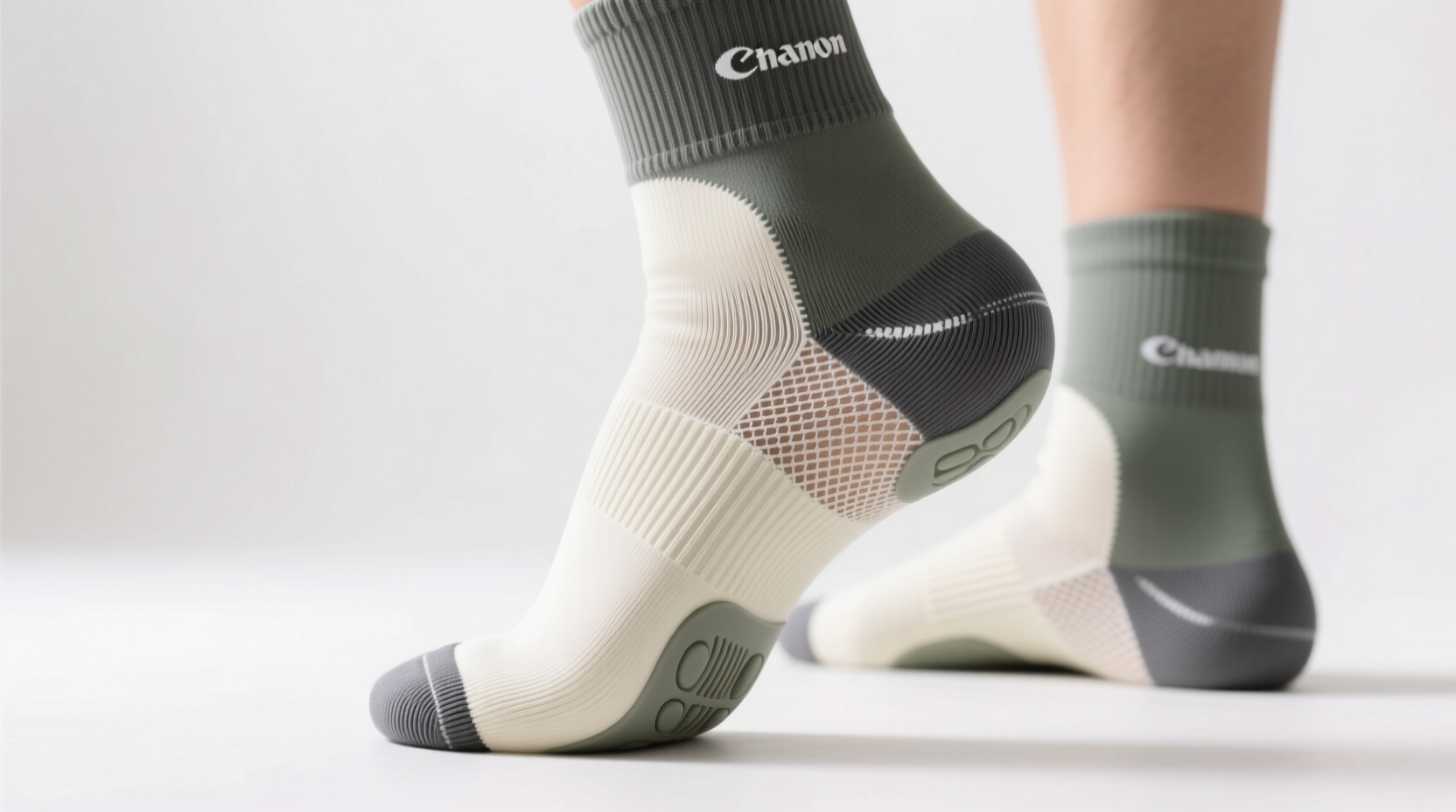
Yoga and Pilates both emphasize body awareness, alignment, and controlled movement. Instructors often recommend practicing barefoot to enhance ground connection and proprioception. However, many studios require footwear during certain classes, especially those involving equipment like reformers or resistance bands. Additionally, personal hygiene, cold floors, or sensitivity to surface textures make grip socks an appealing alternative.
The primary advantage of grip socks lies in their silicone-enhanced soles. Strategically placed dots, lines, or textured patterns create friction between the foot and the mat, reducing slippage during dynamic transitions. This is particularly crucial in styles like Vinyasa yoga or clinical Pilates, where micro-movements and weight shifts demand constant stability.
“Grip socks aren’t just about preventing falls—they help maintain proper alignment by giving feedback through the plantar surface of the foot.” — Dr. Lena Torres, Physical Therapist and Movement Specialist
Beyond safety, well-designed grip socks improve performance. When your feet don’t have to compensate for instability, your muscles engage more efficiently. This leads to better form, reduced fatigue, and deeper focus during practice.
Key Features of High-Performance Grip Socks
Not all grip socks are created equal. Many fail due to poor construction, inadequate grip placement, or uncomfortable materials. To identify the best options, consider the following criteria:
- Grip Pattern Design: Look for multi-zone grip layouts that cover the ball of the foot, heel, and arch. Full-sole coverage provides maximum contact, while targeted zones offer flexibility and breathability.
- Material Quality: A blend of cotton, nylon, spandex, and polyester ensures moisture-wicking, stretch, and durability. Natural fibers like bamboo add softness and odor resistance.
- Fit and Compression: Snug but not tight. A secure ankle band prevents rolling, while graduated compression supports circulation and reduces foot fatigue.
- Toe Design: Closed-toe socks provide warmth and protection; split-toe designs enhance dexterity and mimic barefoot sensation.
- Durability: Reinforced stitching and high-density silicone resist peeling after repeated washes.
Top 5 Grip Socks That Stay Put During Practice
Based on user reviews, instructor recommendations, and performance testing across different studio environments, the following models stand out for their ability to remain securely in place:
| Product | Grip Type | Material | Fit Style | User Rating |
|---|---|---|---|---|
| Paleo Sole Barefoot Yoga Socks | Full-sole silicone grid | 88% Nylon, 12% Spandex | Slim, low-cut | 4.8/5 |
| IUGA Pro Non-Slip Yoga Socks | Targeted heel & forefoot grips | 75% Cotton, 20% Poly, 5% Spandex | Mid-ankle, snug band | 4.6/5 |
| Physix Gear Sport Grip Socks | Dense dot pattern (full sole) | 80% Nylon, 17% Cotton, 3% Spandex | Compression fit, high elasticity | 4.7/5 |
| TOBS Merino Wool Grip Socks | Textured rubberized sole | 70% Merino Wool, 25% Nylon, 5% Spandex | Warm, medium crew height | 4.5/5 |
| Nobull Training Socks (with grip) | Strategic line treads | 65% Polyester, 30% Nylon, 5% Lycra | Tight athletic cuff | 4.4/5 |
Each of these models excels in specific areas. For example, Paleo Sole offers near-barefoot feel ideal for advanced yogis, while TOBS Merino Wool versions are perfect for colder studios or sensitive skin. IUGA and Physix Gear strike a balance between affordability and performance, making them popular among home practitioners and group class attendees alike.
Finding the Right Fit: A Step-by-Step Guide
Selecting grip socks isn’t just about brand reputation—it’s about matching the sock to your foot type, activity level, and environmental conditions. Follow this process to ensure optimal fit and function:
- Measure Your Feet: Use a ruler or tape measure to determine your foot length in centimeters. Compare against manufacturer size charts, as sizing varies between brands.
- Assess Your Studio Environment: Is the floor hardwood, tile, or carpet? Do you use a thick mat or a thin one? Smooth surfaces benefit from full-sole grip; textured mats may work well with partial patterns.
- Consider Climate: Hot studios call for breathable, moisture-wicking fabrics like nylon or bamboo. Cold spaces may require wool blends for warmth without bulk.
- Test Toe Preference: Try both closed and split-toe styles. Split toes allow individual toe splay, improving balance in standing poses.
- Evaluate Cuff Security: The sock should hug the ankle without cutting off circulation. Look for ribbed cuffs or elasticized bands that resist slippage.
- Wash Before First Use: Pre-washing removes manufacturing residues and tests shrinkage. Always follow care instructions to preserve grip integrity.
Real-World Example: How Grip Socks Transformed a Weekly Practice
Jamila R., a 38-year-old Pilates instructor in Portland, struggled with foot discomfort during reformer sessions. Her studio had polished concrete flooring, and even with a mat, her feet would shift during footwork exercises. “I kept adjusting my stance, which threw off my alignment,” she recalls. “It was frustrating because I knew I wasn’t engaging my glutes properly.”
After trying several generic non-slip socks that peeled after two washes, she switched to Physix Gear Sport Grip Socks. “The difference was immediate. The dense grip held firm, and the compression supported my arches. Within a week, my footwork became smoother, and I noticed less strain in my lower back.”
She now recommends them to clients who experience similar issues. “It’s not magic—it’s mechanics. When your base is stable, your whole body follows.”
Common Mistakes That Cause Grip Socks to Slip
Even high-quality grip socks can fail if used incorrectly. Here are frequent errors that compromise performance:
- Wearing oversized socks: Excess fabric bunches underfoot, lifting the grip away from the mat.
- Ignoring sock age: Silicone degrades over time. Replace socks when grip pads show cracks or peeling.
- Using on wet surfaces: While some socks claim water resistance, most lose effectiveness on damp floors.
- Pairing with loose-fitting clothing: Long pants or leggings that drag can catch on sock cuffs and pull them down.
- Improper washing: High heat and harsh detergents accelerate wear. Always air dry and avoid bleach.
“Just like running shoes, grip socks have a lifespan. Most last 6–12 months with regular use.” — Mark Chen, Footwear Lab Technician at ActiveGear Review Group
Checklist: Choosing and Using Grip Socks Effectively
Use this checklist to maximize the value and longevity of your grip socks:
- ✅ Measure your foot accurately before purchasing
- ✅ Choose full-sole or zone-specific grip based on your practice intensity
- ✅ Opt for moisture-wicking fabric if you sweat heavily
- ✅ Select split-toe design for enhanced balance and dexterity
- ✅ Ensure the ankle cuff stays in place during movement
- ✅ Wash in cold water, inside out, without fabric softener
- ✅ Air dry flat to prevent silicone warping
- ✅ Replace when grip shows visible wear or reduced traction
Frequently Asked Questions
Can I wear grip socks in heated yoga classes?
Yes, but choose lightweight, breathable materials like nylon or bamboo. Avoid cotton-heavy blends, which retain moisture and become heavy when sweaty. Look for terms like “moisture-wicking” and “quick-dry” on product labels.
Are grip socks suitable for people with wide feet?
Absolutely. Brands like IUGA and Physix Gear offer extended sizes and stretchy knits that accommodate wider feet. Check size charts carefully—some brands run narrow. If unsure, opt for a size up or look for “wide fit” variants.
Do grip socks replace the need for a yoga mat?
No. Grip socks enhance foot-to-mat contact but do not provide cushioning or full-floor grip. They work best in conjunction with a quality yoga or Pilates mat. Some portable travel mats are designed specifically for use with grip socks, offering minimal thickness and high portability.
Making the Most of Your Investment
Purchasing high-performing grip socks is only half the equation. Their effectiveness depends on consistent care and appropriate use. Rotate between two or three pairs to allow each to fully dry and recover its elasticity between uses. Store them flat or rolled—not crumpled in a gym bag—to prevent creasing the silicone pads.
If you teach or attend multiple classes per week, consider having separate pairs for home and studio use. This minimizes exposure to dirt, oils, and bacteria that can degrade materials faster. For travelers, compact grip socks are ideal—they pack small, eliminate the need to rent studio socks, and maintain hygiene standards.
Tip: Pair your grip socks with a minimalist mat towel for extra absorbency during hot sessions.Final Thoughts: Stability Starts at the Foundation
Your feet are the foundation of every posture and movement in yoga and Pilates. When they slip, your entire structure wavers. The right grip socks do more than prevent accidents—they empower precision, deepen engagement, and support long-term joint health. By investing in a well-made pair that stays put, you’re not just buying footwear; you’re enhancing your practice at the most fundamental level.
Don’t settle for socks that roll down mid-flow or lose grip after a few weeks. Prioritize thoughtful design, durable materials, and a fit that feels like second skin. Whether you're flowing through sun salutations or mastering the hundred on the reformer, let your feet move with confidence.
💬 Have a favorite pair of grip socks that transformed your practice? Share your experience in the comments below—your insight could help others find their perfect match.








