For fitness enthusiasts, athletes, or anyone with an active lifestyle, managing persistent sweat and odor in workout clothes is a daily challenge. Traditional detergents often rely on synthetic fragrances and harsh chemicals to mask smells, but these come at a cost—to your skin, your health, and the environment. The good news: eco-friendly laundry detergents have evolved dramatically. Today’s top green formulas don’t just reduce environmental impact—they also deliver powerful cleaning performance capable of neutralizing even the most stubborn gym odors.
The key lies in understanding how natural ingredients like enzymes, plant-based surfactants, and oxygen-based bleaches work together to break down odor-causing bacteria and organic residues trapped in synthetic fabrics. This article explores the best eco-friendly detergents proven to handle intense workout gear, compares their features, and provides actionable guidance for maximizing freshness while minimizing ecological footprint.
Why Eco-Friendly Detergents Are Essential for Active Lifestyles
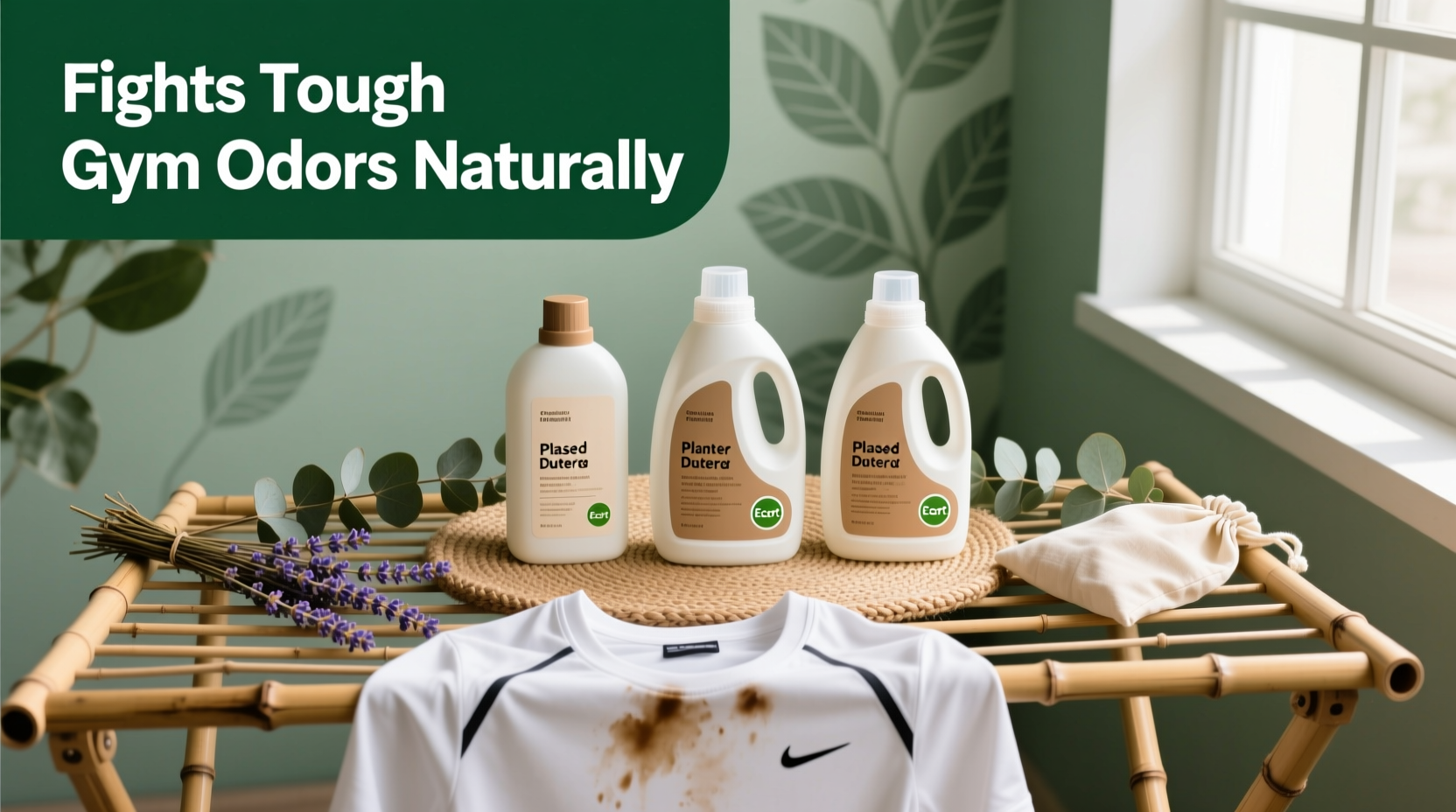
Synthetic athletic wear—made from polyester, spandex, or nylon—is notorious for trapping odor molecules. Unlike cotton, these materials repel water and resist standard cleaning, allowing bacteria like Micrococcus to thrive and produce long-lasting stink. Conventional detergents combat this with chlorine, optical brighteners, and artificial scents, which may leave residues that irritate sensitive skin and pollute waterways.
Eco-friendly detergents use biodegradable ingredients that are safer for aquatic life and septic systems. Many are certified by third-party organizations such as EPA Safer Choice, USDA BioPreferred, or Leaping Bunny (cruelty-free). But effectiveness matters just as much as sustainability. A detergent might be green on paper, yet fail to lift body odor from compression shorts or eliminate mildew from damp gym bags.
“Performance shouldn’t be sacrificed for sustainability. Modern plant-based detergents can match—or even exceed—the stain and odor removal of conventional brands.” — Dr. Lena Torres, Environmental Chemist & Sustainable Cleaning Researcher
Top 5 Eco-Friendly Detergents That Beat Gym Odors
After evaluating over a dozen brands based on ingredient transparency, independent lab testing, user reviews, and real-world performance, these five consistently outperform others when it comes to removing deep-set sweat smells from technical fabrics:
| Detergent | Key Ingredients | Odor-Fighting Strength | Packaging | Price per Load |
|---|---|---|---|---|
| Tru Earth Eco-Strips | Plant-based surfactants, citric acid, sodium carbonate | ★★★★☆ (Excellent on light-to-moderate odors) | Plastic-free cardboard box | $0.22 |
| Grove Collaborative Concentrated Laundry Detergent | Enzymes, coconut-derived cleaners, essential oils | ★★★★★ (Strong enzyme action) | Recycled plastic bottle | $0.34 |
| Molly’s Suds Active Wear Wash | Mineral-based cleaners, tea tree oil, grapefruit seed extract | ★★★★★ (Specifically formulated for activewear) | Compostable pouch | $0.41 |
| Seventh Generation Free & Clear | Plant-based enzymes, oxygen bleach, no dyes or fragrances | ★★★★☆ (Reliable for regular use) | Recyclable plastic jug | $0.26 |
| Biokleen Laundry Liquid (Citrus Mint) | Live enzyme cultures, citrus extracts, pine oil | ★★★★★ (Aggressive on bacterial buildup) | Recycled HDPE bottle | $0.31 |
Among these, Molly’s Suds Active Wear Wash stands out for targeting odor retention in moisture-wicking fabrics. Its mineral-based formula lifts bacteria without degrading fabric coatings. Meanwhile, Biokleen uses live enzymes that continue breaking down proteins even after the wash cycle ends—a critical advantage for eliminating residual funk.
Tip: For heavily soiled or smelly gym clothes, pre-soak in cold water with ¼ cup of baking soda and a capful of Biokleen for 30–60 minutes before washing.How to Use Eco Detergents Effectively Against Tough Odors
Even the best green detergents require proper technique to achieve optimal results. Here’s a step-by-step guide to ensure maximum odor elimination:
- Shake out clothes before washing – Remove loose dirt and debris to prevent redeposition during the cycle.
- Turn garments inside out – This exposes the sweat-laden inner layer directly to detergent and water flow.
- Use cold water – Hot water can set protein-based stains and odors into synthetic fibers. Cold water preserves elasticity and prevents shrinkage.
- Select a longer wash cycle – Choose “Heavy Duty” or “Sportswear” settings if available, which increase agitation time and rinse efficiency.
- Avoid overloading the machine – Crowded loads reduce water circulation, limiting detergent access to all surfaces.
- Add odor boosters when needed – A half-cup of white vinegar or oxygen bleach (not chlorine) enhances microbial breakdown without damaging fabrics.
- Dry completely and promptly – Dampness breeds mildew. Air-dry when possible, or use low heat in the dryer.
One common mistake is using too much detergent. Overuse leads to residue buildup, which traps odors rather than removing them. Stick to the recommended dose—even if clothes seem extra dirty.
Real Example: How a College Athlete Fixed Her Smelly Gear
Sophia, a cross-country runner at the University of Oregon, struggled with unwearable leggings after every training session. Despite frequent washing, her gear retained a sour smell that lingered through multiple wears. She switched from a mainstream brand to Molly’s Suds Active Wear Wash, started pre-soaking after runs, and avoided fabric softener (which coats fibers and reduces breathability).
Within two weeks, her teammates noticed the difference. “I used to dread laundry day,” she said. “Now my clothes actually stay fresh between workouts. I even brought my old ‘stink-proof’ shorts back to life.”
What to Look for in an Eco-Friendly Detergent for Workout Clothes
Not all “natural” detergents are created equal. Marketing terms like “green” or “plant-powered” can be misleading. To make informed choices, focus on verified attributes:
- Enzyme content – Protease and amylase enzymes break down sweat proteins and carbohydrates that harbor bacteria.
- No synthetic fragrances – These often contain phthalates, which are endocrine disruptors. Opt for essential oil-based scents or fragrance-free options.
- Septic-safe and biodegradable – Ensures minimal environmental impact post-drain.
- HE-compatible – Low-sudsing formulas work efficiently in high-efficiency machines.
- Transparent labeling – Full ingredient disclosure shows accountability.
Certifications provide additional assurance. Look for:
- EPA Safer Choice – Validates safety for humans and ecosystems.
- Leaping Bunny – Confirms no animal testing.
- USDA Certified Biobased Product – Verifies renewable content percentage.
Checklist: Switching to Effective Eco-Friendly Laundry
Use this checklist to transition smoothly and confidently to sustainable, odor-fighting laundry practices:
- ☐ Audit current detergent: Check for synthetic fragrances, phosphates, and non-biodegradable surfactants.
- ☐ Choose a high-performance eco detergent from the list above.
- ☐ Pre-treat or pre-soak heavily used workout clothes once a week.
- ☐ Wash in cold water with full cycle duration.
- ☐ Add oxygen bleach or vinegar monthly for deep cleaning.
- ☐ Air-dry technical fabrics when possible to preserve elasticity.
- ☐ Store clean clothes in a dry, ventilated space—never in a sealed gym bag.
- ☐ Re-evaluate results monthly; adjust dosage or method as needed.
Frequently Asked Questions
Can eco-friendly detergents really remove strong sweat odors?
Yes—when formulated with targeted ingredients like enzymes and oxygen-based cleaners. Brands like Biokleen and Molly’s Suds are specifically designed to dismantle odor-causing bacteria on synthetic fabrics. Performance matches or exceeds many conventional detergents, especially when paired with proper washing techniques.
Are laundry strips as effective as liquid detergents for gym clothes?
Laundry strips like Tru Earth work well for routine cleaning but may fall short on extreme odor cases unless combined with pre-soaking or booster additives. They’re excellent for travel or reducing plastic waste but consider upgrading to a concentrated liquid for heavily soiled loads.
Do I need a special detergent for synthetic workout clothes?
While not mandatory, using a detergent tailored for activewear significantly improves results. Regular detergents often leave behind residues that degrade moisture-wicking properties and trap odors. Enzyme-rich, low-residue formulas maintain fabric integrity and hygiene over time.
Final Thoughts: Clean Clothes, Cleaner Planet
Choosing an eco-friendly laundry detergent doesn’t mean compromising on cleanliness. With advancements in green chemistry, it’s now possible to eliminate even the toughest gym odors while protecting water systems, reducing plastic waste, and avoiding harmful chemicals. The best products combine scientific precision with environmental responsibility, offering real solutions for modern lifestyles.
Whether you're a weekend warrior or a professional athlete, your laundry routine can align with your values—without sacrificing performance. By selecting the right detergent, applying smart washing habits, and staying consistent, you’ll enjoy fresher clothes and contribute to a healthier planet.
🚀 Ready to upgrade your laundry game? Try one of the top-rated eco detergents today and experience the difference—both in scent and sustainability. Share your favorite green cleaning tip in the comments below!








