When muscles ache from overuse, injury, or intense training, athletes and active individuals often turn to taping for relief. Two of the most common solutions—athletic tape and kinesiology tape—serve overlapping but distinct purposes. While both are designed to offer physical support and aid recovery, they differ significantly in materials, application methods, mechanisms of action, and how long they effectively support sore muscles. Understanding these differences is essential for choosing the right option based on your needs, activity level, and recovery goals.
Understanding Athletic Tape
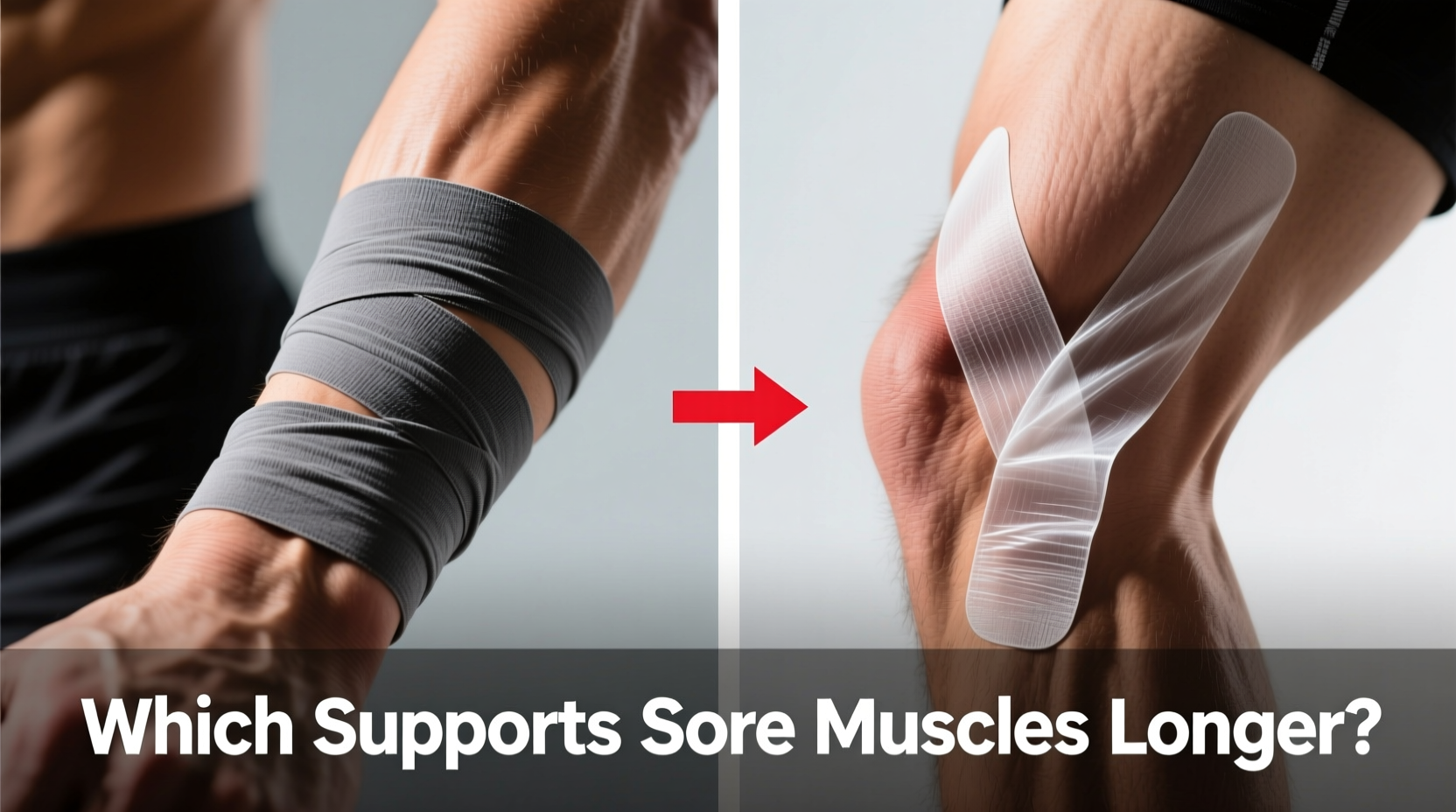
Athletic tape, also known as rigid sports tape or white athletic tape, has been a staple in athletic training rooms for decades. Made from cotton or synthetic fibers with a strong adhesive backing, it's designed to restrict movement in specific joints or muscle groups. It’s commonly used during high-impact sports like football, basketball, and volleyball to prevent sprains or stabilize injured areas such as ankles, wrists, or knees.
The primary function of athletic tape is mechanical support. By tightly wrapping a joint or muscle, it limits range of motion, reducing the risk of further strain. This makes it especially useful for acute injuries where stability is more important than flexibility. However, because it’s rigid, it can feel restrictive and may not be ideal for long-term wear or low-grade soreness that still requires mobility.
Athletic tape typically lasts only one session. It’s applied before an event or workout and removed afterward due to discomfort, sweat degradation, and loss of adhesion. Most users report effective support for 60 to 90 minutes of intense activity, after which tension slackens and effectiveness declines.
Tip: Apply athletic tape over pre-wrap to protect skin and improve adhesion, especially in humid conditions.How Kinesiology Tape Works Differently
Kinesiology tape—popularized by brands like KT Tape and RockTape—takes a different approach. Developed in the 1970s by Japanese chiropractor Dr. Kenzo Kase, it uses elastic, breathable material that mimics human skin in thickness and elasticity. Unlike rigid tape, kinesiology tape is designed to allow full range of motion while providing dynamic support.
Its mechanism isn’t just mechanical; it’s physiological. When applied with proper tension and technique, kinesiology tape gently lifts the skin, creating micro-spaces between the dermis and underlying tissues. This decompression is believed to improve circulation, reduce swelling, and alleviate pressure on pain receptors, helping sore muscles recover faster.
One of its standout features is longevity. High-quality kinesiology tape can stay adhered for up to five days, even through showers, swimming, and sweating. This means continuous support for sore muscles over an extended period, making it ideal for managing chronic soreness, delayed onset muscle soreness (DOMS), or ongoing rehabilitation.
“Kinesiology taping doesn’t immobilize—it facilitates natural movement while enhancing proprioception and lymphatic drainage.” — Dr. Laura Chen, Sports Rehabilitation Specialist
Direct Comparison: Support Duration and Effectiveness
To determine which tape supports sore muscles longer, we need to evaluate several factors: duration of wear, type of support provided, comfort, and suitability for different conditions.
| Feature | Athletic Tape | Kinesiology Tape |
|---|---|---|
| Material | Rigid cotton with strong adhesive | Elastic, breathable polyester/cotton blend |
| Mobility Allowed | Low – restricts movement | High – supports full range of motion |
| Wear Time | 1–3 hours (typically single-use) | 3–5 days with proper care |
| Support Type | Mechanical stabilization | Dynamic support + circulatory enhancement |
| Best For | Acute injuries, joint instability | Chronic soreness, muscle fatigue, recovery |
| Skin Sensitivity Risk | Higher (can cause irritation or blisters) | Lower (breathable, latex-free options available) |
| Reusability | No | No, but long-wearing |
From this comparison, it’s clear that kinesiology tape offers longer-lasting support for sore muscles. While athletic tape provides immediate, short-term reinforcement, it does not deliver sustained therapeutic benefits beyond the duration of physical activity. In contrast, kinesiology tape continues working throughout the day and night, promoting healing processes over several days.
Real-World Application: A Runner’s Recovery Journey
Consider Sarah, a recreational marathon runner who began experiencing persistent calf tightness after increasing her weekly mileage. After a long run, she felt sharp soreness in her gastrocnemius muscle—typical DOMS, but worsening with each week.
Initially, she tried athletic tape before runs to “support” the area. She wrapped it tightly around her lower leg, hoping to limit strain. While it reduced perceived instability during running, she noticed increased stiffness afterward. The tape peeled off by midday, and her soreness returned with greater intensity the next morning.
Her physiotherapist recommended switching to kinesiology tape using a “Y-strip” application down the back of her calf. Applied with 25% tension, the tape provided gentle lift and support without restricting movement. Sarah wore it continuously for four days, reapplying only once. During that time, she reported reduced muscle tightness, improved daily comfort, and faster recovery between workouts.
This case illustrates a key principle: when dealing with muscle soreness rather than joint instability, prolonged, functional support beats short-term rigidity.
Step-by-Step Guide to Effective Taping for Sore Muscles
If you're deciding between tapes for muscle soreness, follow this practical timeline and application guide to maximize benefit:
- Assess the Injury Type: Is it acute (recent sprain) or chronic (recurring soreness)? Acute injuries may require initial stabilization with athletic tape; chronic soreness responds better to kinesiology tape.
- Clean and Dry Skin: Wash the area and remove oils, lotions, or sweat. Shave excess hair if necessary for better adhesion.
- Choose the Right Tape: For sore muscles lasting more than a few hours, select kinesiology tape with good elasticity (140–160% stretch).
- Apply with Proper Tension: Cut the tape into appropriate shapes (I-strip, Y-strip, fan). Anchor one end without stretch, then apply the middle section with 15–25% tension over the sore muscle. Avoid stretching the ends.
- Rub to Activate Adhesive: After application, rub the tape vigorously for 10–15 seconds to warm and activate the heat-sensitive adhesive.
- Wait Before Exertion: Allow 30 minutes before intense activity or water exposure to ensure full bonding.
- Maintain for Days: Reapply every 3–5 days or sooner if peeling occurs. Avoid aggressive scrubbing during showers.
Common Mistakes That Reduce Effectiveness
Even the best tape fails when applied incorrectly. Common errors include:
- Over-tightening: Applying too much tension cuts off circulation and increases discomfort.
- Poor skin prep: Oils, sweat, or lotion prevent strong adhesion, leading to early peeling.
- Using the wrong pattern: A straight I-strip might not address broad muscle groups effectively—fan or Y-strips are better for areas like shoulders or calves.
- Taping over clothing: Always apply directly to skin for maximum effect.
- Ignoring contraindications: People with diabetes, edema, or thinning skin should consult a professional before use.
Frequently Asked Questions
Can I sleep with kinesiology tape on?
Yes, and it’s often recommended. Wearing kinesiology tape overnight maintains consistent support and may enhance recovery by promoting blood flow and reducing nighttime muscle tension.
Is athletic tape better for preventing injuries?
In high-contact sports or situations requiring joint stabilization (like ankle rolling), yes. Athletic tape physically limits dangerous movements. However, for muscle-related strains, kinesiology tape’s ability to improve neuromuscular control and reduce fatigue may offer superior preventive benefits over time.
Does kinesiology tape really work, or is it a placebo?
While some early skepticism existed, multiple studies have shown measurable effects. A 2020 meta-analysis published in the Journal of Bodywork and Movement Therapies found kinesiology taping significantly reduced pain and improved function in individuals with musculoskeletal complaints compared to controls. The lifting effect on skin has been visually confirmed via ultrasound imaging.
Expert Recommendations and Final Insights
Physical therapists and sports medicine professionals increasingly favor kinesiology tape for managing muscular soreness—not as a cure, but as a valuable adjunct to recovery protocols. Its ability to provide sensory feedback, enhance circulation, and support muscles without limiting movement makes it uniquely suited for endurance athletes, weekend warriors, and anyone dealing with recurring tightness or post-exercise fatigue.
“The real advantage of kinesiology tape is its persistence. You’re not just supporting tissue during a game—you’re supporting healing around the clock.” — Mark Tran, Certified Athletic Trainer (ATC)
That said, athletic tape still holds value in acute settings. If you’ve rolled an ankle or need to brace a weak joint during competition, rigid tape remains the gold standard for immediate mechanical support. But when the question is about *how long* sore muscles receive meaningful support, kinesiology tape clearly outperforms its rigid counterpart.
Conclusion: Choose Based on Your Recovery Goals
For short bursts of protection during intense activity, athletic tape is reliable and effective. But when it comes to sustained, therapeutic support for sore muscles, kinesiology tape wins on duration, comfort, and physiological impact. It bridges the gap between passive rest and active recovery, allowing people to stay mobile while healing.
Whether you're rehabbing an overworked hamstring, managing shoulder fatigue from weight training, or simply trying to bounce back faster after a tough workout, consider integrating kinesiology tape into your routine. With proper application and realistic expectations, it can extend the window of muscle support far beyond what traditional taping allows.
🚀 Ready to optimize your recovery? Try kinesiology taping for your next bout of muscle soreness and track how your recovery time improves. Share your experience with others looking for smarter ways to heal!








