
Smartphones are among the most frequently touched objects in daily life—often more than doorknobs or elevator buttons. Studies have shown that the average phone carries ten times more bacteria than a toilet seat. With this level of microbial exposure, it’s no surprise that UV phone sanitizers have gained popularity as a quick, chemical-free method to disinfect high-touch surfaces. But how well do they actually work? Are these compact devices truly capable of eliminating harmful pathogens, or are they just another wellness trend with limited real-world impact?
To answer this, we need to examine the science behind ultraviolet (UV) light disinfection, evaluate clinical research on germ-killing efficacy, and understand the practical limitations of consumer-grade devices. This article dives into the evidence, compares UV sanitizers to other cleaning methods, and provides actionable guidance for those considering one.
How UV-C Light Kills Germs
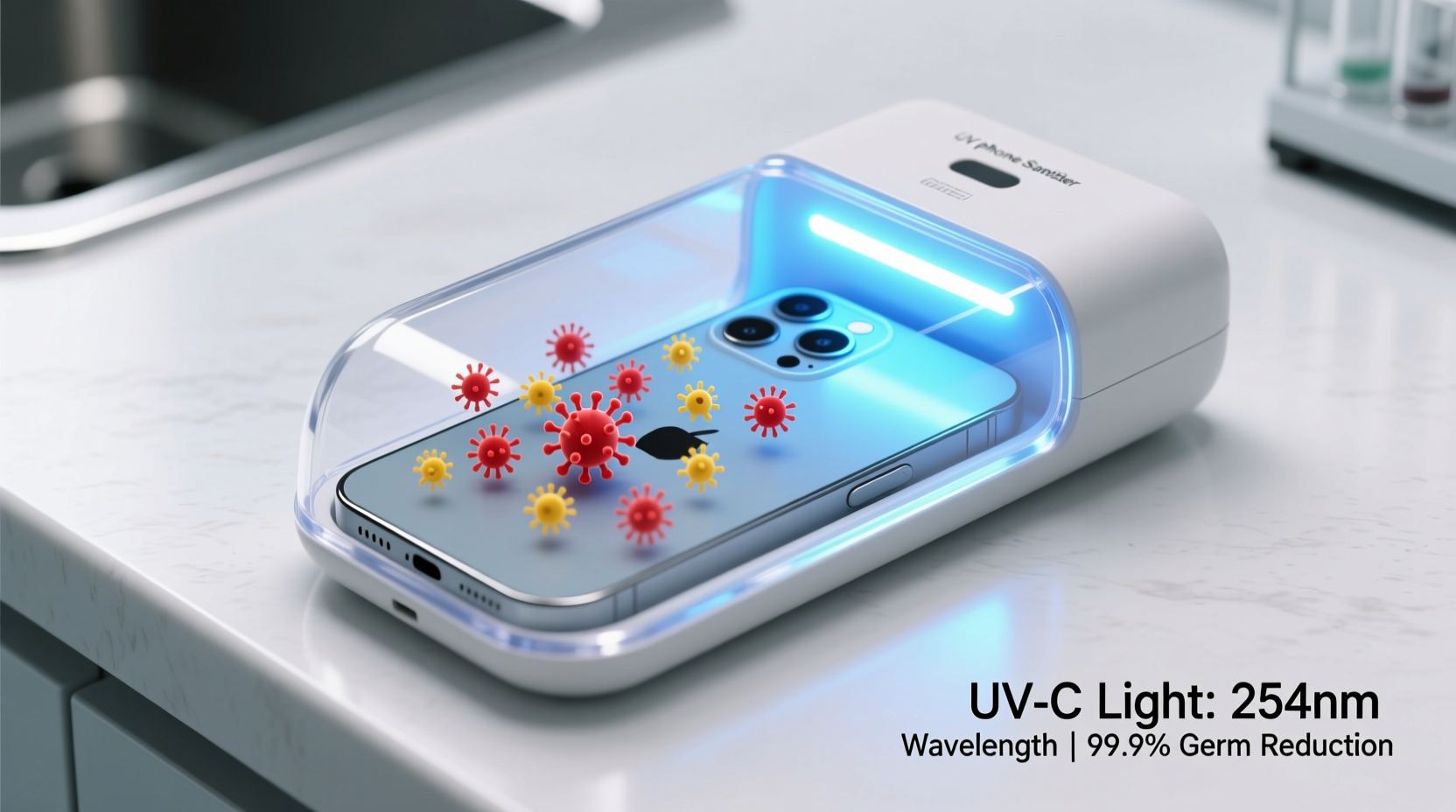
Ultraviolet light exists on the electromagnetic spectrum between visible light and X-rays. It is categorized into three types: UV-A, UV-B, and UV-C. Of these, only UV-C has strong germicidal properties. UV-C light, typically in the range of 200–280 nanometers (nm), disrupts the DNA and RNA of microorganisms, rendering them unable to replicate or cause infection.
In laboratory settings, UV-C has been proven effective against a broad spectrum of pathogens, including:
- Bacteria (e.g., Escherichia coli, Staphylococcus aureus)
- Viruses (e.g., Influenza, SARS-CoV-2)
- Molds and fungal spores
Hospitals and laboratories have used industrial-strength UV-C systems for decades to sterilize equipment, air, and surfaces. However, consumer UV phone sanitizers operate under different conditions—smaller chambers, lower wattage, and shorter exposure times. These factors significantly influence their effectiveness.
“UV-C is a powerful disinfectant when applied correctly, but dosage, distance, and exposure time are critical. Many home devices fall short on consistent delivery.” — Dr. Lena Torres, Microbiologist and Infectious Disease Researcher
Do UV Phone Sanitizers Work in Real-World Use?
While the principle behind UV-C sanitation is sound, real-world performance depends on several variables. Independent testing and peer-reviewed studies offer mixed results.
A 2020 study published in The American Journal of Infection Control tested five commercially available UV phone sanitizers. Results showed that while all devices reduced surface microbes, only two achieved a >99.9% reduction in E. coli after a full cycle. The others required multiple cycles or failed to reach log-3 reduction (a standard benchmark for disinfection).
Key limitations include:
- Shadowing: If a part of the phone is shaded—by a camera bump, case edge, or charging port—it may not receive adequate UV exposure.
- Dose inconsistency: Lower-intensity bulbs may not deliver enough energy (measured in mJ/cm²) to deactivate resilient microbes.
- Surface contact: UV light only works on exposed surfaces. It cannot penetrate grime, fingerprints, or biofilms.
Comparison: UV vs. Other Disinfection Methods
Not all cleaning methods are equal. Below is a comparison of common approaches to sanitizing phones and small electronics.
| Method | Effectiveness | Pros | Cons |
|---|---|---|---|
| UV-C Sanitizer (Consumer Device) | 70–99.9% | No chemicals, fast, reusable | Shadowing issues, inconsistent dose, doesn’t clean dirt |
| Isopropyl Alcohol Wipes (70%) | 99.9%+ | Kills a wide range of germs, removes debris | Requires manual effort, can degrade coatings over time |
| Soap and Water (with cloth) | 85–95% | Readily available, environmentally friendly | Not safe for direct application on electronics |
| Antibacterial Sprays | Variable | Strong odor, often overkill for phones | Liquid risk, residue buildup, not recommended by manufacturers |
According to Apple and Samsung, the safest way to clean a smartphone is with a soft, lint-free cloth slightly dampened with soap and water—or 70% isopropyl alcohol. Neither recommends submerging the device or using aerosol sprays directly on screens.
Choosing an Effective UV Sanitizer: A Buyer’s Checklist
If you're considering purchasing a UV phone sanitizer, not all models are created equal. Use this checklist to ensure you select a reliable product:
- ✅ Confirmed UV-C wavelength (ideally 254 nm or 265–275 nm for peak germicidal effect)
- ✅ Minimum 99% pathogen reduction claim backed by third-party lab testing
- ✅ Reflective interior to maximize light distribution
- ✅ Timer or automatic shutoff for consistent exposure (at least 3–5 minutes per cycle)
- ✅ Chamber size that accommodates your phone and case (if used)
- ❌ Avoid devices that use \"UV\" without specifying UV-C or lack safety certifications
Real-World Example: Office Desk Study
In a small-scale observational study conducted in a Chicago-based tech startup, employees were given UV phone sanitizers to use at their desks over a four-week period. Phones were swabbed weekly and tested for bacterial load.
Initial swabs revealed high levels of Micrococcus and Corynebacterium species—common skin flora. After one week of daily UV treatment, bacterial counts dropped by an average of 82%. However, by week three, contamination levels began to rise again, particularly on phones where users skipped cleaning sessions or left cases on during sanitization.
The key takeaway: consistency and proper usage matter. Devices worked best when integrated into a routine and combined with occasional manual wiping to remove oils and debris.
Step-by-Step Guide to Using a UV Phone Sanitizer Effectively
Maximizing the germ-killing potential of your UV device requires more than just tossing your phone inside and pressing start. Follow this sequence for optimal results:
- Remove your phone from its case – Cases trap bacteria and create shadows that block UV light.
- Wipe down the phone – Use a dry or slightly damp microfiber cloth to remove fingerprints, dust, and smudges.
- Place the phone in the sanitizer – Position it screen-up, ensuring no part is folded or covered.
- Close the lid securely – Most units have safety sensors that disable UV if opened mid-cycle.
- Start the cycle – Allow the full duration (typically 3–10 minutes) to complete uninterrupted.
- Clean the case separately – Wipe it with soapy water or alcohol, then let it air dry before reassembling.
- Repeat regularly – Daily use is ideal, especially if you commute, handle food, or work in healthcare.
This process combines physical cleaning with UV disinfection, addressing both visible grime and microscopic pathogens.
Limitations and Safety Concerns
Despite their benefits, UV phone sanitizers come with important caveats:
- Material degradation: Prolonged UV exposure may yellow plastic or degrade oleophobic screen coatings over time.
- Ozone production: Some UV-C lamps emit ozone, a lung irritant. Choose ozone-free models, especially for indoor or office use.
- Eye and skin exposure: Never look directly at active UV-C bulbs. Consumer devices are enclosed, but damaged units should be retired immediately.
- False sense of security: UV does not replace hand hygiene. Touching a sanitized phone with dirty hands reintroduces germs instantly.
Additionally, UV-C light is ineffective against non-living contaminants like dust, allergens, or heavy metal residues. It is strictly a microbiological tool.
Frequently Asked Questions
Can UV phone sanitizers kill the coronavirus?
Yes, UV-C light has been shown to inactivate SARS-CoV-2 on surfaces when delivered at sufficient intensity and duration. Lab studies confirm this, but consumer devices vary in output. Look for models tested against coronaviruses specifically.
How often should I sanitize my phone?
Daily sanitization is recommended for most people. If you work in healthcare, public transit, or food service, consider sanitizing twice daily. At minimum, clean your phone every other day, especially after being in crowded environments.
Are UV sanitizers safe for all phones?
Most modern smartphones can tolerate occasional UV exposure without damage. However, prolonged or excessive use may affect screen coatings or battery health indirectly through heat buildup. Always follow the manufacturer’s guidelines and avoid leaving the phone in the device longer than necessary.
Final Verdict: Are They Worth It?
UV phone sanitizers can be effective at reducing germs on smooth, unobstructed surfaces when used correctly. They are not magic boxes that eliminate all risk, but they are a convenient addition to a broader hygiene routine. Their value lies in consistency, ease of use, and chemical-free operation.
However, they should not replace manual cleaning with alcohol wipes or good hand hygiene. Think of UV sanitizers as a supplemental layer—not a standalone solution. When paired with regular wiping and smart habits, they contribute meaningfully to reducing microbial load on high-touch personal items.
“The best disinfection strategy is layered: clean first, then sanitize. UV devices fit into that second step—but only if used properly.” — Dr. Rajiv Mehta, Environmental Health Specialist
Take Action Today
Your phone is a microbial hotspot, but it doesn’t have to stay that way. Whether you choose a UV sanitizer, alcohol wipes, or a combination of both, the key is consistency. Start tonight: wipe down your phone, run it through a UV cycle if you have one, and commit to a cleaning habit moving forward. Small actions add up to big improvements in everyday health.
💬 Have experience with UV sanitizers? Share your results or tips in the comments below—your insight could help others make smarter choices!








