In an increasingly noisy world, noise canceling (ANC) earbuds have become a go-to solution for focus, relaxation, and immersive audio experiences. From crowded commutes to open-plan offices, these compact devices promise peace through advanced technology. But as their daily use becomes more common, questions arise: Are they truly safe over time? Can prolonged exposure to active noise cancellation harm hearing or affect cognitive function? And what are the real trade-offs between comfort and long-term health?
This article examines the science behind noise canceling earbuds, evaluates both their benefits and potential risks, and offers evidence-based guidance for using them safely in everyday life.
How Noise Canceling Earbuds Work
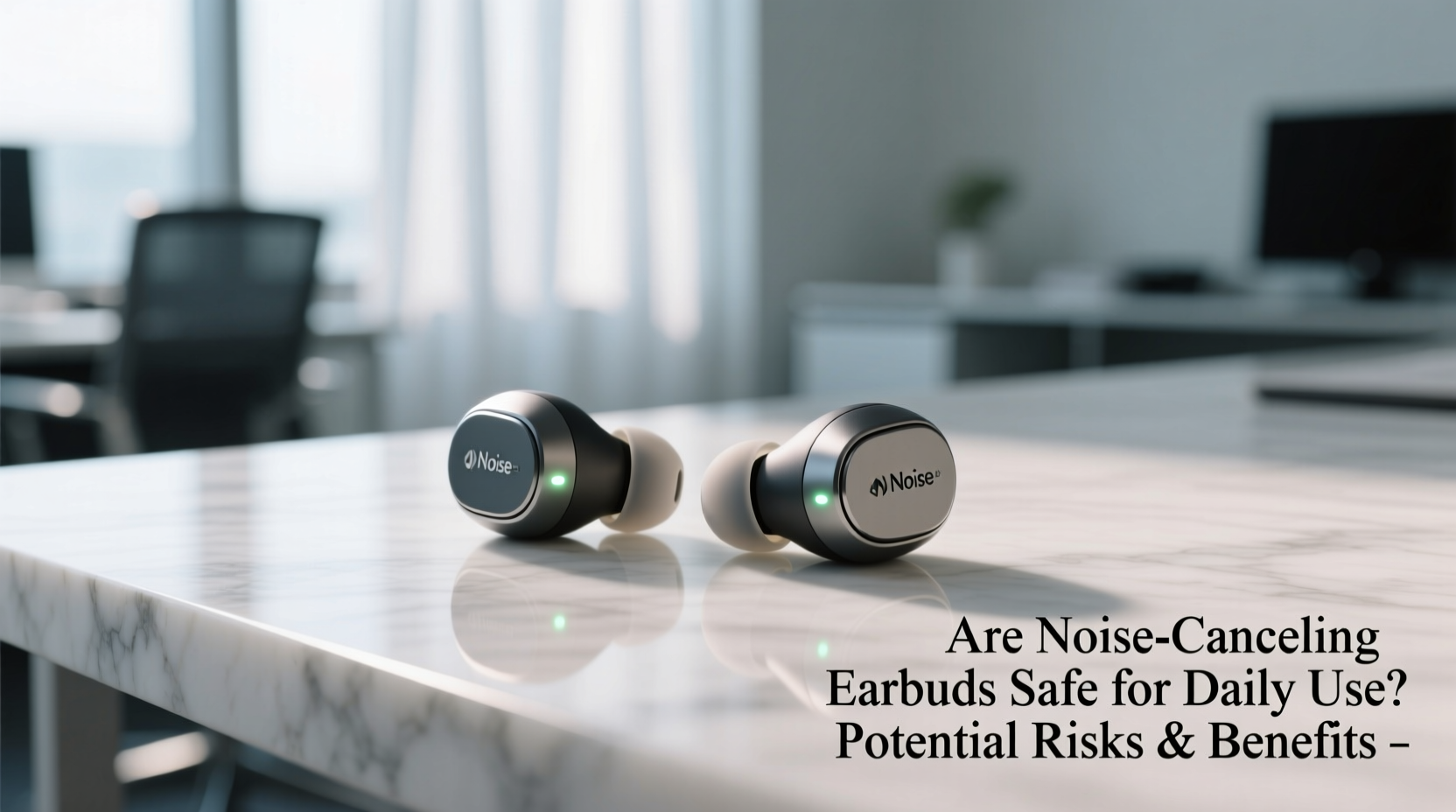
Noise canceling earbuds use a combination of microphones, digital signal processing, and speaker output to reduce unwanted ambient sounds. There are two primary types:
- Passive Noise Isolation: Achieved through physical sealing—ear tips block sound waves from entering the ear canal.
- Active Noise Cancellation (ANC): Uses anti-noise signals generated by the earbuds that mirror incoming sound waves but invert their phase, effectively canceling out low-frequency background noise like engine hums or air conditioning.
Modern earbuds often combine both methods, offering up to 30–40 decibels of noise reduction, particularly effective against constant, predictable sounds. However, high-pitched noises such as human voices or sudden alerts are harder to neutralize.
“ANC is most effective in controlled environments with steady background noise. It’s not designed to eliminate all sound, but rather to make listening more comfortable without cranking up volume.” — Dr. Lena Patel, Audiologist and Hearing Researcher at Johns Hopkins Medicine
Benefits of Daily Use
When used responsibly, noise canceling earbuds offer several tangible advantages that contribute to mental well-being, productivity, and auditory safety.
Reduced Exposure to Harmful Noise Levels
One of the most significant benefits is protection from environmental noise pollution. Chronic exposure to loud environments—such as traffic, construction zones, or public transit—can lead to stress-related conditions and even permanent hearing damage. By reducing ambient noise, ANC earbuds allow users to listen to music, podcasts, or calls at lower volumes, minimizing risk of noise-induced hearing loss (NIHL).
Tip: Use ANC earbuds in noisy settings to keep media volume below 60% of maximum, aligning with the World Health Organization’s safe listening guidelines.Improved Focus and Cognitive Performance
For remote workers, students, or creatives, ANC can enhance concentration by filtering out distractions. A 2022 study published in the Journal of Environmental Psychology found that participants working in moderate noise performed 27% better on attention tasks when using ANC compared to standard earbuds.
Mental Health and Stress Reduction
Constant noise triggers the body's stress response, increasing cortisol levels and contributing to fatigue, anxiety, and sleep disturbances. ANC creates a buffer, helping regulate sensory input. This is especially beneficial for neurodivergent individuals, including those with ADHD or autism, who may experience sensory overload in busy environments.
Better Sleep During Travel
Airplane cabins, train rides, and hotel lobbies often exceed 70 dB—a level disruptive to rest. ANC earbuds with sleep modes or white noise features help travelers fall asleep faster and stay asleep longer, improving overall travel recovery.
Potential Risks and Health Concerns
Despite their advantages, frequent or improper use of noise canceling earbuds carries some under-discussed risks. While generally safe, long-term habits matter.
Hearing Fatigue and Pressure Sensation
Some users report a feeling of \"ear pressure,\" similar to what one might feel during airplane ascent. This occurs because ANC alters the acoustic environment inside the ear canal, creating a vacuum-like sensation. Though temporary, it can cause discomfort, dizziness, or mild tinnitus in sensitive individuals.
Extended wear—especially over several hours—may also lead to auditory fatigue, where the brain works harder to interpret subtle sound cues in an unnaturally quiet environment.
Increased Risk of Ear Infections
In-ear designs trap moisture and restrict airflow, creating an ideal breeding ground for bacteria and fungi. Daily use without proper hygiene increases the chance of otitis externa, commonly known as swimmer’s ear. Sharing earbuds amplifies this risk due to microbial transfer.
Situational Awareness and Safety Hazards
Over-reliance on ANC can impair spatial awareness. Pedestrians wearing noise-canceling earbuds may fail to hear approaching vehicles, sirens, or verbal warnings. Several cities have introduced laws restricting headphone use while walking near traffic due to rising accident rates.
Masking Hearing Issues
Because ANC reduces external sound, early signs of hearing loss—like difficulty understanding speech in noise—can go unnoticed. Users may unknowingly increase volume over time, accelerating damage.
Dependency and Auditory Processing Changes
Limited research suggests that chronic use of noise suppression tools could affect how the brain processes sound. One small-scale study at the University of California observed slight delays in auditory reaction times among participants who used ANC daily for six months. While not conclusive, it raises questions about long-term neural adaptation.
Safe Usage Guidelines and Best Practices
The key to benefiting from noise canceling earbuds lies in mindful, informed use. The following checklist and step-by-step guide will help you protect your hearing and overall well-being.
✅ ANC Earbud Safety Checklist
- Limit continuous use to 90 minutes; take 10–15 minute breaks
- Clean ear tips weekly with alcohol-free wipes
- Keep volume under 60% and avoid extended use above 85 dB
- Use transparency mode in outdoor or public spaces
- Store earbuds in a dry, ventilated case
- Get annual hearing checkups if using daily
- Avoid sleeping with earbuds unless specifically designed for it
🕒 Step-by-Step Guide to Safer Daily Use
- Start with Fit Testing: Ensure ear tips create a snug but comfortable seal. Poor fit forces ANC to work harder and may increase pressure sensation.
- Enable Transparency Mode When Needed: Activate ambient sound pass-through when walking, cycling, or navigating crowds.
- Set Volume Limits: Use built-in device settings (e.g., iPhone’s “Headphone Safety” or Android’s Digital Wellbeing) to cap maximum output.
- Follow the 60/60 Rule: Listen at no more than 60% volume for no longer than 60 minutes at a time.
- Practice Ear Hygiene: Wipe ear tips with a dry cloth after each use. Replace foam tips every 1–2 months.
- Monitor for Symptoms: If you experience persistent ringing, fullness, or pain, discontinue use and consult an audiologist.
- Vary Your Listening Environment: Don’t rely on ANC all day. Allow your ears natural sound exposure during downtime.
Comparing Risks vs. Benefits: A Balanced View
| Factor | Benefit | Risk |
|---|---|---|
| Hearing Protection | Reduces need for high volume in noisy places | Potential masking of hearing issues |
| Mental Focus | Improves concentration and task performance | May encourage overwork or burnout |
| Physical Comfort | Blocks irritating background noise | Ear pressure, fatigue, or discomfort with long wear |
| Safety | Helps avoid auditory overload | Reduces situational awareness in traffic |
| Hygiene | Portable and personal | Higher infection risk with poor cleaning |
Real-World Example: A Commuter’s Experience
Mark, a 34-year-old software engineer in Chicago, began using ANC earbuds daily during his 45-minute train commute. Initially, he appreciated the ability to focus on audiobooks and arrive at work less stressed. However, after three months of near-constant use—including during lunch breaks and evening walks—he started noticing a persistent buzzing in his left ear.
After visiting an audiologist, Mark was diagnosed with early-stage tinnitus likely exacerbated by prolonged high-volume listening and lack of auditory breaks. He adjusted his routine: limiting earbud use to commuting only, enabling transparency mode outdoors, lowering volume, and scheduling screen-free evenings. Within six weeks, his symptoms improved significantly.
His story highlights a common pattern: convenience can quietly escalate into overuse, making proactive habits essential.
Frequently Asked Questions
Can noise canceling earbuds damage my hearing?
ANC technology itself does not damage hearing. However, pairing it with high volume levels or extended use can contribute to noise-induced hearing loss over time. The risk comes from how you use them, not the cancellation feature alone.
Is it safe to wear noise canceling earbuds while exercising?
It depends on the environment. Indoor workouts at the gym are generally safe, especially with transparency mode enabled. Outdoor running or cycling poses safety risks due to reduced awareness of traffic and surroundings. Consider open-ear alternatives like bone conduction headphones for outdoor activity.
Do noise canceling earbuds cause vertigo or dizziness?
Some users report mild dizziness or a “pressure” feeling, particularly when first using ANC. This stems from the brain adjusting to altered sound cues. If symptoms persist, try shorter sessions or switch to passive isolation. Consult a healthcare provider if dizziness is severe or recurrent.
Conclusion: Use Wisely, Benefit Fully
Noise canceling earbuds are not inherently unsafe—but like any powerful tool, their impact depends on how they’re used. For millions, they offer relief from urban chaos, improved focus, and greater control over personal soundscapes. Yet ignoring basic safety practices can lead to preventable issues ranging from ear infections to hearing strain.
The goal isn’t to stop using ANC earbuds, but to use them intentionally. Balance periods of silence with natural auditory exposure. Prioritize ear health with regular cleaning and hearing checks. Stay aware of your surroundings, especially in dynamic environments. And remember: silence should restore, not isolate.
💬 Have you experienced side effects from daily ANC use—or found ways to use them safely? Share your story in the comments and help others build healthier listening habits.








